

New Year, New Opportunity: How Brands Harness the Psychology of January Resolutions
Why “New Year, New Me” still works – and what marketers can learn from the brands that have mastered it
Every January, marketers witness the same predictable pattern: consumers collectively enter what behavioural economists would call a liminal state. It’s a psychological threshold; the end of one year and the symbolic beginning of another – where people temporarily believe change is not only possible, but expected.
That cultural script creates one of the most powerful seasonal marketing moments of the year. The challenge isn’t spotting the moment; it’s learning how to use it without blending into the mass of fitness apps, wellness coaches, meal plans and productivity tools shouting the same message.
The best brands don’t just take part in the New Year narrative – they shape it.
Here’s how.
The Marketing Made Clear Podcast
This article features content from the Marketing Made Clear podcast. You can listen along to this episode on Spotify:
1. Peloton: Selling Identity, Not Exercise
Peloton’s most successful January campaigns don’t talk about calorie burn or discipline. They sell a reframed identity: the version of yourself you could become.
Psychologically, this taps into what researchers call the “fresh-start effect”, developed by Dai, Milkman and Riis at Wharton. Consumers become more motivated when time markers (such as New Year) allow them to mentally “close” their past selves and start again.
Peloton leans into this by:
-
spotlighting emotional benefits (confidence, pride, belonging)
-
using instructors as “characters” you build a relationship with
-
framing progress as cumulative (“every ride counts”) rather than perfectionist
For marketers, the lesson is clear: New Year campaigns work best when they trade in identity, not tasks.
2. Duolingo: Humour and Micro-Commitments Win Attention
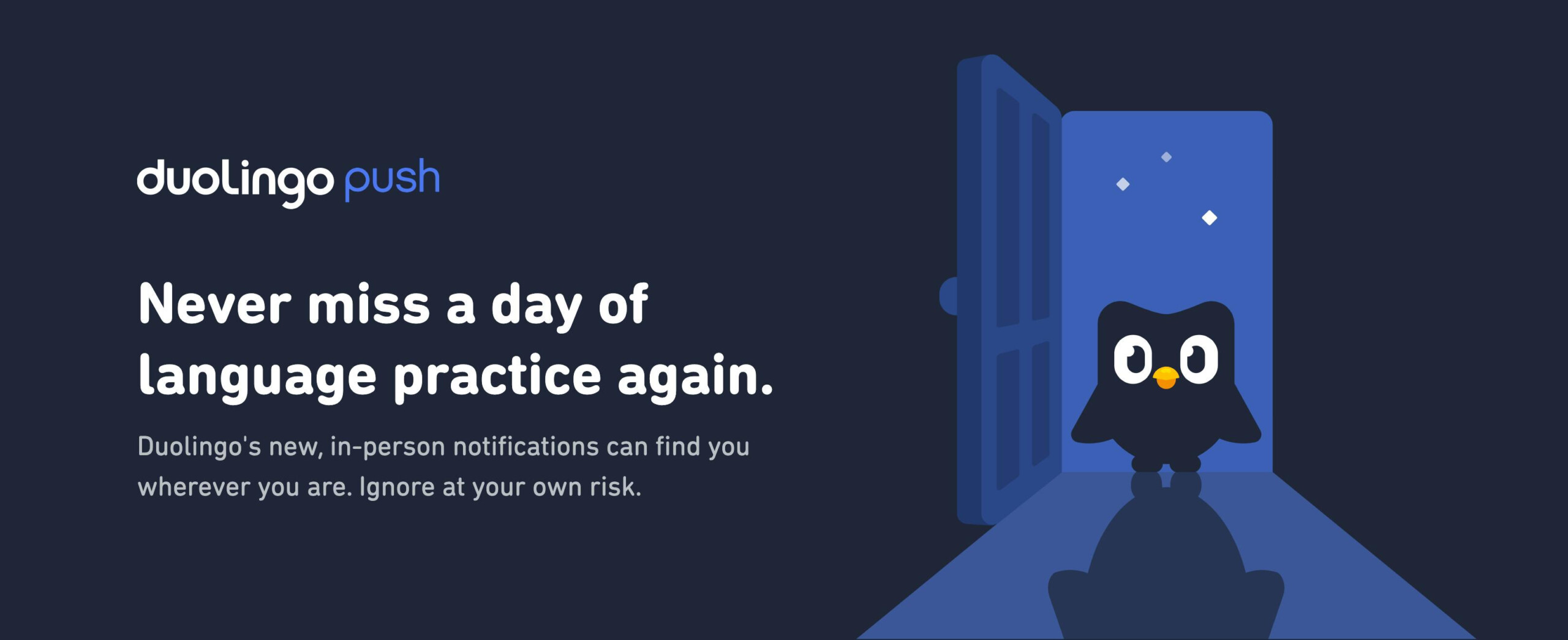
Duolingo has mastered the art of cutting through January guilt with irreverence. While other apps talk about “transforming your life”, Duolingo leans into self-aware humour: memes, chaotic social media, and the infamous green owl reminding you that you will finish Spanish.
Their success comes from:
-
micro-commitments (one lesson a day feels achievable)
-
public accountability (streaks you can brag about)
-
cultural fluency (they understand how people joke about resolutions)
This approach works because people are tired of self-improvement messages wrapped in pressure. Duolingo shows that levity is often more persuasive than aspiration.
3. Nike: “Just Do It” as a January Operating System
In January, Nike’s messaging shifts subtly towards renewal, momentum and resilience. Their best campaigns emphasise:
-
personal agency (“you don’t need to wait for Monday”)
-
low-barrier starting points (“a 10-minute run still counts”)
-
inclusive storytelling (athletes and non-athletes alike)
Nike’s genius is making the first step feel heroic, not overwhelming – exactly what people need when motivation is fragile.
4. Headspace & Calm: The Rise of “Gentle January”
Not everyone wants to join a gym or overhaul their habits in week one of January. Many people want the opposite: a reset.
Meditation apps like Headspace and Calm have popularised a new tone in New Year marketing:
-
soft language (“let’s begin the year with a breath”)
-
emotional safety (no resolutions, no judgement)
-
wellbeing as maintenance, not self-punishment
This taps into a growing cultural trend: anti-resolution marketing, which recognises that January can be overwhelming and positions calmness as the true fresh start.

5. Noom & Behavioural Apps: Science as a Selling Point
Brands like Noom use January to emphasise behavioural psychology rather than dramatic change. Their messaging focuses on:
-
habit loops
-
triggers and cues
-
cognitive reframing
-
small, consistent wins
January is the perfect time for this because consumers are more receptive to structured, science-backed programmes that promise sustainability over bravado.
6. Spotify Wrapped & the Power of Retrospective Momentum
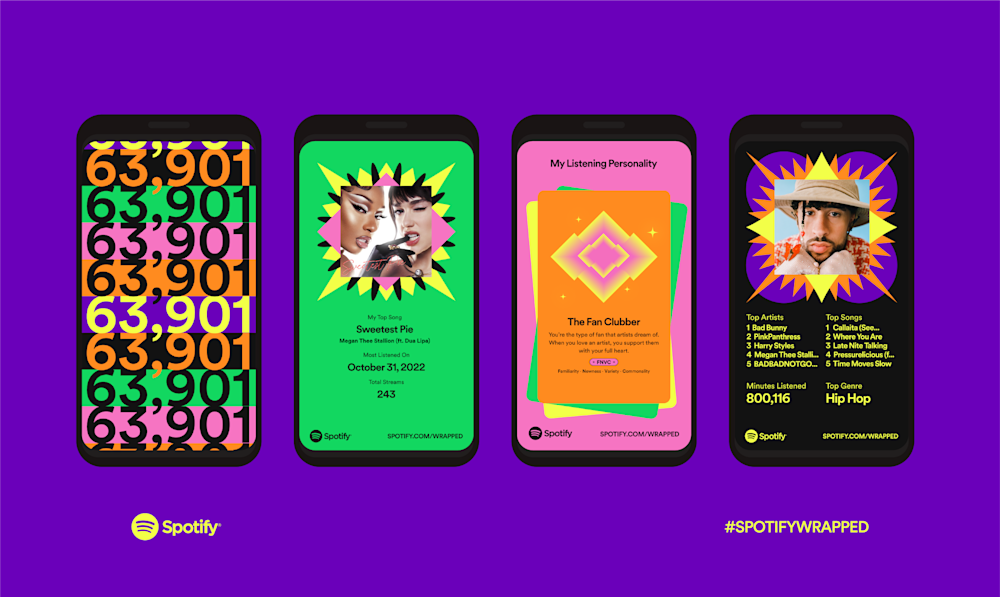
Although Spotify Wrapped arrives in December, its effects spill directly into January. Wrapped primes people for self-reflection, which fuels the New Year mindset.
Wrapped succeeds because it:
-
visualises behaviour
-
celebrates progress
-
gives people a story about themselves
It acts as a psychological mirror – exactly the state of mind consumers bring into January. The lesson for brands: help people see who they were last year to influence who they want to become next year.
7. The Brands that Misfire – and What They Teach Us
For every Peloton or Nike success, there are campaigns that fall flat because they lean into:
-
guilt
-
unrealistic expectations
-
overpromising transformation
-
moralising behaviour
These messages don’t resonate anymore. Consumers want support, not shame; community, not pressure.
Brands who embrace authenticity, humour or gentleness win because they mirror the complexity of the modern January mindset.
Why January Still “Works” – The Psychology Behind It
Even in a world sceptical of resolutions, three forces keep the New Year moment powerful:
1. Temporal Landmarks
People mentally reset at the start of a new year, month or week. January is the ultimate reset.
2. Social Proof
Everyone else is making changes, so joining in feels normal.
3. Identity Projection
The New Year encourages people to imagine a future version of themselves – fertile ground for marketers.
Brands don’t create these psychological shifts; they harness them.
What Marketers Should Do Next
Whether you’re selling fitness, software, education or lifestyle products, the lessons are the same:
-
Don’t market resolutions – market identity.
-
Reduce cognitive load. Make the first step tiny.
-
Use humour or warmth to stand out from the noise.
-
Celebrate progress, not perfection.
-
Show people like your audience, not unreachable ideals.
-
Position January as a beginning, not a test.
The brands that win in January are those that understand the consumer mindset, not those that shout the loudest.