

Subcultures and Marketing
How Brands Learned to Speak the Language of Tribes
There was a time when marketers believed mass appeal was everything.
Create one product. Write one slogan. Push it through television, radio, newspapers and billboards. Job done.
But culture rarely works like that.
People naturally form groups around shared interests, values, music, fashion, politics, hobbies and identities. Sociologists call these subcultures – smaller cultural groups existing within wider society, often with their own behaviours, language, aesthetics and belief systems.
For marketers, subcultures represent both an opportunity and a danger.
Get it right and brands can become symbols of identity and belonging.
Get it wrong and the audience will smell inauthenticity faster than a teenager spotting a parent trying to use Gen Z slang.
Understanding subcultures has become one of the most important aspects of modern marketing. In many ways, the fragmentation of media and the rise of social platforms means today’s marketers operate in a world dominated by micro-subcultures.
And this is not new.
Brands have been attempting to tap into subcultures for decades – sometimes brilliantly, sometimes disastrously.
The Marketing Made Clear Podcast
This article features content from the Marketing Made Clear podcast. You can listen along to this episode on Spotify:
What Is a Subculture?
The Birmingham Centre for Contemporary Cultural Studies (CCCS), led by academics such as Stuart Hall and Dick Hebdige, played a major role in studying youth subcultures in Britain during the 1970s.
Dick Hebdige’s seminal work Subculture: The Meaning of Style (1979) argued that subcultures often emerge as forms of resistance against dominant culture. Clothing, music and style become symbolic acts of rebellion.
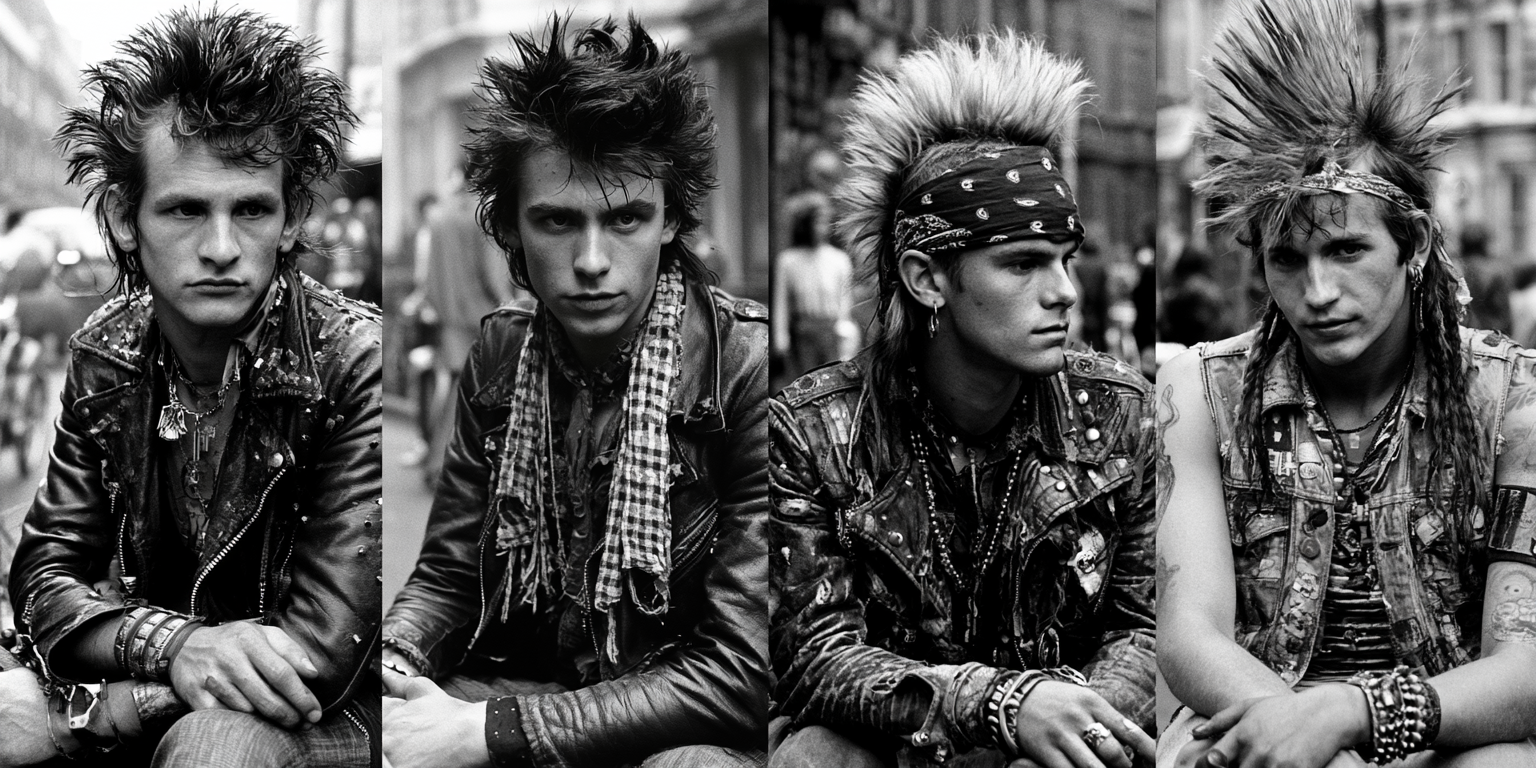
Punks wearing ripped clothes and safety pins were not simply making fashion choices. They were making statements.
Hebdige argued that style itself becomes communication.
This matters enormously for marketers because consumers rarely buy products purely for functional reasons. They buy meanings, signals and identity markers.
French sociologist Pierre Bourdieu also explored how taste and cultural preferences act as social markers. What music you listen to, what trainers you wear, what drinks you order and what brands you associate with all communicate social identity.
Marketing, therefore, is often less about selling products and more about helping people express who they are.
Or who they want to be.
Mods and Rockers
Early Brand Tribalism
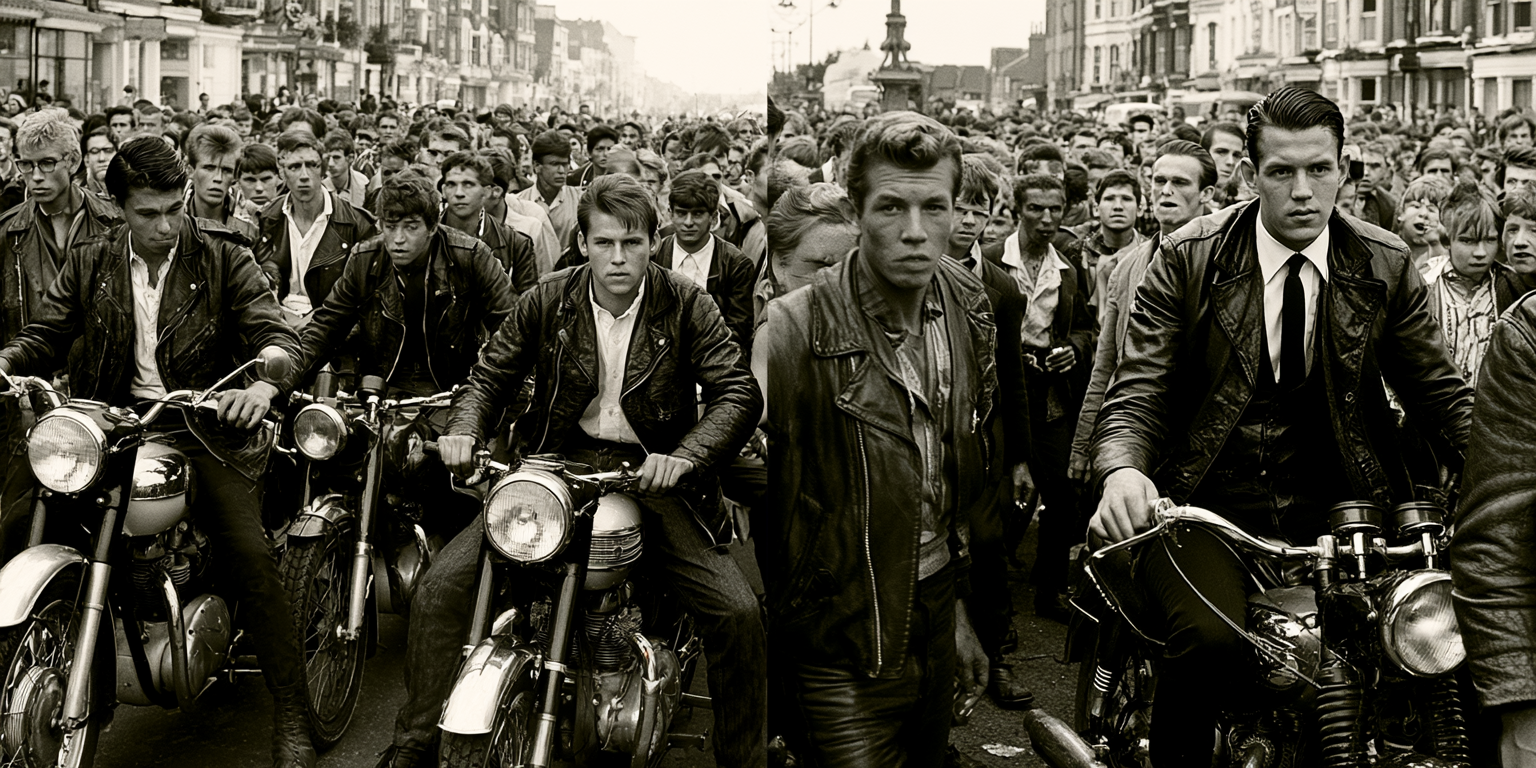
One of the earliest famous British youth subcultures was the divide between Mods and Rockers during the 1960s.
Mods embraced Italian scooters, tailored fashion, soul music and modernity. Rockers preferred motorcycles, leather jackets and rock and roll.
The rivalry became heavily amplified by media coverage, creating moral panic headlines in British newspapers.
Brands quickly learned these groups represented highly identifiable audiences.
Scooter manufacturers such as Vespa became deeply associated with Mod culture, while leather jacket brands and motorcycle manufacturers became intertwined with Rocker identity.
What mattered was not simply the product itself.
It was what ownership symbolised.
This aligns closely with Social Identity Theory (Tajfel & Turner, 1979), which suggests individuals derive part of their self-concept from membership within social groups.
Buying certain brands becomes a form of tribal membership.
Sound familiar?
It should.
Modern sneaker culture works in remarkably similar ways.
Punk and Anti-Brand Branding
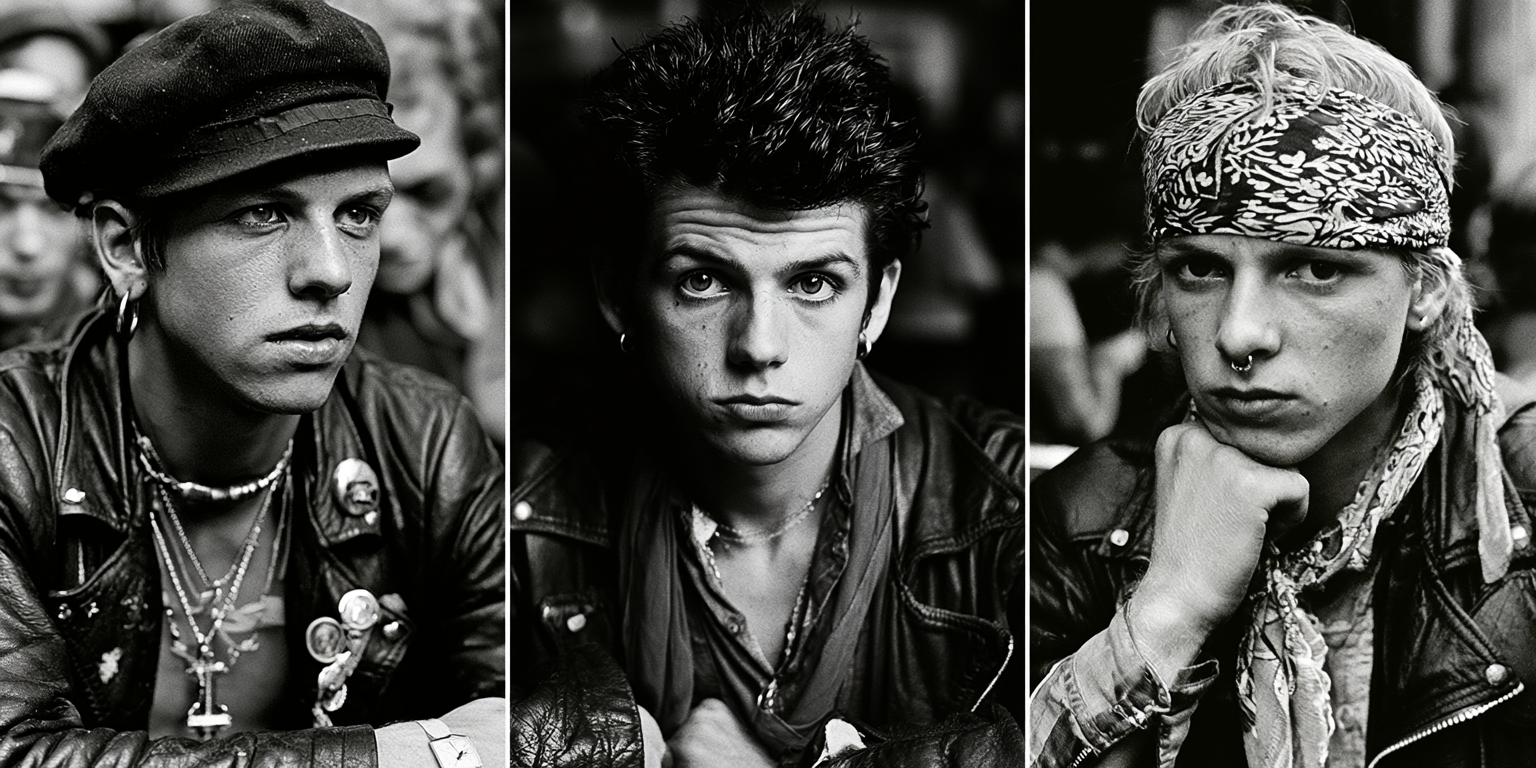
Punk culture emerged during the mid-1970s as an aggressive rejection of mainstream society.
Ironically, it eventually became highly commercialised.
The aesthetics of punk – DIY graphics, ripped clothing, provocative slogans – became enormously influential in fashion and advertising.
Few figures illustrate this contradiction better than Vivienne Westwood and Malcolm McLaren. Their boutique SEX in London helped shape punk fashion while simultaneously commercialising rebellion itself.
This highlights an enduring marketing paradox:
Consumers often seek individuality through mass-produced products.
By the 1980s and 1990s, countless brands were borrowing punk aesthetics to appear edgy and authentic. Even global corporations began using anti-establishment messaging.
The problem?
Once rebellion becomes mainstream advertising, it can lose authenticity.
This phenomenon is closely linked to what marketers now call cultural appropriation or subculture harvesting – where brands extract visual styles and behaviours without understanding the deeper cultural meaning behind them.
And consumers are getting increasingly good at spotting it.
Hip-Hop and the Transformation of Brand Culture
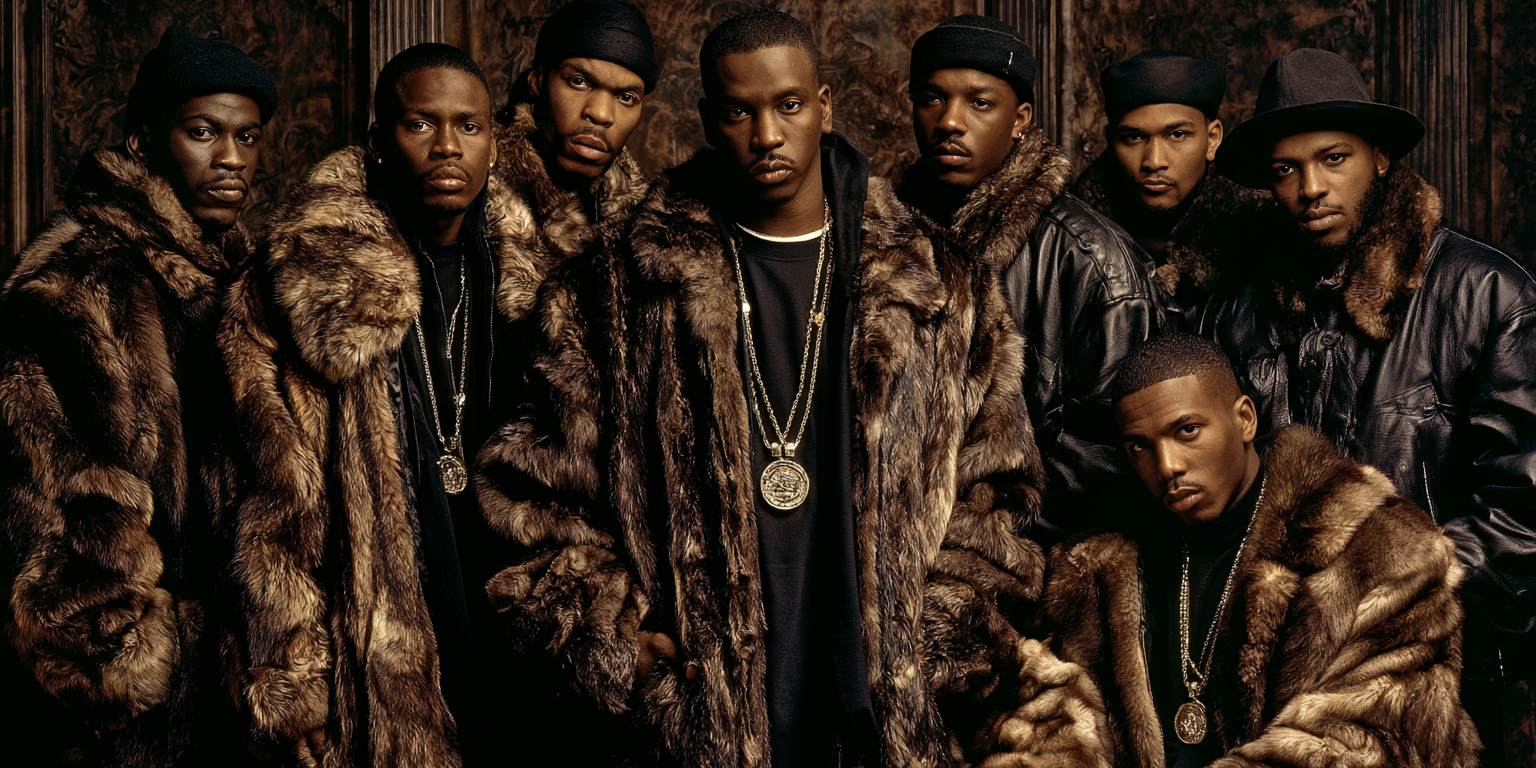
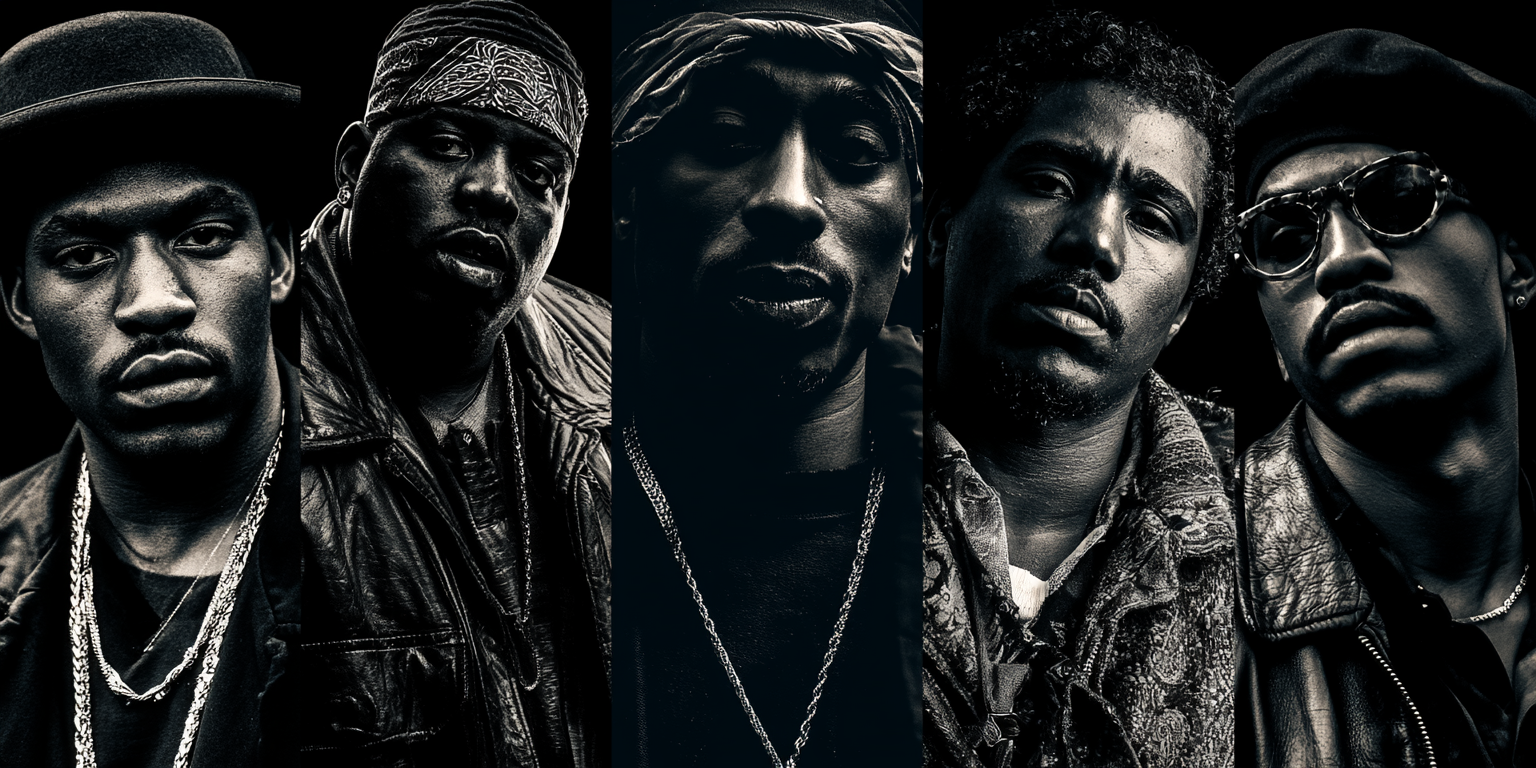
Few subcultures have influenced global marketing as profoundly as hip-hop.
Emerging from the Bronx during the 1970s, hip-hop began as a cultural movement encompassing music, graffiti, DJing, breakdancing and street fashion.
Initially, many major corporations viewed hip-hop as risky or undesirable.
That changed rapidly.
Brands realised hip-hop represented cultural influence, particularly among younger audiences.
One of the most important moments came when Nike embraced basketball and hip-hop culture simultaneously through partnerships with Michael Jordan.
Air Jordans became far more than sports shoes.
They became cultural symbols.
This was not simply celebrity endorsement. It was cultural integration.
Likewise, brands such as Adidas benefited enormously from associations with groups like Run-D.M.C., whose famous track My Adidas helped cement the relationship between streetwear and identity.
Interestingly, Run-D.M.C. secured one of the first major music endorsement deals after Adidas executives witnessed fans holding trainers in the air at concerts.
That moment demonstrated something marketers still chase today:
Real cultural adoption.
Not manufactured virality.
Authentic community behaviour.
Skateboarding and the Power of Authenticity
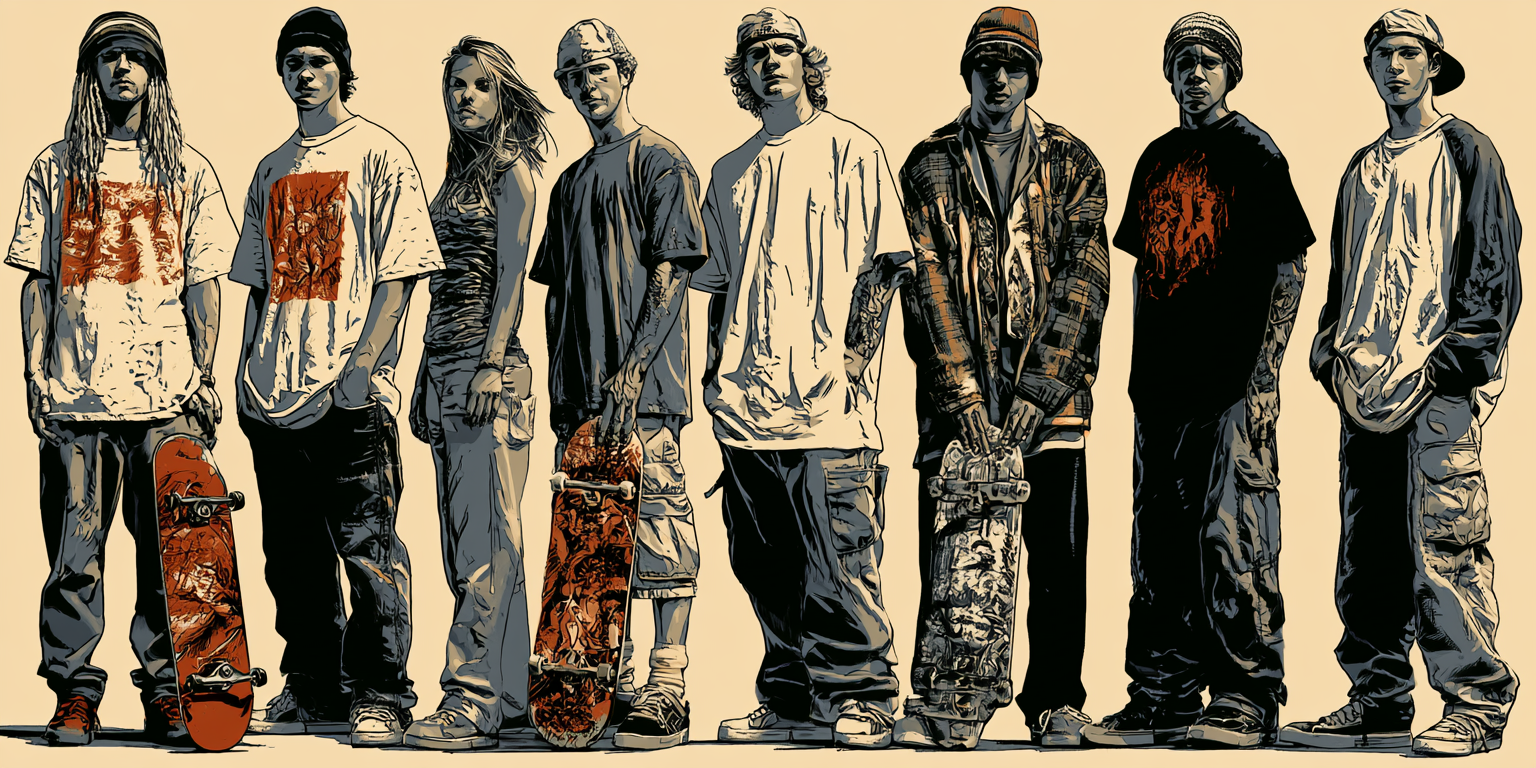
Skateboarding culture provides another fascinating case study.
For years, skate culture existed largely outside the mainstream. It carried anti-corporate attitudes and strong community identity.
Brands that attempted to enter the scene without credibility often failed.
Meanwhile, brands genuinely rooted within skate culture thrived.
The brand earned legitimacy organically.
This aligns with the concept of consumer culture theory (Arnould & Thompson, 2005), which explores how consumers actively shape brand meaning rather than passively receiving it.
Consumers are not simply audiences.
They are co-creators of brand identity.
This explains why some marketing campaigns feel painfully forced.
A brand cannot simply declare itself part of a culture.
The culture decides.
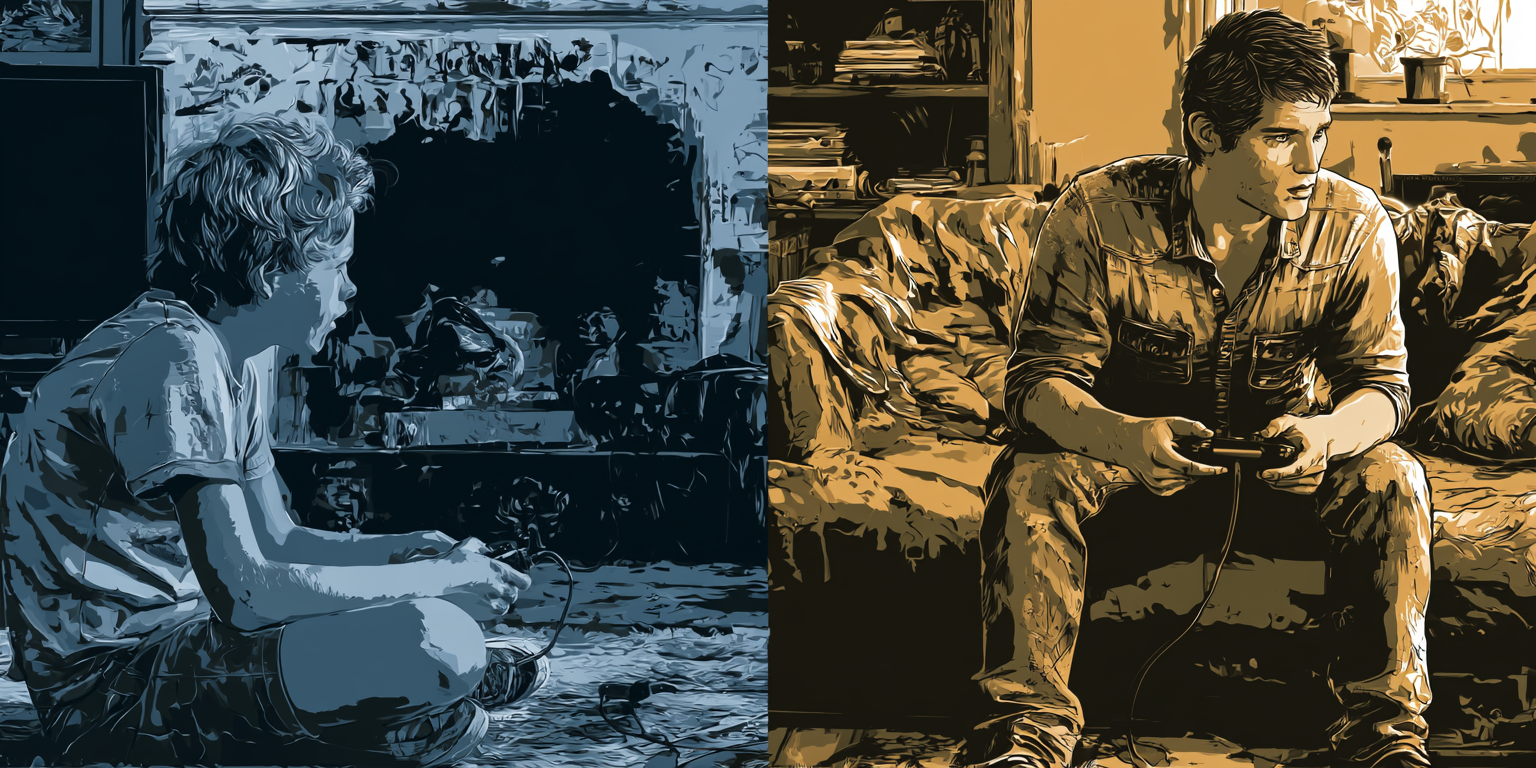
Gaming Subcultures and the Rise of Digital Tribes
Today’s subcultures increasingly exist online.
Gaming communities, anime fandoms, cryptocurrency groups, wellness communities, sneaker collectors and even niche TikTok aesthetics function like modern tribes.
In some cases, they are more powerful than traditional demographics.
A 55-year-old football fan and a 19-year-old football fan may have more in common culturally than two 19-year-olds with entirely different interests.
This reflects a major shift in marketing:
Psychographics increasingly matter more than demographics.
Brands such as Red Bull have mastered this approach by embedding themselves across multiple subcultures including gaming, esports, extreme sports and music.
Rather than simply selling drinks, Red Bull sells participation in energetic, high-performance lifestyles.
Likewise, Discord became successful largely because it understood online communities before many traditional social platforms did.
It was not trying to appeal to everybody.
And that was precisely the point.
When Brands Get Subcultures Wrong
Not every attempt succeeds.
Some of the biggest marketing failures happen when brands misunderstand the culture they are trying to engage.
One famous example came when Pepsi released the Kendall Jenner protest advert in 2017.
The campaign attempted to align itself with activist culture and social justice movements.
Instead, it was criticised for trivialising genuine protest movements and reducing complex political struggles to soft drink advertising.
The backlash was swift and brutal.
Why?
Because subcultures are built on shared meaning and lived experiences. When brands appear opportunistic, audiences often react aggressively.
Modern consumers are highly culturally literate.
Especially younger audiences raised online.
They can distinguish between participation and exploitation remarkably quickly.
The Rise of Micro-Subcultures
Social media has accelerated the fragmentation of culture.
Previously, mass media created relatively unified national conversations.
Today, algorithms create highly personalised cultural worlds.
People now exist within overlapping micro-subcultures:
- Cottagecore
- GymTok
- BookTok
- Vinyl collectors
- Retro gaming enthusiasts
- Minimalist design communities
- Formula One fan culture
- Biohacking groups
- Sustainability communities
- Dog nutrition communities
Yes, even raw feeding has become something resembling a subculture.
That is partly why brands such as Paleo Ridge and Meat For Dogs resonate so strongly with certain audiences. They are not merely selling products; they are participating in a broader belief system around health, nutrition and distrust of ultra-processed foods.
Subcultures often emerge around shared frustrations with mainstream alternatives.
That pattern repeats throughout history.
Why Subcultures Matter More Than Ever
The old mass-marketing model is becoming less effective.
Modern consumers increasingly seek belonging, identity and community.
Brands that understand cultural nuance can build astonishing loyalty.
But the key lesson is this:
You cannot fake your way into a subculture.
Authenticity matters because communities are incredibly skilled at detecting outsiders attempting to monetise them.
The strongest brand relationships often happen when companies genuinely contribute value to the culture itself.
That may involve:
- Supporting events
- Collaborating with respected figures
- Understanding the language and history
- Participating consistently over time
- Allowing the community to shape the brand organically
In other words, marketers need to stop thinking purely like advertisers and start thinking more like anthropologists.
Or at the very least, spend less time in boardrooms and more time understanding actual people.
Which, admittedly, is occasionally terrifying.
TL;DR
Subcultures are smaller cultural groups formed around shared identities, interests, values and aesthetics. From Mods and Punks to hip-hop, skateboarding and online gaming communities, subcultures have shaped consumer behaviour for decades.
Academic theories from scholars such as Dick Hebdige, Pierre Bourdieu and Tajfel & Turner help explain why brands become symbols of identity and belonging.
The most successful brands do not simply advertise to subcultures – they become embedded within them authentically. Nike with hip-hop, Vans with skateboarding and Red Bull with extreme sports all demonstrate how cultural integration creates loyalty.
But brands that misunderstand or exploit subcultures often face backlash, particularly in the age of social media where audiences quickly detect inauthenticity.
Modern marketing increasingly revolves around understanding tribes, communities and cultural identity rather than simply targeting broad demographics.