
How I Became a Marketer
A slightly unconventional journey through music, cattle stations, nightclubs, paper mills, dog food and, eventually, Marketing Made Clear.
If you had told me when I was 16 that I would eventually become a Marketing Director, complete an MA in Marketing Management and an MBA, and then spend a considerable amount of my spare time writing and talking about marketing, I would probably have assumed that something had gone terribly wrong.
At that point, there was really only one career plan.
I was going to be a rock star.
Marketing wasn't even Plan B. I didn't know enough about marketing for it to qualify as a plan at all.
Looking back, however, I've realised that I was learning about marketing long before I knew what to call it.
- I learned about audiences by trying to get people to gigs.
- I learned about promotion because empty venues are fairly depressing places to play.
- I learned about brands from record labels and club culture.
- I learned about stakeholder management while travelling around the world with DJs and promoters.
- Later, I learned the academic theory that explained why some of those things worked.
And then I spent the next couple of decades discovering how differently those same principles behave when you apply them to charities, multinational companies, ecommerce businesses, supermarkets, sustainable products and dog food.
So this isn't really a conventional CV.
It's the story of how a fairly unacademic, music-obsessed teenager somehow ended up making marketing his career.
And, ultimately, why Marketing Made Clear exists.
Prefer listening?
If you don't fancy reading my entire backstory, the introductory Marketing Made Clear podcast episode covers some of this journey too.
Before Marketing: I Was Going to Be a Rockstar
Music was probably my first real obsession.
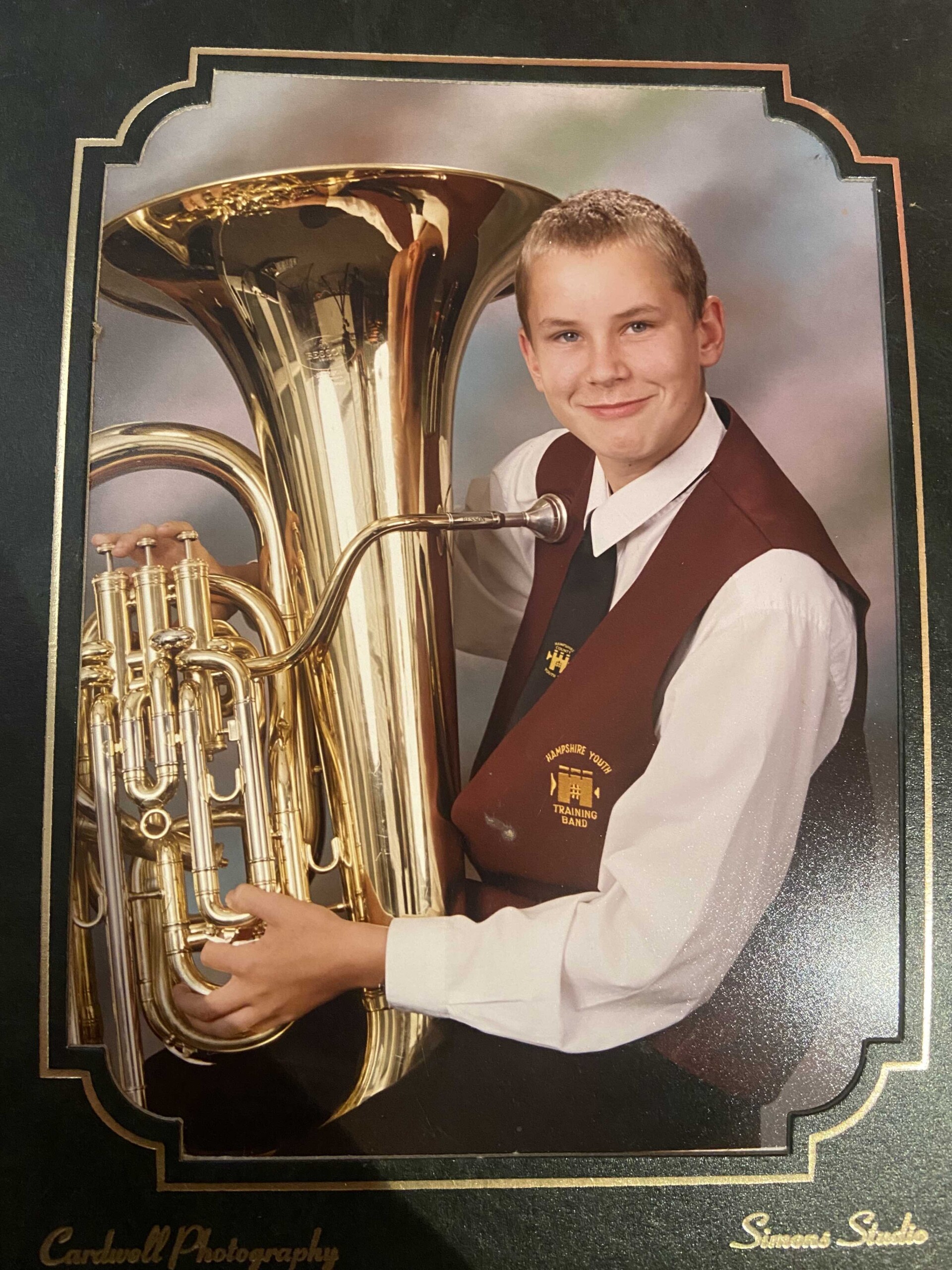
I grew up surrounded by it and tried my hand at a frankly unnecessary number of instruments: trumpet, tuba, drums, bass guitar and various others with differing degrees of success.
My musical education was initially quite traditional.
I played in orchestras and brass bands and became part of the Hampshire County Youth Bands system. My tuba teacher, Leighton Rich, was also conductor of the main county band and was hugely influential on me, including through stories of his involvement with events such as the Sydney Olympics and professional musicianship.
At the time, I thought I was simply learning to play music.
Looking back, I was learning considerably more.
An orchestra teaches you very quickly that being individually brilliant isn't enough. You have to listen. You have to know your part. You have to understand how your part relates to everyone else's. Sometimes your job is to be loud; sometimes your job is to sit there counting 84 bars while somebody else gets all the interesting bits.
There are probably worse introductions to teamwork.
And carrying a tuba around also teaches resilience, although mostly in the shoulders.

I didn't particularly like school
I had some excellent teachers and I don't look back on education quite so negatively now. At the time, though, the rigid structure of school and college didn't suit me at all.
I struggled to engage with subjects that didn't grab my attention. Reading and retaining large volumes of information was difficult. I could throw huge amounts of energy into things I cared about while appearing completely uninterested in everything else.
Years later I would discover that dyslexia was part of that story.
Being diagnosed at university transformed my understanding of how I learn. It also helped explain why traditional education had sometimes felt like trying to run software on the wrong operating system.
Once I understood that, things changed dramatically.
That experience has stayed with me throughout my career and is one of the reasons I care so much about explaining marketing clearly rather than making simple ideas sound complicated merely to demonstrate how clever we all are.
Read the deeper story What I Learned From... Growing Up With Dyslexia How understanding the way I learn changed my academic confidence and later shaped the way I communicate. →At 16, though, none of that had happened.
As far as I was concerned, education was simply getting in the way of becoming a professional musician.
Which was inconvenient, because nobody appeared to have informed the music industry that I had already chosen my career.
From Classical Music to Rock and Metal
Towards the end of secondary school, I started playing contemporary music with friends.
This was a revelation.
I enjoyed classical music, but this was different. Suddenly I wasn't just playing music because it was on a stand in front of me. I was playing music that I actually listened to.
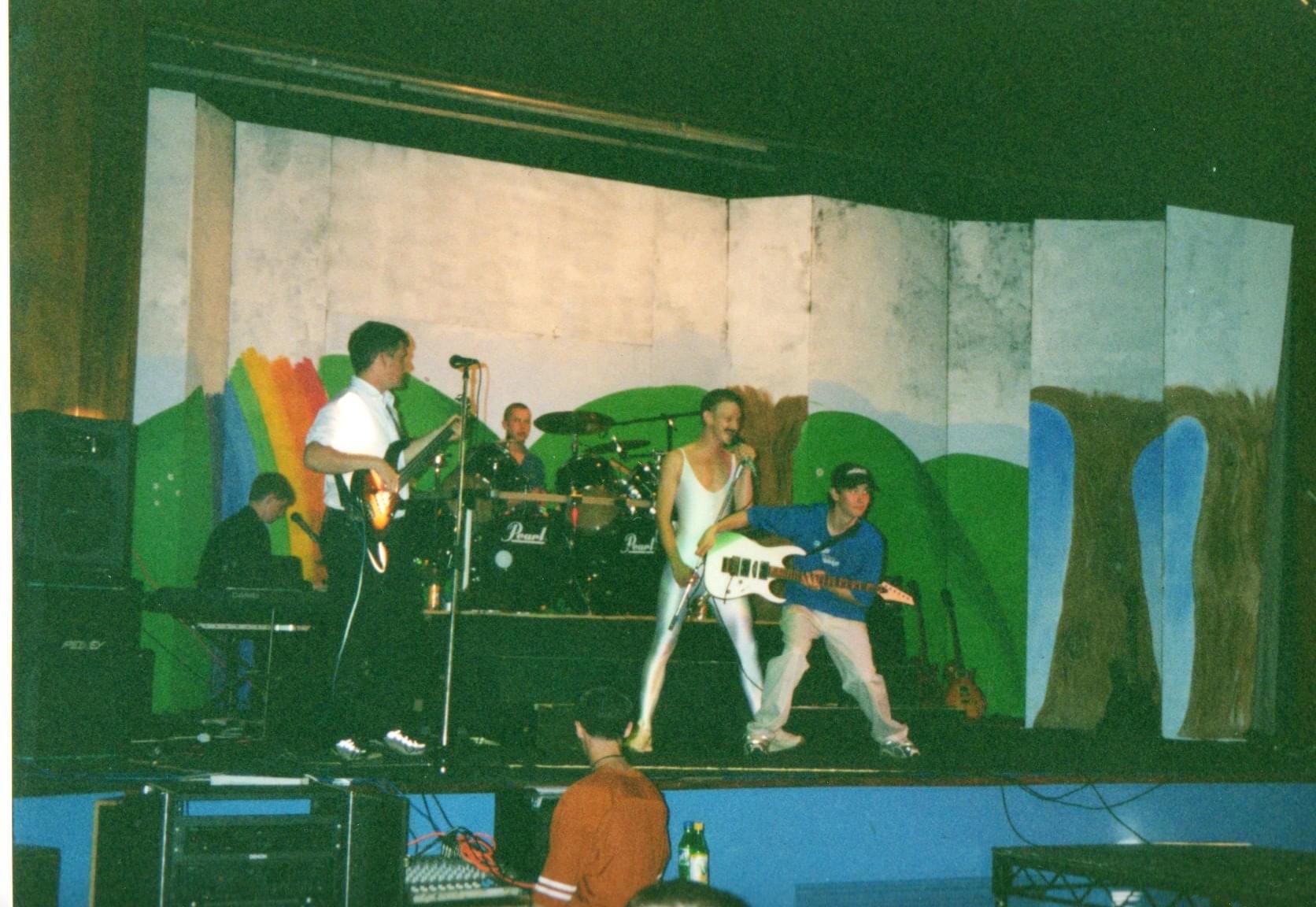
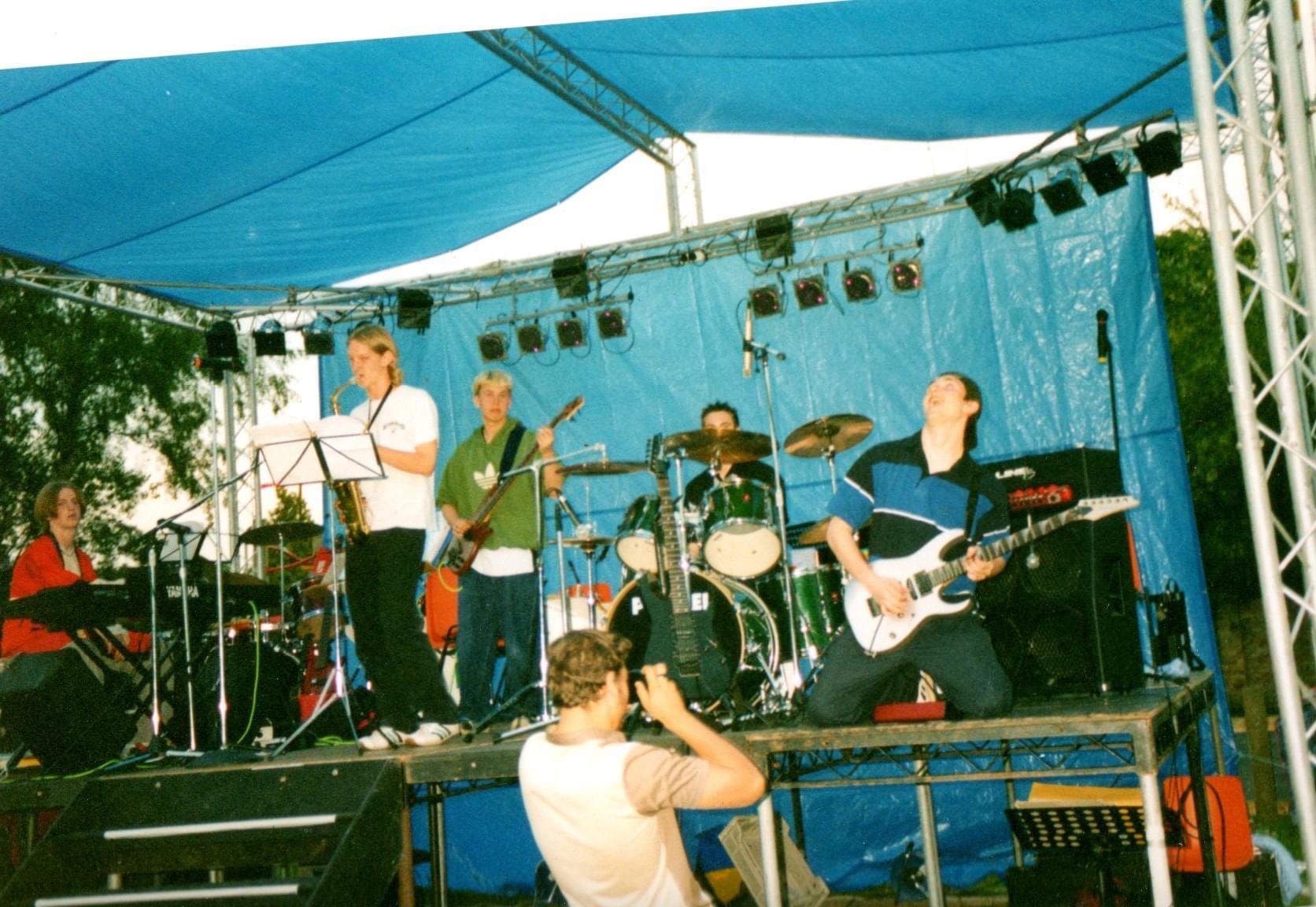
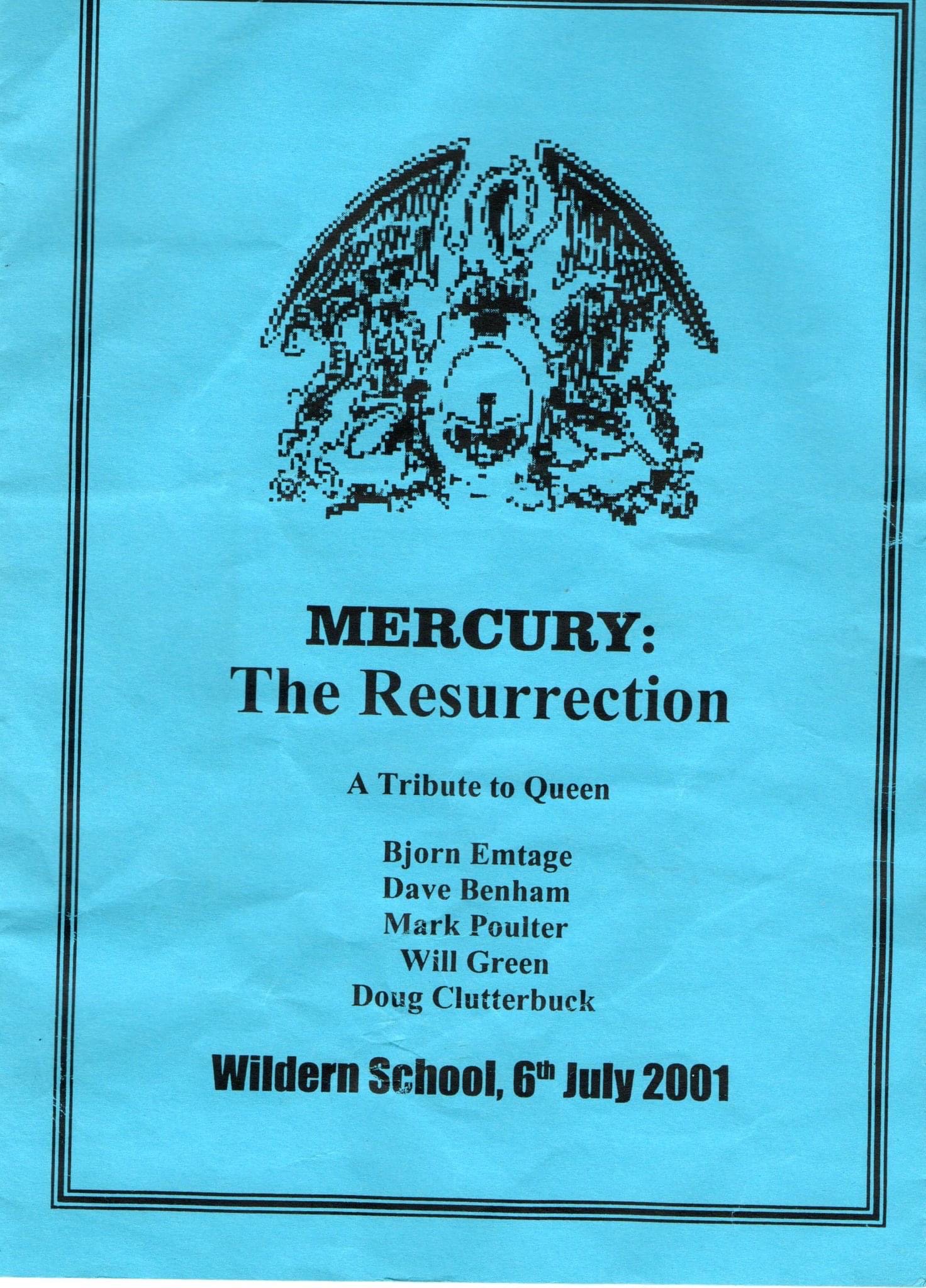
A group of us put together a Queen tribute band when we were around 16.
And we didn't just learn a few songs.
We rehearsed a full show.
We recruited additional musicians. We found a sound engineer. Friends helped with stage crew and ticketing. We created programmes. We designed and distributed posters and leaflets. We found a venue.
And then we had to persuade people to turn up.
Without knowing it, we'd created a product, built promotional assets, organised distribution and attempted to generate demand.
It was my first proper marketing campaign.
I just thought we were putting on a gig.

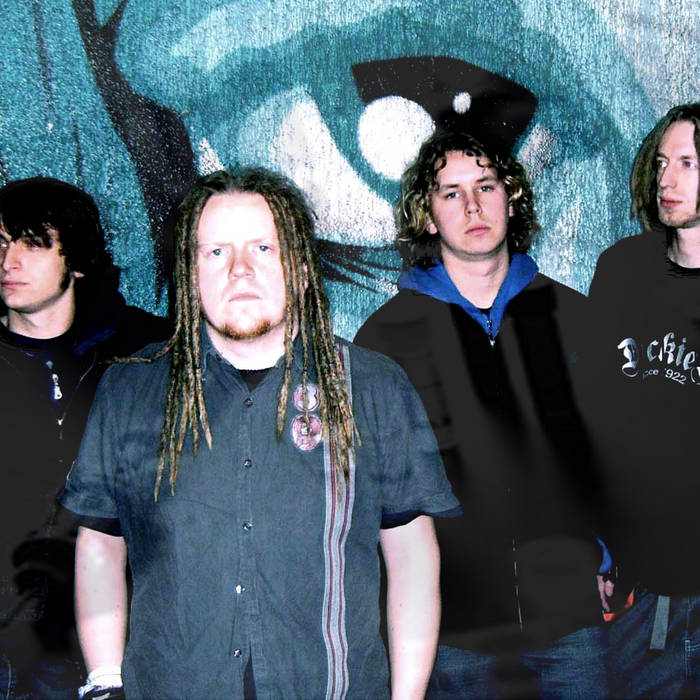
During college I joined heavier bands, including Modular Series and later Amoki.
Playing heavier music felt like another step towards the world I actually wanted to inhabit.
But local bands discover something very quickly:
Venues care whether people turn up.
Promoters care whether people buy tickets.
Record labels care whether there is evidence that people beyond your immediate friendship group actually want what you're making.
Your audience becomes part of the product's value.
We were flyering, networking, building relationships with promoters, persuading friends to travel, trying to create a following and doing what would now be described quite comfortably as community building, guerrilla marketing and relationship marketing.
We didn't use any of those words.
We just wanted the room to be full.
Long before I'd studied segmentation, targeting or positioning, I was already experiencing one of marketing's most basic truths:
Read the deeper story
What I Learned From... Growing Up Loud: My Years in Rock and Metal Bands
The longer story of musicianship, ambition, teamwork and discovering
audience-building before I knew it was marketing.
→
The Cattle Station That Changed the Direction of Everything
After college I moved back to Australia, where I was born.
Through a fairly extraordinary set of circumstances, I ended up volunteering on Mount Elizabeth Station in the Kimberley region of Western Australia.
Calling it remote doesn't really do it justice.
This was a cattle station in a part of Australia where distances take on a completely different meaning. Broome, the nearest city of any real size, was roughly a day's drive away.
It was physically demanding work in a completely unfamiliar environment.
And it changed me.


The people I met had an extraordinary work ethic. Problems had to be solved because there wasn't always somebody around the corner who could solve them for you.
Communication mattered. Teamwork mattered. Resilience mattered.
It also forced me to think about what I was actually doing with my life.
Until that point, my rough strategy had been to return to Britain, work temporary jobs, put everything I had into bands and somehow make it in music.
There is nothing wrong with that route.
But for the first time I started seriously questioning whether it was the route I wanted.
Australia gave me enough distance - literally and metaphorically - to reconsider university.
And so I returned to Southampton and enrolled on a Popular Music and Record Production degree at Solent University .
There is also a nice circularity to this particular part of the story.
Around ten years after working there, I returned to the Kimberley with Lucy.
It was where I proposed to her.
Some places stay with you.
 Read the deeper story
What I Learned From... Working on a Cattle Station in Remote Western Australia
The full story of Mount Elizabeth, hard labour, work ethic,
resilience and why that experience completely changed my direction.
→
Read the deeper story
What I Learned From... Working on a Cattle Station in Remote Western Australia
The full story of Mount Elizabeth, hard labour, work ethic,
resilience and why that experience completely changed my direction.
→
University - Take Two
My university experience was almost the opposite of my experience at school.
From the outset I loved the practical side of the degree: recording, studios, production and working with musicians.
But something else happened too.
Once I received support for dyslexia and started developing learning techniques that worked for me, I discovered that I actually enjoyed studying.
More importantly, I discovered that I could be good at it.
That was quite a significant change in identity for somebody who had spent much of his teenage years believing academia wasn't really for him.
The next few years were a blur of university life, bands, gigs and tours, including supporting artists I genuinely admired like Skindred and (hed) Planet Earth , among others.
Roadrunner Records
Then came an opportunity that moved me from wanting to work in a band towards understanding the business that sits around bands.
I spent a short period working with Roadrunner Records , helping promote artists including Nickelback, Machine Head and Stone Sour.
For somebody who loved heavy music, Roadrunner wasn't simply another company.
It was one of the labels.
It also gave me my first proper look inside the machinery of the recorded music industry.
Artists might be the visible product, but behind them sat A&R, promotion, distribution, media, touring, brand management, commercial relationships and an extraordinary amount of coordination.
From wanting to be the artist to understanding the machine around the artist
Roadrunner was one of the first places where I began to understand a record label as a business and a brand, not simply the logo printed on the back of an album.
Years later, while writing about Roadrunner United: The All-Star Sessions, I found myself looking back at the label from an explicitly marketing perspective.
Roadrunner United wasn't just an ambitious musical collaboration. It connected artists, audiences and subgenres across the label's roster and strengthened the idea of Roadrunner itself as a community and brand within heavy music.
I couldn't have articulated that at the time.
But I was absorbing it.
 Read the related article
20 Years On: Roadrunner United - The All-Star Sessions Revisited
A retrospective on one of heavy music's most ambitious label
projects and what it says about brand, community and collaboration.
→
Read the related article
20 Years On: Roadrunner United - The All-Star Sessions Revisited
A retrospective on one of heavy music's most ambitious label
projects and what it says about brand, community and collaboration.
→
Ministry of Sound: From Music to Business
The next major opportunity came through an apprenticeship with Ministry of Sound .
I spent time in both A&R and Tours & Events.
Again, this was an education.
Ministry of Sound was obviously a music company, but it was also an incredibly powerful brand. Records, club nights, live events and experiences all fed into one another.
I gravitated particularly towards Tours & Events.
After supporting a tour manager on a UK event, I was given more responsibility.
Then more.
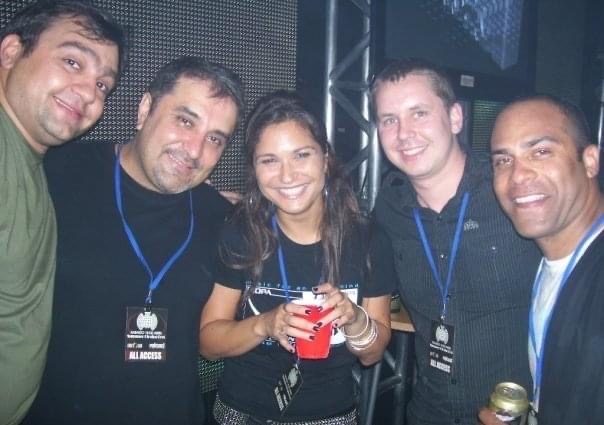
And at 21 I became Ministry of Sound's youngest tour manager, travelling around the UK overseeing events while still studying for my degree.
Which is an unusual student timetable.
Lectures during the week.
Nightclub in another city at the weekend.
Try to keep DJ, promoter, venue and head office happy.
Get home.
Repeat.
Learning Stakeholder Management at 2am in a Nightclub
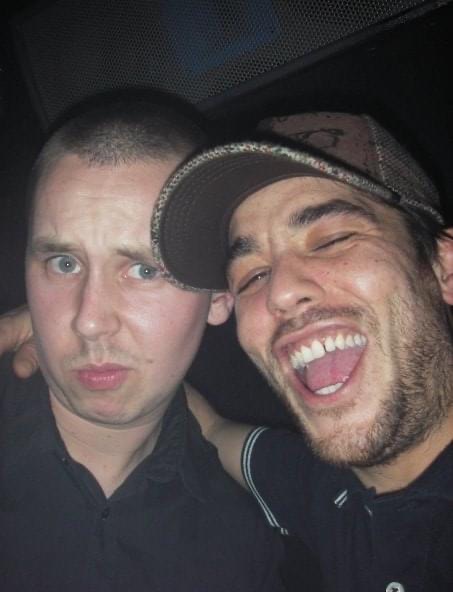
My first international Ministry of Sound event was in Granada.
I travelled with the DJ, worked with the Spanish promoter and, crucially, everything went well.
The event ran properly.
The budget behaved itself.
Everyone got on.
Feedback made its way back to head office and more international events followed.
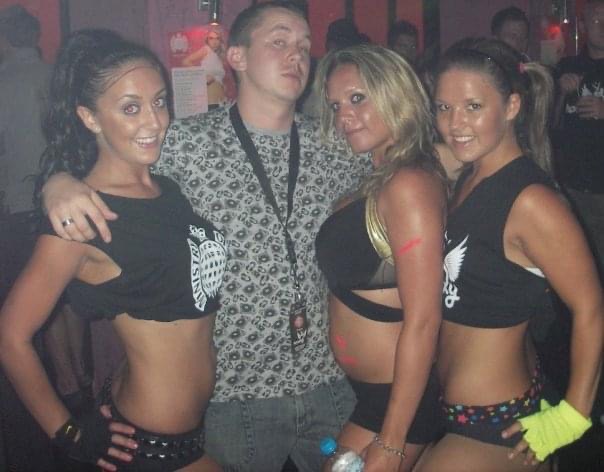
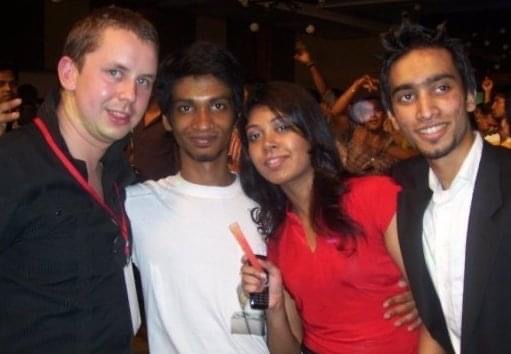
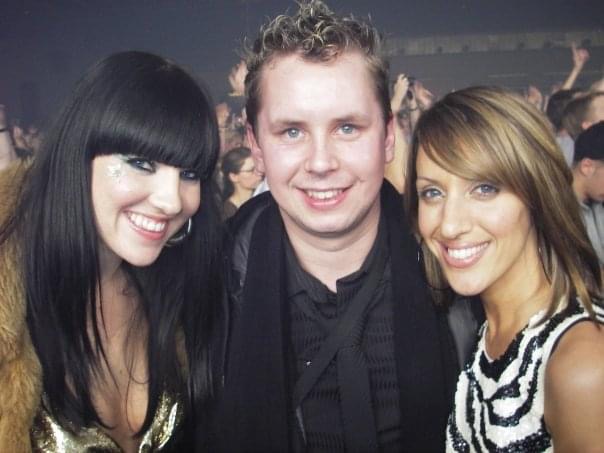
I eventually worked across multiple countries and territories, including Spain, France, Greece, Egypt, Norway, Macedonia, Panama and Bangladesh, alongside events across the UK and Channel Islands.
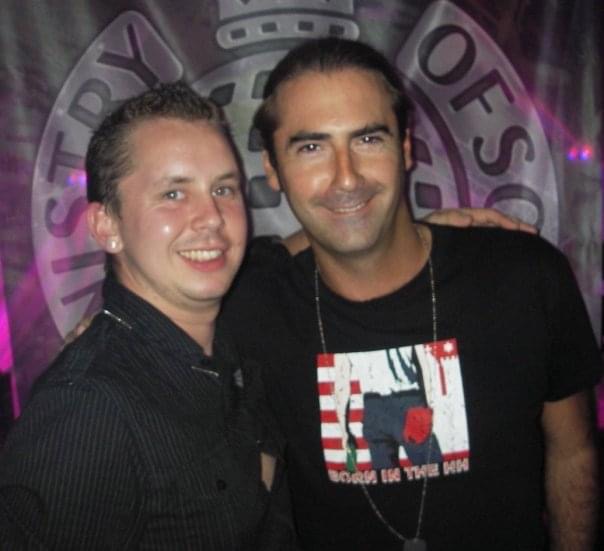

There could be pressure.
There could be alcohol.
There could be large personalities.
There could be logistical problems that needed solving immediately.
But I found that I could get on with almost everybody while still keeping an event organised, on schedule and within budget.
DJs and promoters began requesting me.
And this is where I'll take one of my traditional tangents.
Stakeholder management is massively underrated
People often treat stakeholder management as a slightly dull corporate phrase.
It isn't.
Whether you're managing an international nightclub event, presenting a marketing strategy to a board, working with an agency or trying to get three departments to agree on what should appear on a website, your ability to communicate with people who want different things is incredibly important.
I've always been something of an over-communicator.
Occasionally that's probably annoying.
Professionally, it has generally served me very well.
At Ministry of Sound, I learned it without ever having to sit through a PowerPoint presentation titled Stakeholder Engagement Framework.
And for that, I am eternally grateful.
Watching Artists Market Themselves
Something else started to fascinate me while I was touring.
When we were travelling, successful artists and DJs didn't simply sit around waiting for showtime.
They worked.
And a surprising amount of that work was marketing.
Websites.
Early social media.
Photography.
Interviews.
Content.
Promotion.
Maintaining relationships with audiences.
I particularly remember working with Tara McDonald around an event with David Guetta in Brussels and seeing how seriously she approached content and promotion.
The more I watched, the more interested I became.
I understood advertising.
I understood promotion.
I certainly understood getting people into a venue.
But I didn't yet understand marketing as the bigger discipline connecting everything together.
So I started learning.
"What Actually Is Marketing?"
By the end of my undergraduate degree, the question had become interesting enough that I applied directly for an MA in Marketing Management.
I started the Master's while continuing to work for Ministry of Sound.
That combination was incredibly useful.
During the day, I could learn about consumer behaviour, strategy, research, segmentation or branding.
Then I could look at what was happening inside an actual entertainment business and see versions of those concepts playing out in front of me.
Some of the ideas felt strangely familiar.
I had encountered them before.
I just hadn't known their names.
Marketing theory gave structure and language to things I'd learned instinctively through music.
And that gave me confidence.
From the archive Sample: Consultancy Proposal for Housexy - Ministry of Sound Brand Actual Master's work from 2008, using the Ministry of Sound Housexy brand as a live marketing consultancy project. →Leaving the "Dream Job"
By the end of my Master's, another realisation had arrived.
Tour management wasn't sustainable for me.
People have occasionally asked why somebody would leave a job that involved travelling internationally with DJs and working at major events.
Because from the outside it looked fantastic.
And often it was.
The exhaustion was real
By the time I was finishing my Master's, I was exhausted in a way that is difficult to explain unless you've experienced it.
I was only in my early twenties, but the closest comparison I can make now is the exhaustion I experienced years later when Lucy and I had two young children.
It wasn't simply being tired after a late night.
There was physical exhaustion. Tour management involved long days, long nights, travel, standing for hours, moving around venues and repeatedly working at the exact time your body expected to be asleep.
There was mental exhaustion. I was the person responsible for the event from my side. The DJ, promoter, venue, timings, budget, transport, guest lists, problems and whatever unexpected thing had just happened all ultimately became things I had to think about.
There was emotional exhaustion. I spent huge amounts of time away from friends and family, often in another city or another country, while everybody else's normal life carried on at home.
And then there was straightforward sleep deprivation. Late finishes, flights, trains, transfers and journeys home meant that one working day could very easily blur into the next.
I loved huge parts of the job. I had experiences I will never forget.
But I was running on empty.
For somebody who had spent years determined to avoid a conventional job, a Monday-to-Friday desk suddenly sounded absolutely magnificent.
At the same time, marketing had become the subject I genuinely wanted to pursue.
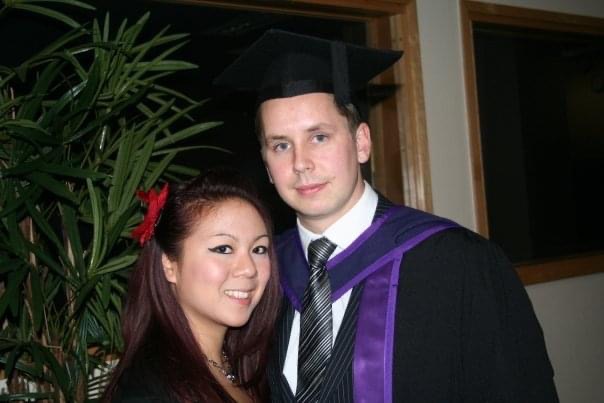
I completed the MA strongly and received the Lawtons Award for best full-time student.
That meant a lot.
Not simply because it was an academic award, but because of where I had started.
The teenager who had effectively written himself off academically had just finished a Master's and received an award for it.
Education had gone from something I resisted to something that had fundamentally changed my life.

And now I needed an actual marketing job.
YMCA Fairthorne Manor: Becoming a Marketer
Sometimes timing works.
Just as I wanted to leave London, leave touring and start a proper marketing career, a Marketing Coordinator role appeared with YMCA Fairthorne Group .
Fairthorne Manor wasn't unfamiliar to me.
I'd attended as a child, volunteered there as a teenager and had family connections with the charity.
So moving into marketing there felt strangely like coming home.
More importantly, the team gave me room to learn.
I worked across different areas of marketing, developed materials and channels, experimented creatively and - inevitably - made mistakes.
That last part mattered.
Theoretical knowledge only gets you so far.
You have to apply it.
Sometimes what looks perfectly logical in a textbook doesn't work particularly well once actual customers, budgets, colleagues and organisational realities become involved.
The YMCA gave me a relatively safe environment in which to make that transition.
I remain enormously grateful to Jim Hooper and the wider team for the opportunity and for the friendships that came from it.
Marketing without much money
The timing coincided with the aftermath of the financial crisis.
Budgets weren't generous.
That meant finding creative ways to make activity work without simply solving every problem by spending more money.
That has probably influenced my approach ever since.
I'm not against large marketing budgets.
I'm against large marketing budgets without a convincing explanation of what they're expected to achieve.
There is a difference.
Arjowiggins: Eight Years That Made Me a Much Better Marketer
In 2011 I left the charity sector and joined Arjowiggins Graphic.
I initially joined in a marketing role, but it quickly became obvious that my digital experience filled an important skills gap.
That opened the door to specialising more deeply in digital marketing and eventually taking on broader responsibility.
I was fortunate to have a brilliant marketing mentor in Angela De Vorchik , who helped me adapt to a more corporate environment and encouraged me to keep learning.
So I did.
SEO.
PPC.
CRO.
Social media.
Front-end development.
Web development.
Analytics.
And continued professional development through the Chartered Institute of Marketing .
I even studied front-end development specifically because I wanted to understand developers well enough to have better conversations with them.
I didn't particularly want to become a developer.
I wanted to stop being the marketer asking a developer whether they could "just make the button do the thing".
There's a useful distinction.
Learning to Market Something People Think Is Boring
Arjowiggins also taught me one of the great marketing lessons.
Almost nothing is intrinsically boring once you understand the audience.
Paper sounds simple.
It isn't.
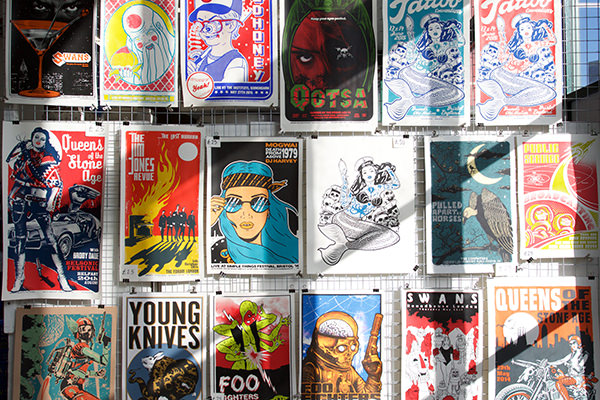
Different users care about completely different things: designers, printers, procurement teams, publishers, sustainability professionals and corporate buyers can all evaluate the same sheet of paper using different criteria.
Weight.
Whiteness.
Opacity.
Print performance.
Environmental credentials.
Texture.
Certification.
Cost.
Availability.
Suddenly the humble sheet of paper becomes a segmentation problem.
And that was fascinating.
 Read the deeper story
What I Learned From... Eight Years in the Paper Industry
Differentiation, segmentation and the surprisingly complex
business of marketing a product most people assume is a commodity.
→
Read the deeper story
What I Learned From... Eight Years in the Paper Industry
Differentiation, segmentation and the surprisingly complex
business of marketing a product most people assume is a commodity.
→
Recycled Papers, Digital Growth and Awards
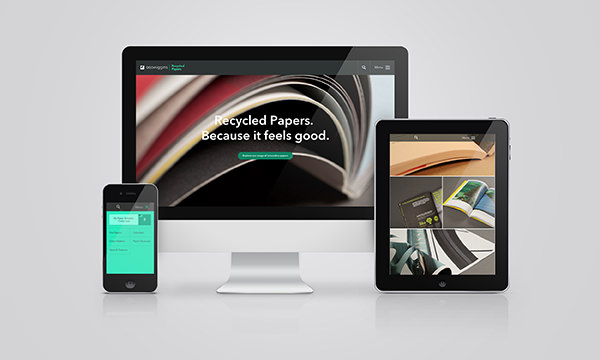
One of the projects I'm still most proud of from this period was the recycled papers platform.
We developed a dedicated digital proposition targeted at UK designers and printers.
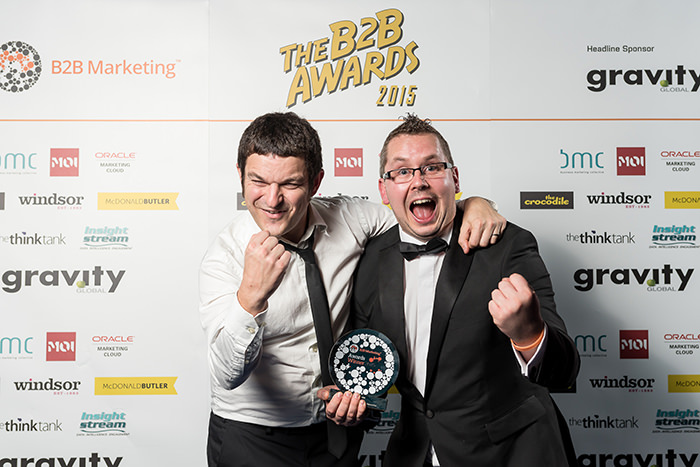
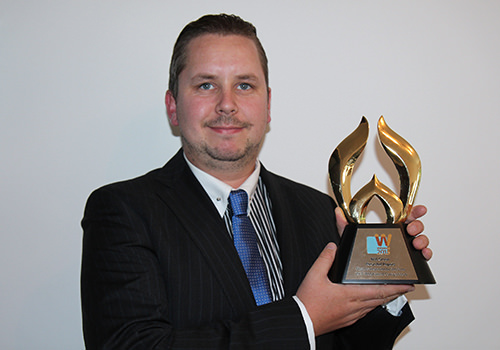
The work went on to receive multiple industry awards, including recognition at the B2B Marketing Awards and W3 Awards .

Success in the UK opened up wider opportunities within the group.
My role increasingly crossed borders.
Paris became a regular part of working life.
I supported international events.
I travelled to partners in places such as Slovenia and Barcelona to produce video and social content.
And I became involved in the redevelopment of websites across the wider group.
Working within a multinational company also taught me something marketing textbooks can sometimes make look much easier than it is:
Culture changes how organisations work.
It changes communication.
It changes meetings.
It changes relationships.
And sometimes it changes how long lunch lasts.
 Read the deeper story
What I Learned From... Working In Paris
What a British marketer learned about culture, relationships,
business and lunch inside a French paper giant.
→
Read the deeper story
What I Learned From... Working In Paris
What a British marketer learned about culture, relationships,
business and lunch inside a French paper giant.
→
Sustainability Before It Became a Corporate Buzzword
My interest in environmental issues predates my career.
I grew up playing in woods, building dens, lighting fires - hopefully in a reasonably responsible way - and even being paid by my parents to help coppice woodland.
So when opportunities arose at Arjowiggins to work around recycled papers, environmental communication and CSR, they fitted naturally.
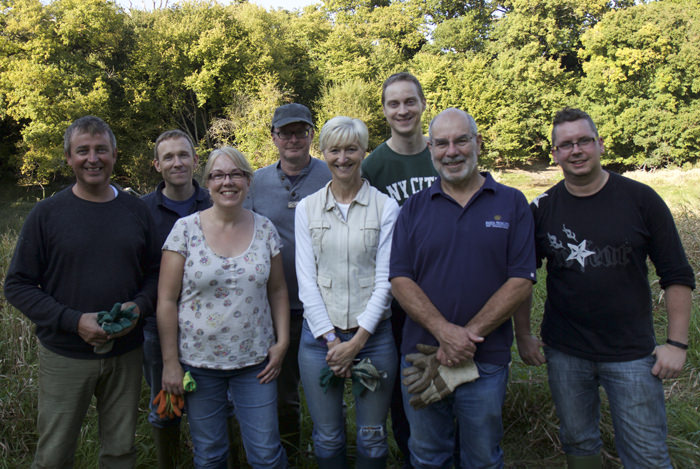
I was also asked to help lead annual CSR activities, where colleagues either raised money for charities or gave their time to environmental work.
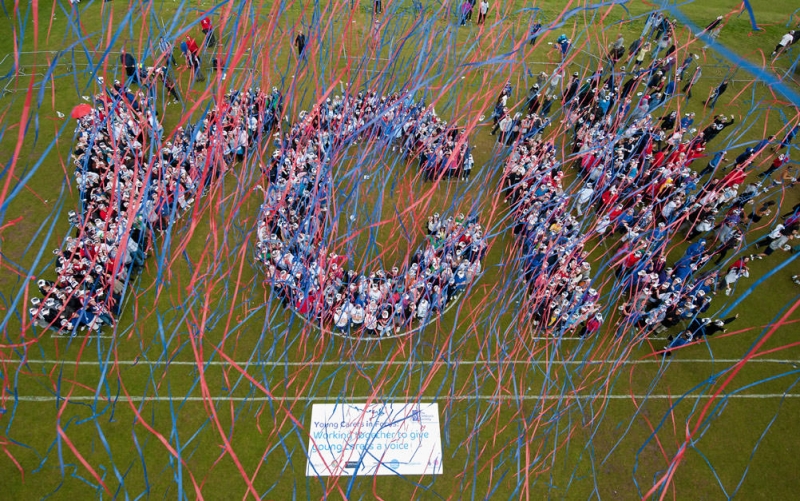
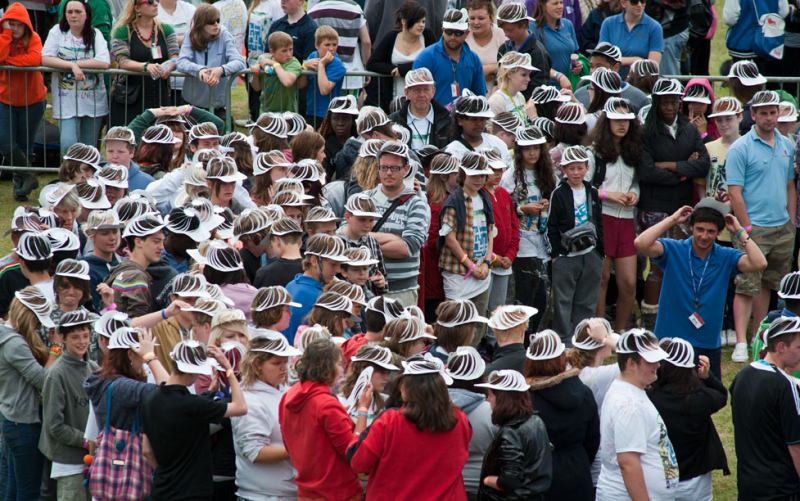
One particularly silly but memorable crossover between my YMCA and Arjowiggins worlds involved the Young Carers Festival.
We successfully attempted a Guinness World Record for the most people wearing paper hats - holding the record for about a year.
Because sometimes marketing careers involve board meetings.
And sometimes they involve trying to persuade hundreds of people to put paper on their heads.
Music Finds Its Way Back In
While my career at Arjowiggins became increasingly corporate and international, music slowly found its way back into my life.
I started playing in function bands.
I began volunteering with Festival Medical Services .
And suddenly I was back around festivals - albeit in a rather different capacity.
Festival Medical Services
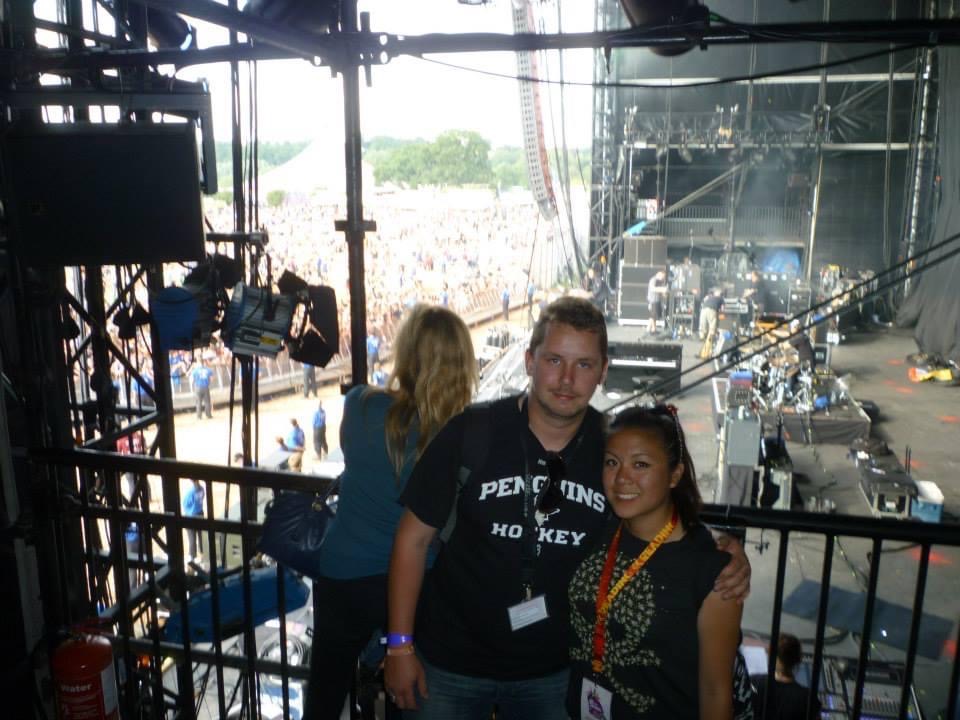
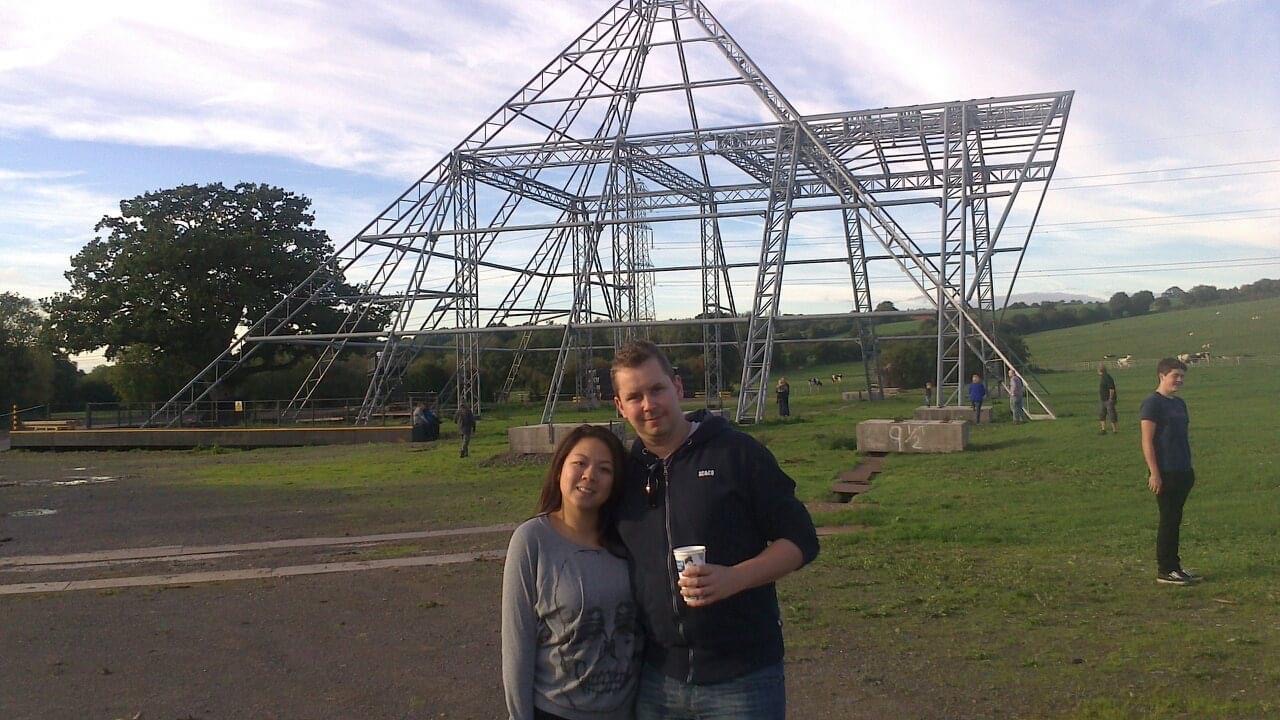
For three years I worked as a Doctors Coordinator with Festival Medical Services, supporting medical provision at events including Glastonbury and Reading Festival .
It was an extraordinary organisation to become involved with.
Festivals might look like entertainment from the outside, but behind the scenes they are temporary cities.
Thousands upon thousands of people arrive.
Infrastructure appears.
Medical services have to operate.
Professionals and volunteers with wildly different backgrounds have to work together under conditions that can change rapidly.
And then, days later, most of it disappears again.


After my period as Doctors Coordinator, I stood for election as a Trustee and was appointed.
The timing proved rather significant.
Covid arrived.
For an organisation rooted in mass gatherings and live events, the pandemic created an existential challenge.
Being involved in the charity through that period gave me a very different perspective on governance, resilience, risk and organisational purpose.
It also reinforced something I've seen repeatedly throughout my career:
When everything is growing and everybody has money, almost every strategy looks clever.
Pressure reveals rather more.
Learning to Write
Another slightly strange part of this period eventually became very important to Marketing Made Clear.
I decided I needed to become a better writer.
Being dyslexic, I'd always found aspects of written communication harder than verbal communication.
Marketing, unfortunately, has a habit of requiring quite a lot of writing.
So I deliberately found reasons to practise.
Go to gigs. Get press access. Come home. Write about them.
I volunteered as a gig reviewer for Listed Magazine, which meant going to concerts as press and writing reviews of artists including Alter Bridge, UB40, Black Label Society and Frank Turner.
Not a bad way to practise copywriting.
I also received support and advice from PR professionals and agencies, including Another Word , helping me understand how to build better press releases and communicate stories more effectively.
It wasn't a particularly long chapter of my career.
But it mattered.
Because years later I would start a website whose entire success depended on my willingness to sit down and write.
A lot.
Volunteering, Football, Sailing and Other Things That Don't Fit Neatly on a CV
Volunteering has appeared repeatedly throughout my life.
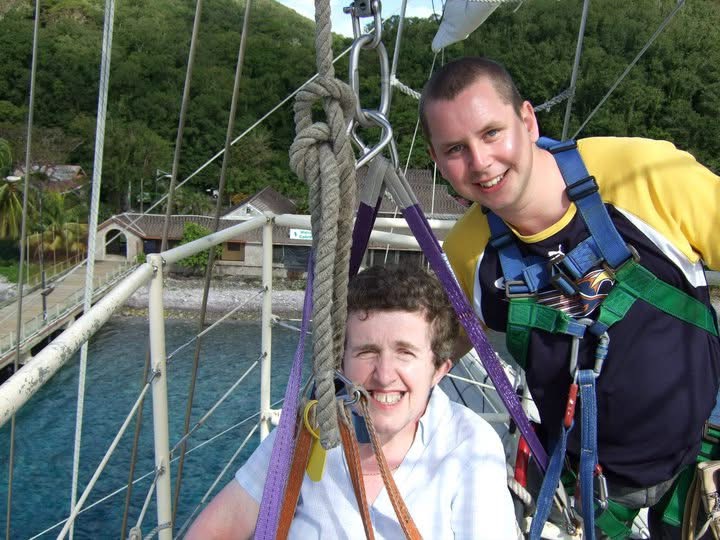
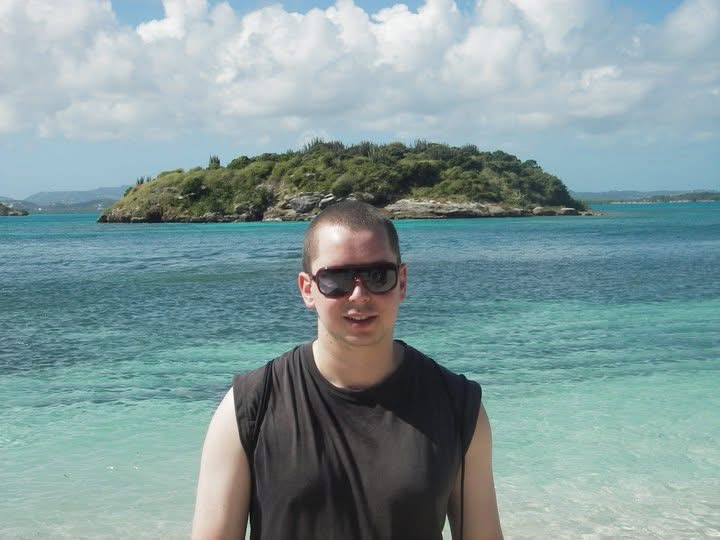
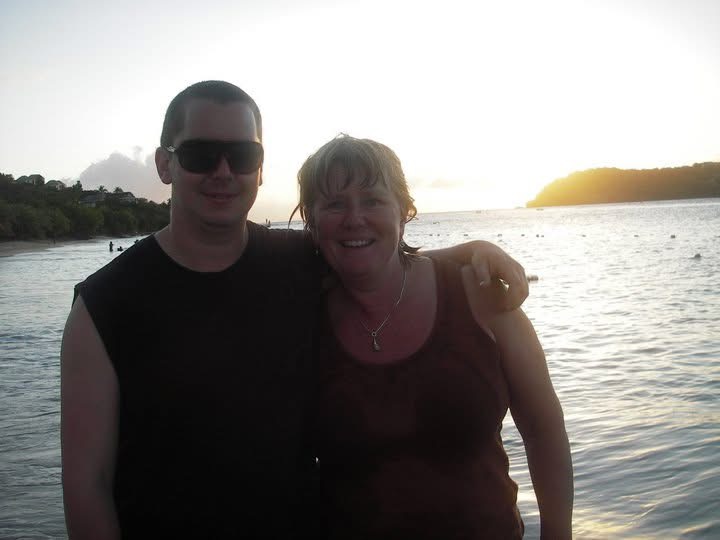
Alongside Festival Medical Services, I volunteered as a Watch Leader with the Jubilee Sailing Trust and had the opportunity to sail in the Caribbean.
I also supported communications around the charity's Australian activity.

I helped Billy and Jade Sharp with marketing for the LJS Foundation following the tragic loss of their son.
And then there was football.
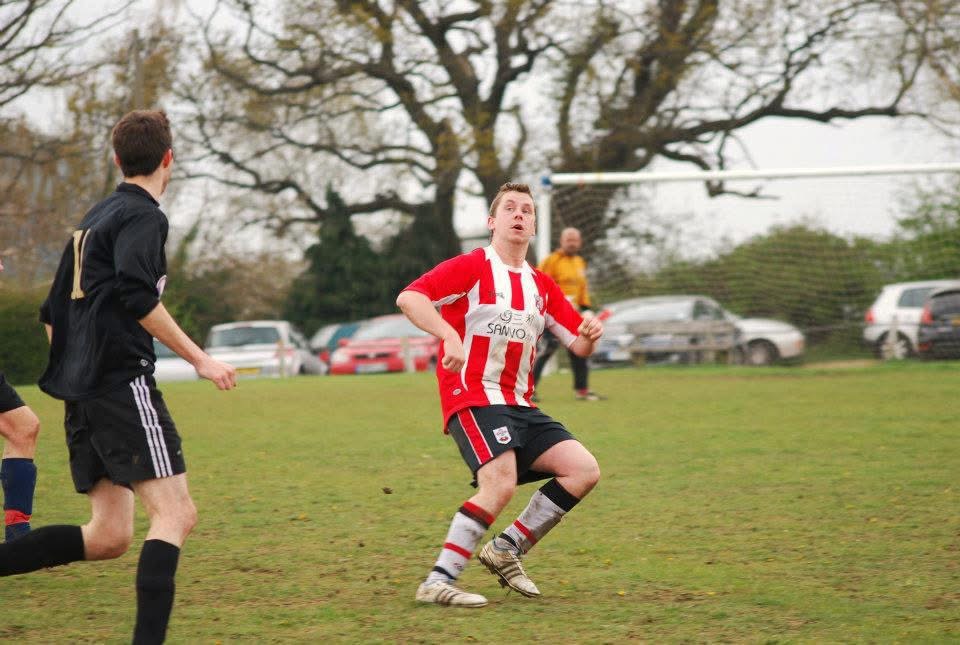
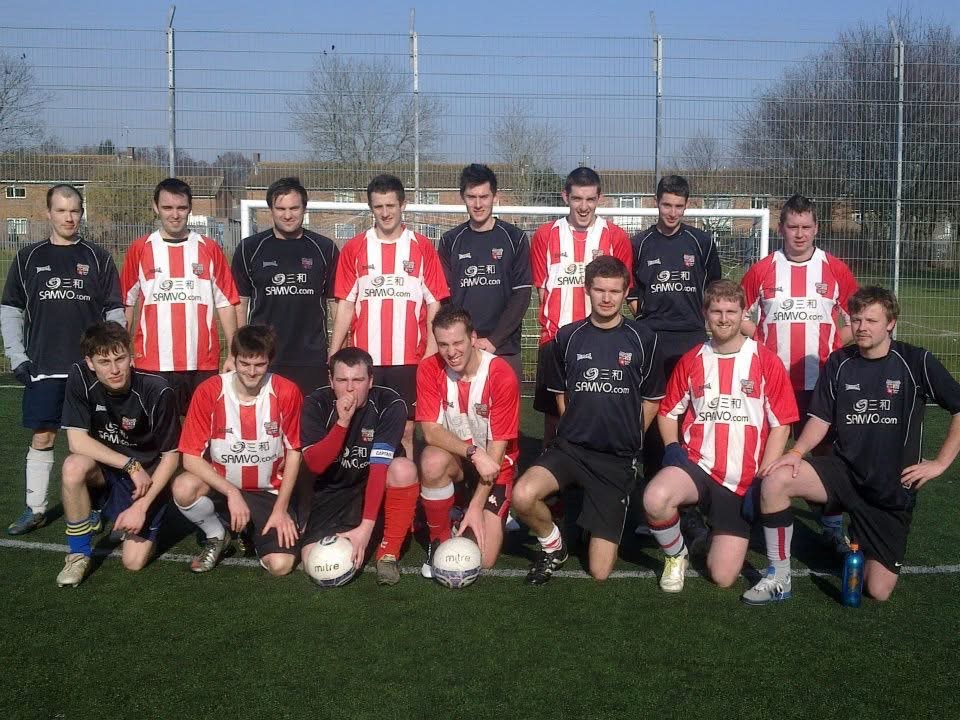
I became chairman, secretary and co-manager of the mighty Hedge End St Luke's Football Club.
We earned two promotions.
We won the church league.
And were subsequently thrown out because we didn't have enough players from the church.
You win some.
You lose some.
Occasionally you win the league and still get expelled.
These experiences aren't side notes simply because they weren't paid jobs.
One of the ideas behind the What I Learned From series on Marketing Made Clear is that transferable skills don't politely restrict themselves to the workplace.
Leadership can come from managing volunteers.
Communication can come from organising a football team.
Resilience can come from a cattle station.
Preparation can come from music.
The experience still counts.
2019: When the Career Timeline Got Messy
Arjowiggins Graphic went into administration in early 2019.
After eight years with the company, that was difficult both professionally and personally.
The paper industry had been under structural pressure for years. Working in digital marketing within an industry being fundamentally reshaped by digital technology gave me an unusually close view of what happens when market decline eventually becomes bigger than any individual marketing initiative can solve.
 Read the deeper story
What I Learned From... Watching a Company Collapse Around Me
What eight years of stability followed by administration taught
me about markets, uncertainty, people and the limits of marketing.
→
Read the deeper story
What I Learned From... Watching a Company Collapse Around Me
What eight years of stability followed by administration taught
me about markets, uncertainty, people and the limits of marketing.
→
What followed was not a beautifully curated LinkedIn career progression.
I had two short fixed-term experiences in 2019.
Both were challenging for different reasons.
At the time, they felt like setbacks.
Looking back, they taught me a great deal about culture, leadership and trusting my own judgement about organisations and people.
Sometimes the experiences you would least like to repeat are the ones that most clearly shape how you want to lead later.

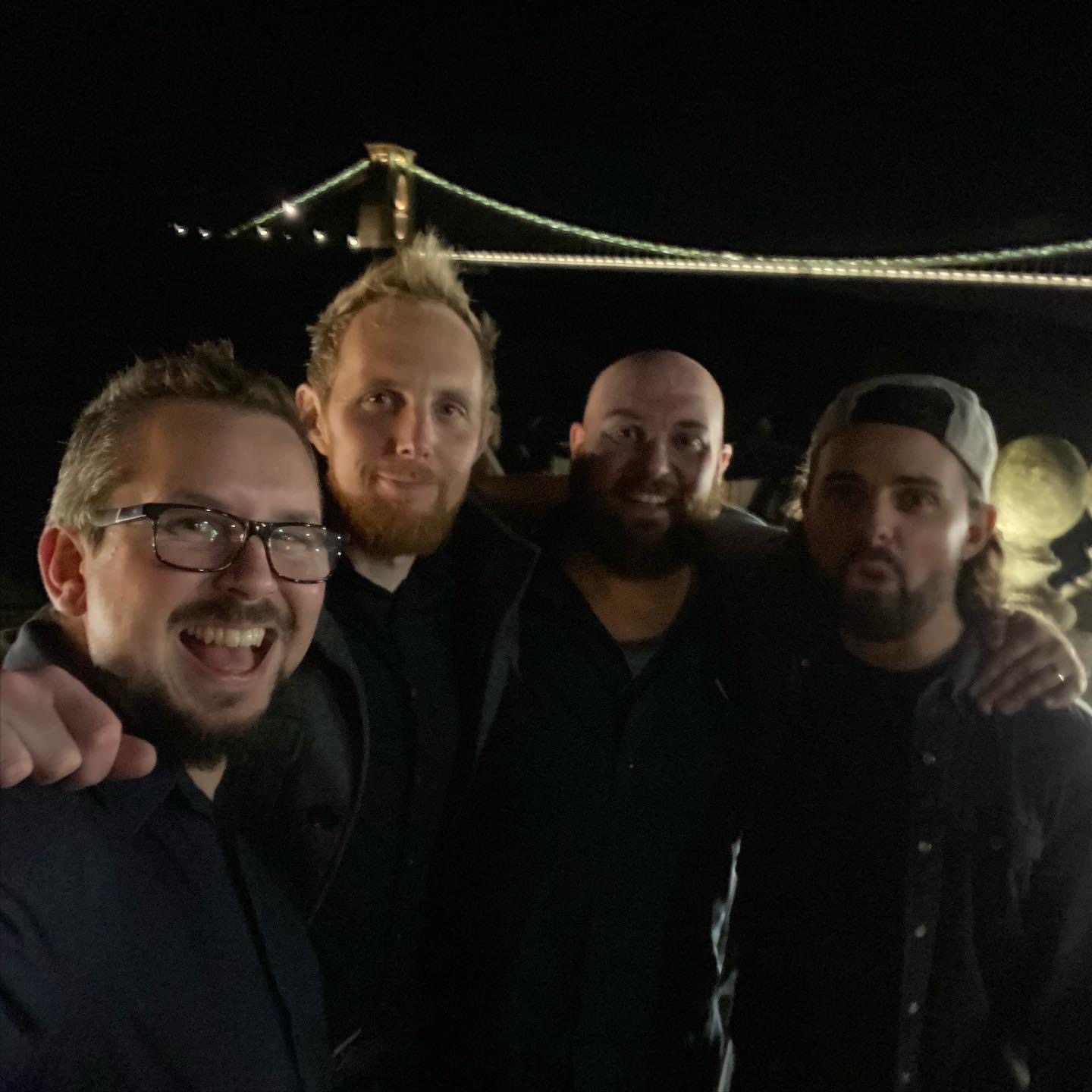
During the uncertainty I also threw myself back into making and playing music.
I built bass guitars.
I played weddings and events.
I created ridiculous social content with bands.
Making instruments in particular reminded me how much I enjoy learning practical skills: researching, planning, budgeting, choosing materials, making mistakes and gradually turning a pile of components into something that works.
Then another opportunity appeared.
And this one changed the direction again.
Paleo Ridge: Learning FMCG, Ecommerce and Commercial Leadership
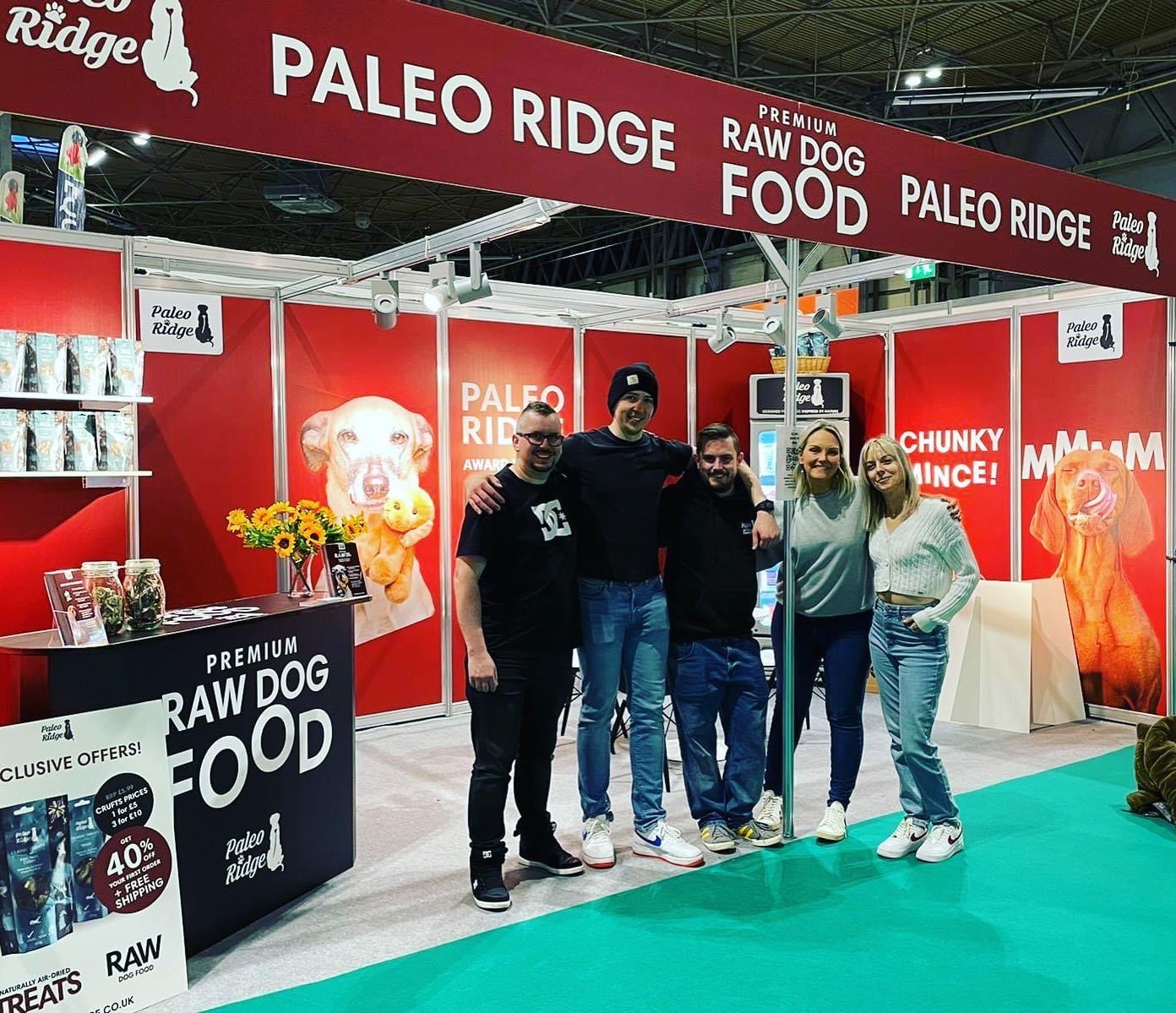
In 2020 I joined Paleo Ridge in a digital marketing role.
It was a very different business from Arjowiggins.
Different size.
Different structure.
Different industry.
Different customers.
Different pace.
And considerably more frozen meat.
Paleo Ridge was a family business operating in the growing raw pet food category, with an established reputation but substantial opportunity to modernise and scale its digital operation.
Some of the opportunities were obvious.
There were digital quick wins we could implement relatively quickly.
Then, only a few months after I joined, Covid changed almost everything.
Ecommerce accelerated.
Consumer behaviour changed.
Digital communication became even more important.
Operational resilience became critical.
And Paleo Ridge had to adapt quickly.
The business did.
From my perspective, it was an opportunity to take the technical and strategic experience I'd built in much larger organisations and apply it inside a smaller, faster-moving company.
From Digital Marketing to Sales and Marketing Leadership
My role expanded considerably over the following years.
The sales and marketing operation grew.
The company became more strategic.
I moved through Head of Sales and Marketing into the role of Director of Sales and Marketing, taking responsibility across a much wider commercial operation.
The scale of what marketing touched grew too.
Brand.
Ecommerce.
Customer experience.
Retail.
Sales.
CRM.
Content.
Product.
Agencies.
Data.
Technology.
Commercial strategy.
And increasingly, the question wasn't simply:
It was:
That is a very different question.
From the Marketing Made Clear archive Paleo Ridge Establishes New Executive Leadership Team to Drive Growth A snapshot of the point at which my role expanded into the executive leadership team. →Taking Raw Dog Food into the Mainstream
One of the most interesting aspects of working in raw pet food has been watching a category move from the edges towards the mainstream.
Raw feeding historically relied heavily on specialist retailers, independent stores, enthusiasts and direct-to-consumer relationships.
Over time, that started to change.
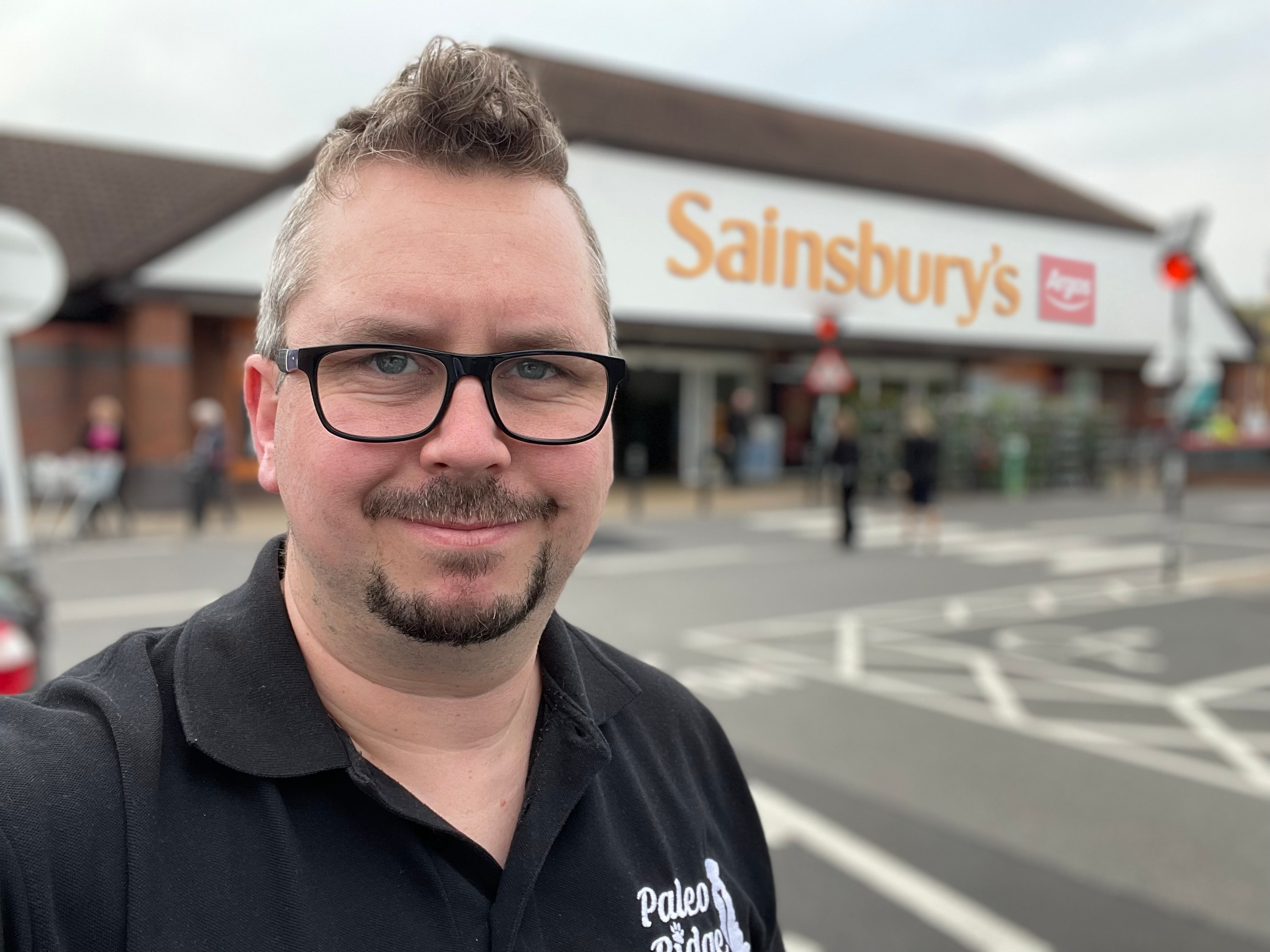
Paleo Ridge entered major retail environments including Pets at Home and Sainsbury's, putting raw food in front of customers who might never previously have walked into an independent raw specialist.
From a marketing perspective, that is fascinating.
You're not simply selling a brand.
You're often educating people about a category.
You're managing trust.
You're challenging established behaviour.
You're explaining frozen storage, feeding practices, ingredients and nutrition.
And you're doing all of that in a market dominated by businesses vastly larger than you.
It has given me a completely different perspective on consumer behaviour and category development.
Dog food sounds niche until you start looking closely at it.
Then you discover an enormous industry shaped by emotion, health, convenience, price, veterinary influence, retailers, breeders, humanisation and some extremely powerful multinational brands.
Unsurprisingly, it has subsequently become fertile ground for Marketing Made Clear articles too.
Related milestone Paleo Ridge Is Now Available at Pets at Home One of the milestones in raw dog food moving further into mainstream retail. →Dogs Go Greener: When Good Intentions Meet Commercial Reality
Around the same period, Lucy and I launched Dogs Go Greener .
The idea was straightforward: create genuinely more sustainable pet products, including compostable dog poo bags and alternatives to heavily plastic-dependent products.
The experience taught me another lesson.
When good intentions meet commercial reality
Sustainability sounds relatively straightforward until materials, packaging, margin, competition and the customer's willingness to pay all join the conversation.
The gap between what consumers say they value and what they actually buy can be substantial.

People saying they care about sustainability and people paying more for sustainable products are not necessarily the same thing.
Sustainable materials can be more expensive.
Packaging can be more expensive.
Margins can be more difficult.
And when household finances become squeezed, stated consumer values can clash rather brutally with purchasing behaviour.
That doesn't make sustainability pointless.
It makes sustainable business more complicated.
Again, this is why I value experience alongside theory.
A survey can tell you consumers want sustainable products.
A P&L can tell you whether they're actually willing to pay for them.
Both pieces of information matter.
Going Back to University - Again
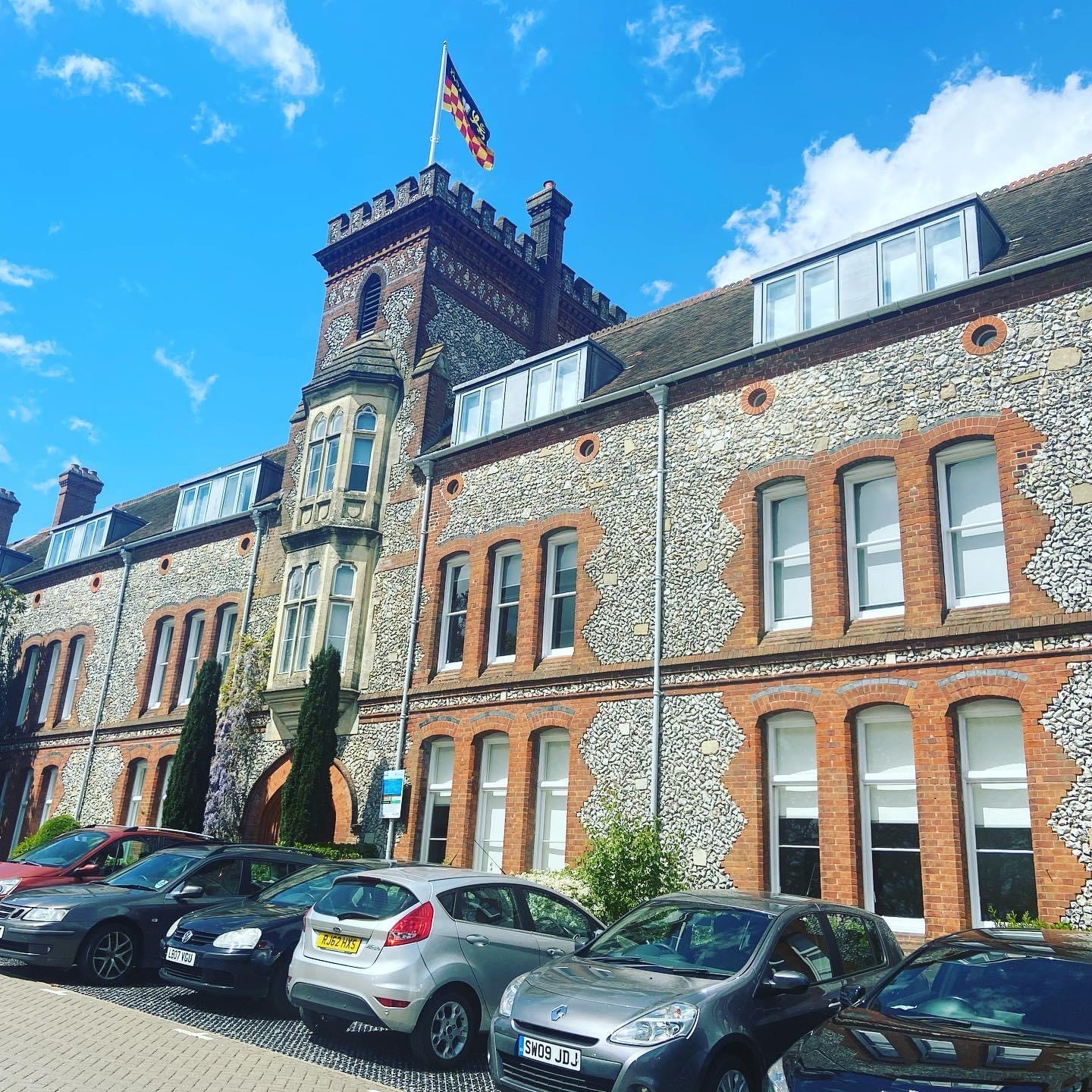
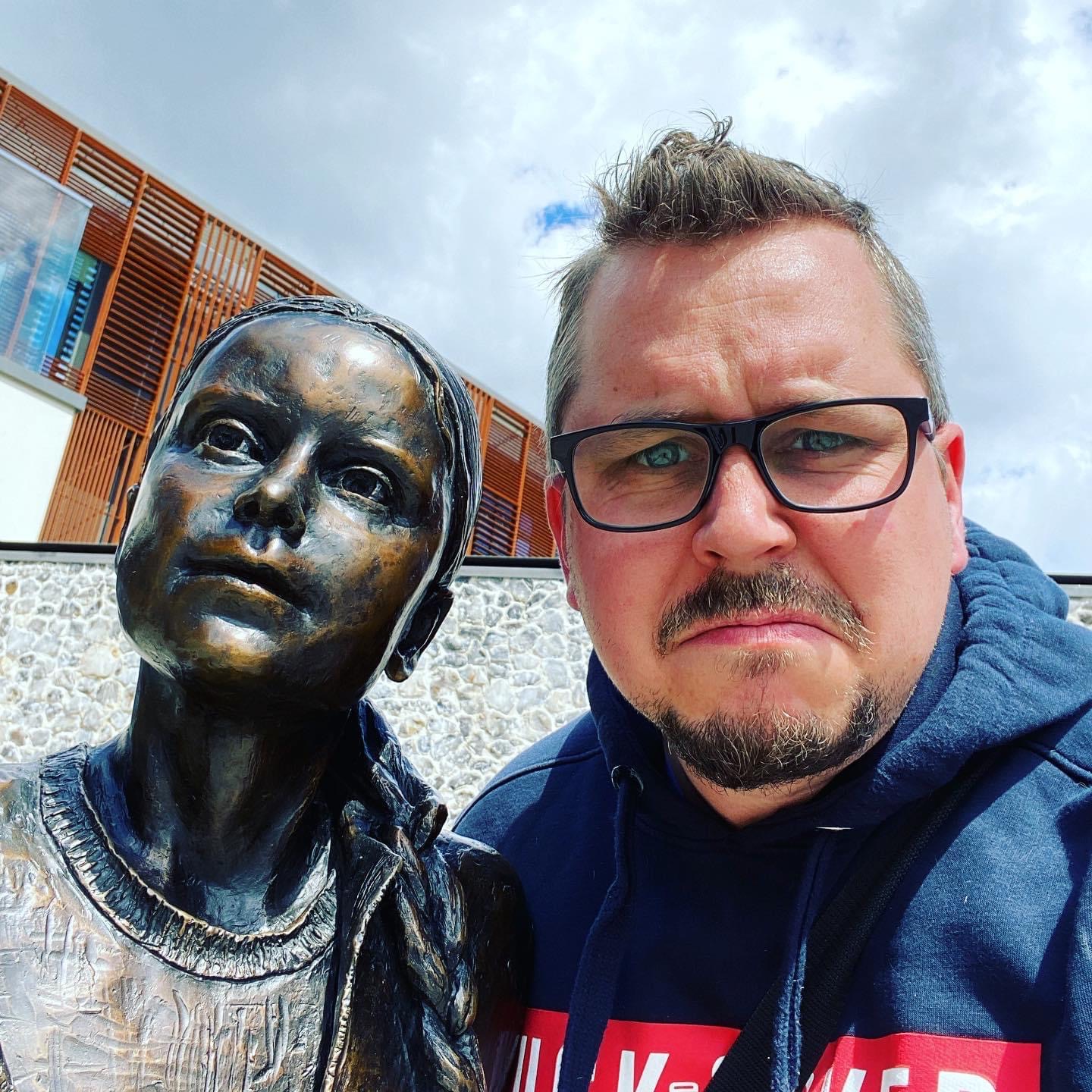
In 2021 I started an MBA at the University of Winchester .
Doing an MBA had been a personal goal for years.
Starting it during Covid wasn't exactly how I'd imagined returning to university, but very little in that period happened how anybody imagined it.
I was nervous.
It had been years since my Master's.
I wasn't sure how I'd perform academically.
Then I received 84% for my first module.
That helped.
Quite a lot.
Still learning
Returning to formal education years into my career gave me the opportunity to connect management theory with experiences I had already lived through in the workplace.
I continued achieving distinctions while working full-time and dealing with an increasingly senior role at Paleo Ridge.
There was a slight problem, however.
I was working full-time.
Studying an MBA.
Playing music.
Serving as a charity trustee.
And then Lucy and I discovered we were going to become parents.
Even my enthusiasm for doing too much eventually met mathematics.
Something had to give.
With considerable sadness, I stepped down as a Trustee of Festival Medical Services.
Family understandably changed the balance.
But the MBA continued.
And completing it was significant.
Not just because I wanted the qualification.
Because it closed a loop that began with a teenager who believed education had nothing useful to offer him.
The Second Paleo Ridge Website - and How Digital Marketing Had Changed Again
Years earlier, I'd helped oversee a major Paleo Ridge website redevelopment.
By 2025, the business had evolved again and the technology requirements had changed with it.
We moved Paleo Ridge onto Shopify Plus.
This wasn't simply a reskin.
It involved ecommerce architecture, customer experience, subscriptions, migration, SEO preservation, data, operational integration and decisions about the platform the business would need for its next stage of growth.
I led that transformation from the commercial side.
And it reminded me of something I've repeatedly learned throughout my career:
It's a customer service tool.
A sales channel.
A data source.
A brand environment.
An operational interface.
A content platform.
And occasionally the thing responsible for depriving several people of sleep before launch day.
 Read the case study
A Seamless Leap Forward: Launching Paleo Ridge's New Shopify Website
The commercial thinking, platform decisions and practical lessons
behind moving Paleo Ridge onto Shopify Plus.
→
Read the case study
A Seamless Leap Forward: Launching Paleo Ridge's New Shopify Website
The commercial thinking, platform decisions and practical lessons
behind moving Paleo Ridge onto Shopify Plus.
→
The technology changed enormously between my first professional websites and Shopify Plus.
The underlying marketing questions changed much less.
Who is the customer?
What do they need?
What stops them buying?
What information builds confidence?
What experience do we want them to have?
What makes the business money?
Technology helps answer those questions.
It doesn't replace them.
And Somewhere Along the Way, Marketing Made Clear Happened
For most of this story, Marketing Made Clear doesn't exist.
That's important.
Because I don't think I could have created it at the beginning.
It came from everything before it.
The original idea was fairly simple.
I wanted to explain marketing in a way I would have found useful when I was trying to understand it.
Not dumbed down.
Not stripped of the theory.
But clear.
Interesting.
Practical.
And preferably not written as if Philip Kotler personally sends a SWAT team round your house if you make a joke.
My experience of dyslexia influenced that.
So did discovering marketing relatively late.
I knew what it felt like to encounter the terminology from the outside.
Marketing has an extraordinary ability to make sensible ideas sound mysterious.
Sometimes that happens because the subject genuinely is complicated.
Sometimes it happens because industries enjoy jargon.
And sometimes people use very long words because saying "we need people to buy more of it" apparently doesn't look impressive enough on a PowerPoint slide.
Marketing Made Clear became my way of stripping some of that away.
From a Website to a Growing Marketing Resource
What started as written content has gradually become something much bigger.
Marketing Made Clear now contains an expanding library covering marketing theory, strategy, history, consumer behaviour, branding, psychology, campaigns and - one of my favourite categories - corporate decisions that looked considerably better in the meeting where somebody approved them.
The subjects have become broader too.
Sometimes I'm explaining established marketing models.
Sometimes I'm researching the history of an industry.
Sometimes I'm analysing propaganda.
Sometimes I'm writing about pet food.
Sometimes I'm asking why consumer tastes evolve from Black Sabbath to music that sounds like farm machinery being thrown into a volcano.
The connecting idea is curiosity.
I don't particularly want Marketing Made Clear to become a site where every article ends with five generic "marketing lessons" grafted onto an unrelated story.
I want to understand why things happen.
Why consumers behave as they do.
Why brands succeed.
Why companies fail.
Why ideas spread.
Why cultures change.
Why seemingly intelligent organisations occasionally do incredibly stupid things.
Marketing happens to provide an excellent lens through which to explore all of that.
The Marketing Made Clear Podcast
In 2024 I expanded Marketing Made Clear into podcasting.
Which, after years of music production and touring, probably should have happened sooner.
The podcast created another way to explore the same ideas: marketing, business, history, interviews and the occasional tangent.
Audio also suits the way I learn and work.
I'm a heavy user of audiobooks.
I dictate ideas.
I capture thoughts while travelling.
For somebody who once found writing difficult, technology has made it possible to build a content workflow around how my brain actually works rather than how somebody else thinks writing is supposed to happen.
The podcast has since become an established part of Marketing Made Clear alongside the written content.
And yes, launching a podcast does eventually result in you becoming the kind of person who develops opinions about microphones.
Nobody warns you about that.
Careers: Bringing the Story Full Circle
Perhaps the part of Marketing Made Clear that brings this entire page together most neatly is the Careers Hub.
The site now contains practical guidance for people trying to get into marketing or develop their careers: finding roles, writing CVs, preparing for interviews, graduate schemes and making the first months in a marketing role count.
That's important to me because I didn't follow a neat route into marketing.
There was no carefully planned graduate scheme.
There was music.
Australia.
A cattle station.
University.
A record label.
Nightclubs.
A Master's.
A charity.
Paper.
Digital.
Festivals.
Redundancy.
Dog food.
An MBA.
And a lot of learning in between.
That doesn't mean everybody should copy my route.
I would strongly recommend against randomly inserting a remote Australian cattle station into your personal development plan unless you have a particularly convincing reason.
The point is that careers don't have to be linear.
Skills transfer.
Experience accumulates.
Things that seem unrelated can become useful years later.
The teenager promoting a Queen tribute show was learning audience-building.
The tour manager was learning stakeholder management.
The cattle station taught work ethic.
The YMCA taught resourcefulness.
Arjowiggins taught digital transformation and international marketing.
FMS taught governance and resilience.
Dogs Go Greener taught the difference between consumer intention and consumer behaviour.
Paleo Ridge taught me commercial leadership and the complexity of scaling a brand.
The MA gave me marketing theory.
The MBA broadened that into business strategy.
And Marketing Made Clear gives me somewhere to bring all of those things together.
Continue your own journey Explore the Marketing Careers Hub Practical guidance for getting into marketing, finding jobs, writing CVs, preparing for interviews and developing your career. →What I've Learned
I turned 40 in 2025 and wrote about the idea of careers as a series of accidental rebrands.
I still like that way of thinking about it.
We often talk about personal brands as if we sit down at 18, select our positioning and then execute a 40-year brand plan.
Life isn't like that.
You change.
Your circumstances change.
You discover things you're good at.
You discover things you absolutely never want to do again.
You meet people.
Industries change.
Companies disappear.
New opportunities emerge.
Sometimes you choose the next direction.
Sometimes redundancy chooses it for you.
Sometimes you find yourself running international nightclub events when you were supposed to be studying music production.
The important thing isn't maintaining a perfectly consistent version of yourself.
It's understanding what remains consistent underneath the changes.
For me, I think those threads are fairly clear now.
Curiosity.
Communication.
Creativity.
A tendency to throw myself fairly aggressively into things that interest me.
A belief that theory becomes much more useful when you can connect it to reality.
And a conviction that complicated subjects don't need to be deliberately made more complicated.
Related article Turning 40: The Rebrand You Didn't Ask For A look back at careers, identity and the accidental rebrands that happen whether you planned them or not. →So, How Did I Become a Marketer?
Gradually.
Accidentally.
And then completely.
I didn't wake up one morning and decide marketing was my calling.
I discovered pieces of it first.
Audiences through music.
Promotion through gigs.
Brands through the music industry.
Stakeholders through touring.
Theory through university.
Execution through YMCA.
Digital through Arjowiggins.
Leadership through experience.
Commercial strategy through Paleo Ridge.
And eventually I realised that all of those pieces belonged to the same picture.
That's probably why I still find the subject so interesting.
Because I don't see marketing as a department that makes adverts.
I see it as the point where organisations, people, culture, psychology, economics, creativity, technology and commercial reality collide.
Sometimes elegantly.
Sometimes spectacularly badly.
And there is always something else to learn.
Where Marketing Made Clear Goes Next
Marketing Made Clear is still evolving.
There are now articles and essays.
Marketing tools.
The podcast.
The Careers Hub.
And an increasingly large archive of ideas, research, personal experience and stories from marketing history.
But the purpose hasn't really changed.
I want it to be useful.
Particularly to somebody who might be where I once was:
interested in marketing but not entirely sure what it involves;
studying it and wondering how the theory connects to actual work;
trying to get their first opportunity;
already working in the industry but wanting to understand something better;
or simply curious about why people and organisations behave in the strange ways they do.
Education changed the direction of my life.
Not because somebody suddenly made me enjoy sitting quietly in a classroom.
Because eventually I found things I wanted to understand, people who helped me understand them and ways of learning that worked for me.
If Marketing Made Clear can play even a tiny version of that role for somebody else, then all the articles, podcasts, research rabbit holes and arguments with HTML have been worth doing.
And if you've genuinely read this entire page...
I salute you.
You have displayed impressive stamina.
Possibly too much free time.
But mainly stamina.
Or tell me your story
Why not get in touch and tell me how you got into marketing - particularly if your route is even stranger than mine.
Because if there's one thing writing this page has reinforced, it's that there really isn't one correct way to become a marketer.