

D&AD Awards 2026
What the Winners Tell Us About the Future of Marketing
Every year, the D&AD Awards provide a snapshot of where the creative industry believes advertising is heading.
Not necessarily where consumers think it is heading.
Not necessarily where CFOs think it is heading.
But whether marketers like it or not, D&AD still matters. These awards influence agency reputations, creative hiring, industry trends, university teaching, and increasingly, the direction of brand strategy itself.
The 2026 awards were particularly interesting because they arrived during one of the strangest periods modern marketing has faced:
- AI is reshaping creative production.
- Performance marketing is under scrutiny.
- Consumers are increasingly resistant to obvious advertising.
- Brand trust is fragile.
- And marketers are desperately trying to prove that creativity still matters.
The result? A fascinating collection of award winners that reveals a major shift happening inside advertising.
Not just in style.
But in philosophy.
The Marketing Made Clear Podcast
Check out the Marketing Made Clear Podcast on all good streaming platforms including Spotify:
What Are the D&AD Awards?
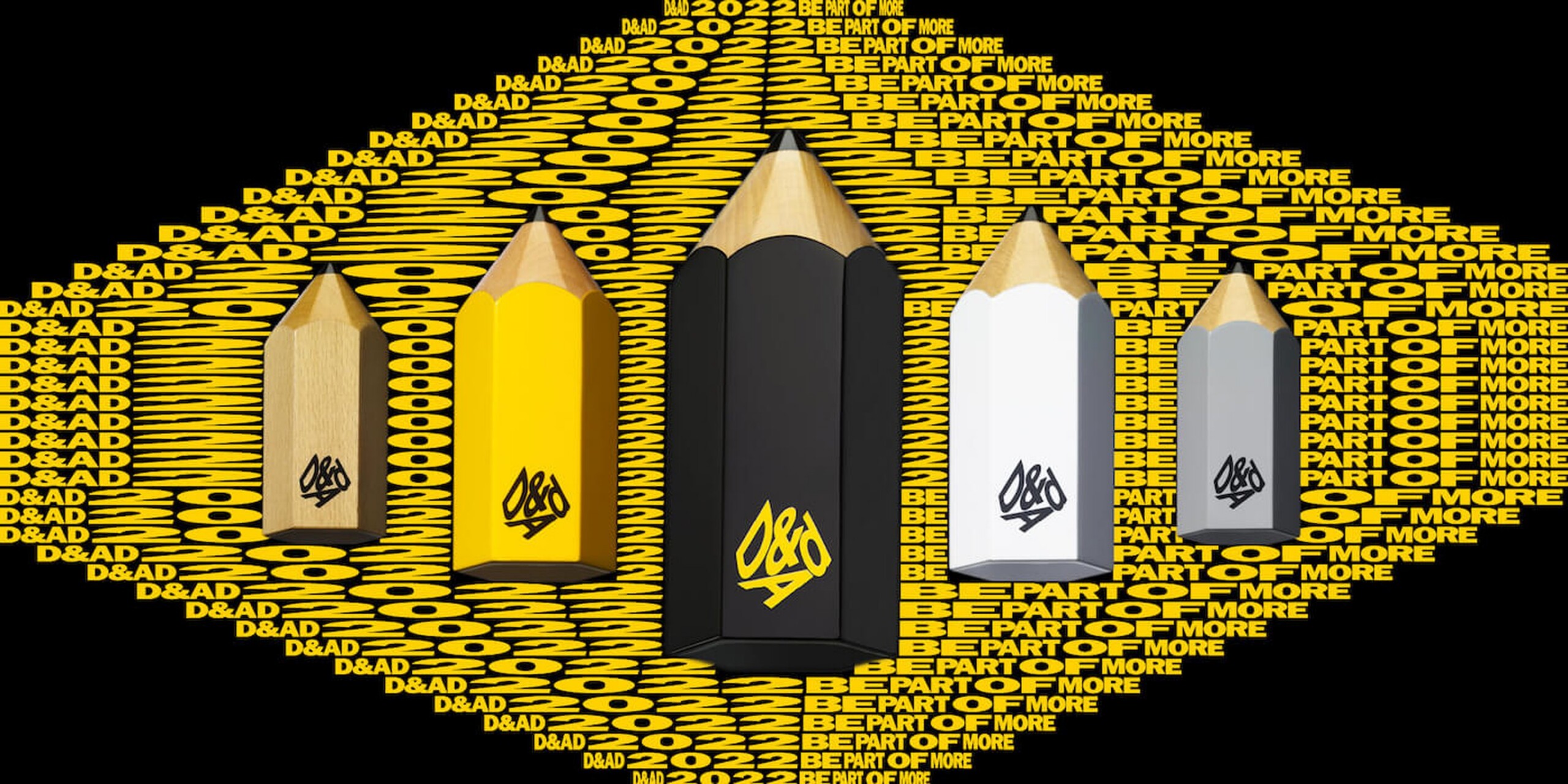
For those unfamiliar, D&AD stands for Design and Art Direction. Founded in 1962 in the UK, the organisation is one of the most prestigious creative bodies in the advertising and design world.
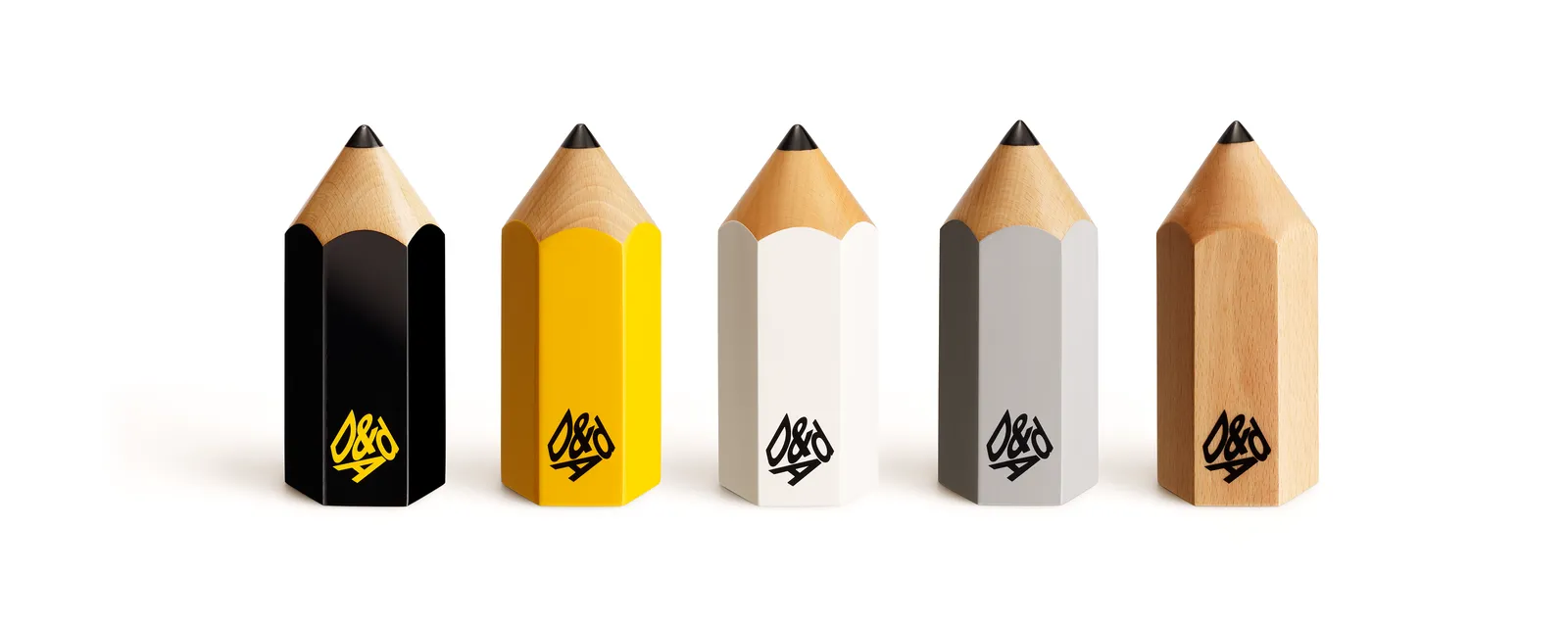
Winning a Pencil at D&AD is considered one of the highest honours in creative marketing.
Unlike some awards schemes that seem to hand out trophies like supermarket loyalty points, D&AD has historically positioned itself as extremely selective. Entire categories can go without a top award if judges feel the work is not strong enough.
That scarcity matters because it creates prestige.
And prestige, as marketers know, creates demand.
The full 2026 winners can be viewed on the official D&AD Awards website.
The Big Theme of 2026: Human Creativity Fighting Back
The biggest takeaway from the 2026 D&AD winners is surprisingly simple:
Human creativity has suddenly become more valuable again.
That sounds counterintuitive in the middle of the AI boom.
But the more AI-generated content floods the internet, the more originality, judgement, taste, and craft begin to stand out.
The creative industry appears deeply aware of this.
Many of the standout campaigns this year leaned heavily into:
- craftsmanship
- visual identity
- emotional storytelling
- cultural understanding
- experimental formats
- and highly distinctive creative direction.
In other words:
Things AI still struggles to replicate convincingly.
That does not mean AI is disappearing from advertising. Far from it.
But it does suggest the industry is rapidly shifting toward a world where:
- AI handles production efficiency
- while humans become increasingly valuable for taste, direction, and cultural intuition.
That is a huge change.
For years, marketing conversations were dominated by:
- targeting
- optimisation
- attribution
- automation
- ROAS
- CAC
- and endless dashboard screenshots.
Now creativity itself is returning to the centre of the conversation.
Not because marketers suddenly became artistic idealists.
But because commoditised content is making distinctive brands harder to build.
The Return of Craft
One of the most noticeable characteristics of the 2026 winners was the obsession with craft.
That word gets overused in advertising.
Sometimes “craft” simply means:
“We spent an outrageous amount of money filming someone walking slowly through fog.”
But this year felt different.
Many winning campaigns demonstrated:
- exceptional editing
- sound design
- typography
- cinematography
- storytelling structure
- illustration
- experiential detail
- and emotional pacing.
This matters because consumers are becoming numb to low-effort content.
The internet is now flooded with:
- AI-generated images
- generic TikTok trends
- templated LinkedIn posts
- synthetic voiceovers
- and social media videos that all somehow feel identical.
In response, premium creative work stands out more sharply than it did five years ago.
There are parallels here with the rise of “quiet luxury”.
When everything becomes loud, fast, cheap, and mass-produced, craftsmanship itself becomes a status symbol.
Advertising appears to be entering a similar phase.
Are Advertising Awards Becoming Too Abstract?
Of course, there is another side to this discussion.
One criticism repeatedly aimed at awards shows like D&AD is that many campaigns increasingly resemble:
- art installations
- political statements
- indie films
- or experimental theatre projects
…rather than actual advertising.
Some award-winning work can feel completely detached from commercial reality.
There is often a growing gap between:
- advertising people admire
and - advertising that genuinely shifts products.
This debate has existed for decades.
Marketing professor Philip Kotler argues that effective marketing must ultimately create value and influence purchasing behaviour.
Meanwhile, the Ehrenberg-Bass Institute has consistently emphasised:
- mental availability
- distinctive brand assets
- reach
- and consistency
…over highly complex creative narratives that only make sense after a 14-minute case study video.
And yet creativity still matters enormously.
Research from the Institute of Practitioners in Advertising has repeatedly shown that emotionally-driven creative campaigns can significantly outperform rational campaigns in long-term effectiveness.
The tension is not:
“creativity versus effectiveness.”
The real challenge is:
“How do you create highly distinctive advertising that also sells?”
That is much harder.
The AI Problem Nobody Wants to Admit
The 2026 D&AD Awards also exposed something slightly uncomfortable for the industry.
A huge amount of modern advertising is beginning to look visually similar.
Why?
Because many creative teams are now drawing inspiration from the same AI tools, trend reports, visual datasets, editing styles, and algorithmic recommendations.
Ironically, tools designed to increase creativity may eventually standardise it.
This is one reason why human judgement is becoming increasingly important.
George Orwell once argued that clear communication requires conscious effort because vague and repetitive language naturally takes over.
Modern marketing faces a similar problem.
Without intentional originality, brands slowly drift toward:
- sameness
- trend imitation
- safe creativity
- and algorithm-friendly mediocrity.
You can already see this across:
- LinkedIn thought leadership
- TikTok editing styles
- startup branding
- podcast artwork
- and direct-to-consumer advertising.
Everything starts looking suspiciously identical.
The best D&AD work of 2026 often succeeded because it resisted that sameness.
The Death of Pure Performance Marketing?
Perhaps the most important strategic lesson from the awards is this:
Performance marketing alone is becoming less defensible.
For years, businesses prioritised:
- short-term attribution
- conversion efficiency
- and platform optimisation.
That approach worked incredibly well during the growth of:
- Facebook Ads
- Google Ads
- Amazon advertising
- and hyper-targeted digital marketing.
But as platforms become more expensive and crowded, differentiation matters more again.
If every competitor has access to the same targeting systems, then creative quality becomes one of the few remaining competitive advantages.
This is exactly why major brands continue investing heavily in:
- emotional branding
- storytelling
- sonic branding
- experiential campaigns
- and high-quality creative work.
Because attention itself has become scarce.
And mediocre content is now almost invisible.
What Marketers Should Actually Learn from D&AD 2026
The wrong takeaway from the D&AD Awards is:
“We need to make a surreal five-minute black-and-white film about existentialism and yoghurt.”
The right takeaway is much more practical.
The best creative work in 2026 generally shared several traits:
- strong distinctive identity
- emotional resonance
- confidence
- clarity
- originality
- cultural understanding
- and exceptional execution.
Importantly, the strongest campaigns also felt intentional.
Not random.
Not “viral for the sake of viral”.
Not loaded with buzzwords about “disruption”.
Just very well thought through.
That applies whether you are:
- running a global brand campaign
- creating TikTok content
- launching a podcast
- designing packaging
- or building a small ecommerce business.
Consumers increasingly reward brands that:
- feel human
- communicate clearly
- and demonstrate genuine creative effort.
The Future of Marketing May Be More Human Than We Expected
Ironically, the AI revolution may end up increasing the value of human creativity rather than destroying it.
Because when everyone can generate content instantly, the real differentiator becomes:
- judgement
- taste
- emotional intelligence
- strategic thinking
- and originality.
That appears to be exactly what the D&AD Awards are now rewarding.
Not just technical execution.
But creative decisions that feel unmistakably human.
And perhaps that is the biggest lesson of all.
The future of marketing may not belong to the brands producing the most content.
It may belong to the brands producing the most distinctive content.
Which is considerably harder.
TL;DR
The D&AD Awards 2026 revealed a major shift happening inside marketing and advertising. As AI-generated content becomes increasingly common, human creativity, judgement, craftsmanship, and originality are becoming more valuable again. The strongest campaigns focused on emotional storytelling, distinctive creative identity, and exceptional execution rather than pure performance metrics alone. At the same time, the awards also reignited debates around whether modern advertising prioritises artistic recognition over commercial effectiveness. For marketers, the key takeaway is clear: in a world flooded with content, distinctive and genuinely human creative work may become one of the last remaining competitive advantages.