

Subliminal Marketing and the Freudian Id
Appealing to Primal Desires
Modern marketers often try to reach the unconscious drivers of consumer behaviour – the primal urges Sigmund Freud called the Id. The Id operates on the pleasure principle, seeking immediate gratification of needs such as sex, hunger, and aggression.
Subliminal marketing broadly refers to techniques that speak to the subconscious – sometimes with subtle or hidden cues – to influence decisions without the audience’s deliberate awareness. By designing messages that bypass rational analysis, marketers aim to reach people where decisions are actually made: in fast, emotional, hard-to-articulate responses.
This article explores how Freud’s Id has inspired modern marketing across industries, how subliminal or covert techniques are used in practice, and where the lines blur into controversy. You’ll find current examples in fashion, food, politics, tech and gaming, plus lesser-known and ethically questionable cases. We also assess what the evidence says about effectiveness.
The Marketing Made Clear Podcast
Check out the Marketing Made Clear Podcast on all good streaming platforms including Spotify:
Freud’s Id and Consumer Desires
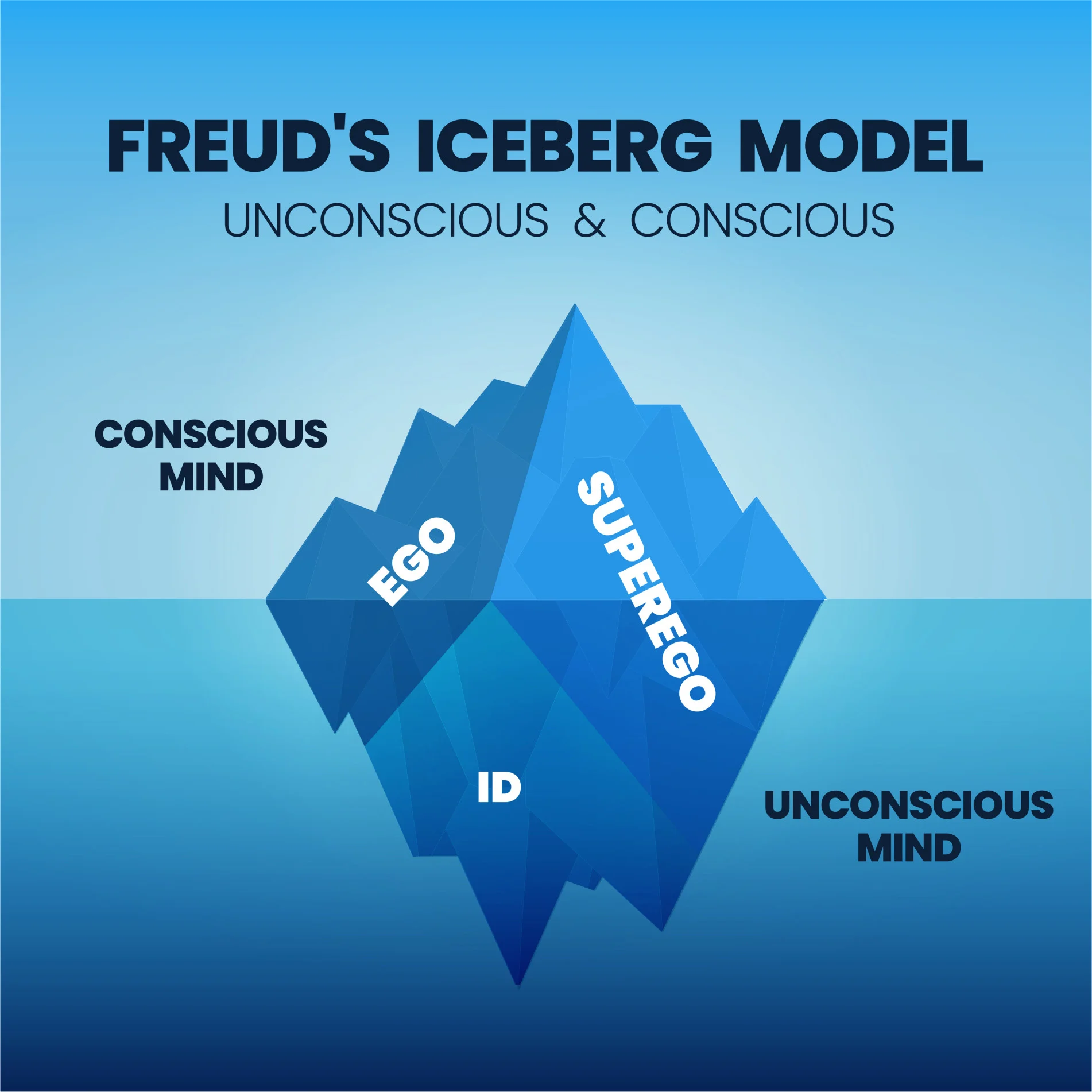
Freud divided the psyche into Id, Ego and Superego.
- The Id is the primitive, unconscious part that demands instant satisfaction. In marketing terms, it’s the part of the consumer that wants – the indulgent dessert, the fast car, the luxury handbag – without regard for cost or consequence.
- The Superego represents internalised morals.
- The Ego mediates between impulse and reality.
Campaigns can target each part differently: ethical or eco messages lean toward the Superego; luxury and sensuality lean toward the Id.
From Freud to Madison Avenue
Freud’s nephew Edward Bernays applied psychoanalysis to PR and advertising. Rather than selling on rational utility, he linked products to unconscious desires.
His 1929 “Torches of Freedom” stunt reframed women’s public smoking as a feminist statement, tapping a latent desire for power and autonomy. Later, psychologist Ernest Dichter popularised motivational research, arguing that hidden motives drive many purchases. His advice to Betty Crocker to require adding a real egg to cake mix (symbolising fertility and creative contribution) boosted sales; his bolder lipstick theories leaned on sexual symbolism. These early applications helped normalise strategy that aligns products to fantasies or anxieties.
What counts as “subliminal”?
Strictly, subliminal means below the threshold of conscious perception – such as split-second image flashes or sub-audible whispers. More broadly in marketing, it also covers covert cues and emotional priming that people can see or hear but may not fully register, such as colour, music, scent, composition, symbolism or product placement. The goal is the same: nudge the unconscious so the brand feels right before the mind rationalises the choice.
The ID
The id represents our primitive drives for pleasure and instant gratification. It is entirely unconscious and demands things that feel good – rich foods, comfort, sex, power – regardless of consequences.
In consumer terms, the id is the part of you that wants to splurge on a decadent chocolate cake or a luxury sports car purely for the thrill or indulgence.
Marketers often appeal to the id by emphasising pleasure, excitement, or sex appeal in advertising (hence the old saying “sex sells”).
Primal Appeals Across Industries
Fashion & Luxury – selling sex and power
Fashion rarely sells fabric; it sells desire, status and sexual allure. Provocative imagery, sensual narratives and power symbolism target libido and dominance. Classic examples include racy Calvin Klein and Tom Ford campaigns, or perfume ads that promise erotic fantasy in a bottle.
A specific flashpoint: a 2011 Calvin Klein print execution with Lara Stone sparked debate when viewers claimed the pose and furniture spelled an obscene word with the brand’s “CK” completing the letters.
Whether intended or not, the overt message is clear – sex sells.

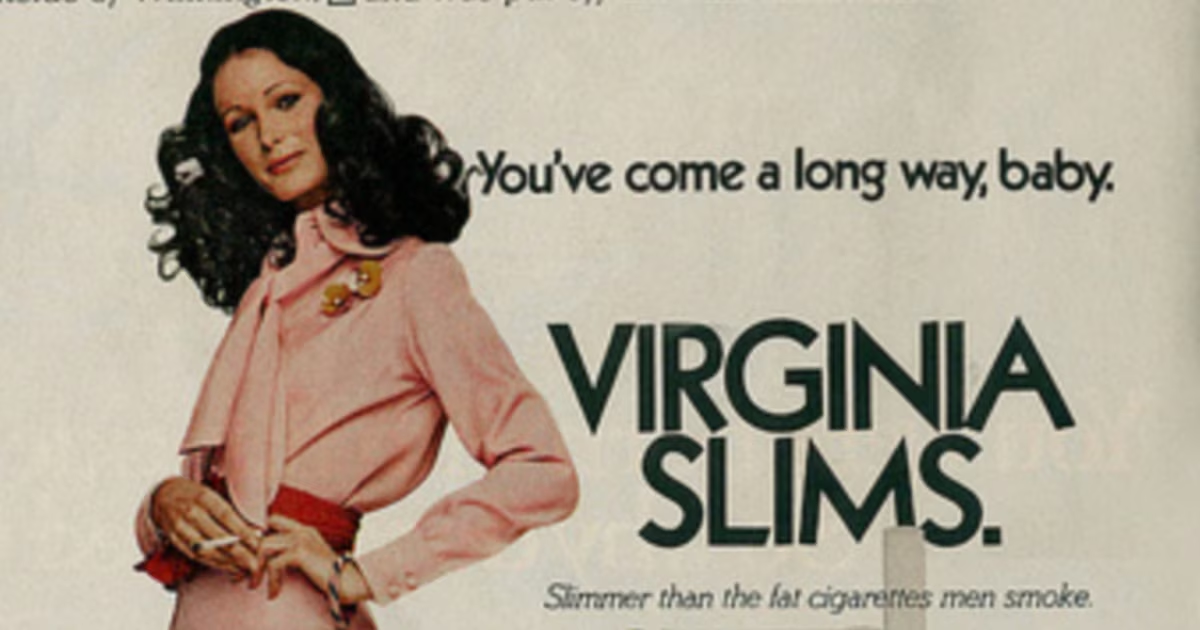
Luxury also cues aggression and status (dominant protagonists, victory, exclusivity). The 1960s Virginia Slims line “You’ve come a long way, baby” is a direct descendant of Bernays – linking a product to female empowerment and liberation.
Caveat: a large meta-analysis suggests sexual content boosts ad recall but can reduce brand recall and purchase intent, especially among women, if it feels gratuitous. Sex grabs attention; it doesn’t automatically sell.
Food & Beverage – appetite, arousal and “food porn”
Here the Id’s hunger is front and centre. High-definition close-ups of sizzling steaks and melting cheese trigger physiological craving. Warm colours, appetising aromas and texture-rich visuals act as sensory primes. Brands sometimes blend sex with edibles – the infamous “bikinis and burgers” era at a U.S. chain – to double-tap libido and appetite.
Covert elements matter too:
-
Product placements: E.T. famously used Reese’s Pieces, boosting sales via positive association; American Idoljudges’ Coca-Cola cups were constant, silent visual primes.
-
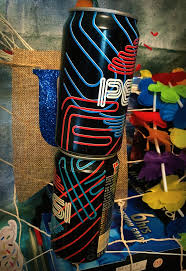
Pack and frame lore: Pepsi’s 1990 “Cool Can” graphic could spell “SEX” when cans were stacked just so. A 2008 KFC TV spot was rumoured to contain a single frame of a dollar bill hidden in lettuce – a cheeky nudge about value. Whether deliberate or not, these incidents show how quickly audiences suspect subliminals.

Politics & social campaigns – fear, hate and pride
Political strategists often pull the emotional levers of fear, anger, pride and tribalism to bypass deliberation. Canonical fear appeals include LBJ’s “Daisy” ad and the 1988 Willie Horton spot. Slogans function as Id triggers: “Take Back Control”, “Make America Great Again”, “Hope and Change” – each trades in simple, potent feelings.
There have been rare, documented subliminal frames in political ads. In 2000, a U.S. TV spot briefly flashed “RATS” over an opponent’s policy message for 1/30th of a second. The buy reportedly totalled $2.5m before withdrawal. Media analysts like Kathleen Hall Jamieson flagged it as subliminal; strategist Alex Castellanos denied intent. A precedent: Jesse Helms’s 1990 ad in North Carolina briefly superimposed Harvey Gantt’s image as a pair of white hands crumpled a letter – a subliminal racial cue by montage. Regulations in many jurisdictions restrict or condemn subliminal broadcast messaging, and exposure typically causes public backlash.
Blink and you’ll miss it:
Technology & gaming – novelty, thrill and instant gratification
Action-game trailers generate adrenaline with rapid cuts, explosions and combat audio to stimulate fight-or-flight and the thrill of dominance. Hardware and gadget ads imply status, identity and instant pleasure. Apple routinely trades on implicit symbolism – the bitten apple evokes temptation and knowledge; early iPod silhouettes expressed uninhibited joy and liberation.
In apps and social media, behavioural design plays a huge role: red notification badges, infinite scroll and variable rewards tap dopamine loops and FOMO. Tech insiders have openly said they compete for your primal instincts. Brand symbols and hidden design elements aim to create implicit associations.
A famous example is the FedEx arrow concealed between the E and x. It signals speed and precision once you know it is there, yet studies suggest people who don’t know about it don’t seem to process it unconsciously in ways that shift behaviour – a useful reminder that not every clever easter egg moves the needle. The Amazon arrow looks like a smile but actually cleverly points “from A to Zero”!


Controversial Techniques & Ethical Fault Lines
-
Cinema commands (1950s): The famous popcorn/Coke subliminal cinema “experiment” drove public panic but was later exposed as a hoax. It nonetheless set expectations and policy warnings against subliminals.
-
Subliminal store audio: Inventor Hal Becker’s “little black box” played sub-audible affirmations like “I am honest; I will not steal.” One chain claimed a 37% shoplifting drop during trials. The ACLU objected on rights grounds – covert behavioural nudges without consent raise clear ethical concerns.
-
Children’s advertising: Reports of hidden “Get it!” prompts in toy ads highlight the special vulnerability of children. Even the hint of subliminal influence aimed at kids is widely condemned.
-
Film & music scares: Single-frame fear imagery in horror (e.g., The Exorcist) and 1980s backmasking panics in rock. The Judas Priest lawsuit was dismissed and evidence shows backward audio does not drive behaviour. California even considered a 1983 ban on backmasking – an overcorrection born of moral panic.
-
TV “glitches”: During Iron Chef America, viewers captured a one-frame McDonald’s flash. Networks and brand blamed an editing error. Regardless, incidents like this erode trust.
-
Regulatory stance: In the UK, Ofcom prohibits subliminal TV advertising. In the U.S., the FCC deems knowingly transmitting subliminal messages contrary to the public interest. Uncovered attempts tend to be withdrawn swiftly and invite reputational damage.

Does It Work? What The Evidence Suggests
-
Emotions move markets: Appealing to deep motives – safety, love, attractiveness, esteem – does influence behaviour. Emotional priming through imagery, music and story can shape perceptions and tip choices.
-
Strictly subliminal effects are limited: Under controlled conditions, subliminal primes can nudge existing motives.
-
Strahan, Spencer & Zanna (2002): Thirst-related primes increased reported thirst and intake, but mainly among already-thirsty participants.
-
Karremans, Stroebe & Claus (2006): Flashing the brand name “Lipton Ice” increased choosing that drink only if participants were thirsty. Subliminals don’t create new desires or override strong preferences.
-
-
Placebos and myths: 1980s self-help tapes with hidden affirmations produced no real effects despite user belief. Backmasked lyrics likewise show no causal impact.
-
Industry view: The U.S. 4A’s told regulators there is no evidence that subliminals produce actions against will or outperform normal messages. Psychologist Anthony Pratkanis labelled subliminal persuasion “cargo-cult science.”
-
Sex, fear and humour: These overt emotional appeals reliably get attention and can drive outcomes when aligned to relevance and efficacy. A 2017 meta-analysis found sexual content can harm brand recall and purchase intent, particularly among women, when gratuitous. Fear appeals work best when paired with clear solutions.
Bottom line: Id-based appeals work when they align with active needs and are executed transparently and creatively. Covert subliminals are weak levers at best, and ethically risky.
Examples by Industry, Technique and Psychological Trigger
| Industry | Example (Campaign or Practice) | Subliminal/Covert Technique | Primary Id Trigger |
|---|---|---|---|
| Fashion & Beauty | Provocative Calvin Klein, Tom Ford and perfume campaigns; 2011 CK Lara Stone execution alleged to hide a swear via composition; Virginia Slims “You’ve come a long way, baby”. | Sexual imagery, innuendo, symbolic composition linking products to empowerment and desire. | Sexual desire and status. |
| Food & Beverage | “Food porn” visuals; sexualised burger ads; Pepsi 1990 “Cool Can” alignment scandal; rumoured 2008 KFC single-frame dollar bill; placements like E.T./Reese’s and American Idol/Coca-Cola. | Close-ups, appetising A/V cues; pack design coincidences; single-frame lore; product placement. | Hunger and libido. |
| Politics | LBJ “Daisy”, Willie Horton; 2000 “RATS” one-frame text; 1990 Helms ad briefly superimposing opponent; emotive slogans (“Take Back Control”, “MAGA”, “Hope and Change”). | Subliminal or near-subliminal frames; fear montage; dog-whistles; reductive slogans. | Fear, aggression, tribal loyalty. |
| Technology (Gaming) | Action-game trailers with rapid cuts, explosions and combat audio. | High-arousal audiovisual priming; dominance themes. | Aggression, thrill, risk-taking. |
| Tech (Apps & Social) | Red badges, infinite scroll, variable rewards; insiders say they compete for primal instincts. | Behavioural design to hook reward circuits and FOMO. | Instant gratification and social anxiety. |
| Entertainment Media | Branded products woven into storylines and sets (E.T./Reese’s, American Idol/Coca-Cola). | Covert association via context (product placement). | Desire by association, comfort, belonging. |
| Retail Environment | Luxury boutiques with soft music and scent; supermarkets with slower music; historical PA subliminals. | Ambient sensory priming (music, aroma); sub-audible affirmations trials. | Mood elevation and indulgence. |
| Health & PSA | Graphic anti-smoking imagery; fear-based road safety spots. | Fear appeals, sometimes near-subliminal embeds. | Self-preservation and avoidance. |
TL;DR
-
Freud’s Id seeks immediate gratification. Modern marketing routinely targets it with sex, hunger, fear, dominance and belonging.
-
Subliminal tricks in the strict sense have limited, situational effects and pose real ethical and reputational risks.
-
Covert cues and emotional priming – music, scent, colour, composition, product placement – can nudge choices when aligned to active motives.
-
Evidence highlights thirst-priming effects (Strahan; Karremans) only when the motive is already active, no real impact from backmasking or self-help subliminals, and mixed outcomes for sexual content.
-
Best practice: use psychological insight to resonate, not to deceive. The strongest work triggers a felt desire, then gives rational cover and ethical reassurance.