

From Barbie to Netflix: What Entertainment Marketing Teaches Us That Nike and Apple Can’t
How Marvel, Taylor Swift, and Disney Turn Audiences into Fanatics – and Why Traditional Brands Struggle to Keep Up
There is a moment, somewhere between queuing for a midnight film release and arguing online about whether the ending “ruined everything”, where marketing stops feeling like marketing.
That is the point where entertainment marketing lives.
It does not politely ask for attention. It demands it. It builds anticipation, fuels conversation, and at its best; creates something far more powerful than a customer base: a fandom.
For marketers working in more traditional industries, this can feel like watching someone else play a completely different game. And in many ways, it is.
The Marketing Made Clear Podcast
This article features content from the Marketing Made Clear podcast. You can listen along to this episode on Spotify:
What Is Entertainment Marketing (Really)?
At its core, entertainment marketing is not about selling a product. It is about selling an experience before it exists.
When Netflix promotes a new series, or Disney launches a film, the audience cannot try the product in advance. There is no sample, no test drive, no “add to basket and return if unsatisfied”.
Instead, the entire marketing strategy hinges on building expectation.
Compare that to a brand like Nike. You can try on the trainers. You can feel the quality. The product largely speaks for itself.
Entertainment does not have that luxury. It must create belief first, then deliver.
Hype Is Not a By-Product – It Is the Product
If you take one lesson from entertainment marketing, it is this: hype is not something that happens after marketing. It is the marketing.
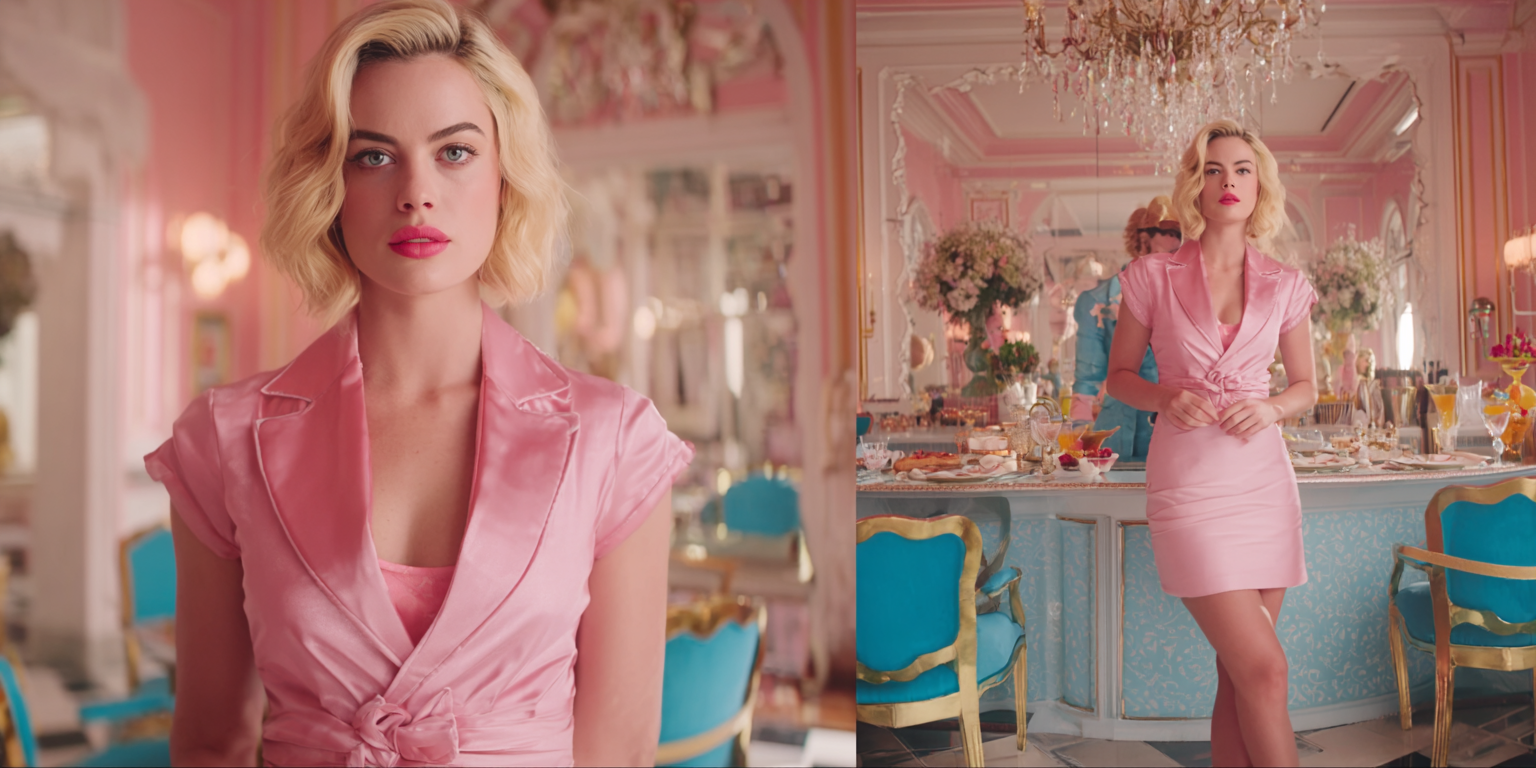
Take Barbie as a modern example. The film’s marketing campaign did not just promote a movie – it created a cultural moment.
- Brand collaborations across fashion, beauty, and even Airbnb
- A distinct visual identity (that very specific shade of pink)
- Social media participation that turned audiences into marketers
By the time the film was released, the question was no longer “Should I watch it?” but “How have I not watched it yet?”
Now compare that to a typical FMCG campaign. Even a well-executed promotion from a supermarket brand rarely creates that level of cultural inevitability.
Entertainment marketing thrives on anticipation. Traditional marketing often settles for awareness.
The Product Is Emotional, Not Functional
A pair of trainers solves a problem. A streaming series solves boredom.
That difference matters.
When Marvel Studios releases a new instalment, the marketing is not focused on features. It is focused on emotional payoff:
- Closure of story arcs
- Character development
- Shared cultural moments
Similarly, when Taylor Swift announces a tour, the demand is not driven by rational evaluation. It is driven by identity, belonging, and emotional connection.
Traditional brands do tap into emotion – Apple being a classic example – but they still have a functional backbone.
Entertainment skips the functional layer entirely. It goes straight for the emotional jugular.
Scarcity and Timing Are Everything
In most industries, availability is a strength.
In entertainment, scarcity is often more powerful.
Film releases, album drops, and live tours are all built around moments in time. Miss it, and you miss the conversation.
Disney has long mastered this with its “vault” strategy – creating artificial scarcity around its classic films to drive demand.
Meanwhile, Netflix plays a slightly different game, using binge releases to create short, intense bursts of cultural relevance.
Contrast this with a brand like Coca-Cola. You can buy a Coke anytime, anywhere. That consistency is a strength, but it does not create urgency in the same way.
Entertainment marketing is built on moments. Traditional marketing is built on availability.
Audiences Are Not Just Consumers – They Are Participants
One of the biggest differences lies in the role of the audience.
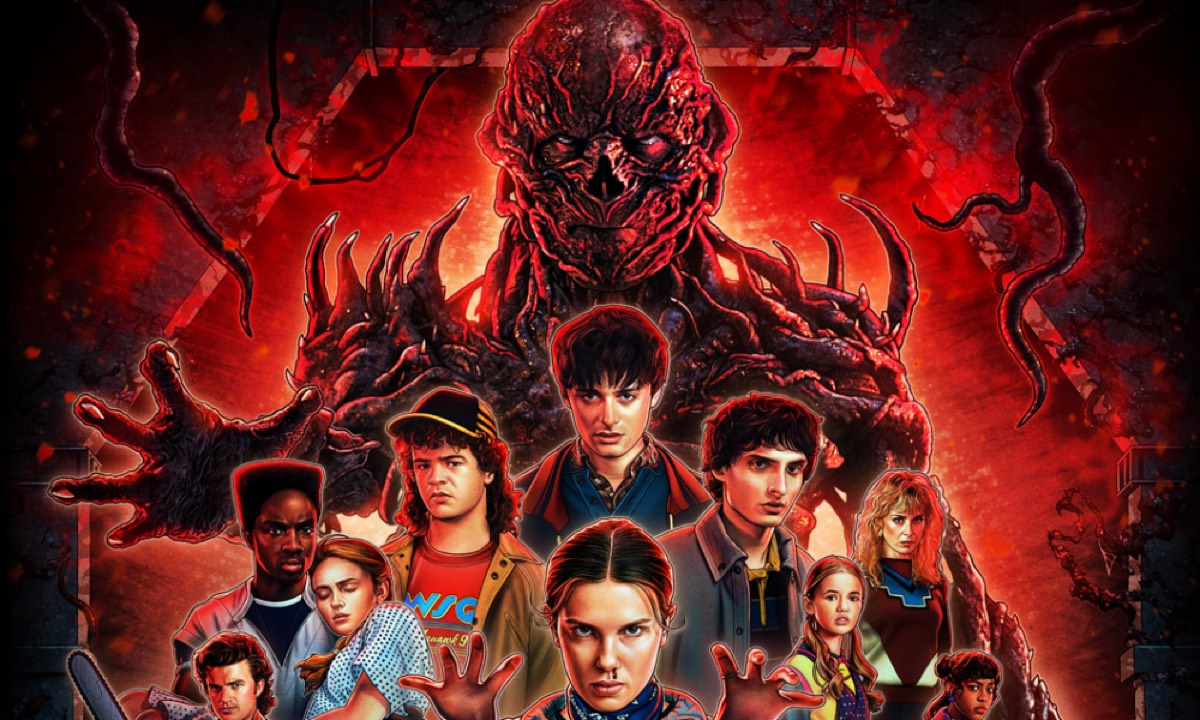
Entertainment marketing actively invites participation.
- Fan theories for Stranger Things
- Online discourse around Game of Thrones
- User-generated content for film and music releases
In many cases, the audience becomes part of the marketing machine.
This aligns closely with behavioural theories like Cialdini’s principle of social proof. The more people talk about something, the more others feel compelled to join in.
Traditional brands attempt this through reviews and social media engagement, but it rarely reaches the same intensity.
No one is writing Reddit essays about their weekly grocery shop.
Risk Is Higher – and So Is Reward
Entertainment marketing operates in a high-risk environment.
A film can flop. A series can disappoint. An album can divide opinion.
And when the product fails, the marketing cannot save it.
The backlash to later seasons of Game of Thrones is a perfect example. Years of brand equity were challenged in a matter of episodes.
But the upside is equally dramatic.
When it works, the payoff is enormous:
- Box office dominance
- Cultural relevance
- Long-term franchise value
Traditional industries tend to operate with more predictable outcomes. You are unlikely to see a toothpaste launch spark global debate (although that would certainly make for an interesting case study).
Brand and Product Are the Same Thing
For most companies, the brand sits above the product.
For entertainment, the product is the brand.
Marvel Studios is not just producing films – it is building an interconnected universe that defines its brand identity.
Netflix is not just a platform – its original content shapes how the brand is perceived.
This creates a level of integration that many traditional brands struggle to achieve.
A poor product in entertainment does not just affect sales. It affects the entire brand narrative.
What Marketers in Other Industries Can Learn
While most brands cannot replicate entertainment marketing entirely, there are lessons worth stealing (respectfully, of course).
Build anticipation, not just awareness
Tease launches. Create a narrative. Give people a reason to care before the product exists.
Think in moments, not campaigns
What is the “release day” equivalent for your product? How can you create a sense of occasion?
Lean into emotion
Even in functional categories, there is always an emotional angle. Find it.
Encourage participation
User-generated content, community engagement, and conversation are not just nice-to-haves. They are growth drivers.
Accept a degree of risk
Safe marketing rarely creates cultural impact.
Final Thought: Entertainment Marketing Is Not Better – It Is Different
It is tempting to look at the spectacle of entertainment marketing and conclude that other industries are simply less exciting.
That is not quite right.
They are playing different games with different rules.
Entertainment marketing thrives on unpredictability, emotion, and cultural relevance. Traditional marketing often prioritises consistency, reliability, and scale.
But as audiences become more distracted and harder to reach, the lines are beginning to blur.
The brands that win will not necessarily be the ones with the biggest budgets.
They will be the ones that understand how to make people feel something.
Because in the end, whether you are selling a film, a pair of trainers, or a frozen block of raw dog food, the goal is the same:
Be worth paying attention to.
TL;DR
Entertainment marketing differs from traditional marketing by focusing on hype, emotion, timing, and audience participation rather than product features and availability. Brands like Barbie, Netflix, Marvel, and Taylor Swift create cultural moments and fandoms, whereas companies like Nike and Coca-Cola rely more on consistency and functional value. The key lesson for marketers is to build anticipation, create emotional connections, and turn audiences into active participants rather than passive consumers.