

Netflix vs Blockbuster
A Tale of Disruption and Strategic Missteps
In the year 2000, Blockbuster Video was the undisputed giant of home entertainment – a household name with thousands of stores – while Netflix was a fledgling startup mailing DVDs to a niche customer base. In fact, Blockbuster’s executives famously laughed off a chance to buy Netflix for $50 million that year. Fast-forward to today: Netflix is a streaming behemoth worth over $250 billion, and Blockbuster’s empire has crumbled to one nostalgic store in Oregon.
This dramatic reversal offers rich lessons in business strategy, technological disruption, and marketing. How did a 1980s brick-and-mortar superstar fall to a 1997 dot-com upstart?
Let’s rewind the tape to the beginning.
The Marketing Made Clear Podcast
Check out the Marketing Made Clear Podcast on all good streaming platforms including Spotify:
Founding Stories: Video Rental Titan and Tech Upstart
Blockbuster (1985): Founded by David Cook in Dallas, Texas, Blockbuster applied a sophisticated inventory model to the video rental business. Under Wayne Huizenga, it expanded rapidly, even acquiring the UK’s Ritz video chain in 1992. By 2004, Blockbuster had 9,000 stores and nearly $6 billion in revenue.
Netflix (1997): Founded by Reed Hastings and Marc Randolph, Netflix emerged as a DVD-by-mail service that eliminated late fees. In 1999, it introduced a monthly subscription model – a disruptive alternative to Blockbuster’s per-rental charges.
And yes – I am surprised as you are that Netflix has been around for so long…
Table: Netflix vs Blockbuster in 2000
| Metric | Netflix (2000) | Blockbuster (2000) |
|---|---|---|
| Founded | 1997 by Reed Hastings & Marc Randolph | 1985 by David Cook |
| Revenue | ~$36 million (not profitable) | ~$5 billion (est.) |
| Customers | ~300,000 subscribers | ~50 million members; ~7,000 stores globally |
| Value Proposition | No late fees, home delivery | Wide in-store selection; late fees applied |
The Missed Opportunity: Blockbuster’s $50 Million Blunder
In 2000, Netflix offered to sell itself to Blockbuster for $50 million. Blockbuster CEO John Antioco and his team laughed the offer out of the room. Netflix would have run Blockbuster’s online division, but Antioco dismissed the idea as unnecessary.
Netflix survived by securing funding, while Blockbuster missed its chance to own the online future. This moment is now a cautionary tale taught in business schools.
Google Searches for Netflix, vs Blockbuster over time
Why Netflix Succeeded and Blockbuster Failed
1. Business Models and Strategic Decisions
- Netflix: Subscription model, no late fees, customer-focused.
- Blockbuster: Revenue relied on late fees (estimated $800 million in 2000).
Blockbuster ended late fees in 2005 – too late and at a $200M cost. Its hybrid service, Total Access, initially outperformed Netflix but was financially unsustainable.
Internal boardroom politics (e.g. Carl Icahn ousting Antioco) led to inconsistent strategy. Netflix, by contrast, had clear leadership and commitment to digital growth.
2. Technological Innovation
Netflix invested in algorithms, personalisation, and infrastructure. By 2007, it launched streaming.
Blockbuster lagged with outdated tech (still using Fortran code in the late 2000s). It acquired Movielink but failed to invest in streaming rights.
3. Cultural Shifts and Consumer Behaviour
Netflix understood consumer demand for convenience. No trips, no returns, no penalties.
Blockbuster’s retail format became a burden as consumers shifted to on-demand viewing. Competitors like Redbox and iTunes eroded its user base.
4. Branding and Marketing
Netflix built trust via simplicity and innovation. Free trials and strong UX did the talking.
Blockbuster’s reactive campaigns (“No More Late Fees”) backfired. The brand, once iconic, became a relic. Dish Network tried to revive it in 2011 but failed.
Table: Netflix vs Blockbuster in 2005
| Metric | Netflix (2005) | Blockbuster (2005) |
|---|---|---|
| Subscribers | ~4.2 million (DVD-by-mail) | ~50 million accounts; 9,000 stores |
| Revenue | $682 million | ~$5.9 billion |
| Streaming? | In development | No |
| Strategic Focus | Subscription & online scaling | Store profitability & late fee legacy |
The Tipping Point: 2010 and Bankruptcy
Netflix reached 20 million subscribers and $2.16 billion in revenue in 2010. Blockbuster filed for bankruptcy in September the same year.
Table: Netflix vs Blockbuster in 2010
| Metric | Netflix (2010) | Blockbuster (2010) |
|---|---|---|
| Subscribers | ~20 million | N/A (shrinking rapidly) |
| Revenue | $2.16 billion | $3.24 billion |
| Market Status | Streaming leader | Filed for bankruptcy |
| Store Count | 0 (digital only) | ~1,700 stores (closing fast) |
Strategic and Marketing Lessons for Marketers
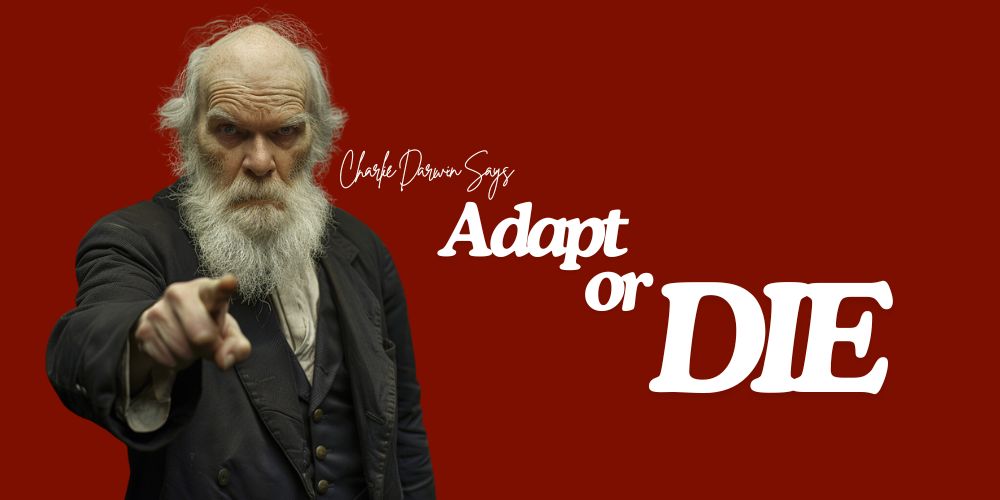
“Adapt or Die”: Darwin Would Approve
Netflix constantly evolved. Blockbuster stayed comfortable until it was too late. As explored in our article on Charles Darwin and marketing, adaptability is everything.
Consumer-Centric Innovation Wins
Netflix focused on eliminating customer pain points. Blockbuster monetised them. Unsurprisingly, customers defected to the simpler experience.
Cannibalise Yourself Before Others Do
Netflix didn’t wait for someone else to disrupt DVD rentals – it launched streaming while DVD mail was still growing.
Reactive Marketing Isn’t Enough
Blockbuster’s late-stage campaigns often confused or frustrated consumers. Authentic, proactive messaging like Netflix’s original proposition builds loyalty.
Consistency and Trust Are Everything
When Blockbuster removed late fees, the fine print revealed catches. Trust eroded. Netflix’s clear UX and consistent value delivery solidified its reputation.
TL;DR
Netflix offered to sell to Blockbuster for $50 million in 2000. Blockbuster laughed. Netflix now dominates global streaming. Blockbuster filed for bankruptcy in 2010.
The story of Netflix vs Blockbuster is a powerful case study in:
-
Strategic foresight
-
Technological disruption
-
Customer-centric marketing
-
Brand positioning
If you’re in marketing or strategy, the lesson is simple: stay nimble, stay customer-obsessed, and never underestimate the disruptors.