

Why Do Campaigns Go Viral? Lessons from Nike, Dove, Always and More
The psychology, strategy, and brand examples behind marketing that spreads like wildfire
Viral marketing is often treated like lightning in a bottle – unpredictable, uncontrollable, and largely down to luck. But that is only half the story.
Behind most “overnight successes” are carefully engineered ingredients rooted in behavioural science, cultural awareness, and sharp execution.
In this article, we break down why campaigns go viral, using real brand examples to explore the mechanics of shareability – and why some campaigns explode while others quietly disappear into the algorithmic abyss.
The Marketing Made Clear Podcast
Check out the Marketing Made Clear Podcast on all good streaming platforms including Spotify:
What Does “Viral” Actually Mean?
A campaign goes viral when it achieves rapid, exponential sharing, typically driven by audiences rather than paid media.
This aligns closely with what Philip Kotler described as word-of-mouth amplification, now accelerated by social platforms.
But in the modern context, virality is less about reach alone and more about velocity + engagement.
A campaign isn’t viral because it’s seen – it’s viral because people feel compelled to share it.
1. Emotional Triggers: The Engine of Sharing
If you remember one thing, make it this:
People share emotions, not information.
Research consistently shows that high-arousal emotions – whether positive or negative – drive sharing behaviour.
Brand Examples
Nike – “Dream Crazy” (featuring Colin Kaepernick)
- Sparked global debate around social justice. Loved and hated in equal measure – which only fuelled reach.
- Emotional vulnerability and relatability drove millions of shares.
- Reframed an insult into empowerment, creating a strong emotional pivot.
Why It Works
This taps directly into System 1 thinking, popularised by Daniel Kahneman – fast, emotional, instinctive responses.
People don’t analyse whether to share.
They feel it.
2. Social Currency: “This Makes Me Look Good”
People share content that enhances their identity.
In simple terms:
If sharing something makes me look smart, funny, or culturally aware – I’ll share it.
Brand Examples
- Users willingly promote the brand because it showcases their personal taste.
- Turns customers into creators, giving them status.
LinkedIn – Thought-leadership posts
- Sharing insights signals intelligence and credibility.
Why It Works
As Robert Cialdini would argue, this ties into social proof and self-presentation.
We don’t just share content.
We curate how others see us.

3. Simplicity and Clarity: The Orwell Test
If a campaign needs explaining, it’s probably not going viral.
The best campaigns are instantly understood.
Brand Examples
ALS Association – Ice Bucket Challenge
- Pour water. Nominate friends. Donate. Simple.
McDonald’s – Follow the Arches
- Minimalist design guiding people using only parts of the logo.
Old Spice – “The Man Your Man Could Smell Like”
- Clear, absurd, instantly recognisable.
Why It Works
This aligns with the writing philosophy of George Orwell:
“If you can’t explain it simply, you don’t understand it well enough.”
Clarity removes friction.
Friction kills sharing.
4. Cultural Timing: Right Message, Right Moment
Virality often sits at the intersection of brand and culture.
The best campaigns feel like they belong in the moment.
Brand Examples
Oreo – You Can Still Dunk in the Dark”
- Reacted instantly to the Super Bowl blackout.
Barbie – 2023 cultural resurgence
- Became a full-scale cultural movement, not just a film launch.
Netflix – Wednesday dance trend
- Turned a scene into a global TikTok phenomenon.
Why It Works
Timing amplifies relevance.
Or, more bluntly:
Even brilliant creative at the wrong moment is just expensive obscurity.
5. Participation: Turning Audiences into Creators
The most powerful viral campaigns don’t just get shared.
They get replicated.
Brand Examples
- TikTok – Built entirely on trends and replication
- GoPro – User-generated extreme content
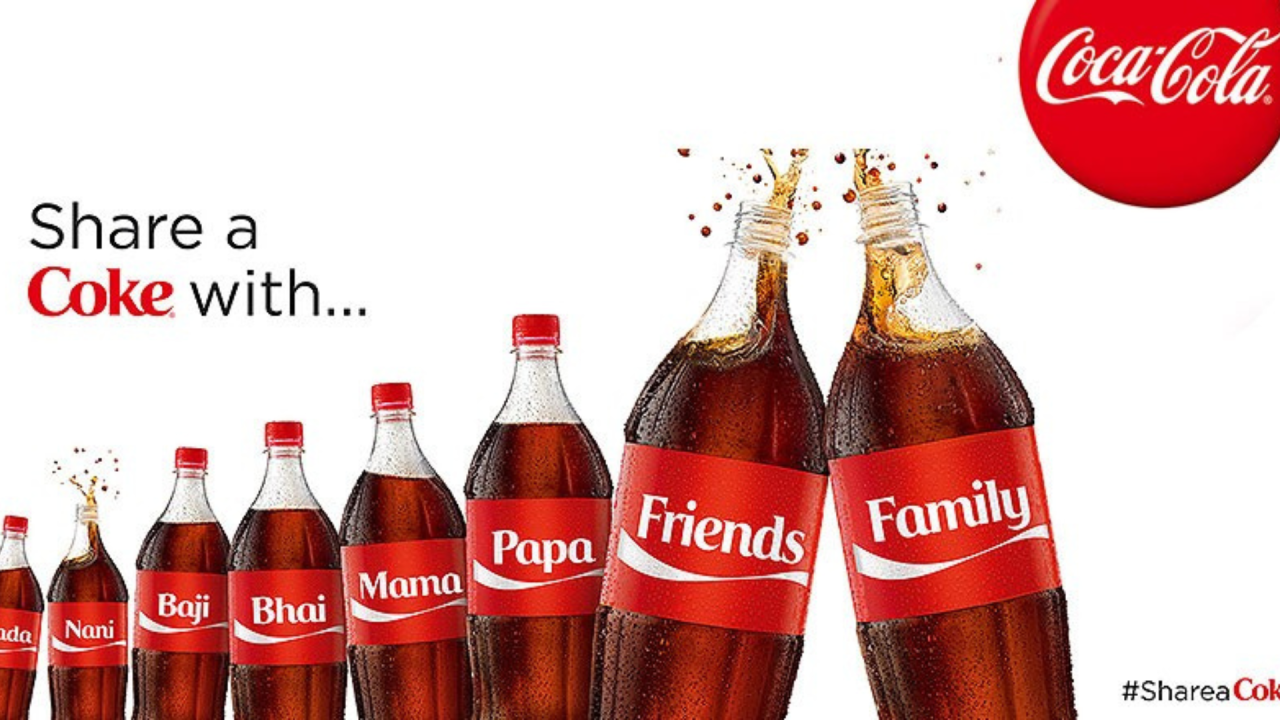
- Coca-Cola – Share a Coke campaign
Why It Works
Participation creates ownership.
People don’t feel like they’re promoting a brand.
They feel like they’re part of something.
6. Surprise and Novelty: Pattern Disruption
Humans are wired to notice what’s different.
If something breaks expectations, it earns attention.
Brand Examples
- Liquid Death – Water marketed like heavy metal
- Burger King – Mouldy Whopper
- Dollar Shave Club – Launch video chaos
Why It Works
Novelty triggers curiosity.
And curiosity leads to clicks, watches, and shares.
7. Distribution Still Matters (Sorry)
Here’s the uncomfortable truth:
Most viral campaigns are not purely organic.
They are often seeded with paid media, influencers, or PR.
Brand Examples
- Red Bull – Stratos jump
- Gymshark – Influencer-driven growth
- Heineken – Global campaign amplification
Why It Works
Virality needs a spark.
Distribution provides the oxygen.
Why Most Campaigns Don’t Go Viral
For balance, it’s worth stating:
- They’re too safe
- They lack emotional impact
- They’re overcomplicated
- They ignore cultural context
- They rely on “hoping” rather than strategy
Or put more bluntly:
They’re designed for approval, not for sharing.
Final Thought: You Can’t Guarantee Virality (But You Can Stack the Odds)
There is no exact formula.
But the most successful campaigns consistently combine:
- Emotional intensity
- Social currency
- Simplicity
- Cultural relevance
- Participation
- Novelty
- Strong distribution
Get enough of these right, and you dramatically increase your chances.
Ignore them, and you’re essentially whispering into the void.
TL;DR
- Viral campaigns are driven by emotion, identity, and simplicity
- People share content that makes them feel something or look good
- Cultural timing and participation amplify reach
- Novelty grabs attention, but distribution sustains it
- Virality isn’t luck – it’s engineered probability