

Why the Best Adverts Appeal to Both System One and System Two Thinking
Understanding the psychology of fast and slow decision-making in marketing
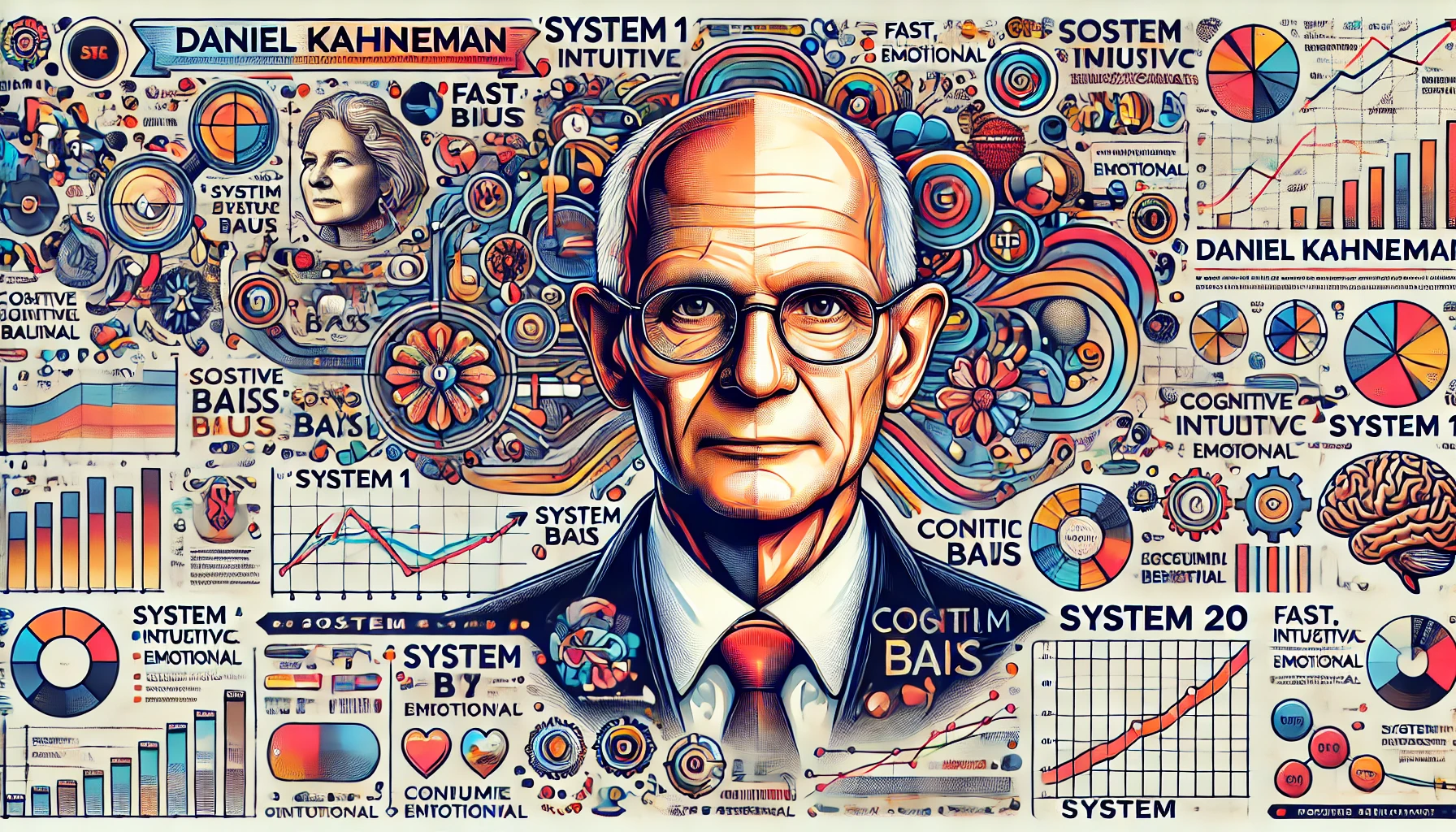
When we talk about how consumers respond to advertising, it’s tempting to believe that decisions are made through cool, rational analysis. Price points, product features, and comparative benefits seem like the logical drivers of choice. But as Nobel Prize-winning psychologist Daniel Kahneman demonstrated in his book Thinking, Fast and Slow, our brains don’t quite work that way.
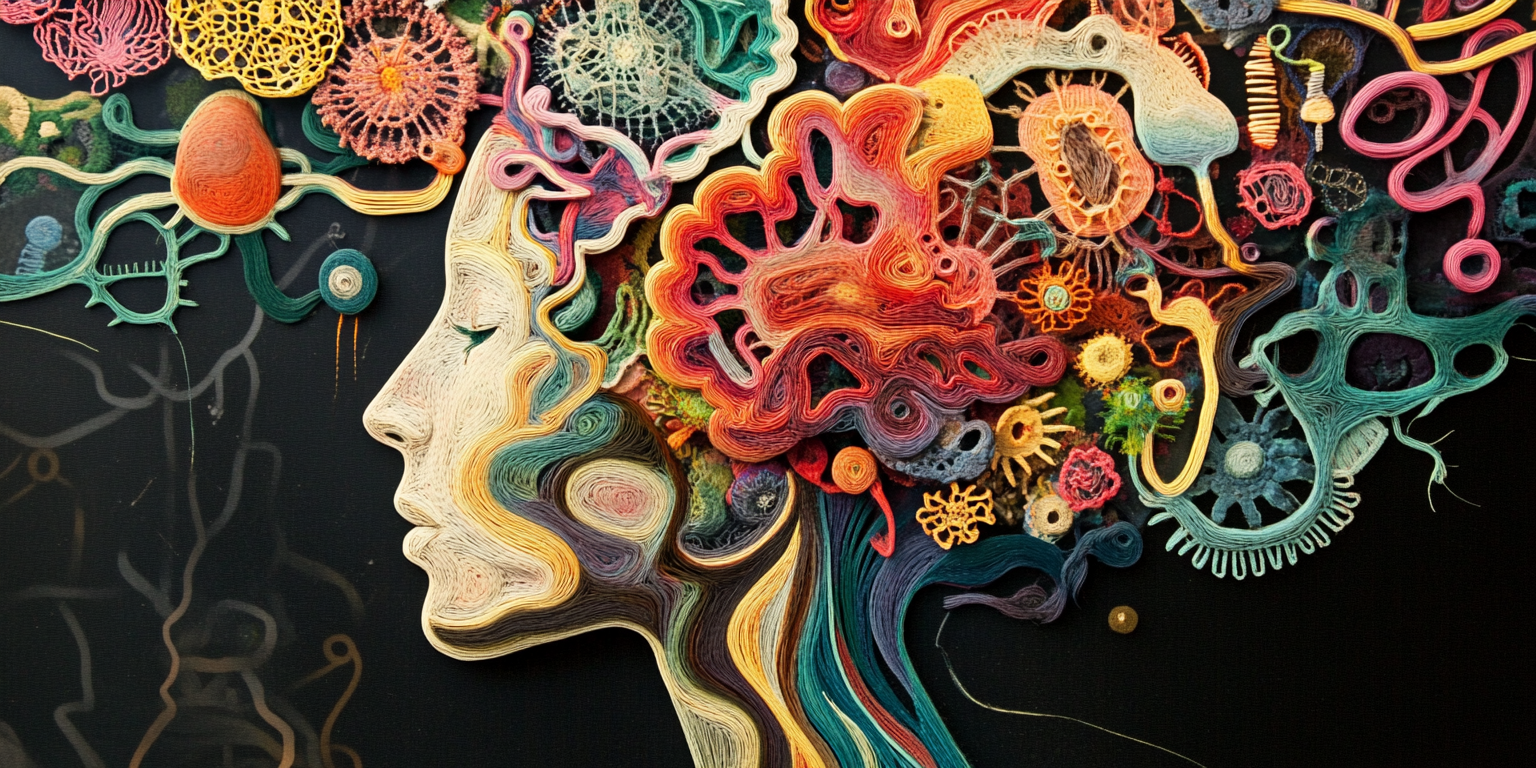
Instead, Kahneman proposed that we rely on two distinct modes of thought: System One (fast, emotional, automatic) and System Two (slow, deliberate, rational). Both play a vital role in how people perceive, react to, and ultimately decide whether to engage with a piece of marketing.
For marketers, understanding how these systems work, and how to design campaigns that appeal to both; is essential.
The Marketing Made Clear Podcast
Check out the Marketing Made Clear Podcast on all good streaming platforms including Spotify:
System One: The Fast, Emotional Reaction
System One operates automatically and instinctively. It’s the part of the brain that allows us to react quickly without having to stop and analyse every detail. Because it doesn’t multitask well, it tends to focus on one thing at a time.
In marketing, System One comes into play when:
-
A funny advert makes us laugh immediately.
-
A dramatic visual shocks or surprises us.
-
Music, colour, or imagery stirs nostalgia or excitement.
-
A character or storyline triggers empathy or frustration.
These are not considered responses. They are instant gut reactions.
Take John Lewis’s Christmas campaigns, for example. They rarely show product details. Instead, they lean heavily on emotional storytelling that makes people feel warmth, sadness, or joy. That’s System One doing its job – it makes us feel something without having to consciously analyse the advert.
System One is incredibly powerful because it’s subconscious. People may not even realise why an advert sticks in their mind, but it’s often because it sparked a System One reaction.
System Two: The Slow, Deliberate Evaluator
If System One is fast and emotional, System Two is its slower, more rational counterpart. It’s what we use when we need to weigh up complex options or solve problems. System Two is effortful and requires attention, which is why our brains naturally avoid using it unless necessary.
There are even physical signs when System Two is engaged: pupil dilation and an increased heart rate, both evidence of the brain working harder.
In marketing, System Two is activated when:
-
A customer compares product specifications side by side.
-
Someone reads the fine print before signing up for a service.
-
We calculate whether a discount or promotion offers real value.
-
Consumers evaluate whether the emotional appeal of a brand aligns with rational needs like budget, functionality, or convenience.
Think about Which? magazine’s product reviews or comparison sites such as MoneySuperMarket. They exist almost entirely to activate System Two — giving consumers the rational tools to feel confident in their choices.
Why Good Advertising Needs Both
Relying on one system alone often creates imbalance:
-
System One only: Highly entertaining adverts can make us laugh or cry but fail to tell us what’s being sold (the infamous “brilliant ad, but what was it for?” problem).
-
System Two only: A dry, detail-heavy advert can communicate product features clearly but fail to engage anyone emotionally.
The best campaigns combine both. First, they grab attention with an emotional hook that lights up System One. Then, they back it up with rational reasons to believe that satisfy System Two.
For instance:
-
Compare the Market’s “Meerkat” campaign: It engaged System One by making people laugh at a talking meerkat, while System Two remembered that the brand offered a reliable price comparison service.
-
Dove’s “Real Beauty” campaign: System One was engaged by authentic, emotional portrayals of women’s beauty. System Two was activated by the rational message that Dove products are designed for real, everyday people – not an airbrushed ideal.
-
Nike’s “Just Do It”: The slogan and imagery spark instant System One motivation, while the brand’s track record of product performance and athlete endorsements reinforce the System Two reasoning that Nike is a trusted choice.
In short, great advertising makes us feel first and then think later.
The Involuntary vs Voluntary Divide
One of the most important distinctions between these systems is that:
-
System One is involuntary. We cannot help but react emotionally to an advert – whether that’s joy, anger, humour, or even confusion.
-
System Two is voluntary. We can choose whether to engage further or dismiss the advert without giving it any thought.
This has major implications for marketers. You cannot force System Two engagement unless you first win over System One. In other words: no emotional hook, no rational consideration.
That’s why campaigns that skip straight to facts and figures often fall flat. Without engaging System One first, there’s no motivation to activate System Two.
The Marketer’s Takeaway
For marketers, the key lesson is simple:
-
System One must be captured first. Use humour, emotion, music, colour, and narrative to spark an immediate reaction.
-
System Two must be rewarded next. Provide clarity, proof points, and rational benefits that justify the decision to buy.
Advertising that only entertains risks being forgotten. Advertising that only informs risks being ignored. But advertising that does both has the power to change behaviour, build loyalty, and stay memorable long after the campaign ends.
As Philip Kotler reminds us, “The best advertising is not about what the brand says, but about how it makes the consumer feel.” Combine that with rational reinforcement, and you have the winning formula for long-term marketing effectiveness.
TL;DR
-
System One = fast, emotional, automatic responses.
-
System Two = slow, rational, deliberate thinking.
-
Good adverts hook System One first, then reinforce with System Two.
-
Campaigns that master both are more memorable and more effective.