

Countercultures: Why Marketers Ignore Them at Their Peril
Understanding the Movements That Challenge Society – and Often Change It
Countercultures are fascinating because they often begin as outsiders rejecting mainstream ideas, only to see their beliefs, styles and behaviours eventually absorbed into the very culture they once opposed.
Many of today’s biggest brands owe their success to understanding countercultures.
Apple positioned itself against corporate conformity. Nike embraced rebellious athletes. Harley-Davidson became synonymous with anti-establishment identity. Even social media platforms grew by empowering communities that challenged traditional gatekeepers.
Yet despite their influence, countercultures remain poorly understood outside sociology and cultural studies.
For marketers, that is a mistake.
Understanding countercultures helps explain why people buy products, join communities, reject brands, adopt trends and form powerful emotional attachments to ideas.
The Marketing Made Clear Podcast
This article features content from the Marketing Made Clear podcast. You can listen along to this episode on Spotify:
What Is a Counterculture?
Unlike a simple subculture, which may merely represent a distinct group within society, a counterculture actively opposes aspects of the dominant culture.
The sociologist Theodore Roszak helped popularise the term through his analysis of the youth movements of the 1960s.
Countercultures often reject:
- Political systems
- Economic systems
- Social expectations
- Cultural norms
- Consumer behaviour
- Authority structures
At their core, countercultures tend to ask one simple question:
“Why should we accept things as they are?”
The Academic Foundations
One of the most influential perspectives comes from the Birmingham School of Cultural Studies.
Researchers such as Stuart Hall and Dick Hebdige argued that youth subcultures and countercultures use style, language and consumption as forms of resistance.
Hebdige’s work, particularly in his book Subculture: The Meaning of Style, explored how groups use fashion and symbols to communicate opposition to mainstream society.
A safety pin worn by a punk was never just a safety pin.
It was a statement.
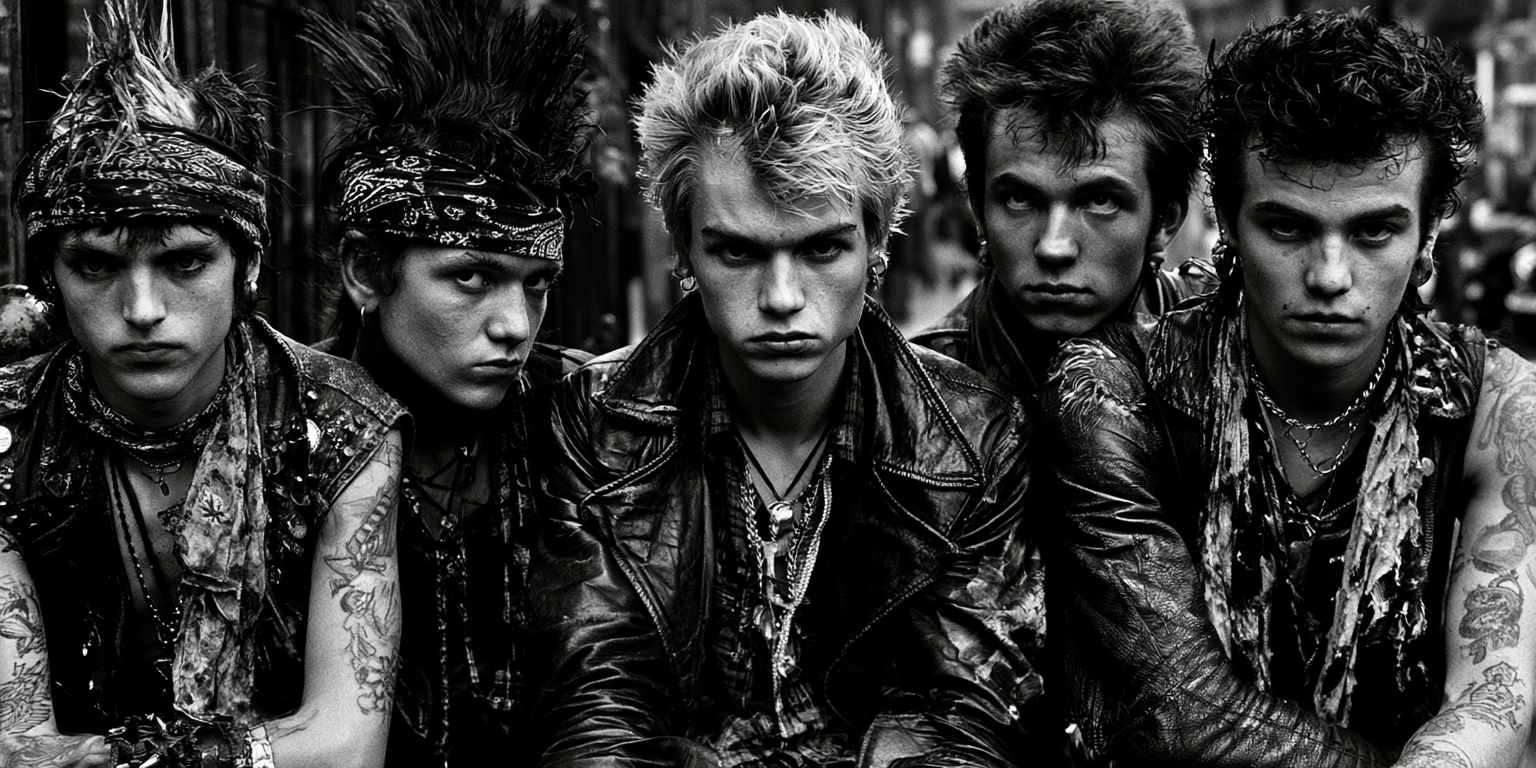
Similarly, a leather jacket, a Mohawk haircut or a pair of Dr. Martens could become symbols of resistance.
The products themselves mattered less than what they represented.
This remains hugely relevant in modern marketing.
Consumers frequently buy symbols as much as products.



Counterculture vs Subculture
The terms are often used interchangeably, but they are not the same thing.
A subculture is simply a distinct group within society.
Examples include:
- Skateboarders
- Gamers
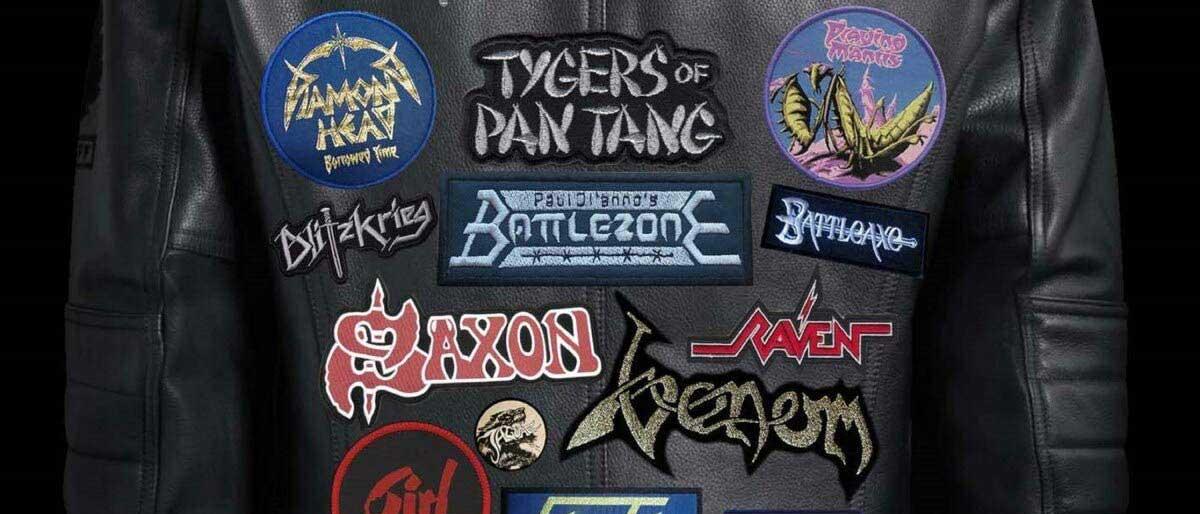
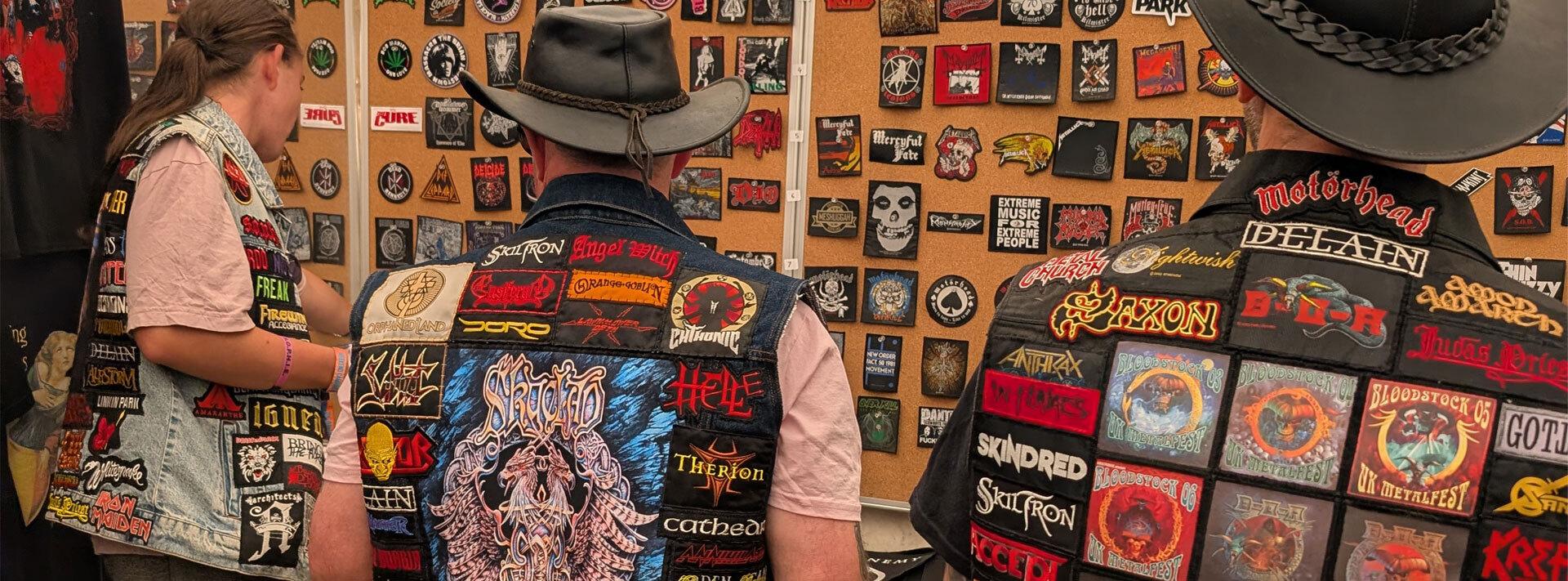
- Heavy metal fans
- Birdwatchers
- Cosplayers
A counterculture goes further.
It actively rejects or challenges mainstream norms.
For example:
| Subculture | Counterculture |
|---|---|
| Cycling enthusiasts | Environmental activists opposing car culture |
| Music fans | Punk movement rejecting mainstream values |
| Health-conscious consumers | Anti-industrial food movements |
| Technology enthusiasts | Early open-source software advocates |
All countercultures are subcultures.
Not all subcultures are countercultures.
The Hippie Movement
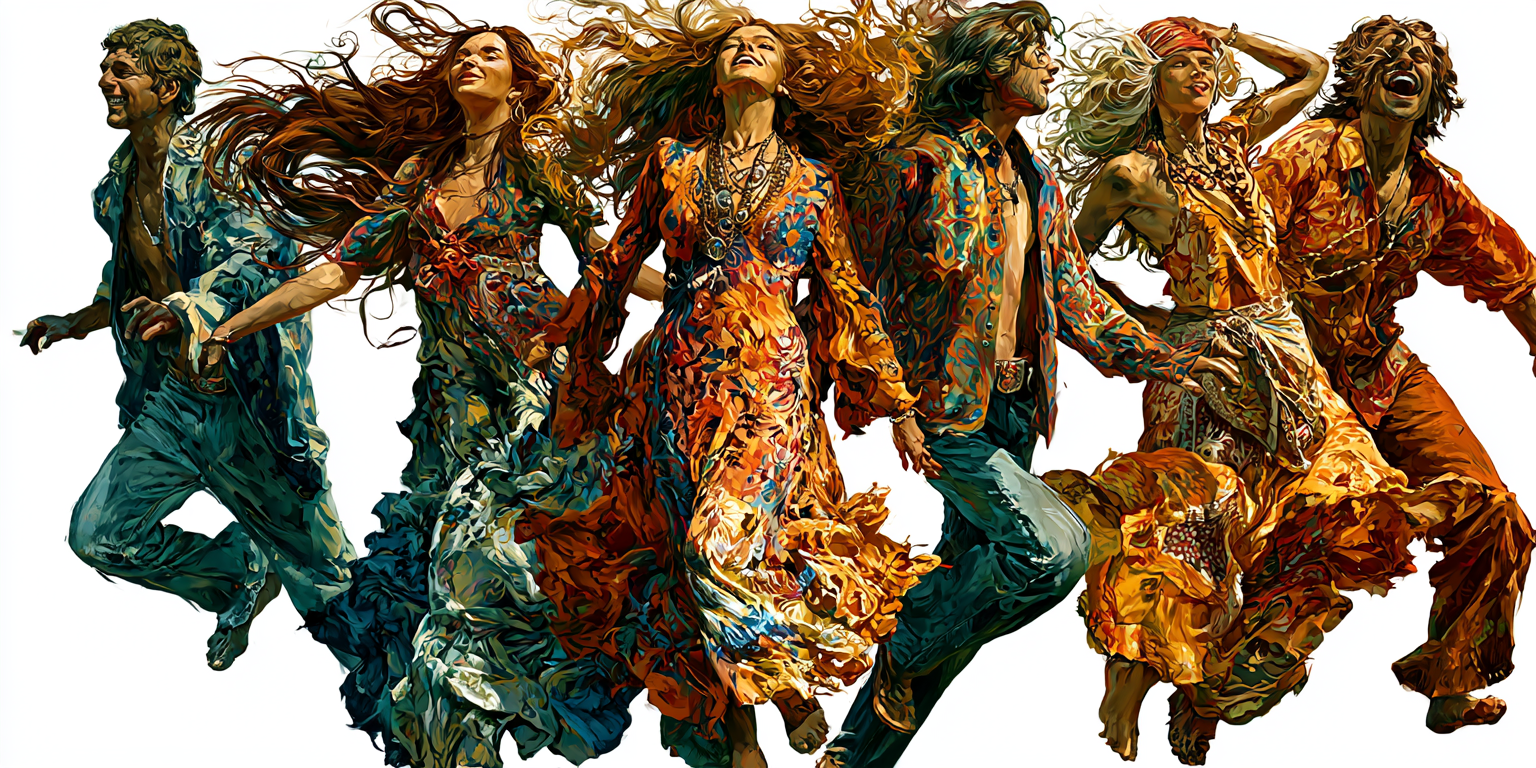
The classic example remains the hippie movement of the 1960s.
Young people across the United States and Europe challenged:
- Consumerism
- Materialism
- War
- Traditional family structures
- Political authority
They embraced:
- Communal living
- Environmentalism
- Peace activism
- Alternative spirituality
At the time, mainstream society often viewed hippies as dangerous idealists.
Today, many of their ideas have become mainstream.
Organic food, environmental awareness, yoga, mindfulness and sustainability all have roots that overlap with countercultural movements.
This highlights an important pattern.
Countercultures often become tomorrow’s culture.
Punk: Resistance Through Style
Few movements illustrate cultural resistance more clearly than punk.
Emerging during the 1970s amid economic uncertainty, punk rejected:
- Corporate culture
- Political institutions
- Social expectations
The movement embraced DIY ethics.
Bands created their own records.
Fans made their own clothes.
Independent labels challenged major music companies.
From a marketing perspective, punk demonstrates something important:
Authenticity matters.
People joined the movement because it felt genuine.
The moment something appeared manufactured or commercialised, it lost credibility.
Many brands still struggle with this lesson today.
The Commercialisation Cycle
Ironically, successful countercultures are often absorbed into mainstream culture.
This process fascinated cultural theorists.
The pattern usually looks like this:
- A counterculture emerges.
- Society rejects it.
- The movement grows.
- Brands notice.
- Commercial opportunities appear.
- The movement becomes mainstream.
Punk clothing eventually appeared in high-street retailers.
Skateboarding moved from rebellious pastime to Olympic sport.
Hip-hop evolved from an underground cultural movement into a multi-billion-pound global industry.
This process is sometimes referred to as “recuperation” – the absorption of oppositional ideas into mainstream commercial culture.

Consumer Culture Theory and Countercultures
Consumer Culture Theory (CCT), developed by scholars such as Eric Arnould and Craig Thompson, provides a useful framework.
CCT argues that consumers do not simply purchase products for functional reasons.
They use products to construct identities.
Countercultures provide particularly powerful identity resources.
A vegan consumer may not simply buy plant-based food.
They may be expressing:
- Ethical beliefs
- Environmental values
- Social identity
- Political positions
Likewise, early electric vehicle adopters were often purchasing more than transport.
They were buying into a vision of the future.
Apple: A Countercultural Brand
One of the most famous marketing examples is Apple.
During the 1980s and 1990s, Apple positioned itself against corporate conformity.
The famous “Think Different” campaign celebrated outsiders, innovators and rule-breakers.
Apple’s advertising implied that choosing a Mac was not simply a technology decision.
It was an identity statement.
Consumers could see themselves as creative rebels rather than corporate drones.
Whether that image still reflects modern Apple is open to debate.
However, its origins were undeniably rooted in countercultural positioning.
Harley-Davidson and the Rebel Identity
Harley-Davidson provides another classic example.
The motorcycles themselves matter.
But the identity matters more.
For decades, Harley has sold freedom, rebellion and independence.
Most Harley owners are not actually rebelling against society.
Many are professionals with mortgages and pensions.
Yet the symbolic value remains powerful.
The brand allows consumers to participate in a countercultural narrative.
Marketing rarely sells reality.
It often sells identity.

Modern Countercultures
Countercultures have not disappeared.
They have simply evolved.
Examples include:
Cryptocurrency Communities
Many early cryptocurrency advocates viewed traditional banking systems with deep scepticism.
The movement attracted people seeking alternatives to established financial institutions.
The Maker Movement
DIY manufacturing, 3D printing and independent production challenge mass-production models.
Digital Minimalism
A growing movement rejects constant connectivity and social media dependency.
The Real Food Movement
Many consumers increasingly question industrial food production and ultra-processed products.
This movement has influenced everything from human nutrition to pet food marketing.
Open-Source Software Communities
Developers have long challenged proprietary software models by advocating collaboration and shared innovation.
What Marketers Can Learn
Countercultures offer several important lessons.
People Buy Meaning
Products become symbols.
The meaning attached to a product can become more valuable than its functional benefits.
Authenticity Cannot Be Faked
Countercultures are highly sensitive to insincerity.
Brands attempting to exploit movements without genuinely supporting them often face backlash.

Today’s Fringe Can Become Tomorrow’s Mainstream
Many ideas that begin on the cultural margins eventually become normal.
Spotting these shifts early can provide enormous competitive advantages.
Communities Drive Growth
Countercultures thrive because they create belonging.
People want to feel part of something bigger than themselves.
The most successful brands understand this.
The Marketing Perspective
Perhaps the most interesting aspect of countercultures is that they reveal a fundamental truth about marketing.
People are not always looking to fit in.
Sometimes they are looking to stand out.
Sometimes they are looking to challenge authority.
Sometimes they are looking to express dissatisfaction with the status quo.
The irony, of course, is that successful countercultures often become the establishment they once opposed.
Punk became fashion.
Hip-hop became global entertainment.
Organic food became supermarket standard.
And many of yesterday’s rebels became today’s market leaders.
For marketers, understanding countercultures means understanding cultural change itself.
And if marketing is ultimately about understanding people, there are few subjects more valuable to study.
TL;DR
Countercultures are groups that actively challenge mainstream social norms and values. Academic researchers such as Theodore Roszak, Stuart Hall and Dick Hebdige showed how these movements use symbols, style and consumption to express resistance. From hippies and punks to cryptocurrency advocates and the real food movement, countercultures frequently shape future consumer behaviour. For marketers, they provide an early warning system for cultural change, revealing emerging values, identities and communities long before they become mainstream. Many of today’s biggest brands succeeded by understanding these movements before everyone else did.