

How to Define a Culture or Subculture
From Heavy Metal to Norwegian Black Metal – understanding identity, resistance, and belonging
What Is a Subculture (And Why It Matters)
At its simplest, a subculture is a group within a wider society that develops its own values, norms, symbols, and behaviours, often in contrast to the mainstream.
That sounds neat and tidy. In reality, it’s messy, emotional, and often loud (sometimes deliberately so).
The academic roots of subculture theory sit with the Chicago School of Sociology, which explored how groups form distinct identities – often as a response to social conditions, exclusion, or shared experiences.
Later thinkers like Dick Hebdige took this further, arguing that subcultures are forms of symbolic resistance – using style, music, and behaviour to push back against dominant norms.
So, defining a subculture isn’t just about what people like. It’s about:
- What they believe
- How they signal identity
- Who they include (and exclude)
- And crucially – what they reject
The Marketing Made Clear Podcast
This article features content from the Marketing Made Clear podcast. You can listen along to this episode on Spotify:
A Practical Framework: How to Define a Subculture
If you want to properly define any culture or subculture (whether for research or marketing), you need to go beyond surface-level traits.
1. Shared Values and Beliefs
What does the group stand for – or stand against?
Subcultures often emerge as a reaction to mainstream values. That might be subtle (eco-conscious consumers) or extreme (anti-religious black metal scenes).
2. Symbols and Aesthetics
This is the visible layer – fashion, language, imagery.
Think:
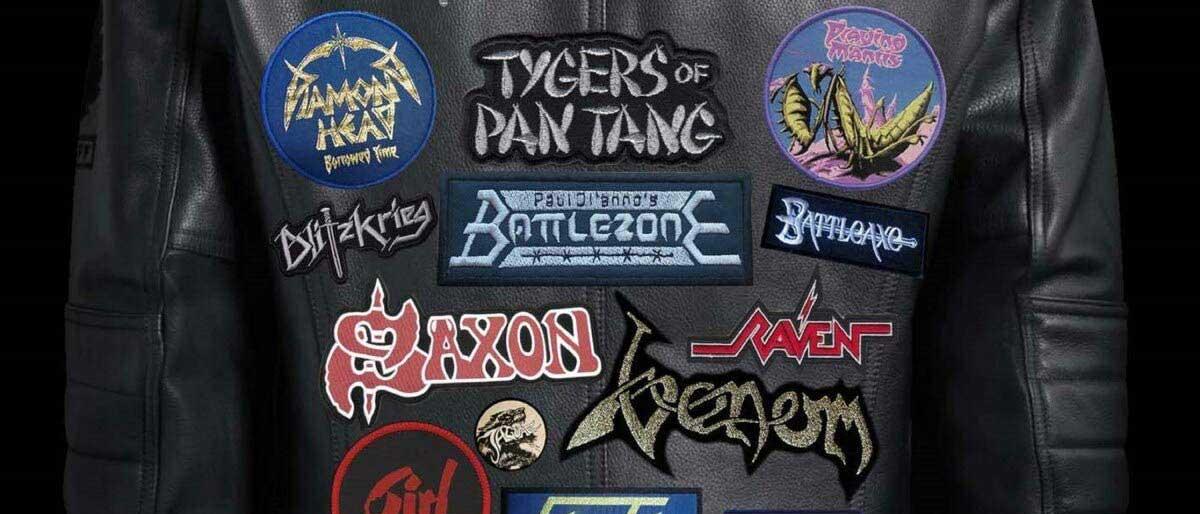
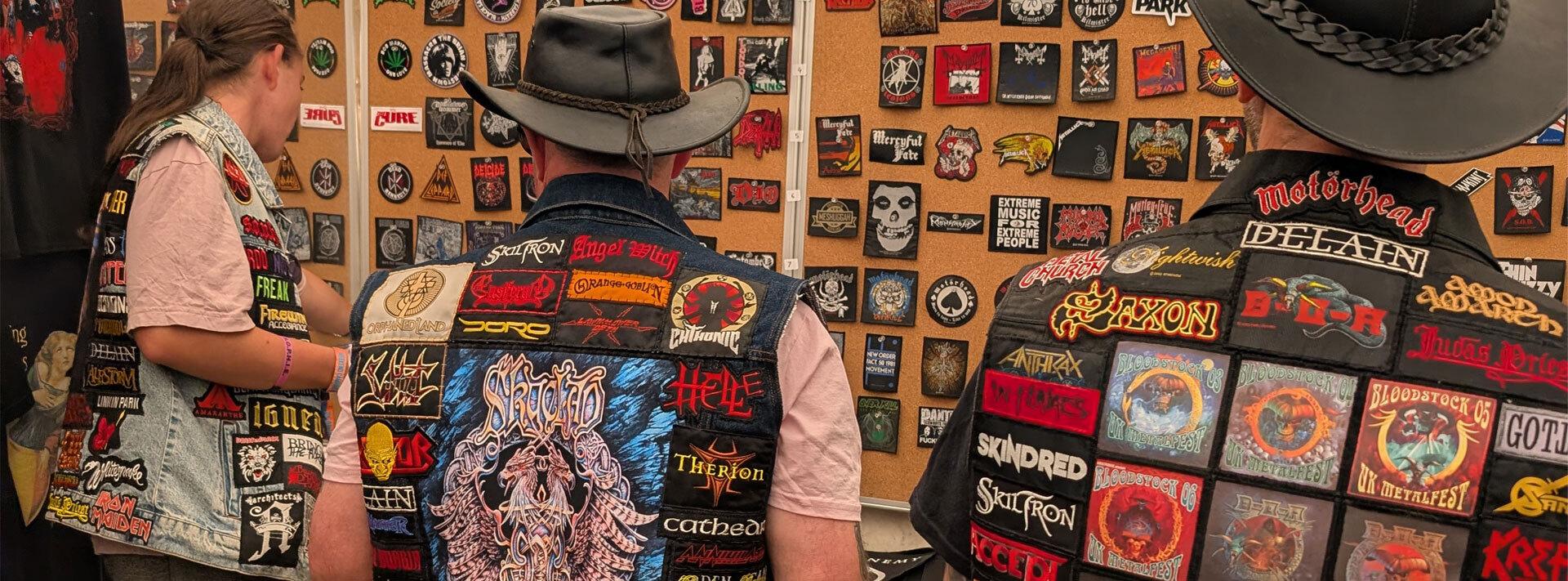
- Leather jackets and band patches
- Corpse paint in black metal
- Slang and insider terminology
These aren’t random – they’re badges of belonging.
3. Rituals and Behaviours
What do members do together?
- Concert attendance
- Online forums and communities
- Collecting artefacts (vinyl, merch, zines)
These rituals reinforce identity and group cohesion.
4. Authenticity and Gatekeeping
Every subculture has rules – whether written or not.
Heavy metal, for example, has a strong “authenticity code”, where being seen as a “sell-out” can exclude you from the group.
This is where things get interesting – because subcultures don’t just define themselves, they police themselves.
5. Relationship to the Mainstream
A subculture only exists in relation to the dominant culture.
- Opposition (punk, black metal)
- Parallel existence (gaming communities)
- Eventual absorption (streetwear, hip-hop fashion)
Hebdige famously argued that once the mainstream adopts a subculture’s style, its “resistance” begins to fade.
In other words – the moment your mum starts wearing it, it’s probably over.

Case Study 1: Heavy Metal as a Subculture of Alienation
Heavy metal is one of the clearest examples of a fully formed subculture.
Emerging in the 1970s in the UK and US, it quickly evolved into a distinct cultural world with its own identity, rituals, and codes.
What Defines Heavy Metal as a Subculture?
- Shared identity: Often described as a “subculture of alienation”
- Authenticity rules: Rejecting commercialism and “selling out”
- Visual identity: Long hair, leather, denim, patches
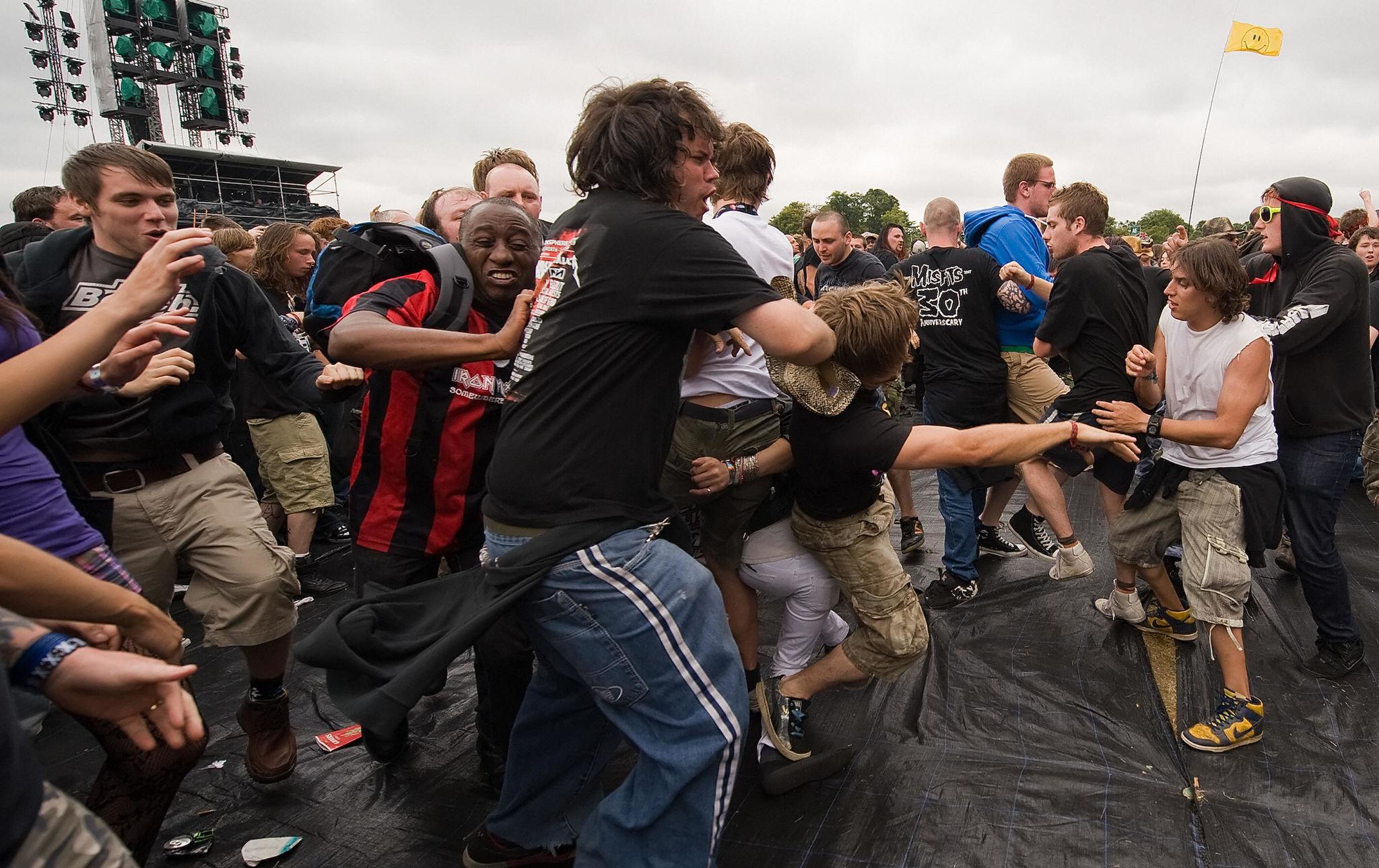
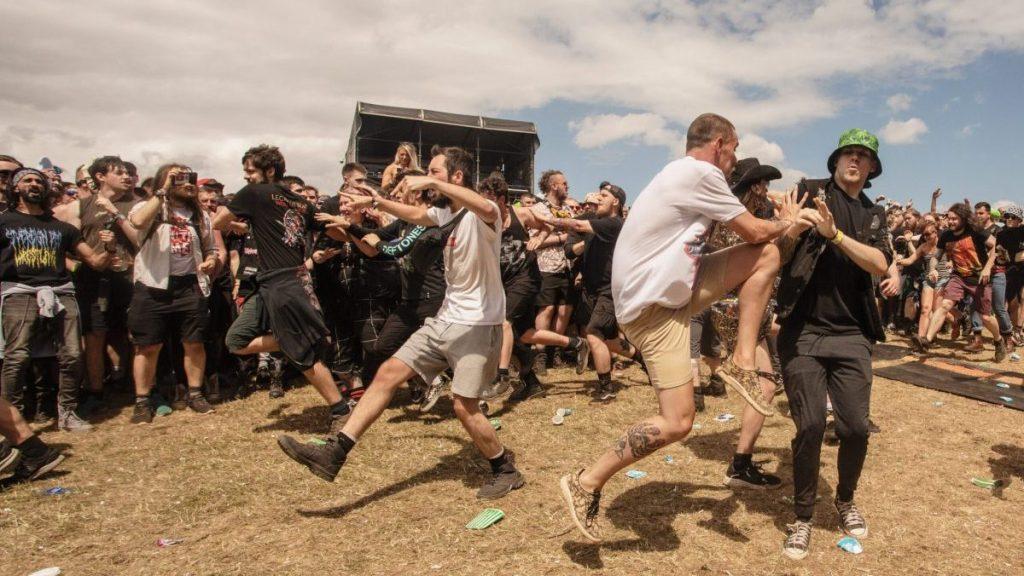
- Rituals: Live gigs, headbanging, collecting music
Perhaps most interesting is how metal defines insiders vs outsiders.
The idea of the “poseur” – someone who looks the part but doesn’t live the culture – shows how seriously authenticity is taken.
This is not just fandom. It’s identity performance.

Case Study 2: Norwegian Black Metal – When Subculture Turns Extreme
If heavy metal is a subculture, Norwegian black metal is what happens when that subculture radicalises.
Emerging in the early 1990s, the Norwegian scene became infamous not just for music, but for real-world actions – including church burnings and violent incidents.
What Defines Norwegian Black Metal?
- Ideological opposition: Anti-Christian, anti-modernity
- Extreme symbolism: Corpse paint, pagan imagery, darkness
- Philosophical stance: Rejection of globalisation and mainstream values
- Hyper-authenticity: Extreme commitment to beliefs
Unlike many subcultures, black metal didn’t just symbolically resist – parts of it acted on that resistance.
It also demonstrates a fascinating tension:
- Radical individualism (one-man bands, personal expression)
- Strong group identity (shared ideology and aesthetic)
That contradiction sits at the heart of many subcultures.

The Top 5 Norwegian Black Metal Bands
Here are the top 5 Norwegian Black Metal bands, widely regarded as the trailblazers and cornerstones of the genre:
1. Mayhem
As mentioned already, the pioneers of Norwegian Black Metal, Mayhem are infamous for their chaotic history, including the suicide of vocalist Dead and the murder of guitarist Euronymous by fellow bandmate Varg Vikernes. Their debut album, De Mysteriis Dom Sathanas (1994), is considered a genre-defining masterpiece.
2. Burzum
Founded by the controversial (and already mentioned) Varg Vikernes, Burzum is as much about atmosphere as aggression. Vikernes’ early works like Hvis Lyset Tar Oss (1994) and Filosofem (1996) brought a minimalist, ambient edge to Black Metal, influencing countless bands worldwide.
3. Darkthrone
Originally a death metal band, Darkthrone transitioned into Black Metal with their 1992 album A Blaze in the Northern Sky. Albums like Under a Funeral Moon (1993) and Transilvanian Hunger (1994) are raw, lo-fi classics that epitomise the second wave of Black Metal.
4. Immortal
Known for their frosty, epic sound and meme-worthy corpse-painted faces, Immortal brought a slightly more accessible side to Black Metal. Albums like Pure Holocaust (1993) and At the Heart of Winter (1999) combined blistering speed with melodic riffs, cementing their legacy.
5. Emperor
Emperor blended traditional Black Metal with symphonic elements, creating a more sophisticated, layered sound. Albums like In the Nightside Eclipse (1994) and Anthems to the Welkin at Dusk (1997) are revered as technical masterpieces in the genre.
Subculture as Identity, Not Just Interest
One of the biggest mistakes people make is treating subcultures like hobbies.
They’re not.
Subcultures are closer to identity systems:
- They tell you who you are
- Who you’re not
- And who you’re allowed to be
In heavy metal, that might mean rejecting mainstream pop culture.
In black metal, it might mean rejecting modern society entirely.
Either way, the function is the same: belonging through difference.
Why This Matters (Especially for Marketers)
Subcultures are where real loyalty lives.
But they’re also where brands most often get it wrong.
Because subcultures can’t be “targeted” in the traditional sense. They have to be:
- Understood
- Respected
- And ideally, participated in
If you treat a subculture like an audience segment, you’ll be ignored.
If you treat it like a community, you might be accepted.
There’s a big difference.

Final Thought
To define a subculture properly, you have to look beyond the obvious.
It’s not just about music, fashion, or trends.
It’s about:
- Identity
- Resistance
- Authenticity
- And belonging
From heavy metal gigs to Norwegian forests filled with corpse-painted musicians, subcultures remind us of something quite fundamental:
People don’t just want to fit in.
They want to stand apart – together.