

Chinese New Year: The World’s Biggest Annual “Brand Reset”
(and What Marketers Can Learn From It)
Chinese New Year – also known as Lunar New Year or Spring Festival – is one of the most important cultural events on the planet. It’s not just a holiday. It’s a full-scale societal reboot.
Families travel across entire countries. Cities transform overnight. Businesses pause. Food becomes ceremonial. Red appears absolutely everywhere. And entire industries shift their marketing calendars around it like it’s the Super Bowl… except it lasts for weeks and involves significantly more dumplings.
For marketers, Chinese New Year is fascinating because it isn’t simply “a seasonal campaign opportunity”. It’s a masterclass in cultural meaning, tradition, behavioural triggers, symbolism, and collective emotion – all playing out at an enormous scale.
This article explains what Chinese New Year actually is, why it matters so much, and what marketers can learn from it without falling into the classic trap of lazy cultural copy-and-paste.
The Marketing Made Clear Podcast
This article features content from the Marketing Made Clear podcast. You can listen along to this episode on Spotify:
What is Chinese New Year (and why does it matter so much)?
Chinese New Year is the start of the new year in the traditional Chinese lunisolar calendar. It’s celebrated across China and widely across East and Southeast Asia, as well as by Chinese communities globally.
You’ll often hear it called:
-
Chinese New Year
-
Lunar New Year
-
Spring Festival
They’re closely related, but not always identical depending on the culture and country. For example, Lunar New Year is also celebrated in places like Vietnam (Tết) and Korea (Seollal), with their own customs, food, and traditions.
Chinese New Year typically includes:
-
Family reunions and large shared meals
-
Giving red envelopes (hongbao) containing money
-
Fireworks and public celebrations
-
Cleaning and decorating homes
-
Visiting relatives and honouring ancestors
-
Symbolic food, colours, and rituals meant to bring luck and prosperity
And crucially for marketers: it’s a time when people spend money…
A lot.
Gifts, travel, food, clothing, beauty, home décor, tech upgrades – it’s one of the most commercially significant periods of the year in many markets.
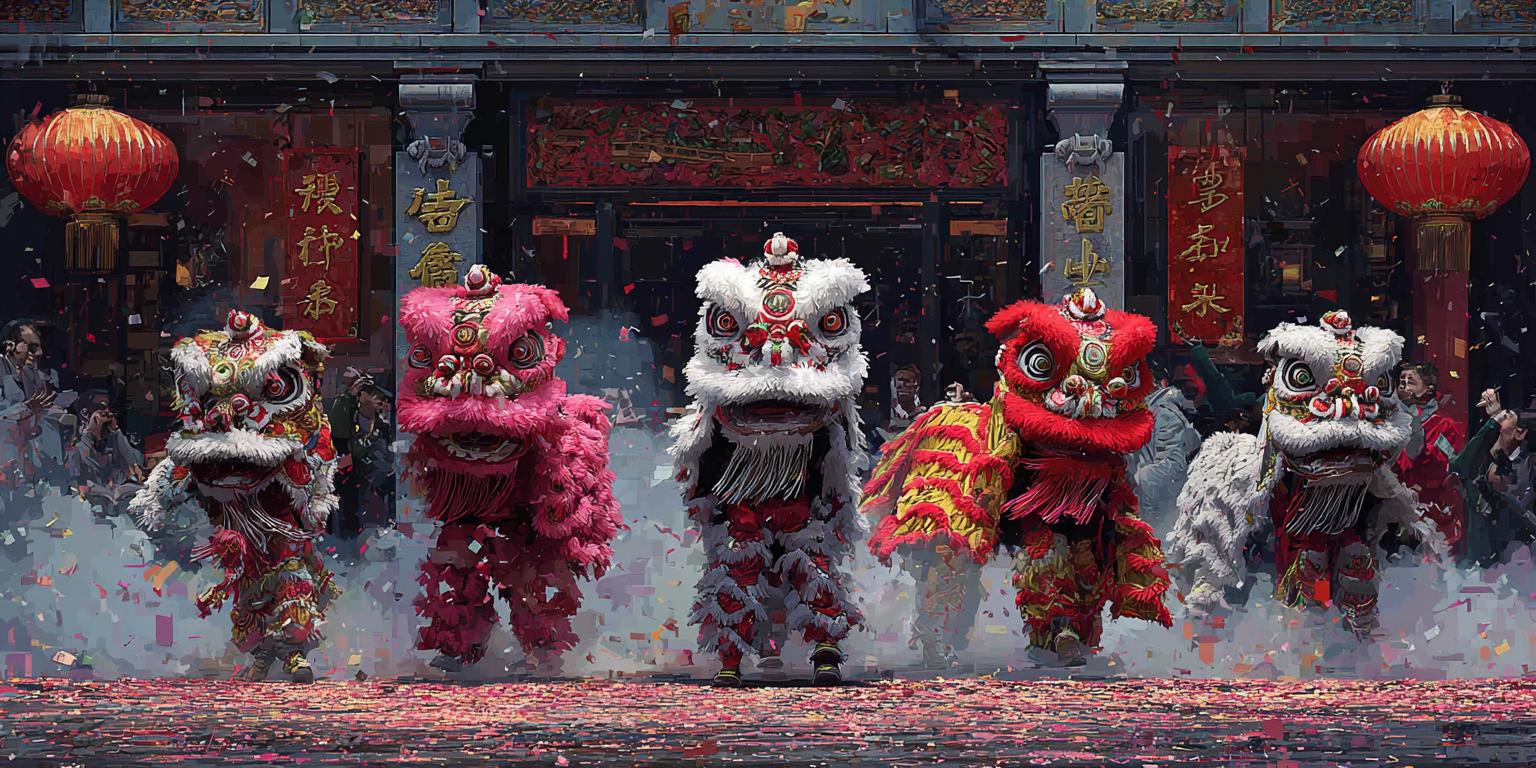
The marketing goldmine: it’s not “new year”, it’s meaning
Western New Year (31st December / 1st January) is often treated as a big night out, followed by a few days of “new year, new me” content and gym membership panic.
Chinese New Year is different.
It’s rooted in symbolism and identity.
That means it comes with built-in emotional triggers that are marketing gold:
-
Belonging (family reunions, homecoming)
-
Nostalgia (rituals, food, tradition)
-
Renewal (fresh starts, cleansing, new clothes)
-
Prosperity (luck, wealth, abundance)
-
Protection (warding off bad fortune)
-
Status and respect (gift-giving, etiquette, relationships)
In other words: it’s not a date. It’s a narrative.
And narratives are where brands win.
Why the colour red is basically the MVP of Chinese New Year branding
If you’ve ever seen Chinese New Year marketing and thought, “Blimey, that’s a lot of red,” you’re not wrong.
Red symbolises:
-
Good fortune
-
Joy
-
Celebration
-
Protection against evil
It’s everywhere – lanterns, envelopes, banners, clothing, packaging, shop displays.
From a branding point of view, it’s also a rare example of a colour meaning being widely understood and emotionally loaded at scale.
Marketers love distinctive brand assets – and Chinese New Year is like a global reminder that symbols work because they mean something.
You can’t manufacture that kind of cultural meaning in a brand workshop. You earn it through repetition, tradition, and shared understanding over time.

The Chinese zodiac: a built-in annual campaign theme (done properly)
Each year in the Chinese zodiac is associated with an animal sign (and one of the five elements), forming a 12-year cycle.
This gives brands an easy creative hook:
-
Limited edition packaging
-
Collectable designs
-
Character-led storytelling
-
Gift sets and seasonal products
-
Social content themes and illustrations
But it also comes with a warning.
Because if you’re going to use zodiac symbolism, you need to understand what it represents. Otherwise, you end up with the marketing equivalent of wearing a football shirt for a team you don’t support and then confidently chanting the wrong player’s name.
Yes, people will notice.
And yes, it will be embarrassing.

The real engine of Chinese New Year: family, food, and “home”
If you want to understand why Chinese New Year is so powerful, focus on three things:
1. Family is the headline act
Chinese New Year is often described as the most important time of year for family reunion.
That means the emotional centre of gravity isn’t partying or fireworks – it’s belonging.
Brands that perform well during this season often tap into:
-
Reunion stories
-
Intergenerational love
-
Homecoming journeys
-
Shared meals
-
Small moments of care
2. Food is symbolism you can taste
Food during Chinese New Year isn’t just “nice things to eat”.
It’s often chosen because it symbolises luck, prosperity, longevity, or togetherness.
That’s why FMCG brands go big here – because food is already meaningful before the advert even starts.
3. Home is the stage
Cleaning, decorating, and preparing the home is part of the ritual.
So categories like:
-
Homeware
-
Cleaning products
-
Furniture
-
Decor
-
Electronics
-
Grocery
-
Fashion
All have natural relevance – if they’re culturally respectful and not just slapping a red label on something and calling it a campaign.
The travel effect: when consumer behaviour changes at scale
Chinese New Year involves one of the largest annual human migrations in the world, as people travel to return home.
From a marketing perspective, this is huge because it changes:
-
Where people are spending time
-
What they are buying
-
How they shop (online vs offline)
-
What “convenience” means
-
The importance of gifting and portable products
This is the kind of behavioural shift marketers dream of, because it creates predictable spikes in demand across specific categories.
It’s also a reminder of something basic but often ignored:
Marketing is easier when you align with what people are already doing.
You don’t need to force a behaviour. You need to ride the wave.
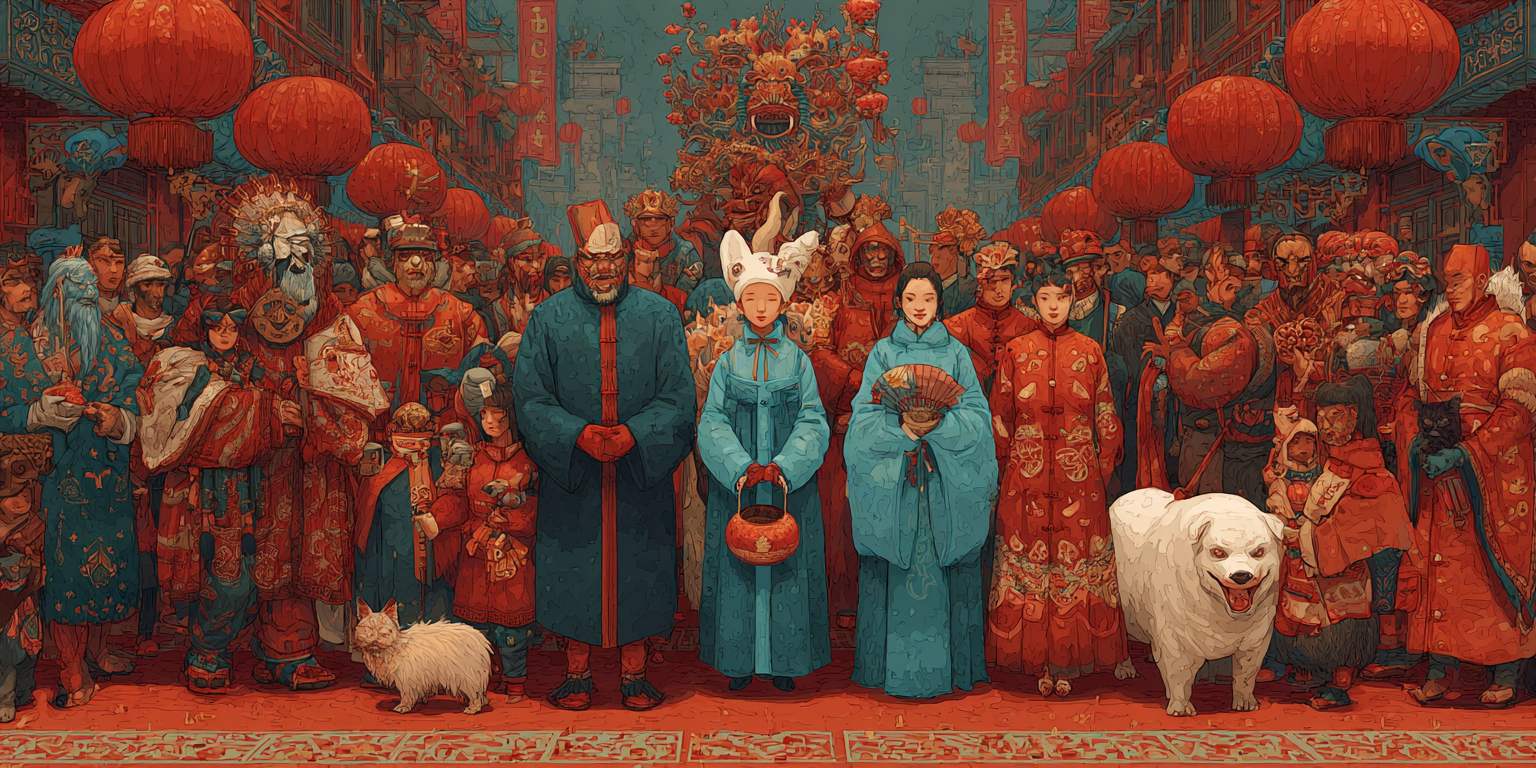
What Chinese New Year teaches marketers (without the fluff)
Here are the genuinely useful lessons marketers can take from Chinese New Year – whether you’re in FMCG, SaaS, B2B, retail, or running a scrappy little content platform like Marketing Made Clear.
1. Culture beats creativity
You can have the best creative in the world, but if it doesn’t align with cultural meaning, it won’t land.
Chinese New Year proves that cultural context is the multiplier.
The “idea” is often simple.
The meaning is what makes it powerful.
2. Symbols are shortcuts – and shortcuts sell
Colours, rituals, icons, and phrases act as mental shortcuts.
They reduce decision-making effort.
And as any marketer who has ever tried to get a customer to read a full product description knows… effort is the enemy.
3. People buy to express values, not just to consume
Chinese New Year spending is often about:
-
Respect
-
Relationships
-
Duty
-
Love
-
Status
-
Generosity
That’s not just “consumerism”. That’s identity.
And brands that understand identity marketing properly don’t just sell products – they sell signals.
4. Seasonal marketing works best when it’s behavioural, not decorative
There’s a difference between:
-
“Let’s do a Chinese New Year version of our logo”
and -
“Let’s support how people actually behave during this period”
The first is decoration.
The second is strategy.
5. Limited editions work when they feel earned
Chinese New Year is a prime moment for limited edition products.
But limited edition doesn’t mean “same product, different sticker”.
It works when:
-
the product fits gifting behaviour
-
the packaging design respects the symbolism
-
the experience feels seasonal
-
the campaign tells a story people recognise
How brands can get it wrong (and why it backfires)
Now for the uncomfortable bit.
Chinese New Year marketing can go wrong quickly, especially for brands outside the culture.
Common mistakes include:
-
Using random “Asian” imagery that isn’t Chinese (or isn’t even coherent)
-
Getting language wrong (or using Google Translate as a creative director)
-
Using zodiac symbols incorrectly
-
Overdoing stereotypes (dragons, lanterns, vague “mystical” nonsense)
-
Treating the celebration as purely commercial
-
Ignoring the diversity of Lunar New Year celebrations across countries
This isn’t about being overly cautious or scared to participate.
It’s about respect and accuracy.
If you’re going to borrow meaning from a culture, you need to do the work.
Because audiences – especially younger ones – are very good at spotting when a brand is just turning a celebration into a sales event.
Chinese New Year and the bigger lesson: marketing is anthropology with KPIs
Philip Kotler is often credited with pushing marketing beyond selling and into the broader idea of understanding needs, behaviour, and society.
Chinese New Year is a reminder that the best marketing isn’t just about persuasion.
It’s about understanding people.
Their rituals.
Their relationships.
Their symbols.
Their reasons.
Or to put it another way: you can have all the performance marketing dashboards you like, but if you don’t understand the human bit, you’re basically just doing maths with confidence.
Final thought: Chinese New Year is the ultimate example of “earned attention”
Chinese New Year doesn’t need brands to create hype.
It already has:
-
anticipation
-
meaning
-
tradition
-
emotion
-
scale
-
behavioural momentum
Brands succeed here when they join in respectfully and support what people already care about.
That’s the real takeaway.
Not “use red packaging”.
Not “do a zodiac post”.
But:
Find moments that matter to people, and be useful inside them.
That’s marketing at its best.
For the wider market context: Read Marketing in China: platforms, policy and practice for the broader platform, regulatory and consumer landscape.
TL;DR (Summary)
Chinese New Year (Spring Festival) is one of the world’s most significant cultural and commercial moments, driven by deep symbolism, family reunions, gifting, food rituals, and a powerful sense of renewal. For marketers, it’s a masterclass in how meaning, tradition, and shared cultural cues can shape consumer behaviour at scale. Brands that succeed focus on real seasonal behaviours and cultural respect – not lazy decoration or stereotype-led campaigns.