

Black-Owned Brands That Changed the Game
For Black History Month
As Black History Month continues, we’ve looked at the origins of the celebration and profiled some of the trailblazers who reshaped the marketing industry. For the final part of this series, it feels only right to celebrate Black-owned brands that have not only disrupted industries but also redefined how businesses think about consumers, culture, and representation.
These are not just success stories; they’re case studies in how marketing works at its best; spotting unmet needs, connecting with audiences authentically, and creating cultural movements that become commercial powerhouses.
The Marketing Made Clear Podcast
Check out the Marketing Made Clear Podcast on all good streaming platforms including Spotify:
Fenty Beauty: Redefining Inclusivity
When Rihanna launched Fenty Beauty in 2017, the cosmetics industry was ripe for disruption. Foundations typically came in a narrow set of shades, leaving many consumers; particularly women of colour, excluded. Fenty Beauty turned that on its head with 40 foundation shades at launch, marketed under the banner of “Beauty for All.”
The campaign wasn’t just inclusive in product design; it was inclusive in tone, imagery, and community building. By centring those previously excluded, Fenty didn’t just win fans, it forced the entire industry to expand its approach. Competing brands scrambled to diversify their ranges, a phenomenon dubbed the “Fenty Effect.”
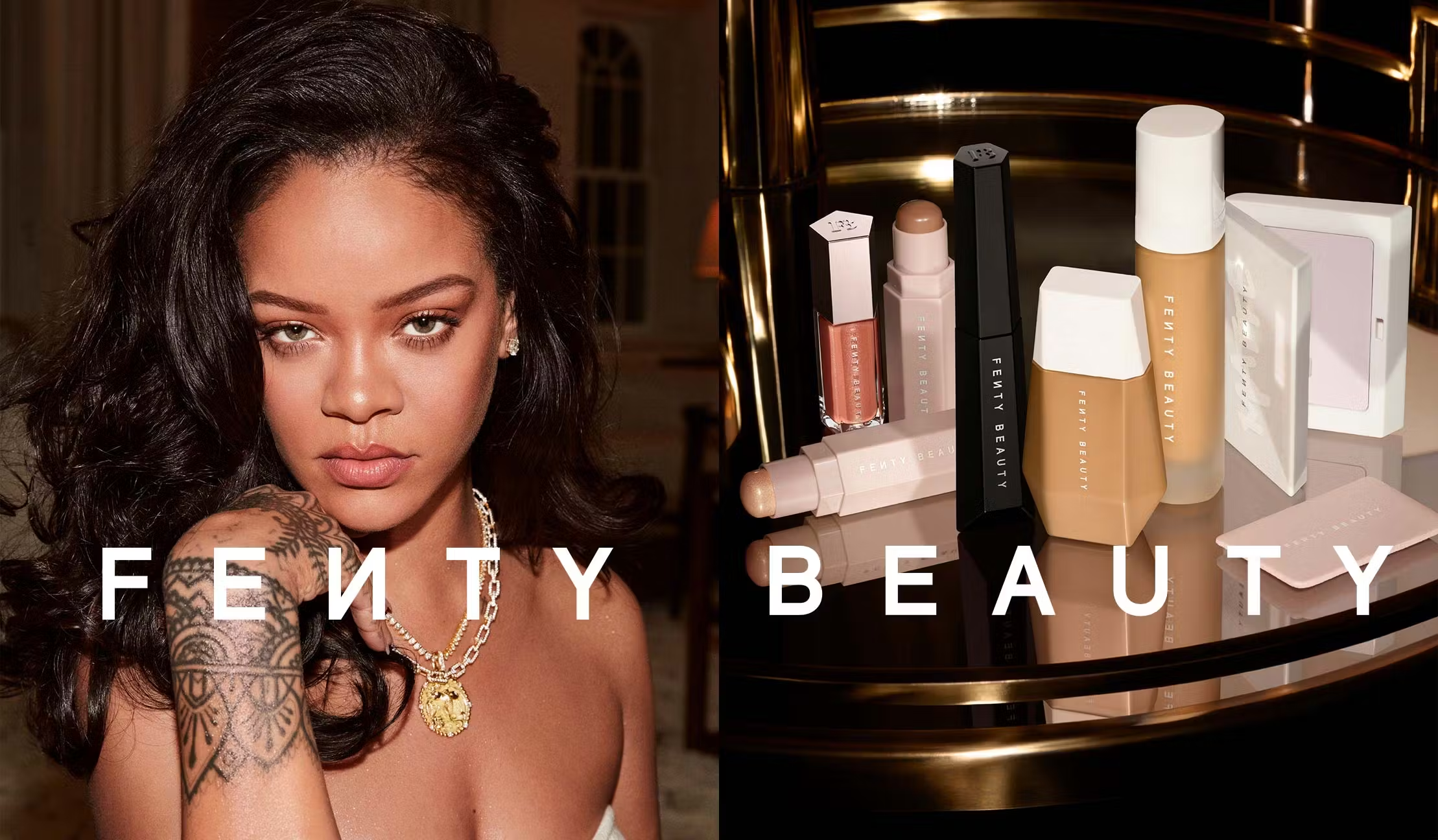
Marketing lesson: Representation is not just a social issue; it’s a market opportunity. By addressing a neglected audience, Fenty captured loyalty and reshaped an entire sector.
SheaMoisture: Authentic Heritage, Global Reach
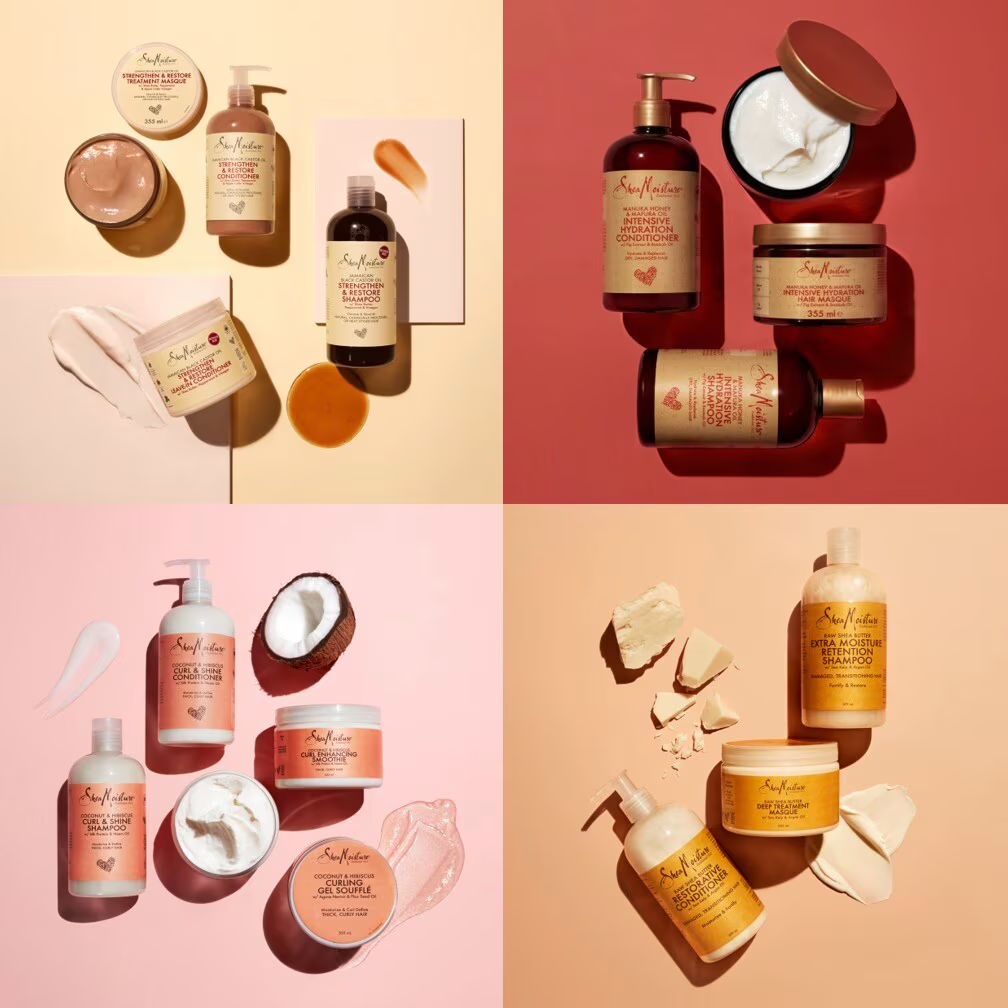
Founded in 1991 by Richelieu Dennis, SheaMoisture was inspired by recipes passed down from his grandmother in Sierra Leone. What began as a small family-run business selling shea butter products has grown into an international brand sold in major retailers worldwide.
SheaMoisture’s success lies in its ability to remain authentic. The brand doesn’t just sell shampoo or body lotion; it sells a connection to cultural heritage, packaging tradition as premium yet accessible self-care. Its marketing has consistently championed inclusivity, often spotlighting Black women whose beauty needs had been sidelined by mainstream brands.
Unilever acquired SheaMoisture in 2017, but the brand continues to operate with a strong social mission, funding initiatives that support Black entrepreneurs.
Marketing lesson: Brands built on authentic heritage and storytelling can scale globally without losing their identity.
Walker & Company (Bevel): Serving an Ignored Market
In 2013, entrepreneur Tristan Walker founded Walker & Company Brands, with its flagship product line, Bevel, designed to address shaving irritation and razor bumps; issues that disproportionately affect Black men.
Mainstream grooming brands had long overlooked these specific needs, treating them as niche. Walker flipped that narrative, positioning Bevel as both problem-solving and aspirational. The sleek design and high-quality branding elevated Bevel beyond a functional solution into a lifestyle choice.
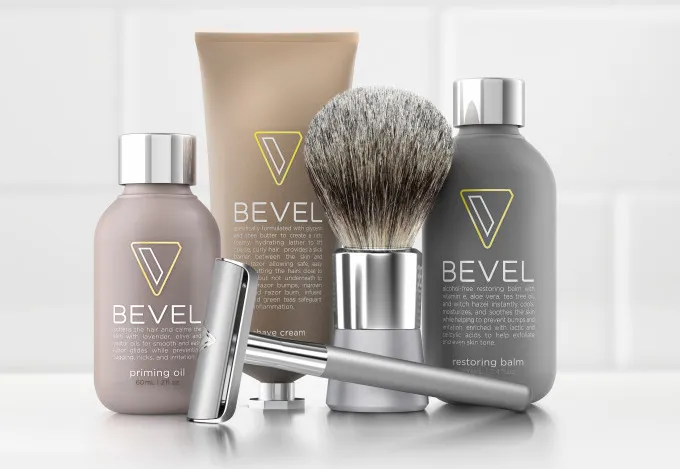
In 2018, Procter & Gamble acquired Walker & Company, recognising the strategic value of a brand that had captured loyalty through cultural understanding.
Marketing lesson: Spotting overlooked consumer pain points can unlock huge markets. When paired with premium branding, even “niche” solutions can go mainstream.
Pat McGrath Labs: The World’s Most Influential Makeup Artist
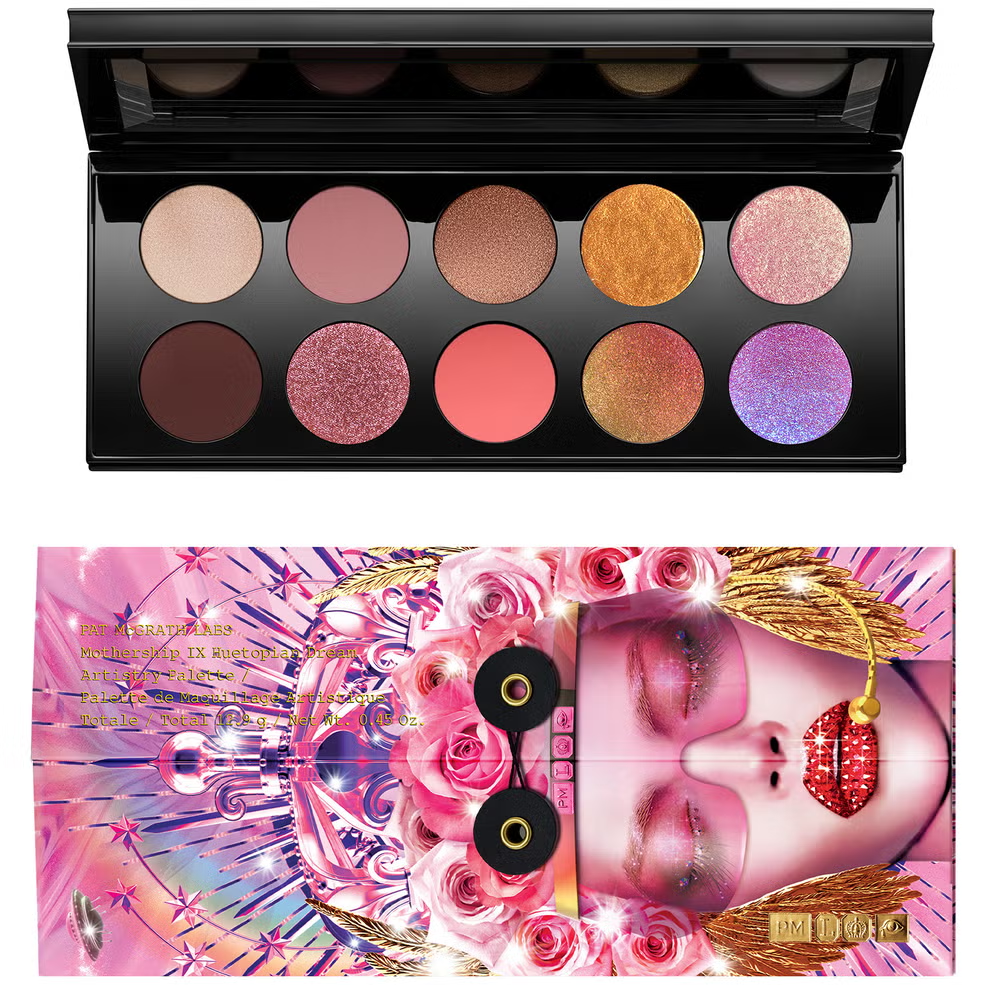
Often called the most influential makeup artist alive, Dame Pat McGrath turned her artistry into a brand phenomenon. Launching Pat McGrath Labs in 2015, she disrupted luxury beauty by fusing high fashion with direct-to-consumer marketing.
Known for her bold visuals, limited-edition drops, and Instagram-driven hype, McGrath positioned her brand as makeup-as-art. Her packaging – all gold and opulence – matched the sense of exclusivity. In 2018, her company was valued at over $1 billion, making her one of the most successful self-made women in beauty.
Marketing lesson: Scarcity and storytelling can build cult-like followings. McGrath shows how digital platforms allow individuals to scale influence into global empires.
Pyer Moss: Fashion Meets Activism
Founded in 2013 by designer Kerby Jean-Raymond, Pyer Moss is a fashion brand that has made activism central to its identity. From shows that highlight police brutality to collaborations with Reebok, Pyer Moss has consistently used fashion as a platform for storytelling and protest.
Rather than dilute its message for commercial safety, Pyer Moss has leaned into activism, and been rewarded with critical acclaim, industry awards, and a loyal following. In 2020, Jean-Raymond was named Creative Director of Reebok, proving that activism and commerce aren’t mutually exclusive.
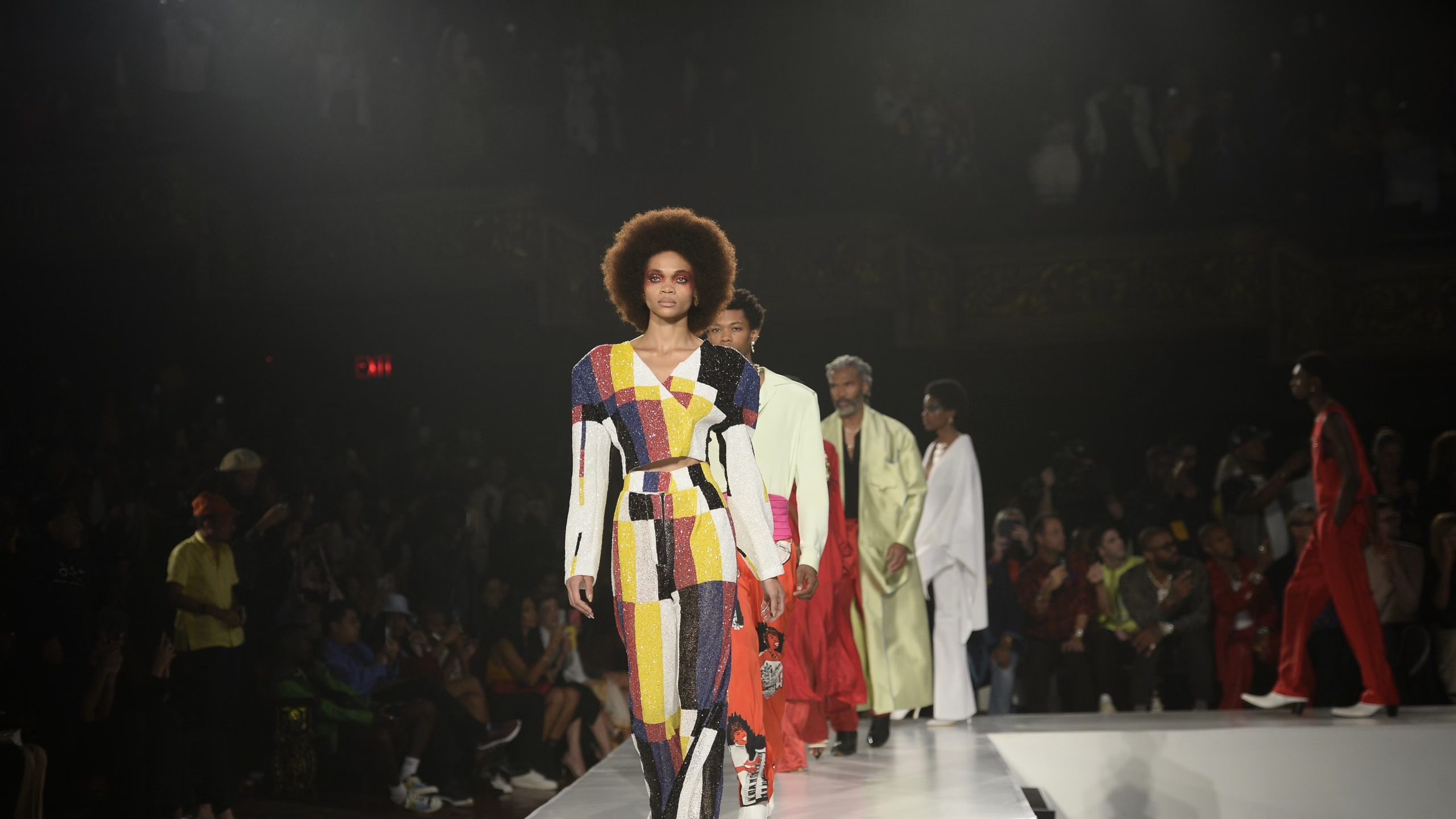
Marketing lesson: Brands with a clear, values-led stance can build powerful emotional connections — even if they polarise. In a noisy marketplace, conviction stands out.
Other Notable Black-Owned Brands
-
Brother Vellies (Aurora James): Luxury footwear and accessories rooted in traditional African design, advocating for sustainability and representation.
-
Slutty Vegan (Pinky Cole): A plant-based fast food chain turned cultural movement, using bold branding and social media to make veganism accessible and fun.
-
Partake Foods (Denise Woodard): Allergy-friendly snacks that have become staples in major US retailers, built on the principle of inclusivity in food.
The Common Thread: Cultural Insight
What unites these Black-owned brands is not just entrepreneurial spirit but cultural insight. They identified gaps where mainstream businesses had either ignored or failed to understand consumer needs.
-
Fenty Beauty proved inclusivity sells.
-
SheaMoisture showed heritage could be a global differentiator.
-
Bevel demonstrated the power of solving overlooked problems.
-
Pat McGrath Labs created a luxury brand built on scarcity and digital hype.
-
Pyer Moss fused values and commerce without compromise.
These case studies underline a truth often forgotten in marketing: the margins are where innovation begins. By serving the underserved authentically, Black-owned brands have often forced entire industries to evolve.
Final Thoughts
Black-owned brands are not simply filling “diversity quotas” in business. They are leading innovation, setting cultural agendas, and redefining categories. For marketers, the lesson is clear: listening to underrepresented voices doesn’t just foster equality — it drives commercial growth.
As we close this Black History Month series, these brands remind us of the power of marketing done right: grounded in authenticity, inclusive by design, and bold enough to shape culture.
TL;DR
-
Black-owned brands have disrupted industries by addressing overlooked audiences with authenticity.
-
Fenty Beauty revolutionised cosmetics with inclusive shade ranges (“The Fenty Effect”).
-
SheaMoisture scaled family heritage into a global business.
-
Bevel solved grooming challenges for Black men with premium branding.
-
Pat McGrath Labs built a billion-dollar luxury brand on artistry and hype.
-
Pyer Moss fused fashion with activism to stand out.
-
The common thread: cultural insight is a competitive advantage.