

When Brand Ambassadors Go Wrong
The Marketing Risks of Celebrity Endorsements
There is an old marketing idea that if people admire someone, they may subconsciously transfer some of those positive feelings onto the brand they represent.
In theory, it makes perfect sense.
If a world-famous athlete drinks a certain sports drink, wears a particular watch, or drives a specific car, consumers may begin associating those products with success, prestige, talent, or aspiration.
This is one of the reasons brand ambassador marketing has existed for decades.
The problem is that humans are messy.
Brands often spend millions carefully building an image of trust, reliability, or inspiration – only for one celebrity scandal to arrive like a wrecking ball through the reception desk.
And history is full of examples where the ambassador became a bigger story than the product itself.
Sometimes catastrophically so.
The Marketing Made Clear Podcast
Check out the Marketing Made Clear Podcast on all good streaming platforms including Spotify:
Why Brands Use Ambassadors in the First Place
Celebrity endorsements are built around several psychological and behavioural theories.
One of the most widely referenced is the Source Credibility Model, developed by Hovland and Weiss (1951), which argues that persuasion becomes more effective when the communicator is viewed as trustworthy and expert.
Another important concept is the Meaning Transfer Model proposed by Grant McCracken (1989), which suggests celebrities carry symbolic meanings that transfer to brands through endorsement.
In simple terms:
- athletes transfer performance and discipline
- actors transfer glamour and status
- musicians transfer coolness and cultural relevance
- influencers transfer relatability and lifestyle aspiration
The logic is straightforward.
If consumers admire the person, perhaps they will admire the brand too.
But this creates a dangerous dependency.
Because brands are effectively outsourcing part of their reputation to another human being.
And humans occasionally do deeply stupid things.

The Tiger Woods Collapse
Perhaps the most famous modern example is Tiger Woods.
For years, Woods represented the perfect ambassador.
He was disciplined, talented, globally recognisable, and commercially dominant. Brands lined up to work with him, including Nike, Gillette, Accenture, and Gatorade.
Then came the scandal in 2009.
Reports surrounding Woods’ private life exploded across global media. Suddenly, one of the safest endorsement deals in sport became a reputational crisis.
Some brands reacted immediately.
Accenture cut ties almost instantly. Gatorade quietly exited. Gillette reduced his visibility in campaigns.
And this is where things become strategically interesting.
Nike appeared to understand something many marketers forget:
scandals do not affect every audience equally.
Tiger Woods still had enormous sporting credibility. Golf fans still admired his ability. Nike judged that his value as an athlete remained stronger than the reputational damage.
And, commercially, they were probably right.
This highlights an important truth in ambassador marketing:
A scandal only becomes fatal if it destroys the specific symbolic value the audience cared about in the first place.
Consumers admired Woods primarily for elite sporting performance – not necessarily for being a moral philosopher.
That distinction mattered.

Russell Brand and the Modern Reputation Minefield
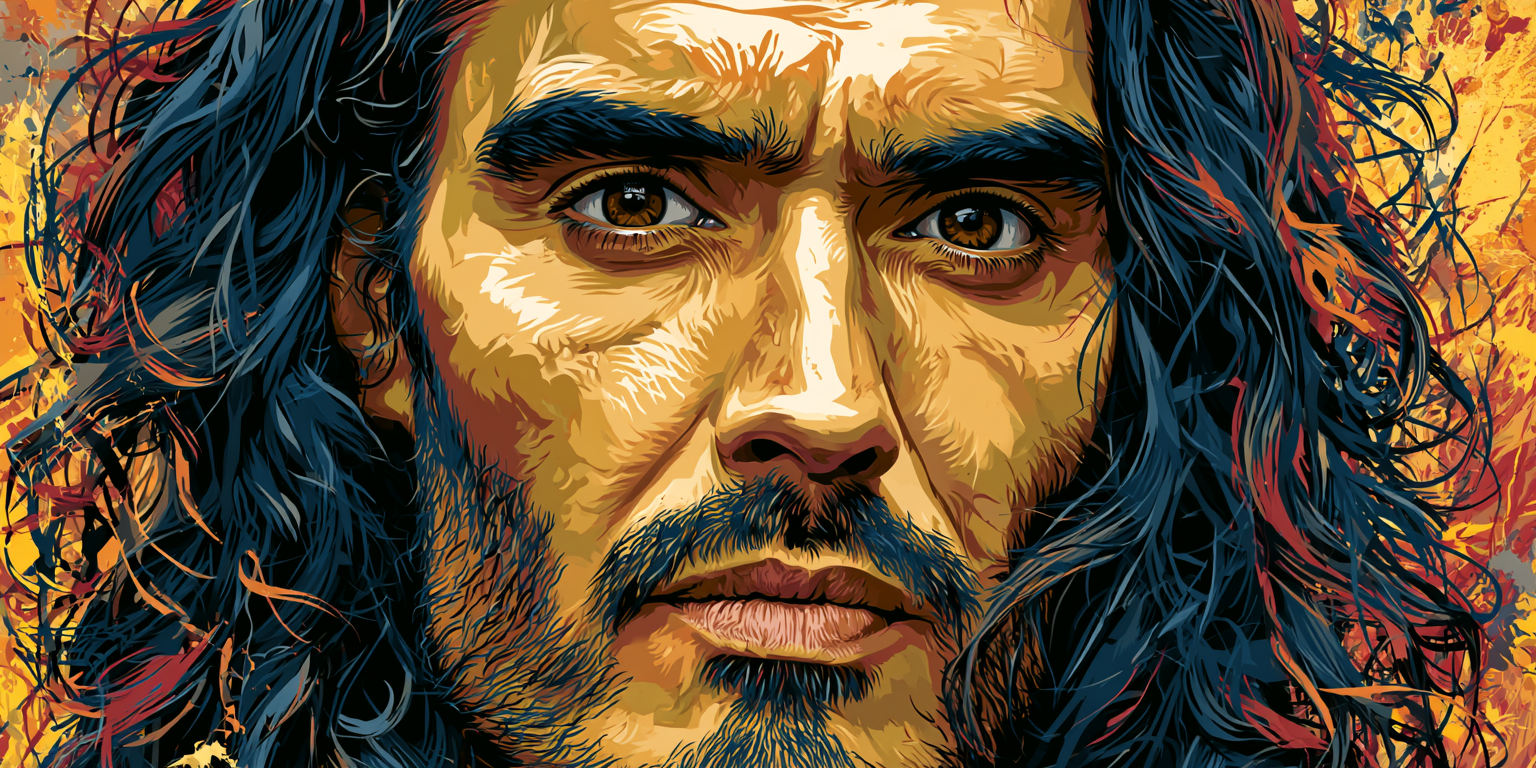
More recently, allegations surrounding Russell Brand created another example of how quickly ambassador relationships can become toxic for associated organisations and media platforms.
Brand had spent years repositioning himself from controversial comedian to wellness commentator, author, and alternative media personality.
The difficulty for companies tied to public figures today is not simply scandal itself.
It is the speed of digital amplification.
Social media creates instant reputational contagion.
Within hours, brands can find themselves facing:
- boycott calls
- viral screenshots
- pressure campaigns
- media scrutiny
- internal employee concerns
Modern audiences increasingly expect brands to make moral decisions publicly and rapidly.
Silence itself can become interpreted as endorsement.
This creates enormous pressure on companies to respond before all facts are even established.
In many cases, businesses now behave more like political organisations than advertisers.
The Kanye West and Adidas Disaster
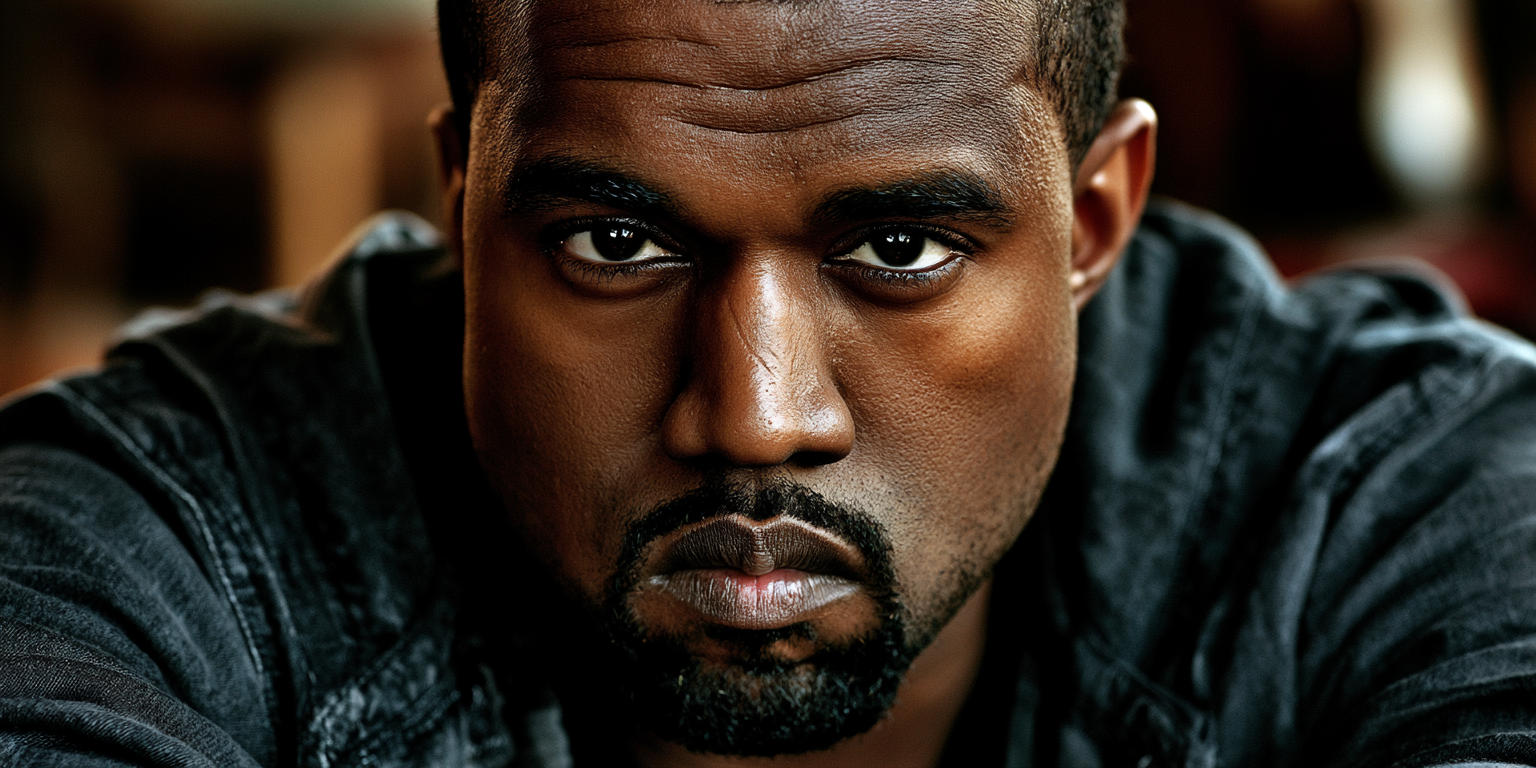
The collapse of the relationship between Kanye West and Adidas may be one of the most financially damaging ambassador failures in recent memory.
The Yeezy partnership had been hugely successful commercially.
For a period, Yeezy products generated billions in revenue and helped reposition Adidas culturally against competitors.
But after a series of antisemitic comments and escalating controversies, Adidas eventually terminated the partnership.
The consequences were enormous.
The company faced:
- inventory problems
- massive revenue losses
- shareholder pressure
- reputational scrutiny
- questions about why action had not been taken earlier
This case exposed another major ambassador risk:
Sometimes the ambassador becomes too powerful.
Brands occasionally forget that partnerships can shift the balance of influence.
Instead of the celebrity elevating the company, the company becomes dependent on the celebrity.
That is an extremely dangerous position.

When the Ambassador Overshadows the Brand
This happens more often than marketers admit.
Consumers sometimes remember the celebrity but forget the product entirely.
There are countless examples where audiences recall the advert but not the company behind it.
This is known in advertising research as the “vampire effect” – where the celebrity metaphorically “sucks attention away” from the brand message.
The irony is brutal.
A company may spend £20 million on a celebrity campaign only to increase awareness for the celebrity instead of the product.
It is the marketing equivalent of paying for someone else’s spotlight.
Lance Armstrong and the Collapse of Authenticity
Lance Armstrong represented another particularly severe endorsement collapse.
Armstrong’s appeal was built almost entirely on authenticity and inspiration.
He was not simply selling sporting success.
He was selling resilience, honesty, recovery, and perseverance after cancer treatment.
When the doping scandal emerged, the damage was devastating because it destroyed the core emotional narrative that made the endorsements valuable.
Brands including Nike eventually severed ties.
This demonstrates a key marketing principle:
The closer an ambassador’s personal identity is tied to the product promise, the more catastrophic reputational collapse becomes.
If a footballer behaves badly, sportswear brands may survive.
If the entire campaign depends on integrity, honesty, or authenticity – and that collapses – the brand architecture can collapse with it.
Social Media Has Made Everything Riskier
In previous decades, scandals moved slower.
A newspaper story might take days to circulate globally.
Today, controversy becomes worldwide within minutes.
A single clip can wipe out years of carefully constructed positioning.
Worse still, social media encourages constant visibility.
Brands are no longer partnering with celebrities only during advert campaigns.
They are effectively partnering with their entire online personality 24 hours a day.
That means every tweet, podcast appearance, Instagram story, interview, or livestream carries potential reputational implications.
Which is mildly terrifying if your ambassador enjoys “speaking their truth” on a podcast at 2am.
The Rise of “Safer” Influencer Marketing
Partly because of these risks, some companies have shifted towards micro-influencers and creators rather than globally famous celebrities.
The logic is simple:
- smaller audiences
- lower costs
- less reputational exposure
- stronger niche trust
- higher perceived authenticity
Research by Freberg et al. (2011) suggests audiences often perceive influencers as more relatable and trustworthy than traditional celebrities.
Ironically, consumers sometimes trust a Labrador owner with 40,000 followers more than an A-list celebrity in a £12 million campaign.
And honestly, they may not be entirely wrong.

Can Brands Ever Fully Protect Themselves?
Not really.
Companies try.
Contracts often contain morality clauses allowing partnerships to end if reputational damage occurs.
PR teams conduct due diligence.
Legal departments assess risk profiles.
But predicting human behaviour is difficult.
Particularly when fame, money, ego, addiction, pressure, and constant public attention are involved.
The uncomfortable reality is that ambassador marketing is always a gamble.
Sometimes it delivers extraordinary returns.
Sometimes it ends with emergency board meetings and crisis consultants charging £400 an hour to say things like:
“We need to regain control of the narrative.”
Which usually means everyone is panicking in a very expensive room.
What Marketers Should Learn
The biggest lesson is that celebrity fit matters more than celebrity size.
A strong ambassador should align with:
- brand values
- audience expectations
- category credibility
- long-term positioning
- behavioural consistency
Marketers should also remember that visibility alone is not strategy.
A famous person can generate attention very quickly.
But attention without trust is unstable.
And trust, once damaged, is extremely difficult to rebuild.
As Philip Kotler has long argued, brands are fundamentally built around perceptions and relationships.
The moment an ambassador damages those perceptions, the commercial consequences can spread remarkably fast.
Sometimes faster than the marketing team can even open PowerPoint.
Academic References
- Hovland, C. I., & Weiss, W. (1951). The Influence of Source Credibility on Communication Effectiveness. Public Opinion Quarterly.
- McCracken, G. (1989). Who Is the Celebrity Endorser? Cultural Foundations of the Endorsement Process. Journal of Consumer Research.
- Erdogan, B. Z. (1999). Celebrity Endorsement: A Literature Review. Journal of Marketing Management.
- Freberg, K. et al. (2011). Who are the social media influencers?. Public Relations Review.
- Kahle, L. R., & Homer, P. M. (1985). Physical Attractiveness of the Celebrity Endorser. Journal of Consumer Research.
TL;DR
Brand ambassadors can rapidly elevate awareness, trust, and cultural relevance – but they also introduce serious reputational risk. Cases involving Tiger Woods, Russell Brand, Kanye West, and Lance Armstrong show how quickly scandals can damage associated brands. The core lesson for marketers is simple: celebrity attention is valuable, but trust and brand fit matter far more over the long term.