

What I Learned From…
Working on a Cattle Station in Remote Western Australia
How a Cattle Station Changed My Perspective
I firmly believe that you can learn transferable skills that can help you in your career, whether it be marketing or anything else, from other experiences in life. This belief is at the core of the “What I Learned From” (WILF) series, where I reflect on hobbies, past jobs, and unexpected experiences to uncover valuable insights that apply to professional life. By drawing lessons from diverse activities, “WILF” aims to show that learning doesn’t just happen in classrooms or offices – it happens everywhere.
This episode delves into the distant past – when I worked on a cattle station (or Ranch for my American friends) in Western Australia.
Here we go….
The Marketing Made Clear Podcast
Check out the Marketing Made Clear Podcast on all good podcast platforms for more from Will Green MA MBA.
A Crossroads: From Music to the Australian Outback
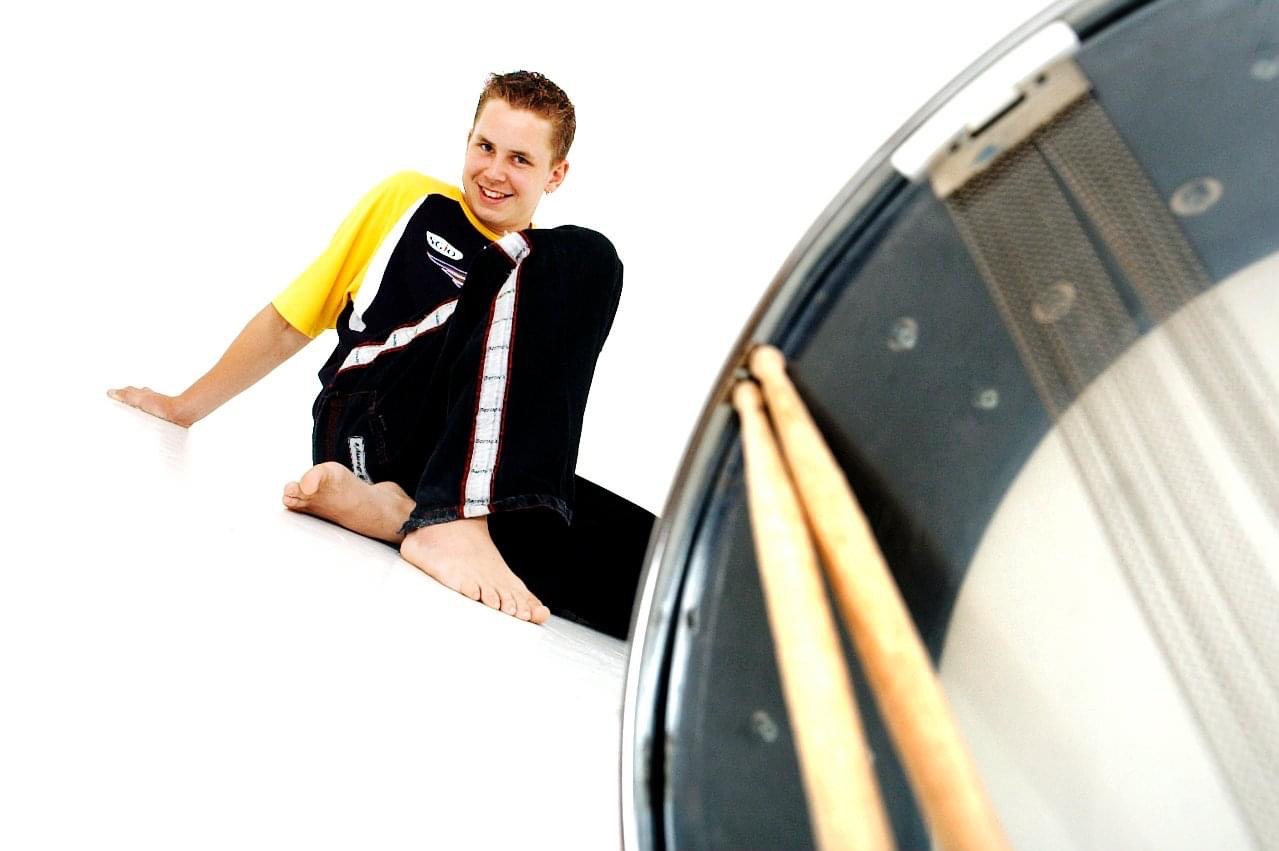
In my late teens, I was laser-focused on one thing – making it in the music industry. I wanted to be in a rock or metal band, land a record deal, and tour the world. That was the dream.
As a dual national with an Australian passport, heading to Australia wasn’t an unusual event for me. It felt like a homecoming rather than a bold adventure. But when my dad suggested I go and work on a cattle station in the north-west of the country – something he had done in his youth – it wasn’t exactly what I had in mind.
At the time, I saw it as a way to earn money to extend my stay in Australia, and maybe a fun experience. I completely underestimated how profoundly it would shape me.
Thrown Into the Deep End
The journey to Mount Elizabeth Station was long and remote. I flew from Perth to Broome, then took a coach to Derby, where I stayed overnight at a room out the back of “The Spinnafex Tavern”, a notoriously rough bar – now looking much more trendy (on Tripadvisor) for a night.
At this point, I felt like I was thrown in the deep end – I plucked up the courage to go to the bar for a drink where a fairly “mature” lady saying to me:
Crikey, does your mum know where you are? You look like you’re a long way from home?
And to be honest – at that point I did feel a long way from home!
I had an early night – because I had to be up early for a lift from some of my dad’s friends in the morning.
It was only when I arrived at Mount Elizabeth that I truly grasped the scale of isolation. For context, some cattle stations in Australia span over a million acres – equivalent to the size of some UK counties but with fewer than 100 people living on them. Mount Elizabeth was relatively small compared to some of its neighbours, but it was still vast beyond anything I had experienced.
I arrived late in the evening and was shown to my room – a simple bed and a place to put my clothes. That was it. But out there, that’s all you really need.

Life on the Cattle Station
Every day on the station was different.
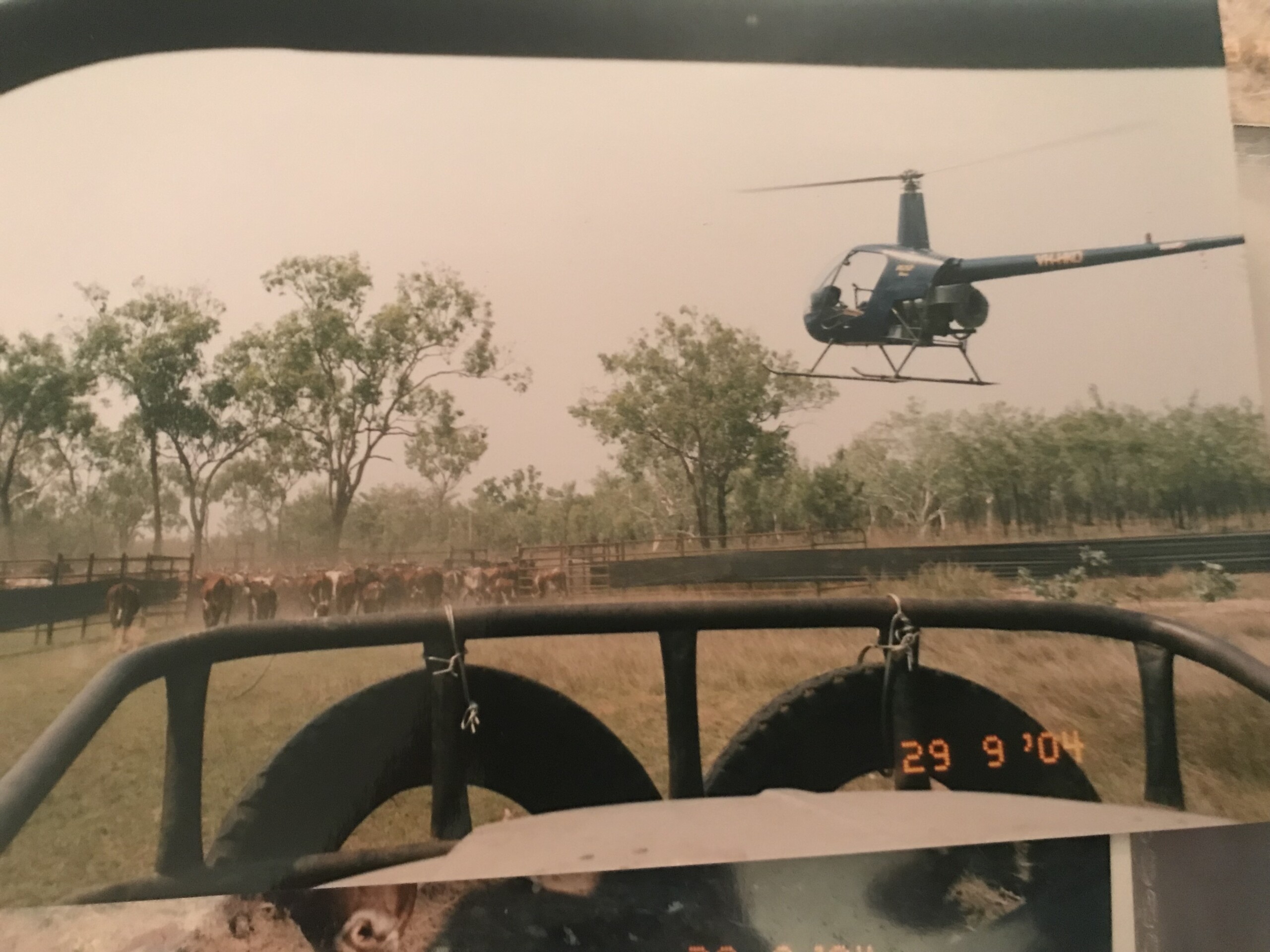
Unlike a 9-to-5 job, there was no real set schedule – just a list of jobs that needed doing. Some days, we would drive deep into the outback to check that water pumps were working, ensuring cattle had access to drinking water. Other days, we would distribute salt blocks to key areas for the cattle.
I learned how to shoot (shotguns and rifles!), which was a necessary skill on the station. Sometimes we hunted bush turkeys, kangaroos, cattle or feral pigs for food. Other times, we had to shoot pests that threatened the cattle.
Maintaining the high-tensile fences was another crucial part of the job. These fences stretched for kilometres, and tightening the barbed wire was tough, dangerous work – then they snap, they’re known to take fingers off, and the nearest hospital is a 6 hour round trip in a helicopter. I also helped set controlled fires to create firebreaks – an essential practice to prevent wild bushfires from spreading uncontrollably.
One of my more unusual jobs involved rescuing injured calves found in the bush. I cared for two during my time there, which was a stark contrast to the brutal work of mustering and drafting cattle.
Then there was the hard labour that nearly broke me – moving tractor tyres. The other guys made it look easy, but I was the only one who couldn’t lift them (yet).
That was when I realised just how tough this environment really was.
The Challenge: Sink or Swim
Fear wasn’t something I felt much on the station, but that was because I was surrounded by incredibly skilled and experienced (and tough) people. These were men who had been gored by bulls, broken bones from vehicle rollovers, and suffered serious horse-riding injuries. They wore their scars like badges of honour, and that taught me to respect the work I was doing.
Unlike what I had feared, I never felt too isolated or lonely.
I built strong friendships with the other workers, and we felt like a big family. The biggest challenge wasn’t isolation – it was proving myself. On a cattle station, there’s nowhere to hide. You either pull your weight, or you don’t last.
My proudest moment wasn’t a single task, but the point at which I was accepted as a valuable station hand. That feeling of belonging and respect in such a tough environment was a defining moment for me.
Cultural Insights: Learning from the Aboriginal Workers
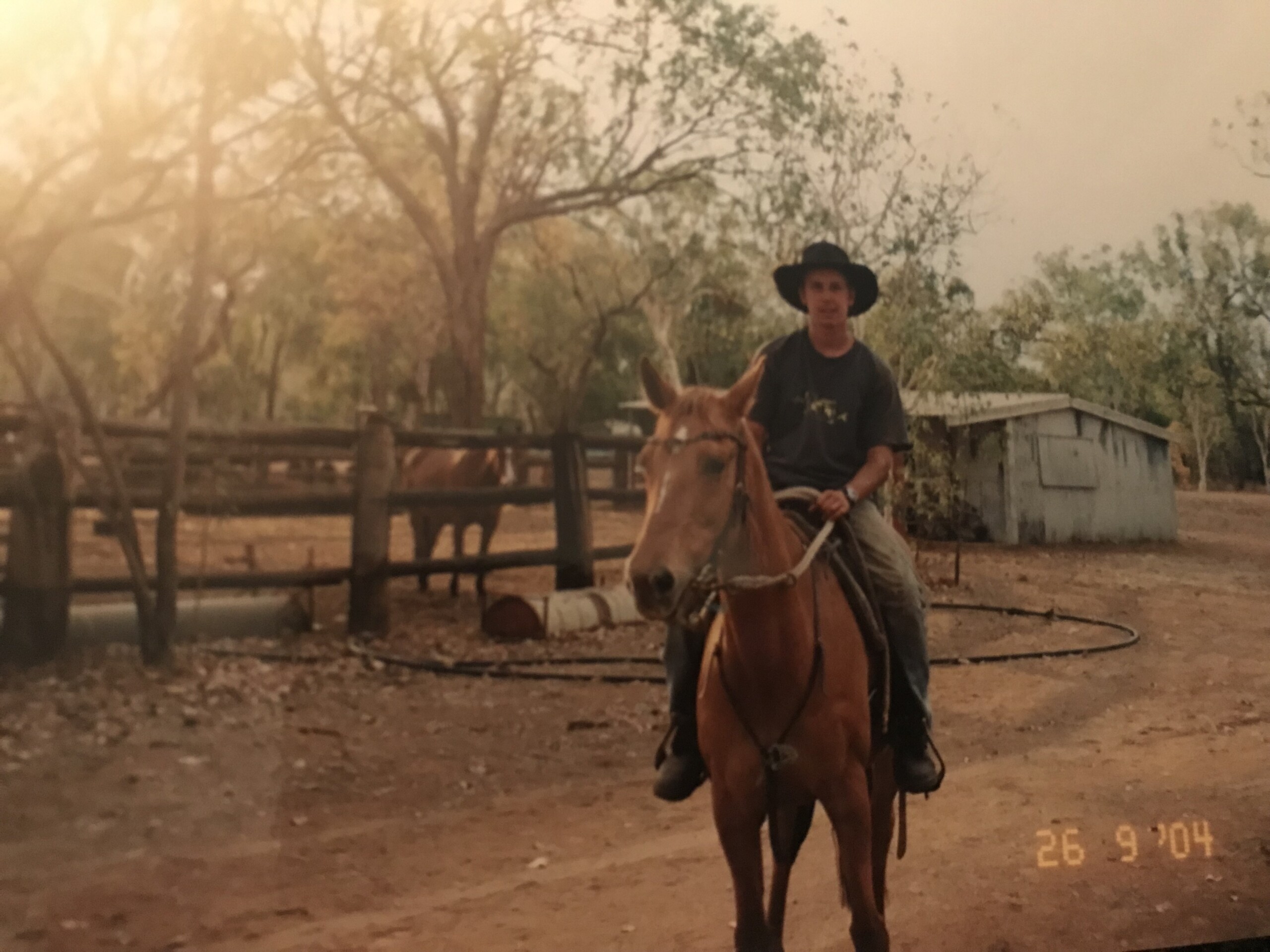
When I first met the Aboriginal guys, I introduced myself through my dad’s name – he had worked on stations before me, and some of the guys had known him. That immediately earned me the nickname “Laurie Green’son” – a great promotion from the usual “Youngfella” or “Mulligar” that most of the young guys were being referred to as.
Despite what many people would have thought – I didn’t see the cultural differences between the Aboriginal and non-Aboriginal workers, simply because station life was so alien to me that everything and everyone seemed different. Out of everyone – it was me who had the biggest cultural gap to bridge.
There is a lot said about some of the issues that rural aboriginal communities are facing, including crime and alcoholism. It is true that one of the most significant challenges affecting the Aboriginal community was alcoholism. It became clear that this was a deeply ingrained issue, with complex cultural and historical roots.
Many of the Aboriginal men I worked with were the most honest, hardworking and skilled workers I have ever worked alongside, but some struggled with alcohol-related problems. Sadly, a few of the men I became close to have since passed away at relatively young ages due to alcoholism. It was a stark reminder of the challenges faced by Indigenous communities, where access to services and opportunities is limited, and issues such as substance abuse can be deeply entrenched.
I didn’t fully grasp the complexities of these struggles at the time, but looking back, I recognise how much I had to learn. It was a lesson in cultural awareness and understanding – something I carried with me long after I left the station.
One of my biggest learning moments came during a party held to celebrate volunteers who had cleaned up the Gibb River Road. Many of the Aboriginal workers kept giving me money to buy them drinks, not wanting to be seen at the bar themselves. I later learned this was because they didn’t want to reinforce negative stereotypes about alcohol consumption in their community. It was something I had never considered before and highlighted just how much I had to learn about different cultural perspectives.
Something else that happened that evening was that an Aboriginal lady in her 80s took a shine to me. At first, I found this quite amusing (as did everyone else), but then it got a little bit more serious. Again, I wasn’t aware that in Aboriginal culture, at least for that region, it is commonplace for young men to initially marry a widowed lady before later marrying someone their own age. Historically, this tradition ensured that young men took on the role of looking after older women until their passing.
What started as a humorous situation quickly became a serious concern as her advances grew more persistent and almost forceful. In the end, I had to hide in the back of a “Ute” for the rest of the party to escape her attention.
I can laugh about it now, but at the time, I was genuinely quite unnerved.
This experience reinforced how much cultural knowledge I lacked. Even in an English-speaking country (where I was born) that is part of the Commonwealth, there were vast cultural differences that I had been completely unaware of before my time on the station.
Danger in the Outback: Facing a Bushfire
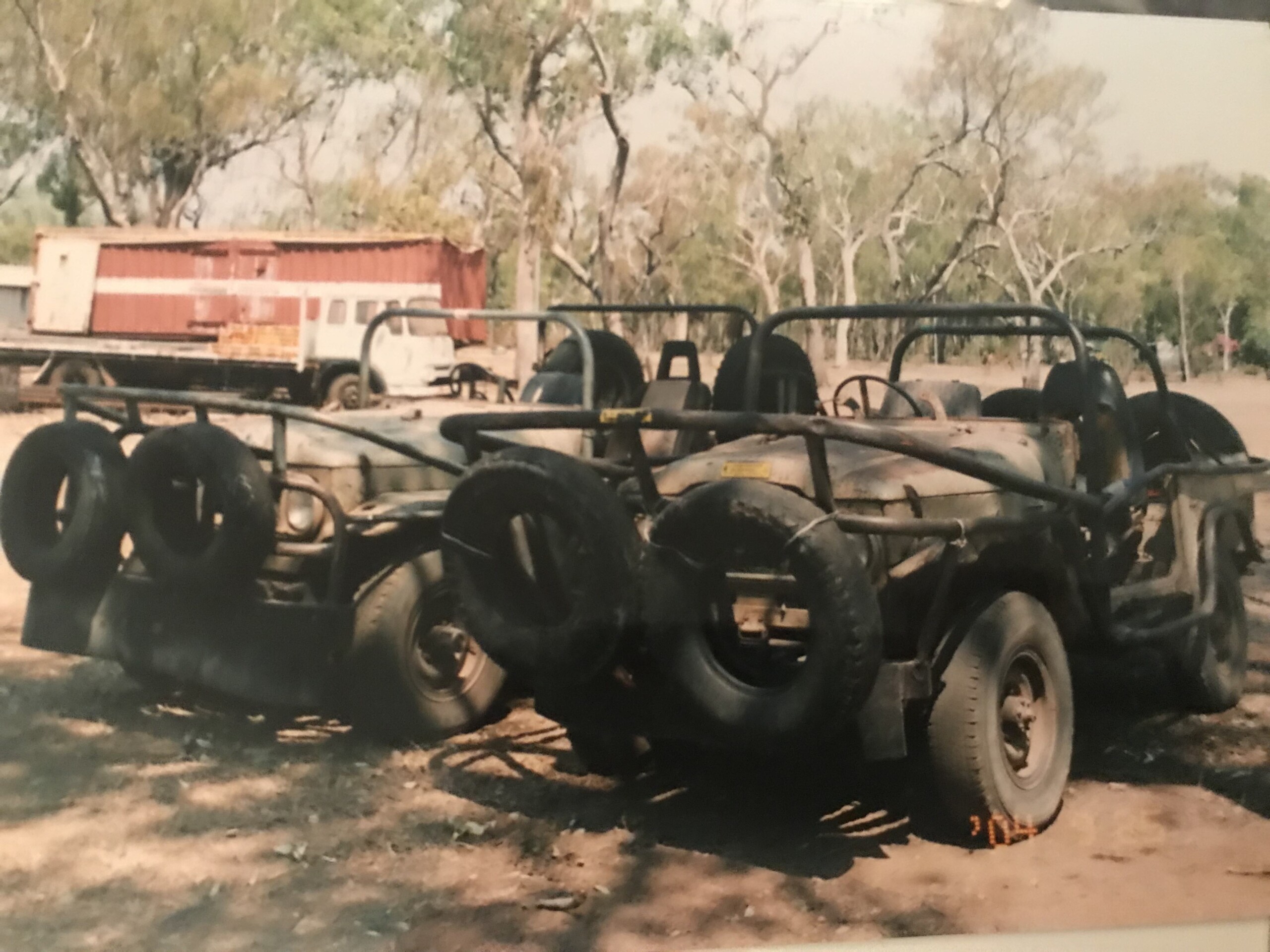
One of the scariest moments I experienced was fighting a bushfire. We were creating firebreaks to prevent the flames from reaching the homestead when our vehicle got a flat tyre – right on the edge of the fire line.
Flat tyres were common on the rough terrain, and we always carried multiple spares. But in this case, I had to change the tyre with a wall of flames moving toward us – it was getting hotter and hotter. I got it done in minutes, and we escaped.
It’s funny to think about now, but when people in job interviews ask if I’m good under pressure, I can confidently say: Yes. I once changed a tyre in the middle of a bushfire.
Sadly I didn’t get any video footage of my time on the station – but let this YouTube video below give you a flavour:
How the Experience Shaped Me
Looking back, my time on the cattle station had a profound effect on me. There was no room for excuses – everyone had to pull their weight. It was a sink-or-swim environment, and it unlocked new levels of resilience in me.
The station also gave me a greater appreciation for my dad, who had excelled in this tough world before me. I met some truly tough people – physically, mentally, and emotionally – and it reshaped my idea of what it means to be resilient.
Although it’s hard to pinpoint exactly how I’ve applied these lessons to my career, one thing is certain: my productivity and work ethic reached a new standard.
I realised that talent alone isn’t enough – you have to work hard, no matter what field you’re in. That belief has carried through my professional life, particularly in marketing, where creativity is important but execution is everything.
Final Reflections: A Place That Left Its Mark
The Kimberley region had such a deep impact on me that when my wife and I visited 10 years later, it was the place I chose to propose.
At the time, I had no idea how much working on a cattle station would shape me. I thought I was just earning money to stay in Australia for longer. In reality, I gained an entirely new perspective on work, resilience, and cultural awareness.
That’s the thing about life – you never know which experiences will change you until you look back and realise you’re not the same person anymore.