

What I Learned From… Surviving Toxic Workplaces
And The Archetypes I’ve Met Along the Way
For most of my career, I’ve been lucky.
I’ve worked in supportive teams where camaraderie outweighs conflict, where challenges feel shared rather than imposed, and where leaders genuinely cared about development as much as results.
Of course, even the healthiest workplaces have the odd toxic element; that’s part of human nature. But in good environments, these flare-ups are usually tempered by experienced colleagues or managers who know how to keep the atmosphere in check. The real trouble begins when the toxicity isn’t on the fringes but embedded at the very top. I’ve worked in companies where leadership itself was the problem, and those experiences left lasting impressions.
To make sense of them, I’ve grouped what I’ve encountered into a handful of archetypes.
Sadly, you may recognise some of them.
The Marketing Made Clear Podcast
Check out the Marketing Made Clear Podcast on all good podcast platforms for more from Will Green MA MBA.

The “Transactional” Box-Ticker
This leader reduces work to a never-ending checklist. Every task is seen as a transaction: complete it, tick it off, move on. Efficiency becomes the only currency, and the human side of work vanishes.
Under this style, you don’t get recognition for innovation or for going the extra mile. In fact, suggesting a better way of doing things is often seen as rocking the boat. Personal development gets sidelined because everything is judged against whether today’s boxes are ticked.
It reminded me of Maslow’s hierarchy of needs. Instead of creating an environment where people could grow towards self-actualisation or even transcendence; “contributing to something bigger than themselves”; the culture dragged everyone back down to the basics: “Do the task, get paid.” It’s the fastest way to crush morale and make talented people feel like replaceable cogs.
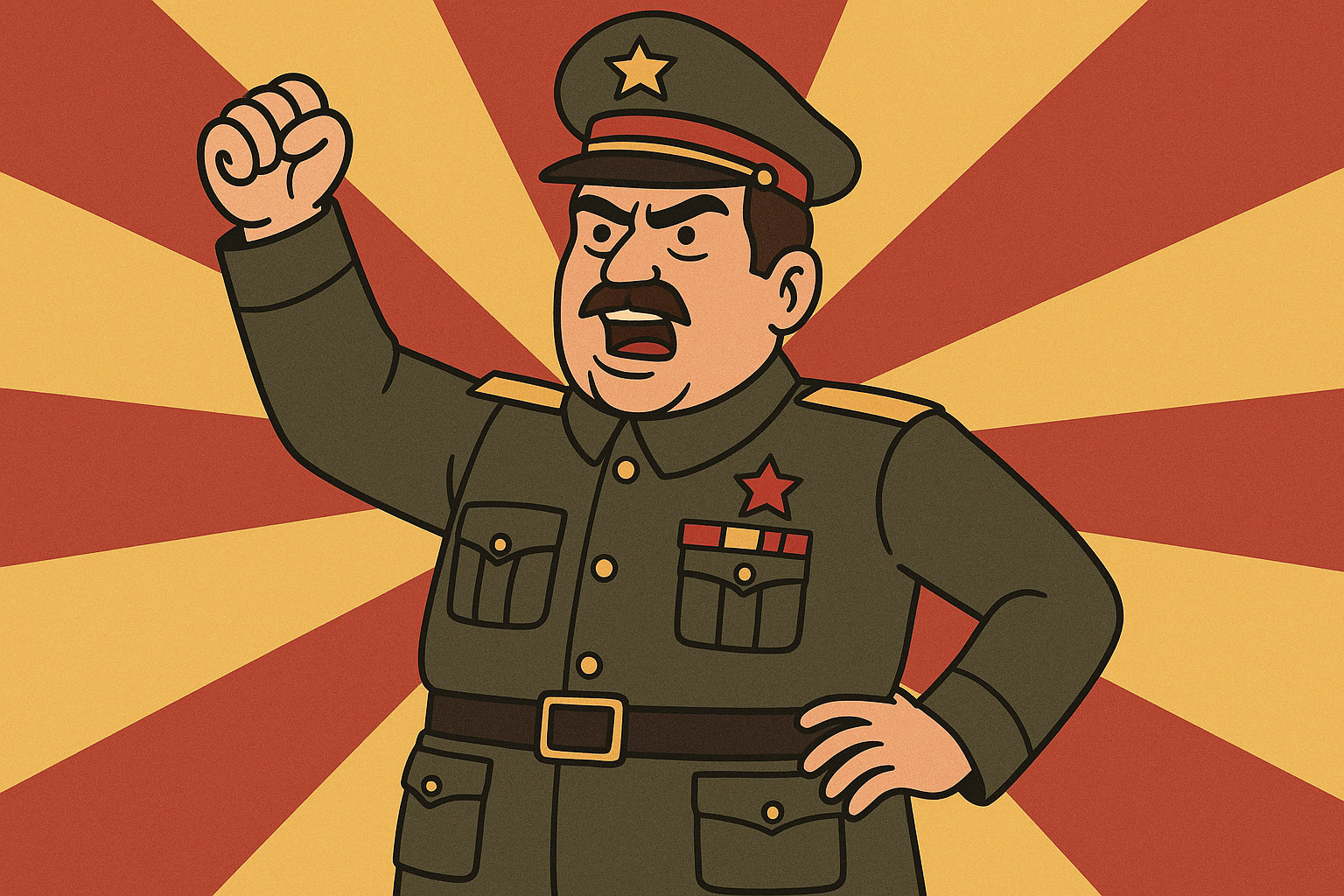
The Dictator with the Self Proclaimed “Midas Touch”
Then there’s the leader who treats a company like their personal fiefdom. One particular man I worked with had built wealth in another industry and entered this one convinced he could do no wrong.
He was, in his own mind, untouchable.
Internally, he was blinkered to failure, pig-headedly ignoring evidence when things weren’t working. Externally, he played the “nice guy” of the industry, cultivating a carefully crafted reputation. The media happily lapped it up, publishing the image he wanted rather than the reality.
It was propaganda in its purest form – George Orwell would have had a field day.
Inside the company, people were scared to disagree. Meetings were supposedly “diverse” and “open,” but in practice everyone echoed what he wanted to hear. When someone dared to offer an alternative view, he came down on them with the force of “a ton of bricks.”
Creative staff, many of them brilliant, artistic individuals; had their spark flattened.
It got worse. For a period of three months, staff went unpaid. Some scrambled together small bits of income to keep the company afloat, but the culture was so warped that one colleague told me their agreed wage was cut within weeks because the leader declared, “You’re not worth it.”
I eventually stopped consulting for that company after presenting a clear, logical roadmap of achievements and future direction, complete with screenshots of evidence. He dismissed it outright and accused me of falsifying data. Unsurprisingly, he later went bankrupt. I can’t say I was disappointed. Looking back, it remains the single worst environment of my career.
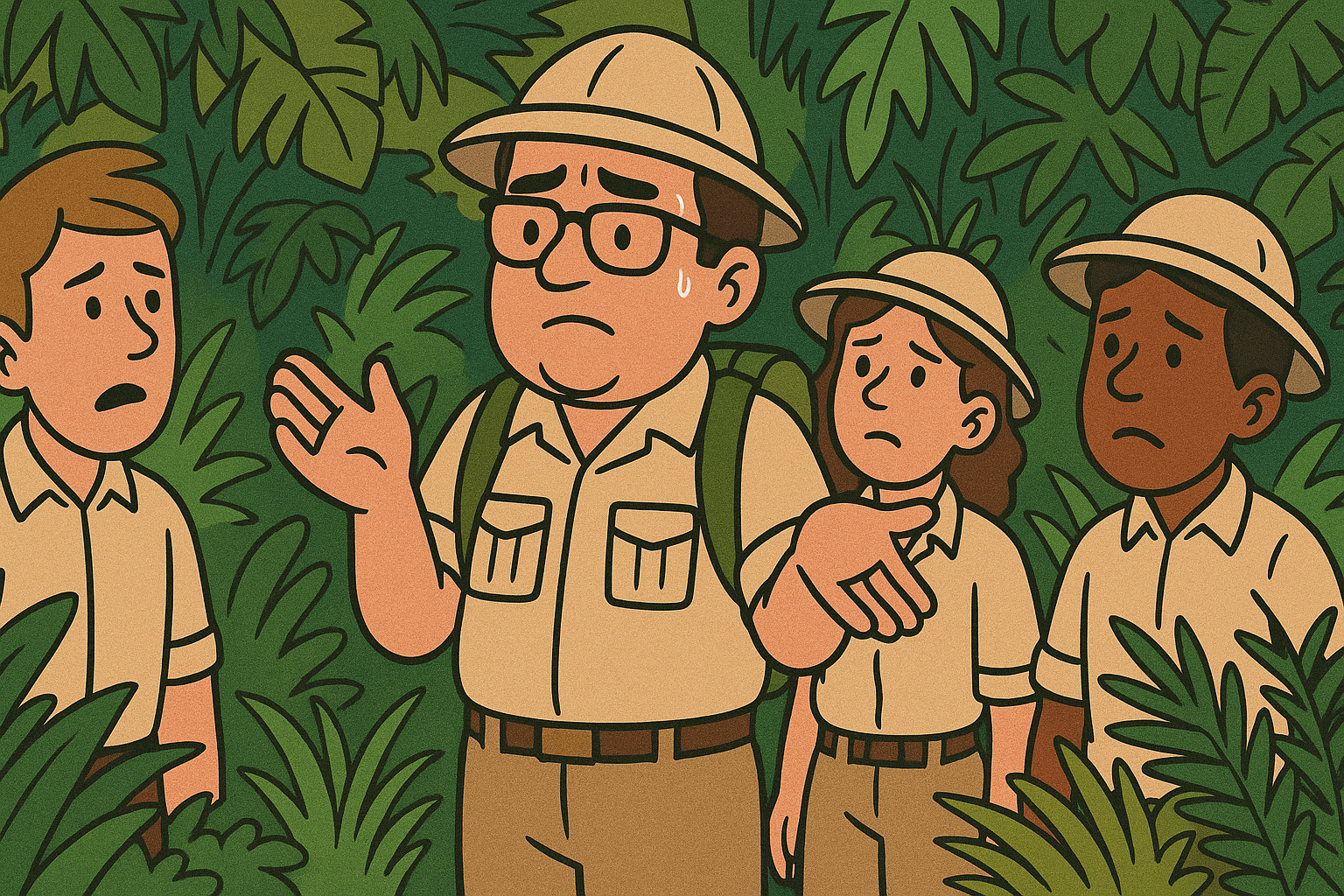
The Visionary Without a Map
Another archetype I’ve come across is the leader who talks a big game about transformation but can’t provide the practical roadmap. They often arrive with energy, jargon, and lofty ideals, but little grasp of context.
In one case, I was brought into a company during a merger. I didn’t realise at the time that I was effectively being asked to train staff who would replace my team. The change was less about progress and more about erasure.
The incoming management wanted to replicate strategies that had worked elsewhere. That’s fine… except the businesses and demographics were worlds apart. They’d had success marketing to younger audiences, yet the company they were taking over catered to a much older demographic. Rather than adapt, they imposed a blanket strategy wholesale.
Predictably, it alienated stakeholders and created an “us vs them” mentality. Kotler often speaks of marketing as the art of understanding your audience, yet here was a textbook case of ignoring it. My role became that of translator, trying to help both sides understand each other. For a while, I had some successes. But ultimately, the culture was so entrenched that my position became untenable.
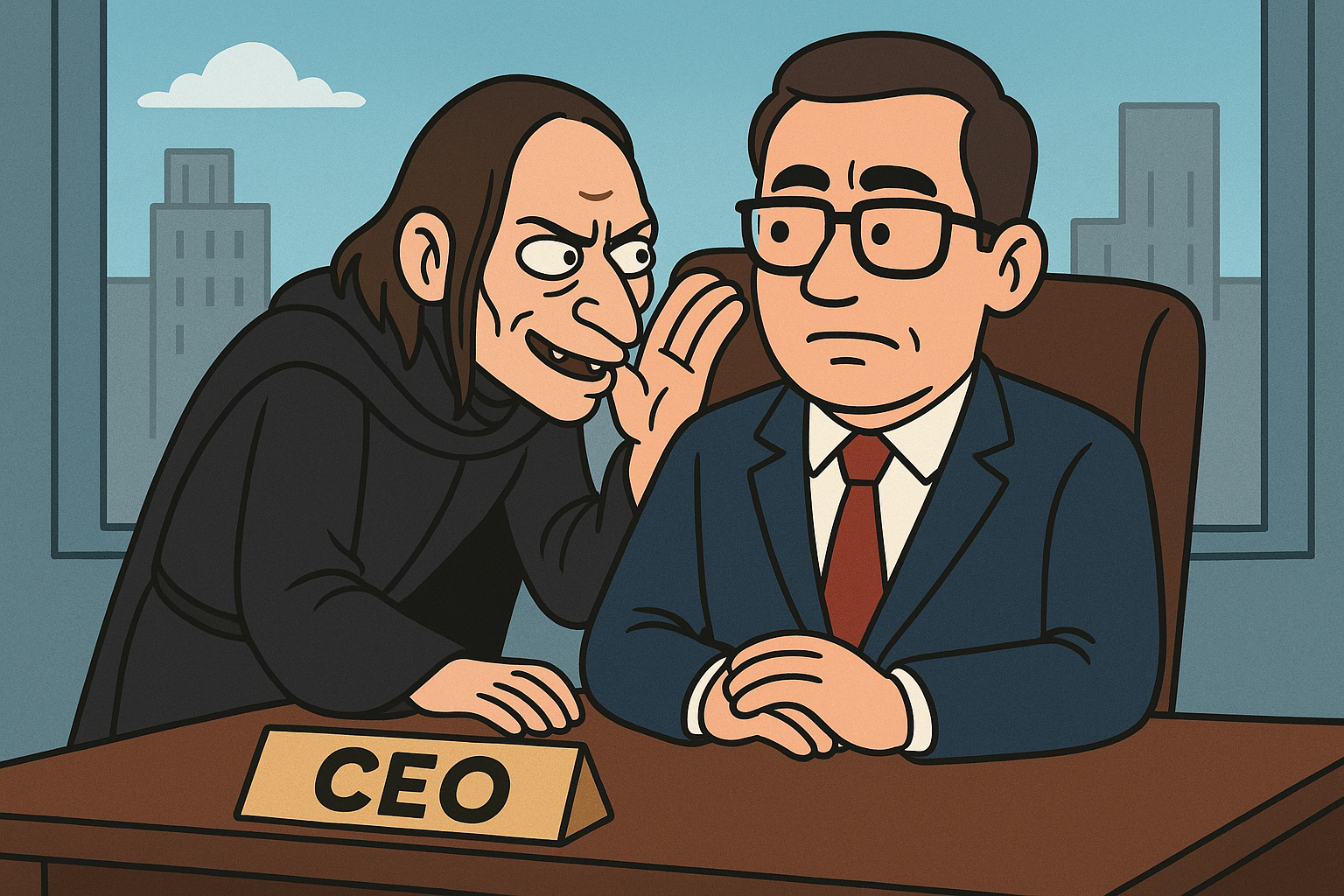
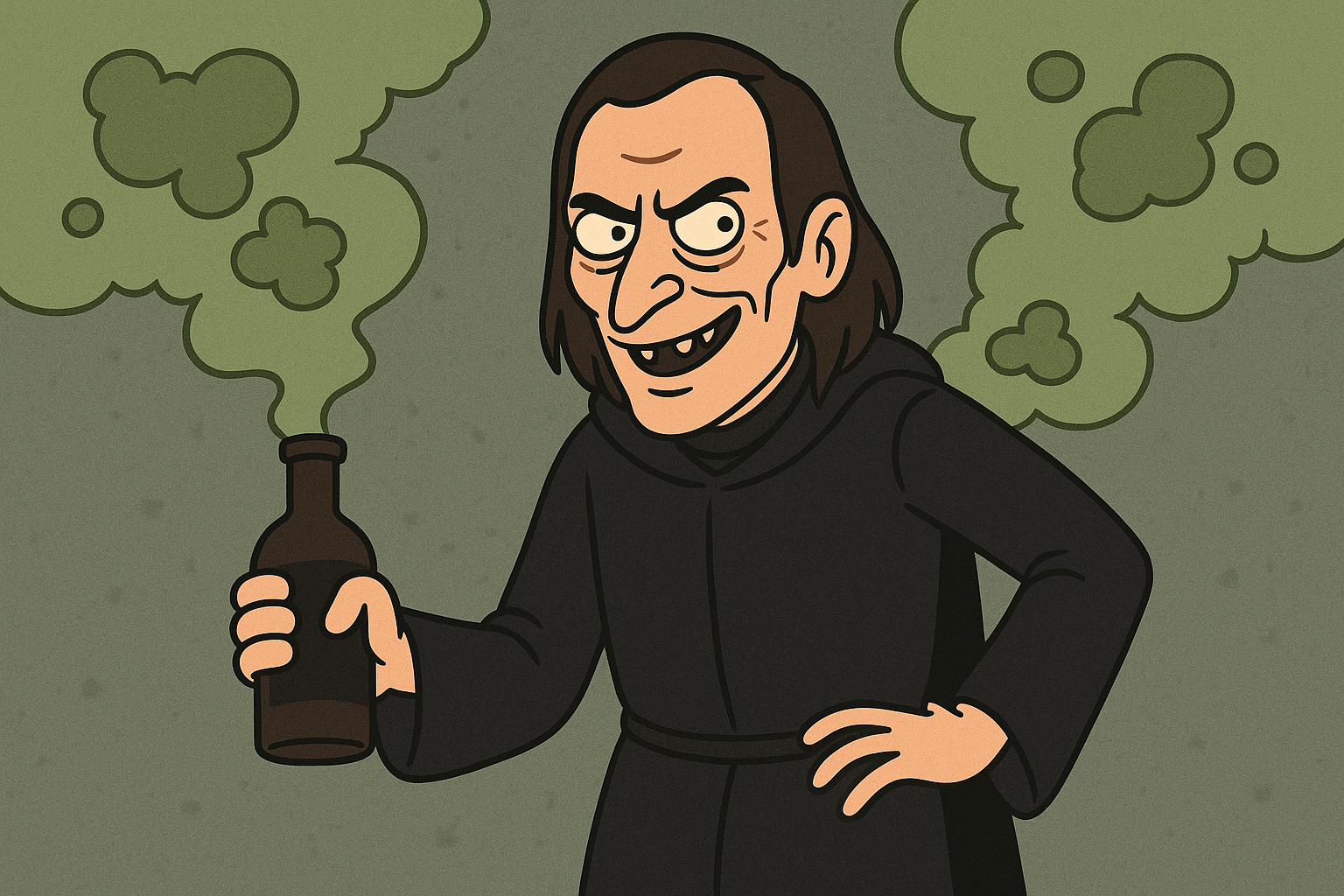
The Wormtongue
If you’ve read Tolkien, you’ll know Gríma Wormtongue – the sycophant whispering in the ear of King Théoden, feeding lies while undermining everyone else.
Many workplaces have their Wormtongues.
These are the individuals who thrive not on their own merit but by sucking up to those in power, chipping away at colleagues, and ensuring others look bad so they can look indispensable. They’re rarely skilled at their actual jobs, but they position themselves as the “trusted advisor,” conveniently shaping the narrative to suit their ambitions.
In my experience, Wormtongues are often the catalyst that turns an uncomfortable situation into a fully toxic one. Left unchecked, they can warp the judgment of leaders and spread mistrust across teams. It’s important in this case for leaders to be strong and spot this kind of behaviour early!
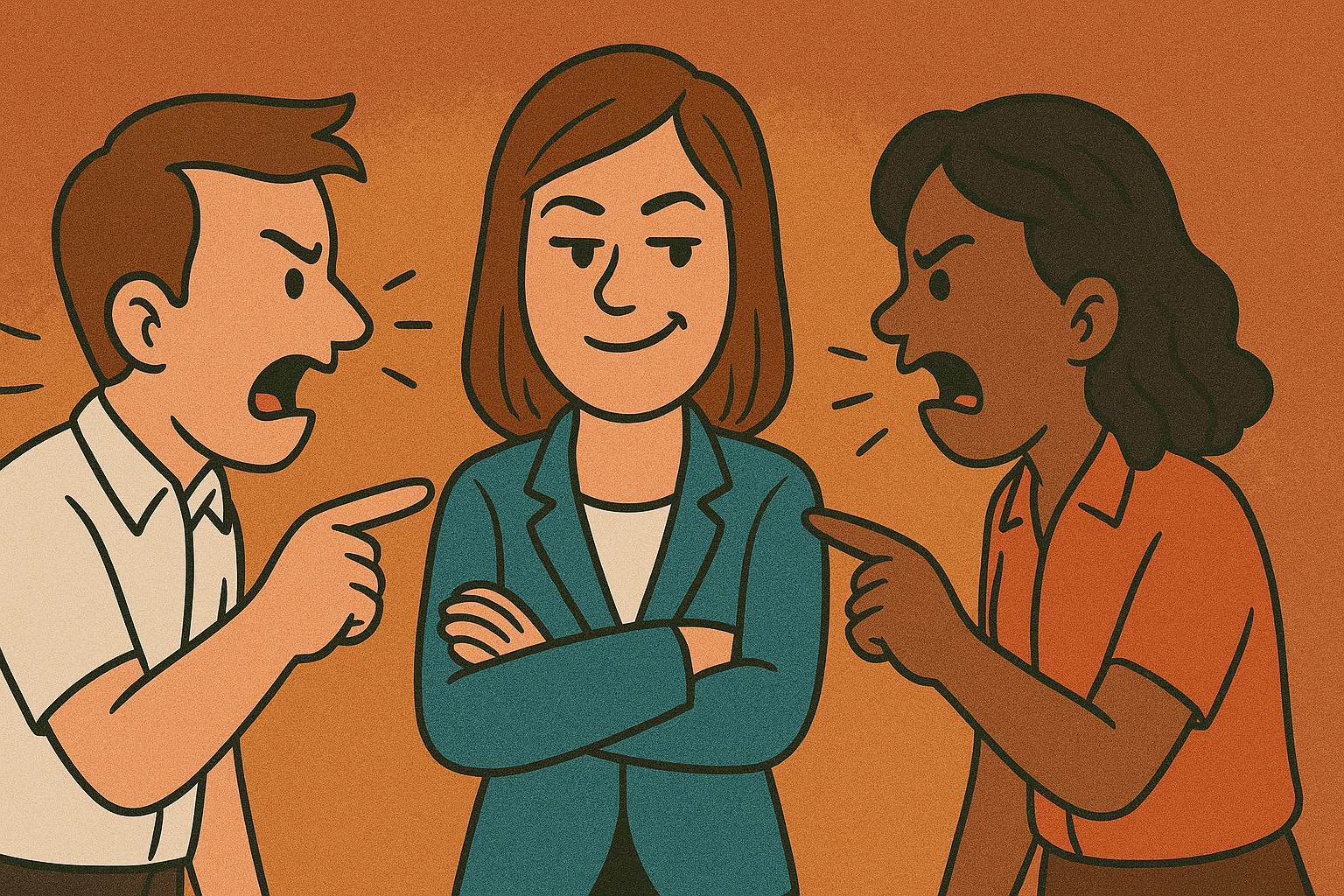
The Divide-and-Conquer Leader
One final archetype I’ve seen is the leader who actively fosters division to maintain control. Instead of uniting a team, they pit individuals or departments against each other, often framing it as “healthy competition.” In reality, it erodes trust, fuels suspicion, and makes collaboration impossible.
This style can be effective in the short term; it keeps people scrambling for approval, but long term it corrodes the very fabric of an organisation. Herzberg might have described it as confusing “hygiene factors” with true motivators: fear can keep people compliant, but it never inspires excellence.
Toxic Individuals vs Toxic Cultures
Not all toxicity comes from the top.
I’ve also managed toxic individuals within otherwise healthy environments. Sometimes they can be coached, other times they need to exit the business for the wider good. It’s remarkable how one person can poison an entire office atmosphere.
That said, not every difficult personality is truly toxic.
Some people rub others the wrong way simply because they’re uncompromising about standards or deeply passionate. I’ve learnt to distinguish between “difficult but valuable” and “toxic and destructive.” The former can be channelled; the latter must be challenged.
Looking Back
Surviving toxic workplaces has taught me that culture isn’t just a buzzword, it’s the invisible force that shapes everything. A toxic leader or Wormtongue can undo the brilliance of dozens of talented staff. A transactional mindset can reduce bright people to box-tickers. And a refusal to adapt strategy can destroy even the most promising merger.
For me personally, these experiences have sharpened my own approach to leadership. I value evidence over ego, persuasion over pressure, and openness over propaganda. And while I can laugh now about the Wormtongues and Dictators I’ve met along the way, I’ll never be blind to their damage again.
If you’ve worked under similar archetypes, you’ll know the scars they leave. But you’ll also know the resilience they build. And perhaps, like me, you’ll find that surviving toxic environments isn’t just about getting through them, it’s about learning how never to recreate them.
TL;DR
I’ve worked in great teams, but also under toxic leadership. The worst environments fall into archetypes:
-
The Transactional Box-Ticker – reducing work to empty checklists.
-
The Dictator with the Midas Touch – ego-driven, propaganda-fuelled, crushing dissent.
-
The Visionary Without a Map – big ideas, no adaptation to context.
-
The Wormtongue – sycophants undermining others to stay in favour.
-
The Divide-and-Conquer Leader – deliberately sowing division for control.
These experiences taught me how damaging toxic leadership can be, but also how vital it is to lead with evidence, openness, and respect.