

When Marketing Sold a War
The Swiss PR Firm That Helped Change the World’s View of the Nigerian Civil War
Marketing has an uncomfortable secret.
We like to imagine it exists in the safe world of logos, adverts, social media campaigns and supermarket shelves. We tell ourselves marketing is about selling trainers, holidays and breakfast cereal.
History disagrees.
Some of the most sophisticated marketing campaigns ever created were designed not to sell products, but to influence governments, newspapers and entire populations.
One of the most remarkable examples happened more than fifty years ago during the Nigerian Civil War.
A small Swiss public relations agency helped transform an obscure African conflict into one of the biggest humanitarian stories of the twentieth century.
In doing so, it pioneered techniques that would later become standard practice in political campaigning, crisis communications and modern lobbying.
It also left us with an uncomfortable question.
Where exactly is the line between public relations and propaganda?
The Marketing Made Clear Podcast
Check out the Marketing Made Clear Podcast on all good streaming platforms including Spotify:
A War Most People Had Never Heard Of
To understand the story, we need to go back to 1967.
Nigeria had only recently become independent from Britain.
Like many colonial states, its borders had been drawn by European powers rather than around natural cultural or ethnic boundaries. More than 250 ethnic groups suddenly found themselves inside one country.
Political tensions escalated rapidly.
Following military coups and widespread ethnic violence, the predominantly Igbo eastern region declared independence as the Republic of Biafra under the leadership of Chukwuemeka Odumegwu Ojukwu.
The Nigerian government refused to accept secession.
Civil war followed.
On paper, it looked hopeless for Biafra.
Nigeria possessed a much larger army, greater international recognition and substantial backing from countries including Britain and the Soviet Union.
Militarily, the odds were stacked against the breakaway state.
So Biafra fought somewhere else.
It fought for the world’s attention.
Winning Hearts Instead of Battles
The Biafran leadership quickly recognised something that marketers understand instinctively.
People rarely act because of statistics.
They act because of emotion.
Military victories were becoming increasingly difficult.
International sympathy, however, could still influence foreign governments, charitable organisations and public opinion.
If enough pressure could be generated abroad, perhaps diplomatic recognition—or even intervention—might follow.
But there was one problem.
Biafra had no experience running an international communications campaign.
So it hired professionals.
Enter the Swiss PR Firm
In early 1968, Biafra hired a Geneva-based public relations agency called Markpress.
The campaign was led by American PR executive William Bernhardt, who reportedly received a monthly retainer and was promised a share of future oil revenues should Biafra survive the war.
This wasn’t simply about issuing press releases.
It was a carefully planned international influence campaign.
Rather than presenting the conflict as a complex civil war involving competing political, ethnic and colonial legacies, they simplified it into something instantly understandable.
Good versus evil.
Victim versus aggressor.
David versus Goliath.
This is classic positioning.
Consumers (and citizens) find simple stories easier to understand than complicated realities.
Markpress gave journalists a story that required almost no explanation.
The Power of One Word
Perhaps the campaign’s most controversial achievement was introducing one particular word into international reporting.
Genocide.
The Nigerian government’s blockade caused widespread starvation across Biafra.
Thousands (and eventually hundreds of thousands) of civilians suffered catastrophic food shortages.
Whether historians believe that label is legally or historically accurate remains fiercely debated today.
What matters from a communications perspective is that the word fundamentally changed public perception.
“Famine” suggests tragedy.
“Genocide” demands intervention.
It is difficult to think of another single word capable of changing public opinion so dramatically.
Later research suggests that French intelligence agencies actively encouraged this framing within parts of the European press while supporting Biafra politically.
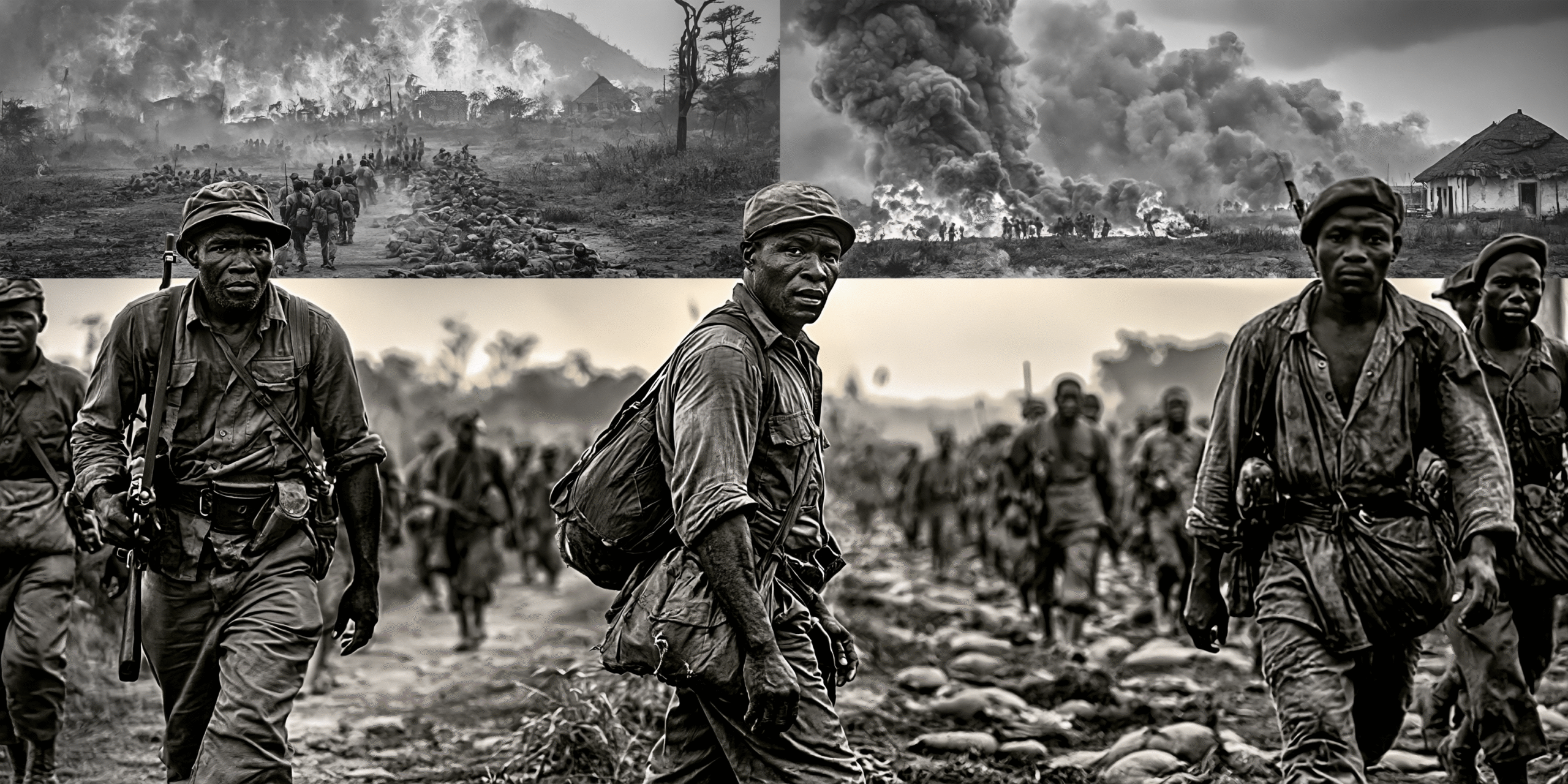
The First Television Humanitarian Crisis
Timing mattered enormously.
The late 1960s happened to coincide with the rapid spread of television into millions of homes.
For perhaps the first time, audiences across Europe and America could watch images of starving children almost as events unfolded.
Those images were devastating.
Skeleton-thin children.
Distended stomachs.
Parents unable to feed their families.
Unlike today’s endless social media feeds, these pictures were rare.
When they appeared on evening television news, they commanded attention.
The emotional impact was extraordinary.
Public donations surged.
Governments faced growing pressure.
Celebrities became involved.
John Lennon even returned his MBE partly in protest at Britain’s support for Nigeria, while student Bruce Mayrock tragically set himself on fire outside the United Nations to draw attention to Biafra.
The communications campaign had succeeded beyond almost anyone’s expectations.
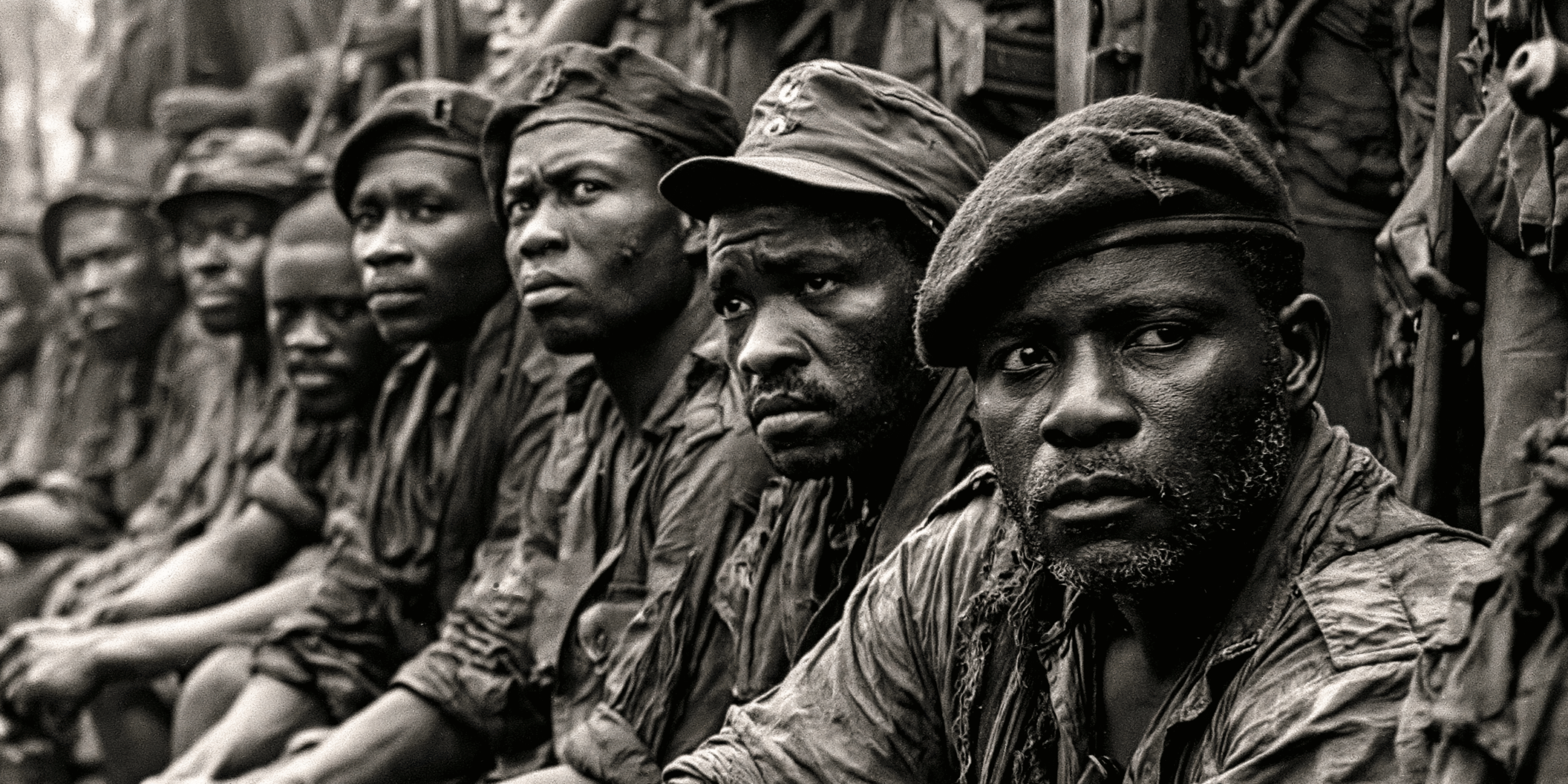
This Was Marketing
Strip away the politics for a moment.
Look only at the mechanics.
The campaign used almost every principle taught in modern marketing.
Positioning
A complicated geopolitical conflict became a simple moral story.
Audience segmentation
Different countries received different messages.
Religious audiences heard about persecuted Christians.
Jewish communities saw comparisons with the Holocaust.
Humanitarian organisations focused on starving civilians.
Each audience received messaging designed specifically for them.
Emotional branding
Statistics rarely change minds.
Images do.
The campaign relied heavily on emotionally overwhelming photography rather than military analysis.
Media relations
Journalists weren’t simply reporting events.
They were supplied with narratives, framing and language that made those events easier to communicate.
In marketing terms, Markpress reduced cognitive effort.
They made the story easy to tell.
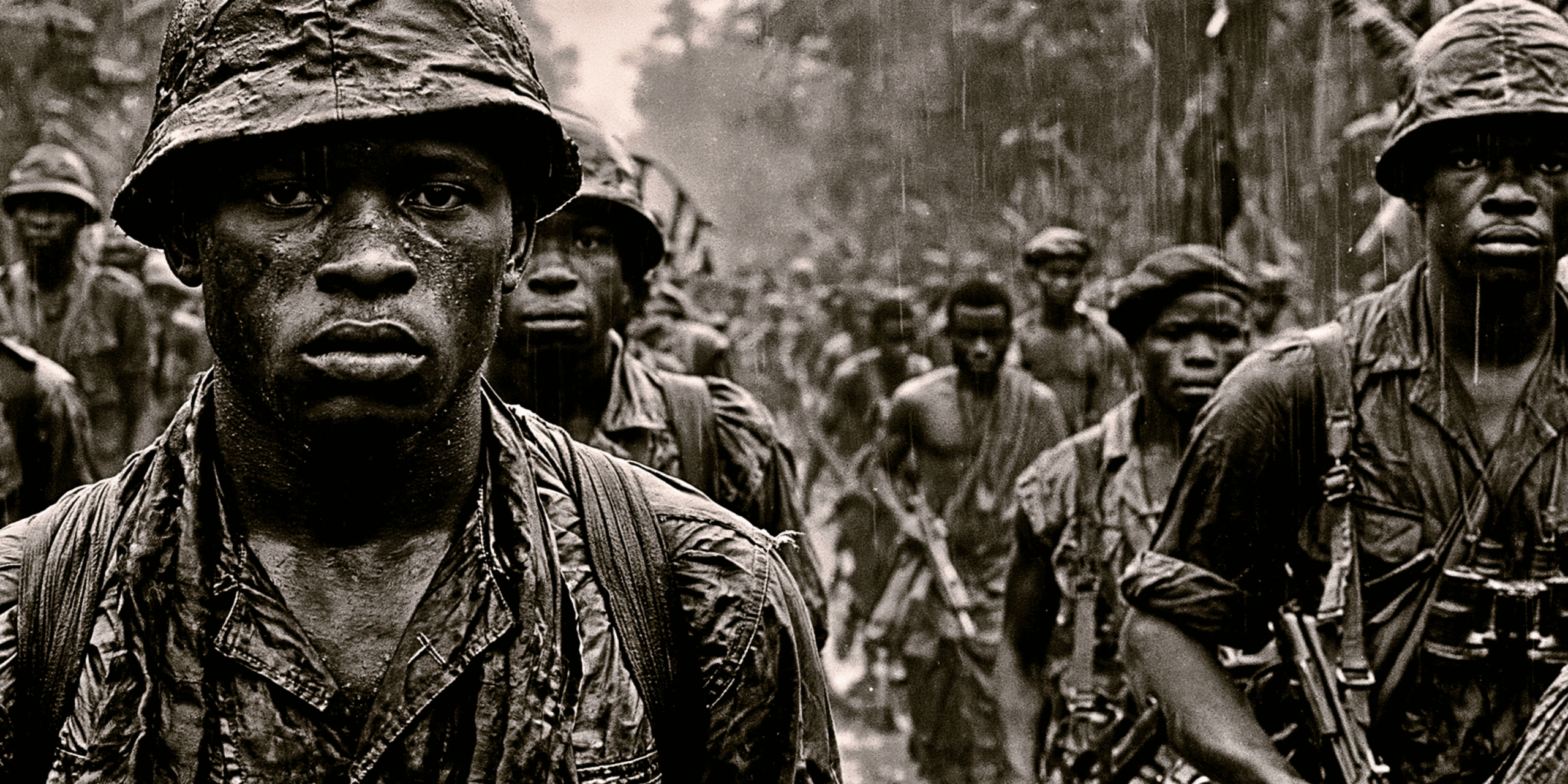
The Ethics Become Murky
Here’s where things become fascinating and uncomfortable.
The starvation was real.
People really were dying.
The humanitarian disaster genuinely existed.
But campaigns like this inevitably simplify reality.
The Nigerian government insisted it was fighting to preserve national unity.
Biafra portrayed itself as the victim of extermination.
Neither narrative captured every complexity.
That is often how propaganda works.
It rarely succeeds by inventing facts from nothing.
Instead, it selects certain facts.
It amplifies them.
It ignores others.
It constructs a coherent emotional story from an untidy reality.
That’s considerably more persuasive than outright lies.
The Blueprint for Modern Political Communications
Many historians argue that Biafra represented one of the first truly global public relations wars.
Governments had long used propaganda.
What was different was the professionalisation.
Private communications specialists.
International lobbying.
Media strategy.
Audience targeting.
Brand positioning.
Emotional storytelling.
Today these techniques appear almost ordinary.
Political parties hire communications consultants.
Governments employ strategic messaging teams.
Pressure groups use emotionally powerful imagery.
Campaign organisations segment audiences using sophisticated data.
Social media allows these messages to spread faster than Markpress could ever have imagined.
The technology has changed.
The psychology has barely changed at all.
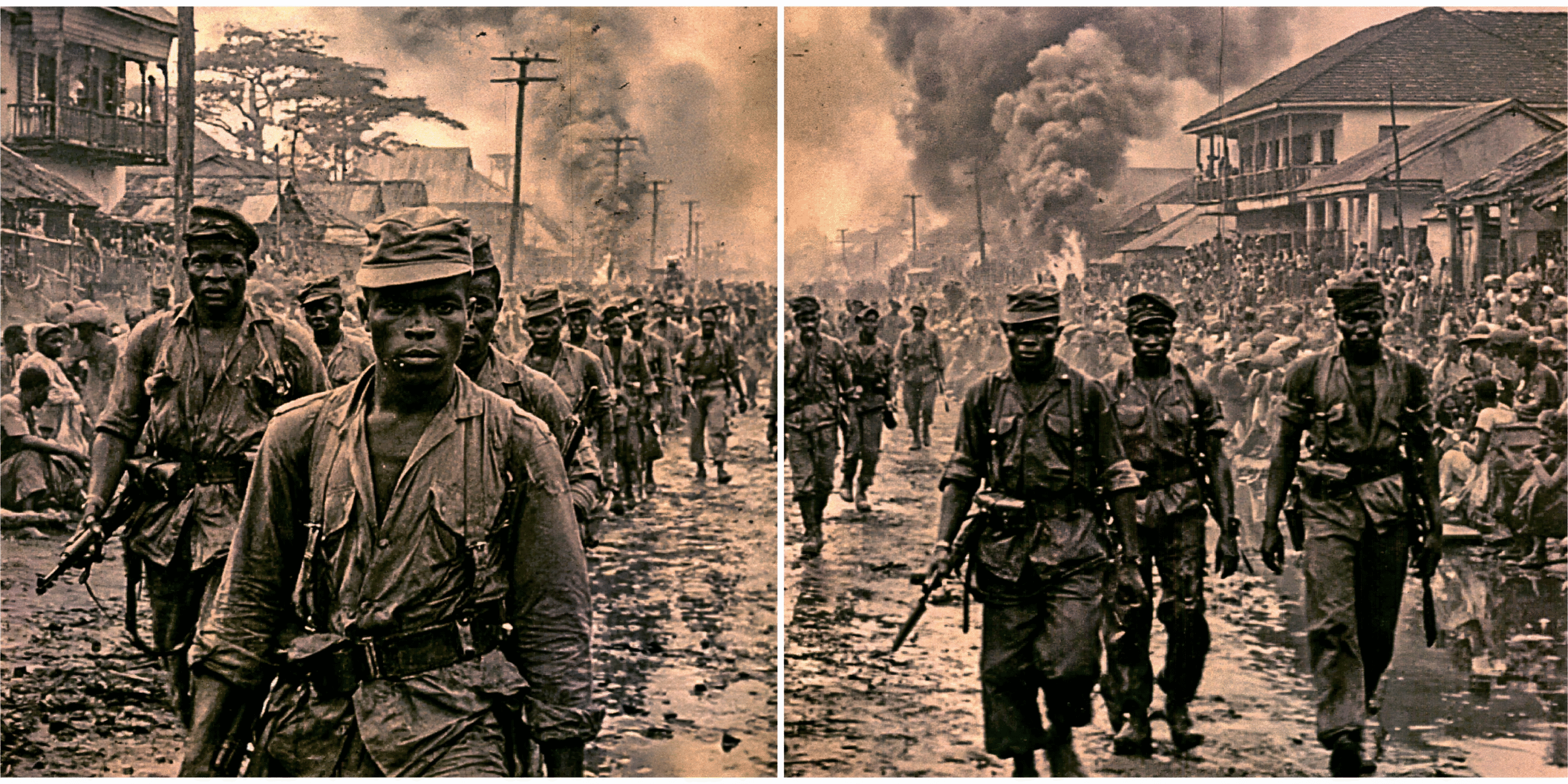
The Marketing Lesson
Marketing students often ask whether marketing is inherently good or bad.
The answer is neither.
Marketing is a multiplier.
It magnifies whatever objective it serves.
Sometimes that means helping consumers choose better products.
Sometimes it raises millions for charity.
Sometimes it persuades governments to intervene in humanitarian disasters.
Sometimes it spreads misinformation.
Exactly the same principles of positioning, framing, emotional storytelling and audience understanding can sell trainers, political ideologies or military causes.
The tools themselves are morally neutral.
The people using them are not.
Perhaps that is the most important lesson hidden inside the story of Biafra and a little Swiss PR agency called Markpress.
Marketing has never just been about selling products.
It has always been about influencing people.
And history reminds us that the biggest campaigns are often the ones that never appear in marketing textbooks.
Marketing Made Clear Takeaway
If someone tells you marketing is “just advertising”, point them towards the Nigerian Civil War.
It might be the most important marketing case study you’ve never studied.
Further reading and historical sources: