

The Psychology of Persuasion
How Amazon, Colgate, Innocent and John Lewis Influence Us
Marketers may talk endlessly about data, segmentation, and creative execution (and rightly so!!), but beneath it all, one truth remains: marketing is about people. And people are not perfectly rational creatures weighing up costs and benefits like calculators. Instead, we are guided by shortcuts, instincts, and subconscious triggers.
This is where psychology meets marketing. From Freud’s theories of desire to Kahneman’s research on System 1 and System 2 thinking, marketers have long borrowed insights from psychology to shape campaigns. Understanding these triggers can be the difference between an advert that is politely ignored and one that truly sticks in the mind.
So, let’s explore some of the most powerful psychological levers at a marketer’s disposal and how brands have used them effectively.
The Marketing Made Clear Podcast
Check out the Marketing Made Clear Podcast on all good streaming platforms including Spotify:
Scarcity: The Fear of Missing Out (FOMO)
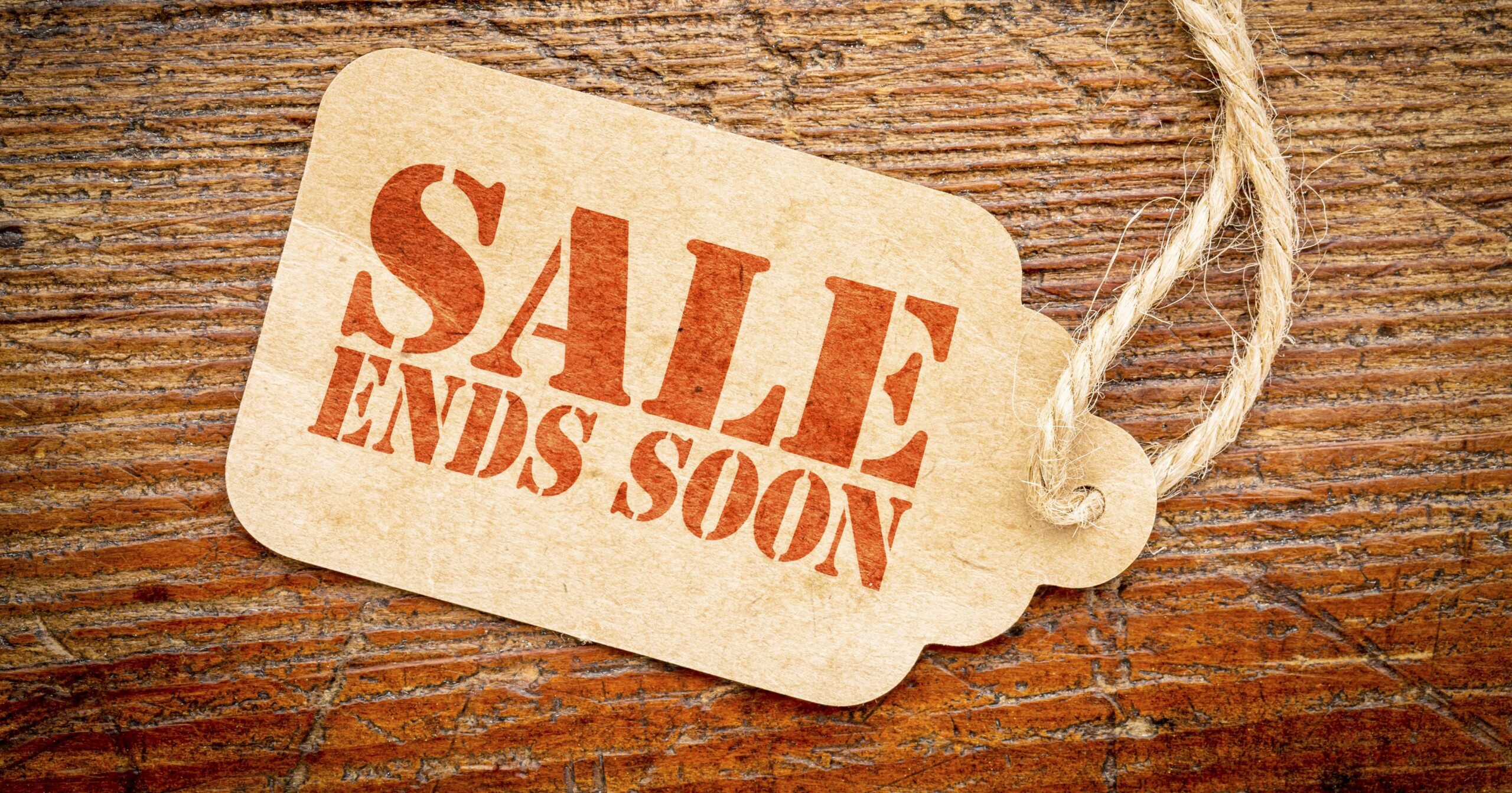
Few forces are as powerful as scarcity. When something appears limited, its perceived value rises. Psychologists call this reactance: the desire for things we think we can’t have.
Ticketmaster often shows how “Only 3 tickets left at this price!” to trigger urgency. Airlines do the same, flashing “last seat available.” The scarcity nudges consumers to act fast rather than procrastinate.
Why it works: Scarcity appeals to loss aversion – people hate losing out more than they love gaining.
Social Proof: Safety in Numbers
Humans are social creatures. If others are doing something, we assume it’s the right choice. This is why testimonials, reviews, and influencer marketing are so potent.
Amazon’s “Best Seller” and “4.8 stars from 12,000 reviews” badges reassure shoppers that they’re not taking a risk. Similarly, Airbnb leverages user reviews to make hosts and guests seem trustworthy.
Why it works: Social proof reduces uncertainty. In an overwhelming marketplace, seeing others’ approval provides a psychological shortcut to decision-making.

Authority: Trust the Experts
When faced with complexity, we look for authority figures. Psychologist Robert Cialdini identified authority as one of the six key principles of persuasion.
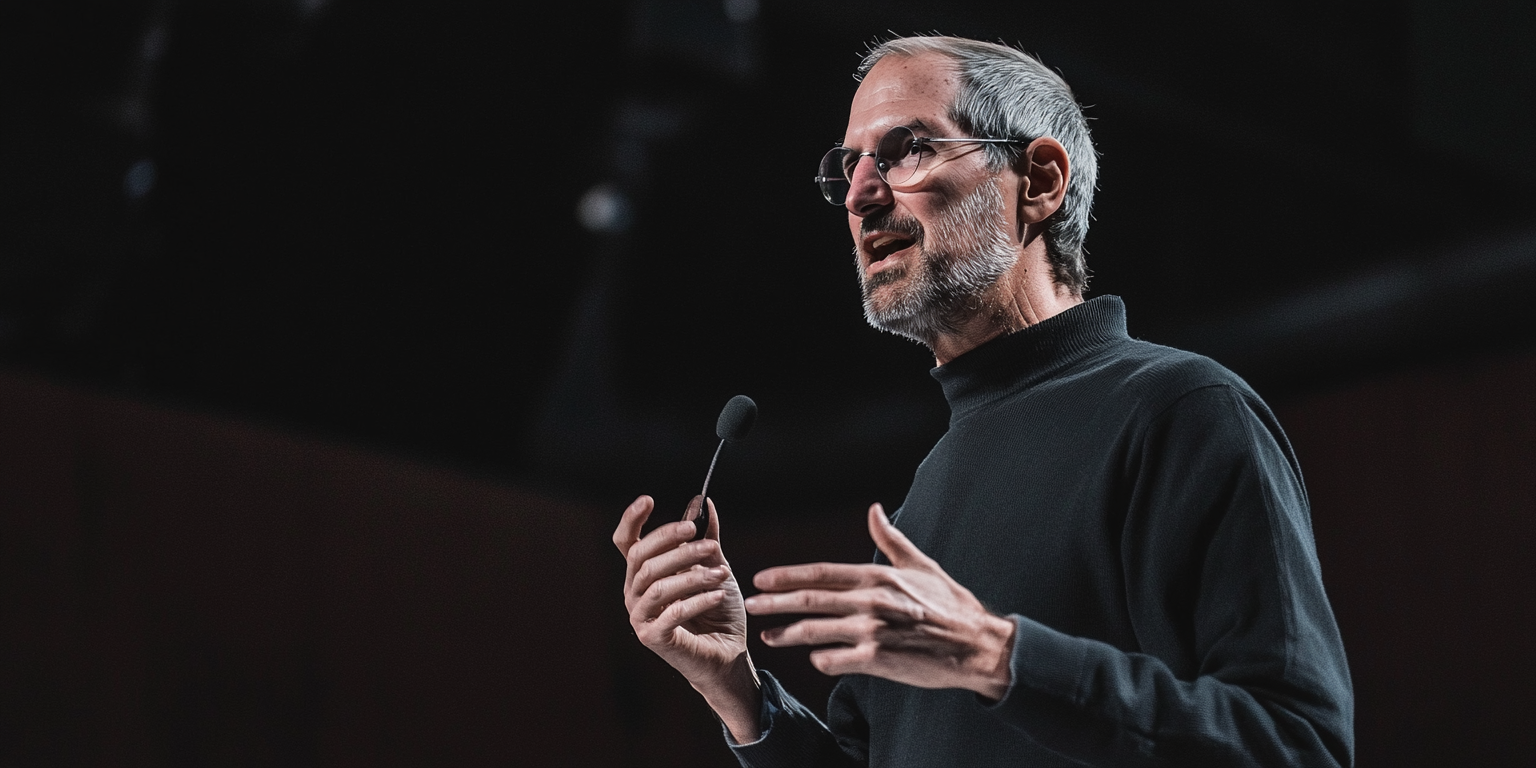
Colgate’s long-running ads with dentists endorsing toothpaste created credibility by aligning with medical authority. Likewise, Apple’s use of sleek keynote presentations and thought-leader figures like Steve Jobs helped elevate its status as the “expert” brand in tech.
Why it works: Authority taps into our conditioning to defer to expertise. If an expert says it’s best, many consumers won’t question it.
Reciprocity: Give to Get
When someone gives us something, we feel compelled to give back. In marketing, this might mean free trials, samples, or valuable content that encourages loyalty.
Innocent Drinks built early success by giving out free smoothies at events, seeding goodwill and familiarity. Today, software companies like HubSpot offer free tools and guides, drawing audiences into their ecosystem.
Why it works: Reciprocity triggers a social contract – we feel indebted to return the favour, often by making a purchase.

Anchoring: Setting the Frame
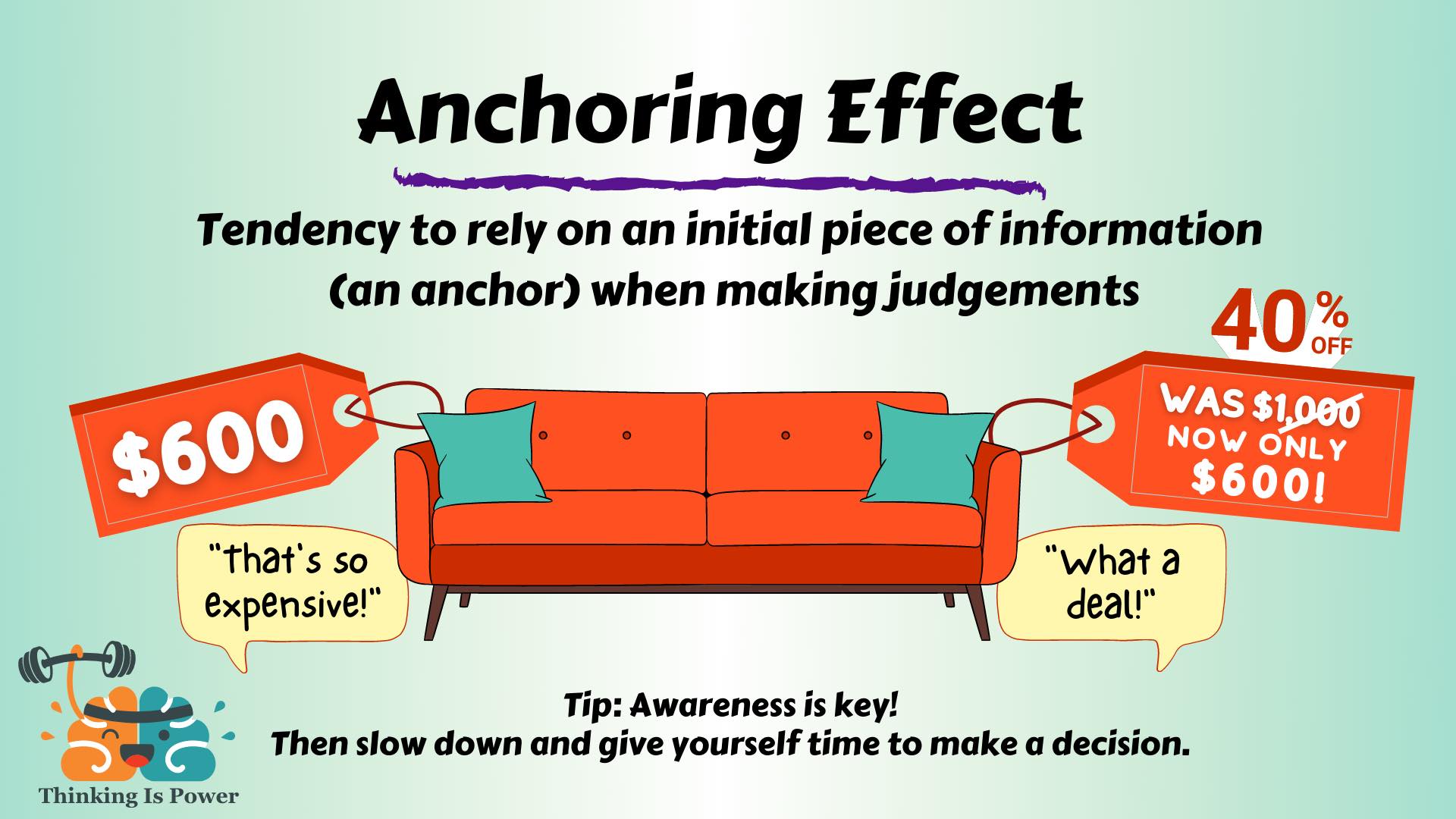
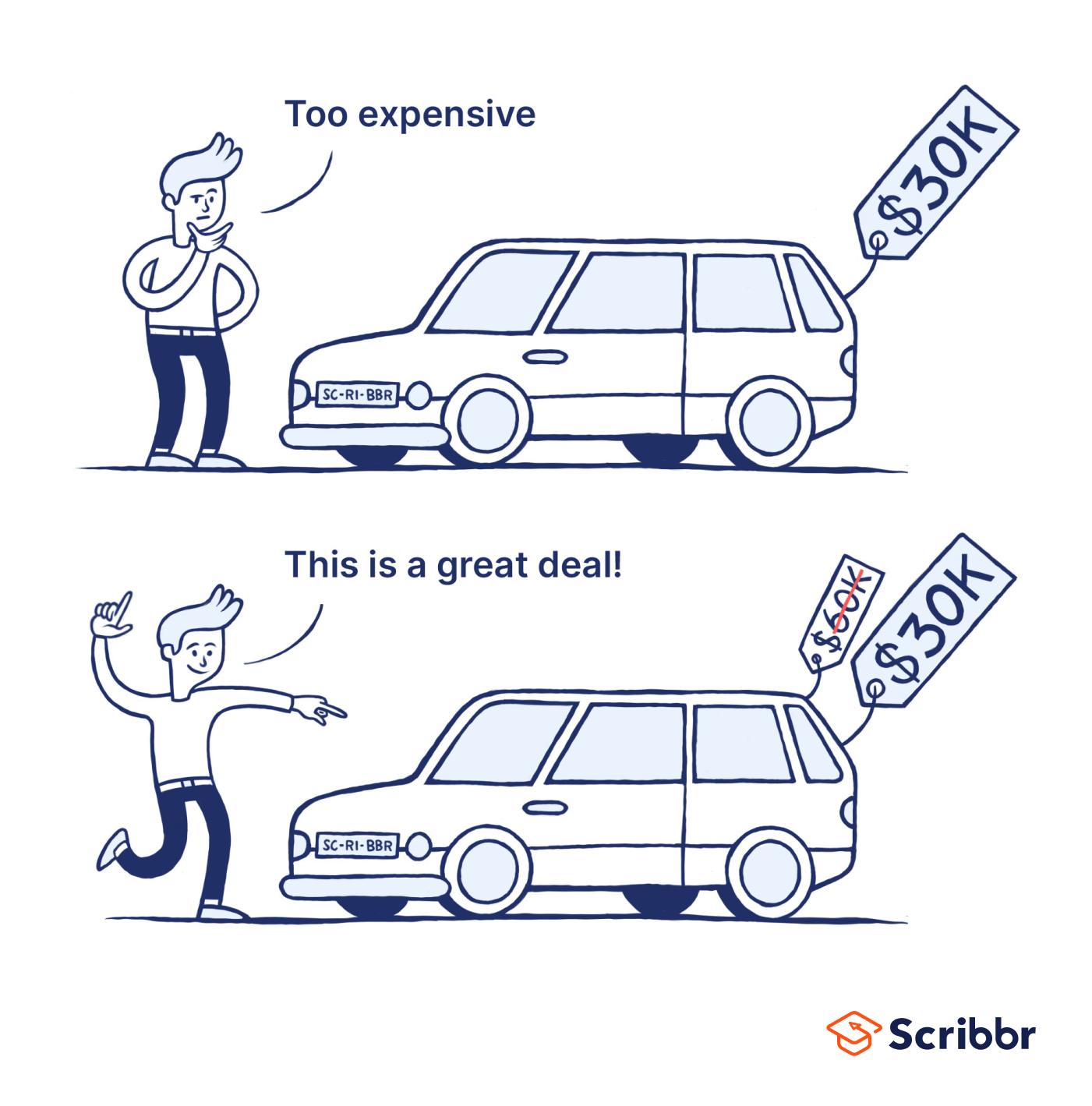
Our brains latch onto the first number or option presented and use it as a benchmark. Marketers exploit this to make prices seem more reasonable.
Subscription services often show a “premium” tier first at £49/month, then present a “standard” at £29/month. The higher anchor makes the lower option feel like a bargain. Luxury retailers use “was £399, now £199” for the same effect.
Why it works: Anchoring skews perception of value. Consumers rarely evaluate objectively – they compare against the first reference point they see.
Emotional Triggers: Heart over Head
Emotions often override logic in decision-making. Whether it’s joy, nostalgia, or even fear, the best campaigns make us feel something.
John Lewis Christmas adverts rarely mention products directly. Instead, they tap into warmth, generosity, and nostalgia, creating emotional associations with the brand. Coca-Cola’s “Holidays are Coming” truck has achieved the same effect worldwide.
Why it works: Emotions encode memories more strongly than facts. A rational appeal may persuade, but an emotional appeal is remembered.

The Dark Side: When Triggers Go Too Far
Of course, psychological marketing comes with responsibility.
Overplaying scarcity can make brands seem manipulative.
Excessive social proof can feel fabricated. Emotional triggers can backfire if they exploit rather than empathise.
Take the infamous Fyre Festival (2017). It weaponised social proof by hiring influencers to create a mirage of exclusivity. The event collapsed, leaving consumers angry and distrustful. It showed that psychological triggers without substance quickly turn into manipulation – and that can destroy credibility.
Conclusion: Marketing Minds, Not Just Markets
At its best, psychological marketing isn’t about trickery – it’s about understanding how people think, feel, and decide. Whether it’s scarcity nudging us to act, social proof reassuring us we’re safe, or emotion making a brand unforgettable, these triggers connect products to the messy, human side of decision-making.
As Kotler often reminds us, marketing is about understanding needs, wants, and demands. Psychology simply sharpens the lens – helping marketers speak to the mind behind the market.
TL;DR
-
Psychology plays a central role in marketing decisions.
-
Scarcity, social proof, authority, reciprocity, anchoring, and emotion are key triggers.
-
Brands like Amazon, Colgate, Innocent, and John Lewis show these in action.
-
Misuse can turn to manipulation, as seen with the Fyre Festival.
-
Done well, psychology helps marketers build trust, urgency, and emotional connection.