
The Mandela Effect
Why Millions of People Remember Things That Never Happened
There are few things more unsettling than confidently remembering something… only to discover it apparently never existed.
You swear a film quote was different. You distinctly remember a logo looking another way. You could have bet your mortgage that a celebrity died years earlier. Then someone shows you evidence that your memory is wrong.
Welcome to the strange world of the Mandela Effect.
It is one of the internet’s favourite rabbit holes – part psychology, part pop culture, part conspiracy theory, and part reminder that the human brain is far less reliable than most of us would like to believe.
For marketers, the Mandela Effect is particularly fascinating because it reveals something incredibly important:
People do not remember reality perfectly. They remember narratives, patterns, emotions, assumptions, and reconstructed versions of events.
And that has enormous implications for branding, advertising, PR, politics, and consumer behaviour.
The Marketing Made Clear Podcast
This article features content from the Marketing Made Clear podcast. You can listen along to this episode on Spotify:
What Is the Mandela Effect?
The term “Mandela Effect” was coined by paranormal researcher Fiona Broome after she discovered that many people shared a false memory that Nelson Mandela had died in prison during the 1980s.
In reality, Mandela was released from prison in 1990 and died in 2013.
Yet thousands of people claimed to vividly remember news coverage of his earlier death, including speeches, broadcasts, and public mourning.
Since then, the term has become shorthand for large groups of people sharing the same incorrect memory.
The internet turned it into a cultural phenomenon.
And once you start exploring examples, it becomes surprisingly uncomfortable.
Famous Examples of the Mandela Effect
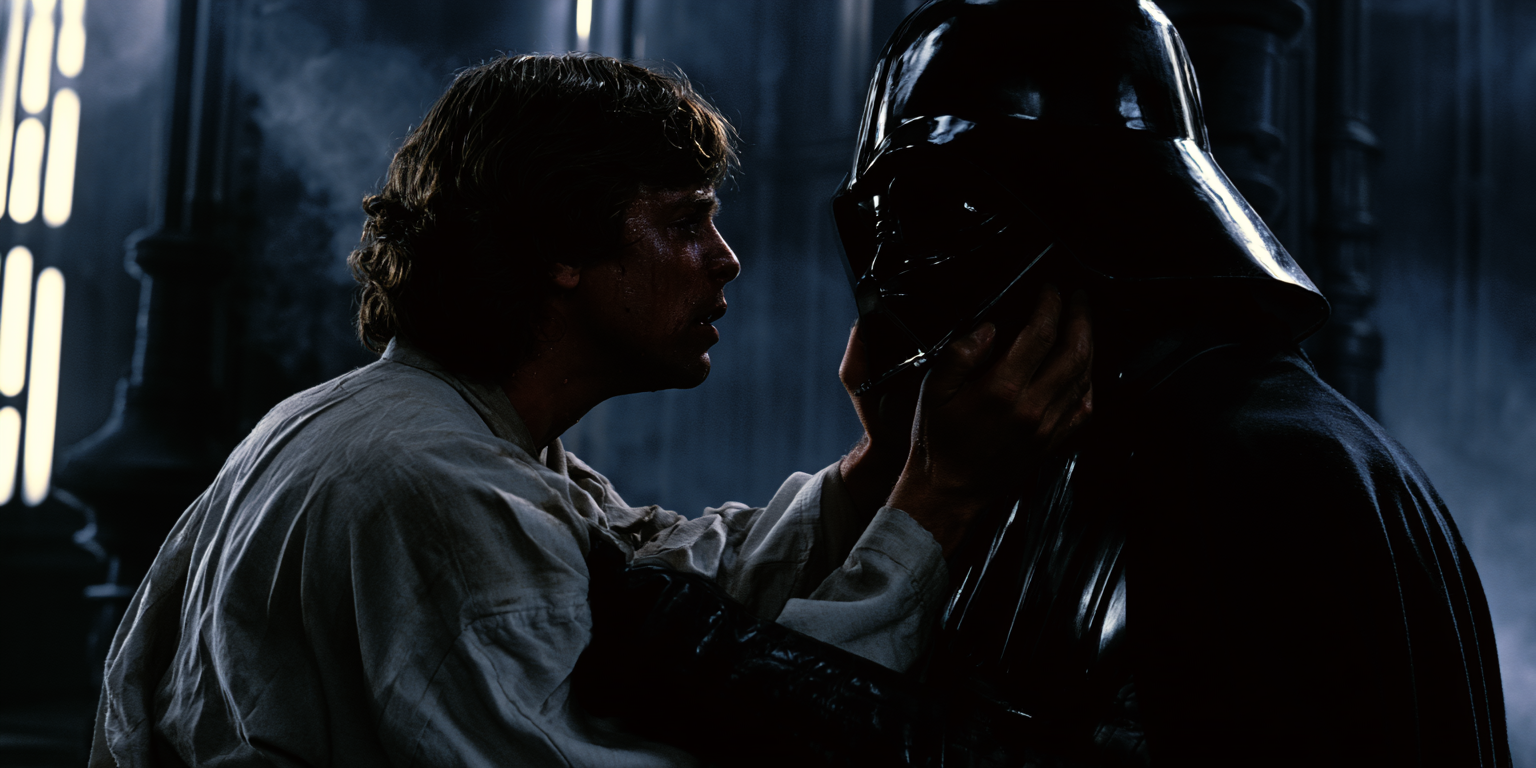
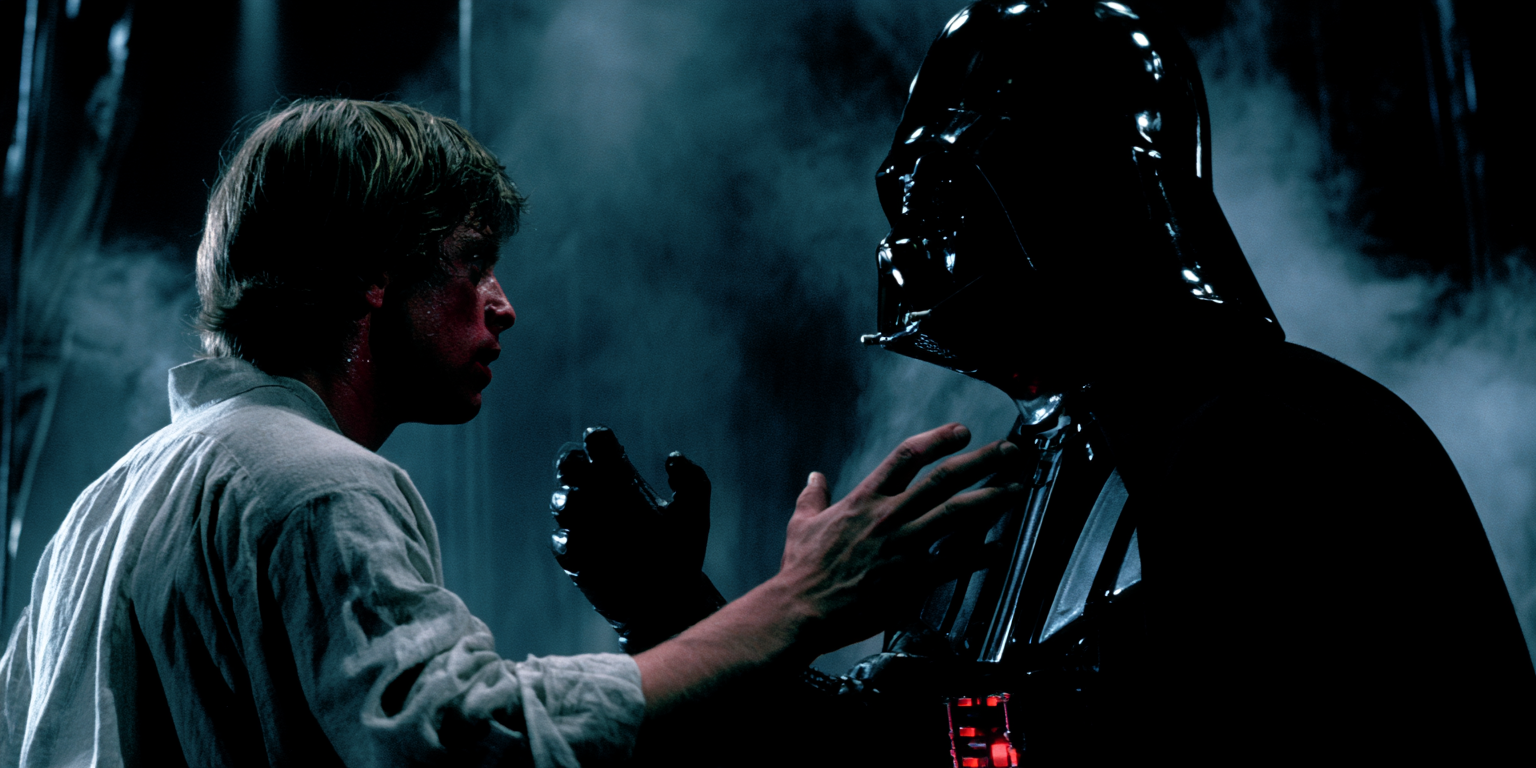
“Luke, I am your father”
One of the most famous film quotes of all time.
Except it is not actually the line.
In Star Wars: Episode V – The Empire Strikes Back, Darth Vader says:
“No, I am your father.”
But millions of people remember:
“Luke, I am your father.”
Why?
Because the altered version makes more sense when quoted out of context. It identifies the characters clearly and works better socially.
Ironically, the incorrect version became more memorable than the real one.
Marketers should pay close attention to that.
Sometimes the audience remembers the version that is easier to process – not the version that is technically correct.
The Berenstain Bears
This one causes genuine existential crises online.
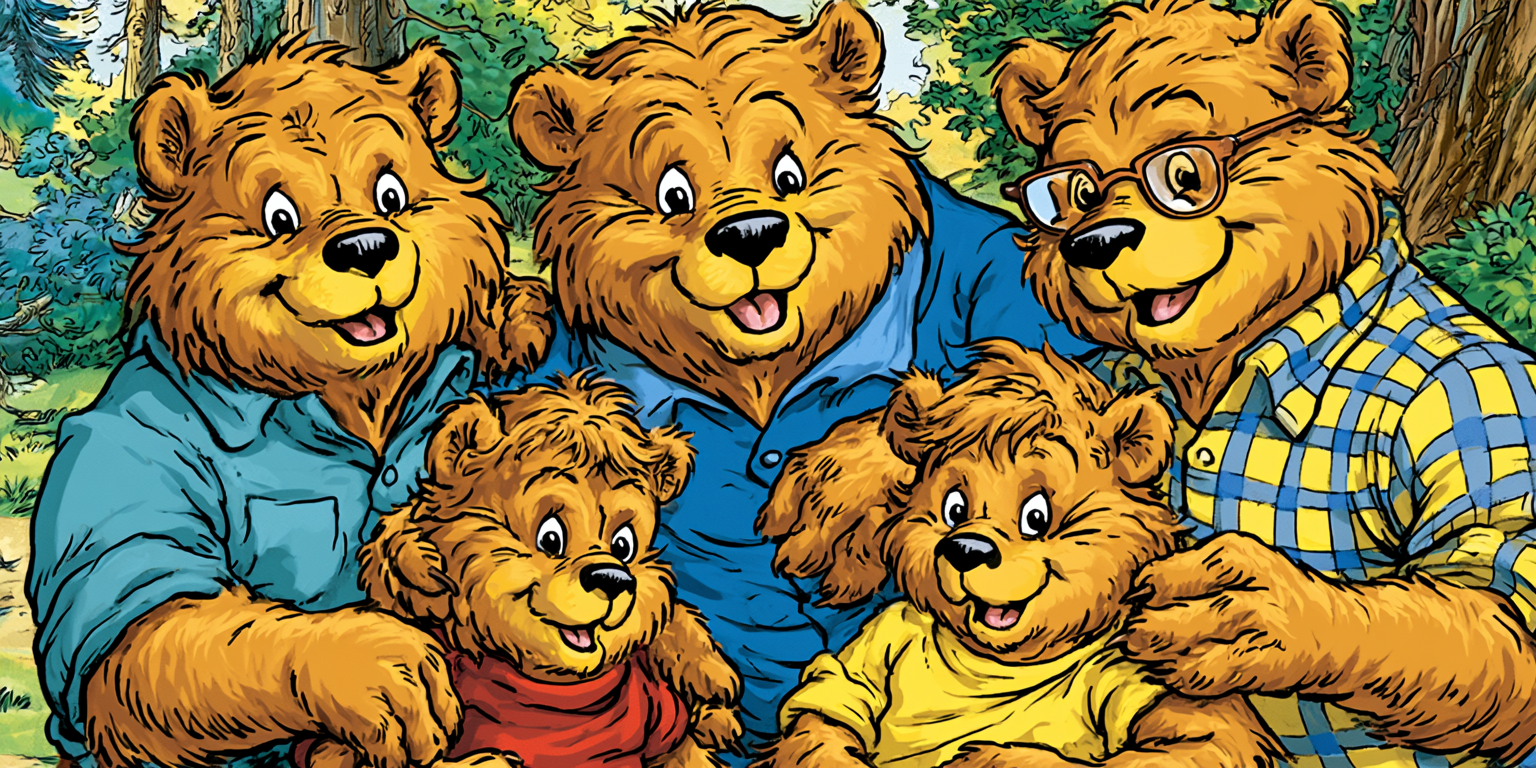
Many people remember the children’s book series as “The Berenstein Bears”.
But the books have always been called The Berenstain Bears.
The confusion likely comes from the fact that “-stein” surnames are more common than “-stain”, causing the brain to auto-correct the unfamiliar spelling.
Again, the brain prioritises pattern recognition over accuracy.
“Mirror, mirror on the wall”
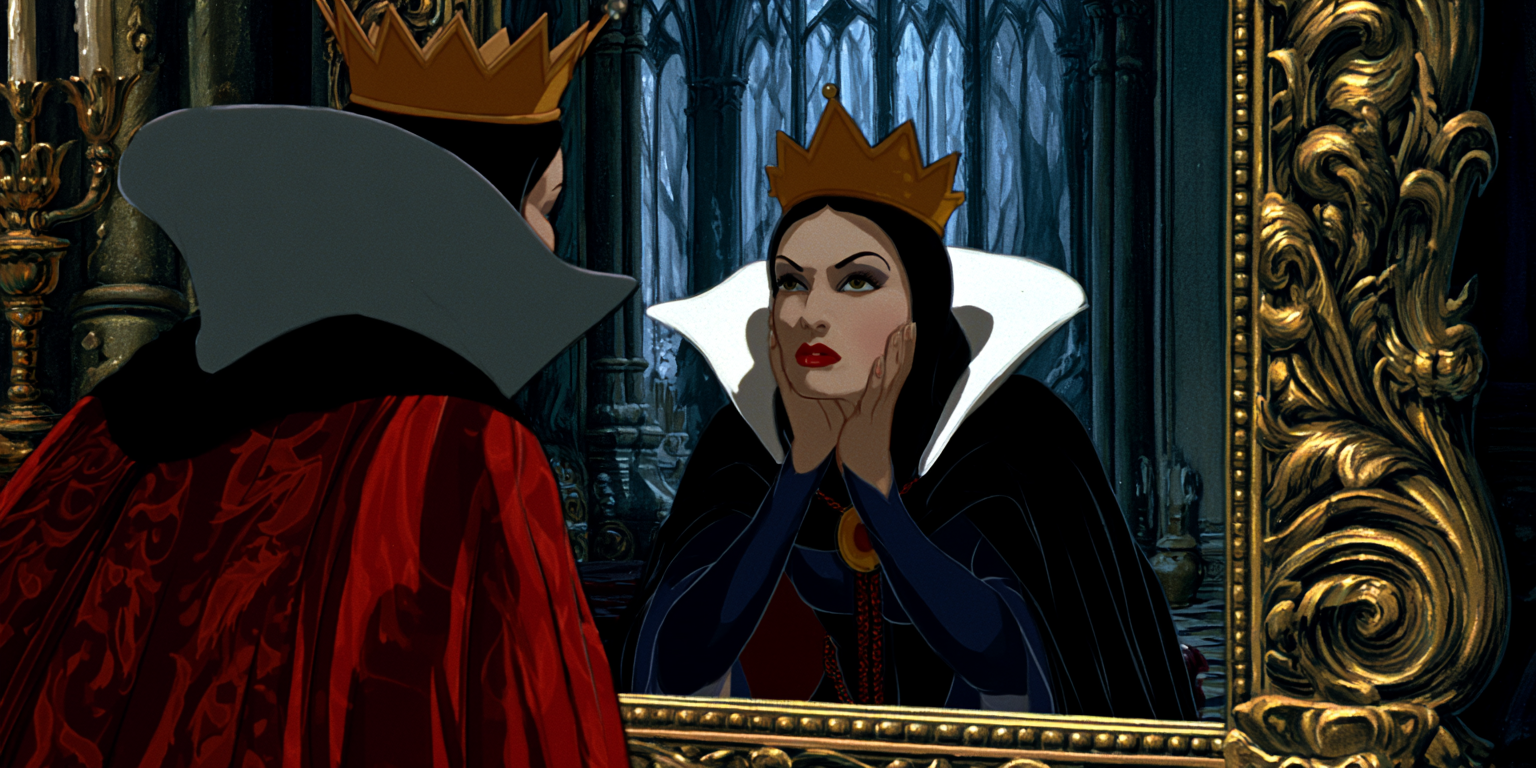
In Disney’s Snow White and the Seven Dwarfs, the Evil Queen actually says:
“Magic mirror on the wall…”
Yet many people confidently remember:
“Mirror, mirror on the wall”.
Why?
Because repetition and rhythm matter.
“Mirror, mirror” sounds better. It is more poetic. More memorable.
Which is essentially the entire advertising industry in a nutshell.
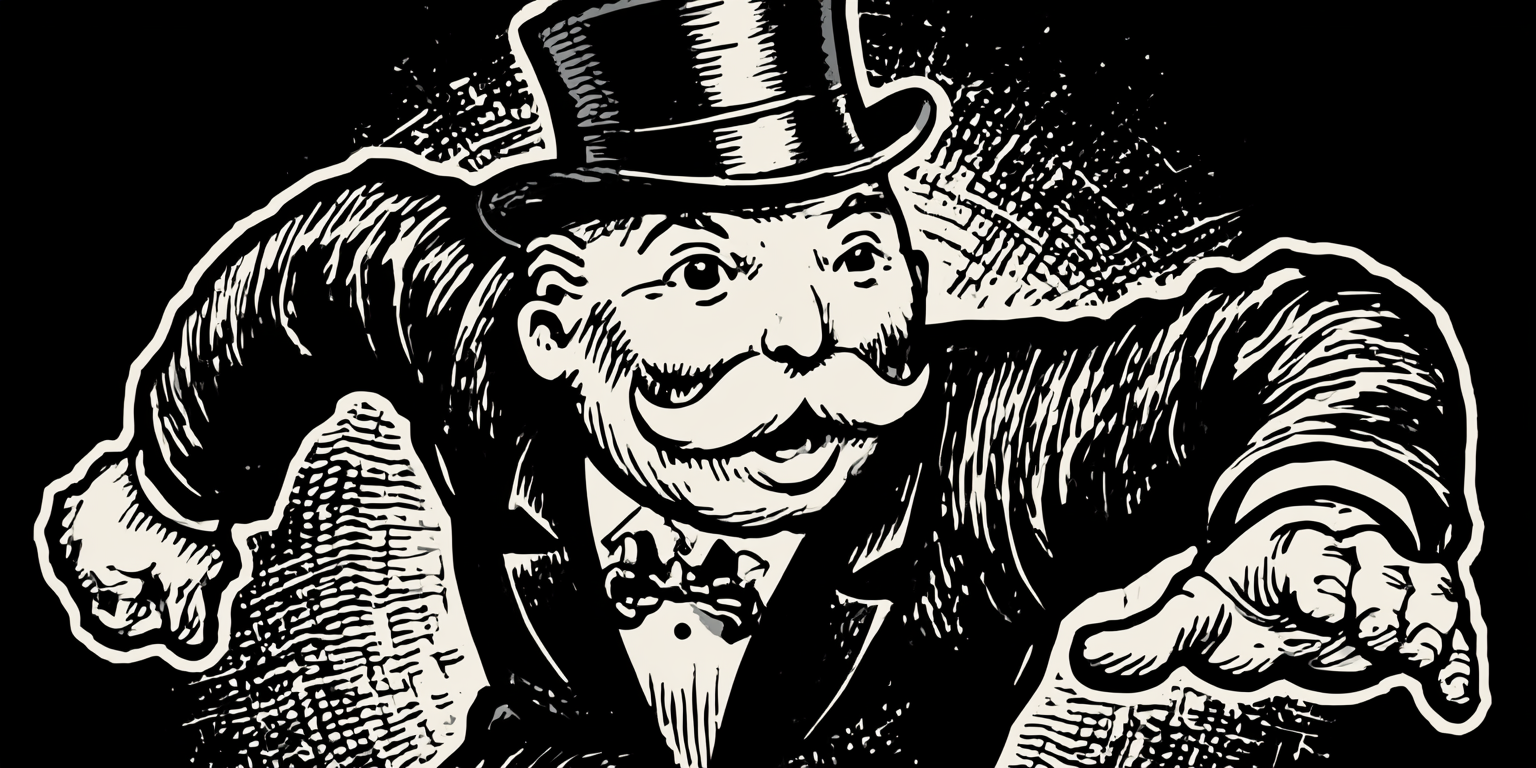
The Monopoly Man’s Monocle
A huge number of people remember the Monopoly mascot wearing a monocle.
He never did.
Monopoly’s Rich Uncle Pennybags has no monocle whatsoever.
Researchers believe this may be because people merge visual stereotypes together. Wealthy old men in popular culture are often depicted with monocles, so the brain fills in the gap.
This is called schema theory – the idea that humans use mental frameworks to interpret information quickly.
The brain edits reality constantly to fit familiar templates.
Which explains a lot about modern politics.
Why Does the Mandela Effect Happen?
The simplest explanation is that human memory is reconstructive rather than reproductive.
We do not replay memories like video recordings.
Instead, we rebuild them each time we recall them.
Psychologist Frederic Bartlett explored this idea as early as 1932 through his work on reconstructive memory. He found that people routinely altered stories over time to make them more culturally familiar or logically coherent.
In other words:
Your brain is basically an overconfident intern editing reality.
Modern cognitive psychology supports this heavily.
Researchers such as Elizabeth Loftus demonstrated how easily false memories can be implanted through suggestion, wording, and social reinforcement.
Her work became hugely influential in psychology, law, and media studies because it showed just how fragile memory really is.
And once social media entered the equation, things became even messier.

Social Media and Shared False Memories
The internet supercharges the Mandela Effect.
Historically, people might privately misremember something and move on.
Today, millions of people gather online and reinforce one another’s memories.
The result is social validation.
You think:
“Well, if thousands of other people remember it too, surely it must be true.”
Not necessarily.
This is partly linked to social proof theory, popularised by Robert Cialdini. Humans often assume something is correct simply because many other people believe it.
The Mandela Effect reveals the dangerous side of that tendency.
Large groups can collectively reinforce inaccurate information with extraordinary confidence.
That becomes particularly important in politics, media, and marketing.
What Marketers Can Learn from the Mandela Effect
This is where things become especially interesting.
The Mandela Effect demonstrates several core marketing truths.
Simplicity Wins
People remember simplified versions of information.
“Luke, I am your father” is easier to process than the actual line.
This aligns with cognitive fluency theory – humans prefer information that feels easy to understand.
Good advertising often works because it reduces complexity.
Emotion Beats Precision
People rarely remember adverts word-for-word.
They remember how they felt.
This is one reason emotional branding can outperform feature-heavy communication.
Consumers reconstruct brand memories emotionally rather than technically.
Repetition Shapes “Truth”
Repeated exposure increases perceived accuracy.
This is known as the illusory truth effect.
If people hear something enough times, they become more likely to believe it – even when it is false.
That has obvious implications for political campaigns, PR messaging, and advertising slogans.
It also explains why terrible buzzwords somehow survive corporate meetings for years despite everyone secretly hating them.
Brands and the Mandela Effect
Some brands accidentally benefit from collective misremembering.
Others suffer from it.
For example, people often misremember logos, slogans, colours, or mascots. Yet repeated incorrect versions online can gradually reshape public perception anyway.
This creates an odd challenge for marketers:
Consumers may remember your brand differently from how you actually presented it.
And sometimes the “wrong” version becomes culturally dominant.
This is partly why consistency matters so much in branding.
Repeated visual identity helps reduce distortion over time.
Even then, memory drift still happens.
George Orwell Would Have Had a Field Day
It is impossible to discuss memory distortion without thinking about George Orwell.
In Nineteen Eighty-Four, Orwell explored how governments manipulate truth, history, and collective memory.
The Mandela Effect is obviously not evidence of authoritarian rewriting of reality.
But it does highlight how fragile shared truth can become when memory, repetition, emotion, and social reinforcement collide.
Orwell understood something marketers should understand too:
People do not simply consume information objectively.
They interpret reality through stories.
Final Thoughts
The Mandela Effect is funny, unsettling, fascinating, and slightly terrifying all at once.
On the surface, it looks like harmless internet trivia.
Underneath, it reveals profound truths about human psychology.
We are not perfect recorders of reality.
We are pattern-seeking, emotionally-driven storytellers constantly reconstructing the world around us.
For marketers, that matters enormously.
Because branding itself often lives inside memory rather than objective reality.
And sometimes what people remember becomes more powerful than what actually happened.
Which is probably why half the internet still insists the Monopoly man had a monocle.
Even though he absolutely did not.
TL;DR
The Mandela Effect describes large groups of people sharing the same false memory, such as believing Nelson Mandeladied in prison or remembering famous film quotes incorrectly. Psychology explains this through reconstructive memory, pattern recognition, social reinforcement, and cognitive bias rather than alternate realities. For marketers, the phenomenon offers valuable lessons about branding, storytelling, repetition, emotional recall, and the way consumers remember simplified narratives rather than precise facts.