

The Nobel Peace Prize
When the Merchant of Death Became the Patron Saint of Peace
When Alfred Nobel read his own obituary, it didn’t make for light breakfast reading.
In 1888, a French newspaper mistakenly announced the death of “Le marchand de la mort est mort” – “The merchant of death is dead.” They’d confused Alfred with his late brother Ludvig. But the headline hit home. Nobel, the inventor of dynamite and holder of 355 patents, suddenly saw how history might remember him: as a man who made it easier to wage war.
Determined to rewrite his legacy, he left his fortune to fund annual prizes for science, literature, and peace. It’s a redemption arc worthy of a marketing campaign – the man who invented better explosives becoming the world’s most famous peace-maker.
And so began a long tradition of noble intentions and questionable optics. Because ever since 1901, the Nobel Peace Prize has shown that when you build a brand around moral virtue, you also inherit a lifetime supply of irony.
The Marketing Made Clear Podcast
This article features content from the Marketing Made Clear Podcast – check it out on all good platforms.
When “Peace” Isn’t Exactly Peaceful
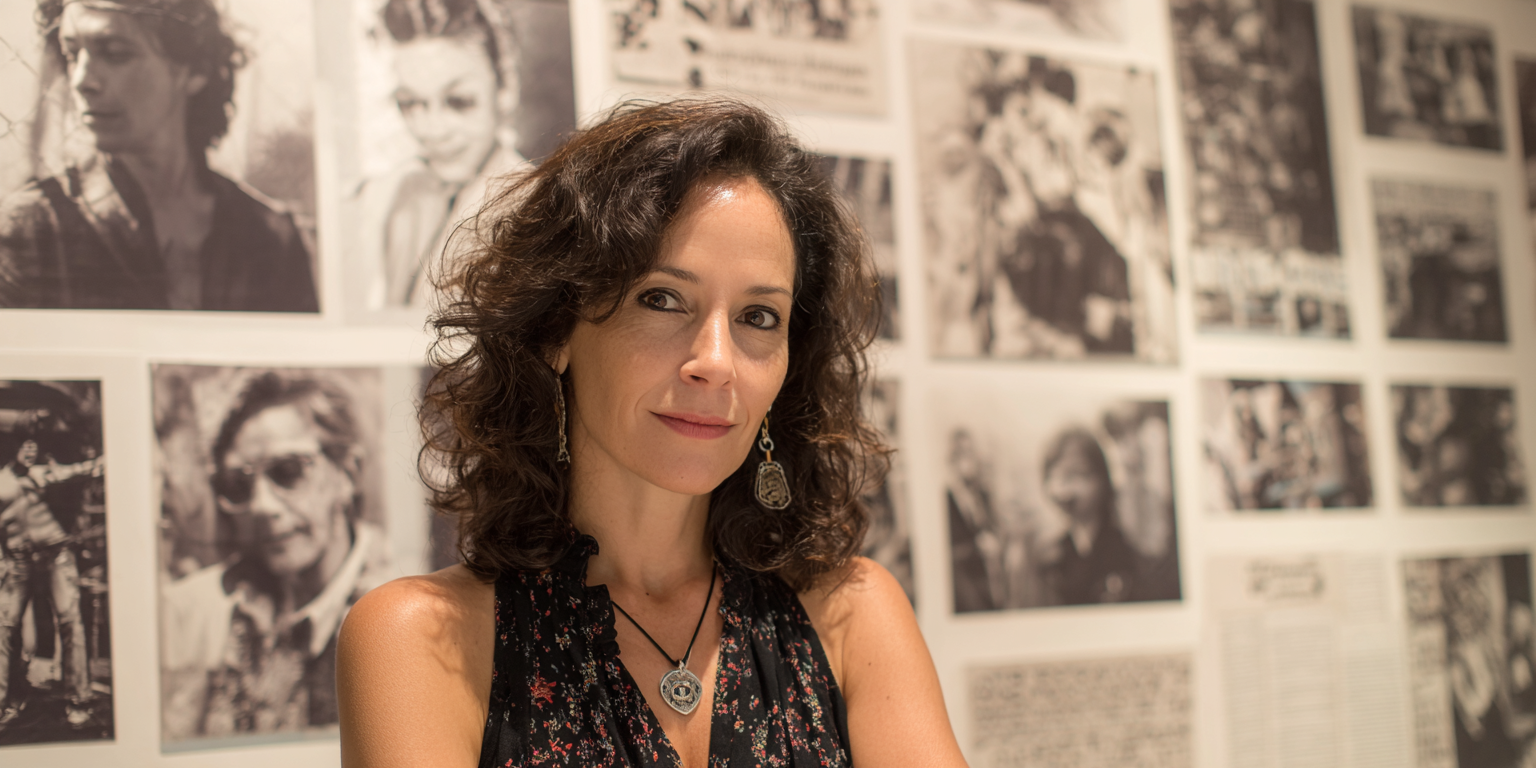
This year’s award to María Corina Machado; Venezuelan opposition leader and democracy activist – is a perfect example. Lauded for her courage in standing up to Maduro’s regime, she’s also been criticised for supporting foreign intervention and hard-line tactics.
Admirable? Yes.
Peaceful? Debatable.
But it’s hardly the first time the committee’s definition of “peace” has raised an eyebrow or two.
A Brief History of Questionable Laureates
Henry Kissinger (1973)
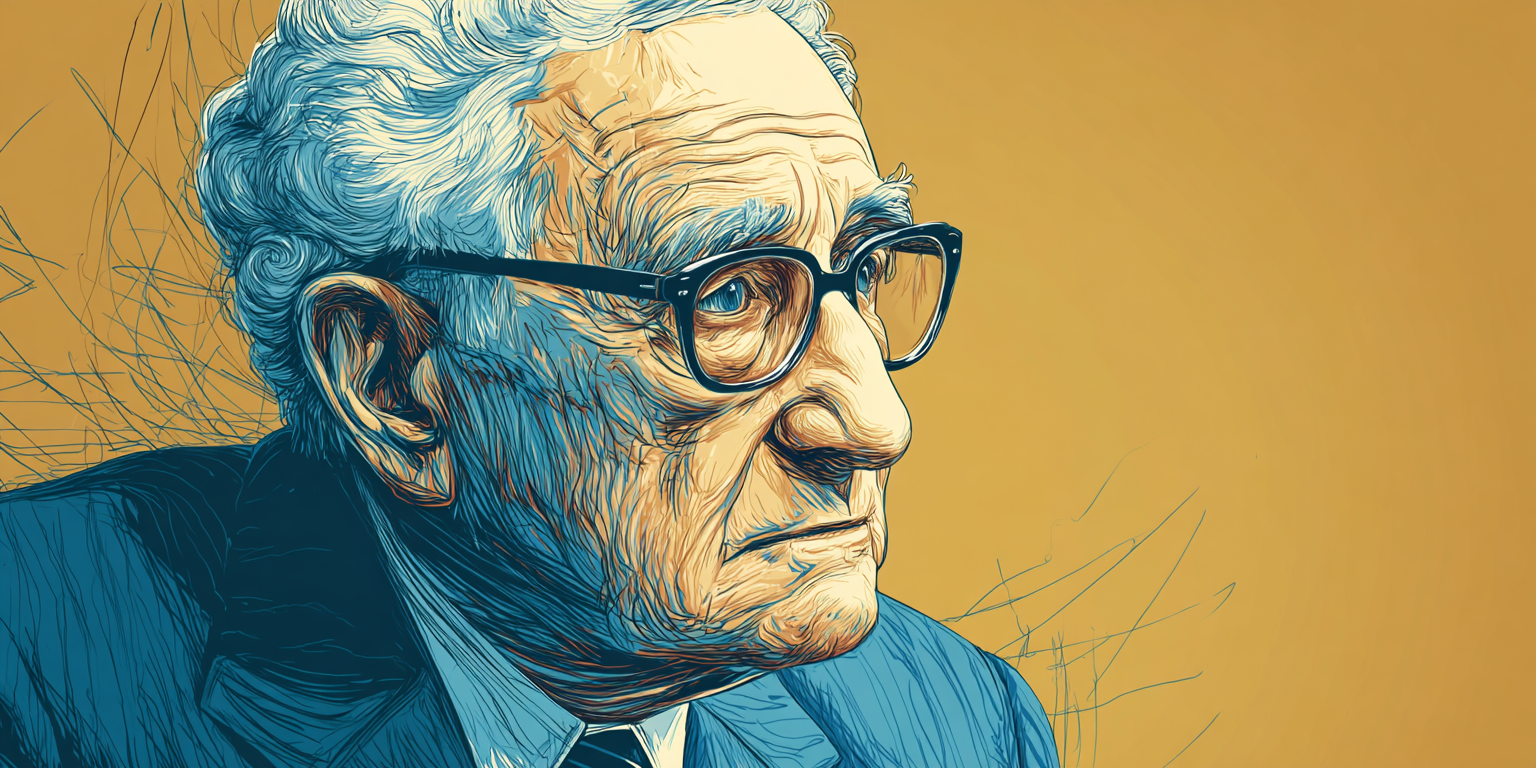
Perhaps the canonical “how did this happen?” case. Kissinger, U.S. Secretary of State, was awarded the prize for negotiating the Vietnam ceasefire. Yet his record includes secret bombings of Cambodia and complicity in various Cold War machinations.
Le Duc Tho, the North Vietnamese negotiator, declined the award, saying peace had not truly been achieved.
Two Nobel Committee members resigned in protest.
Some historians maintain that awarding Kissinger was an embarrassment to the Prize.
Kissinger’s case shows the Prize can be employed as a kind of political signaling rather than a clear endorsement of peaceful deeds.
Yasser Arafat, Shimon Peres & Yitzhak Rabin (1994)
When the Oslo Accords looked like a path to peace, the award went to all three parties.
But Arafat’s history of supporting – and sanctioning – violent actions made many observers question the moral coherence of the choice.
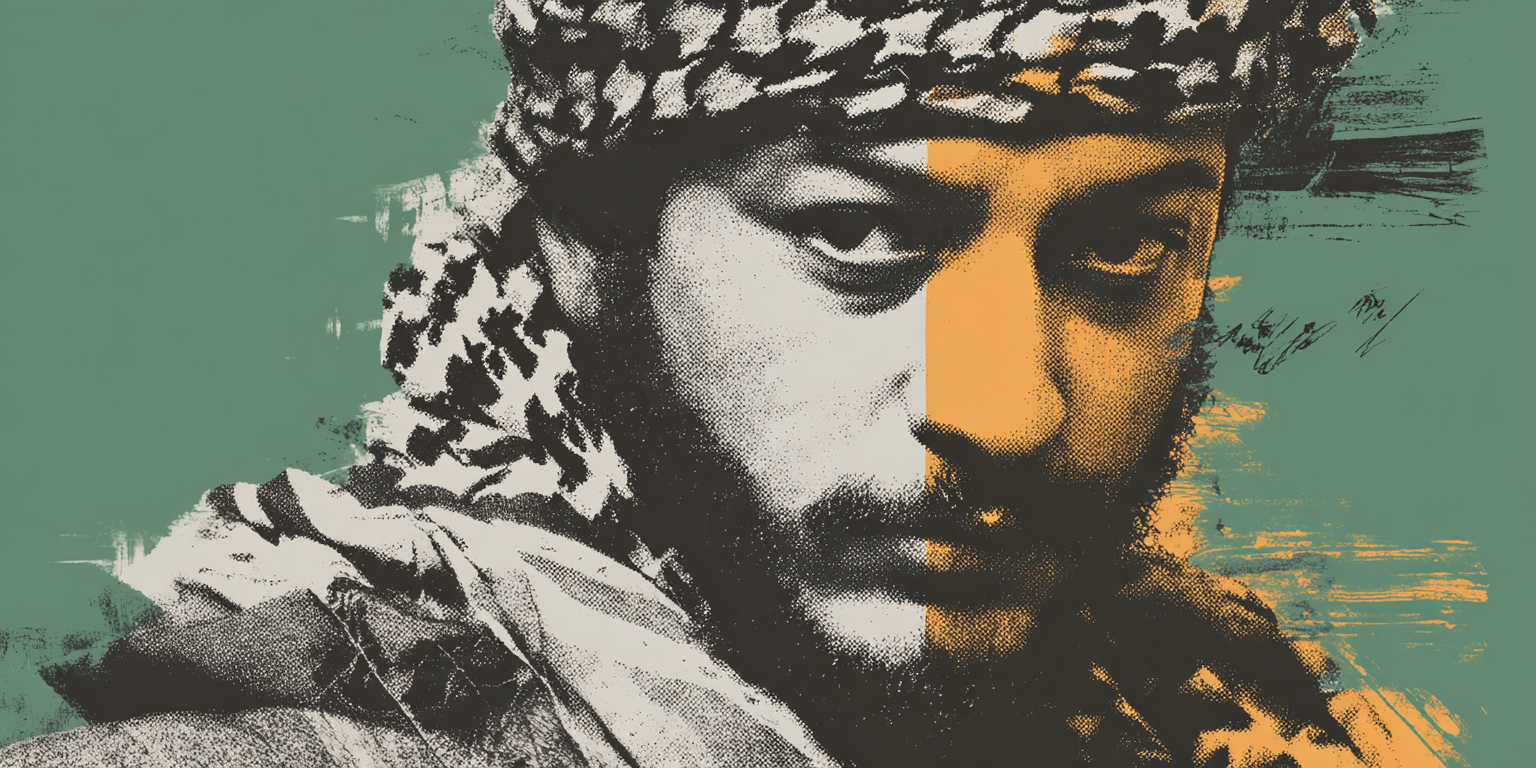
One former Nobel committee member called Arafat “the world’s most prominent terrorist.”
The move may have hoped to push the peace process along, but it also turned the prize into a gamble: picking sides in an intractable conflict.
Aung San Suu Kyi (1991)
At the time, she was an icon of non-violent resistance under military rule in Myanmar.
Later, her reputation fractured: she was criticised for her government’s complicity (or at least silence) in atrocities against the Rohingya.
Her case illustrates how laurels awarded in one moment can look very different decades later.

Other Oddities & Nominations
- Carl von Ossietzky got the 1935 Peace Prize while imprisoned for exposing German remilitarisation. Conservatives in Norway and Germany denounced it as traitorous.
- Hitler and Mussolini were both nominated (though not awarded). The very presence of their names in the consideration set shows how “nominations” can be a smear campaign in themselves.
- Barack Obama’s 2009 Nobel drew flak because he got it early in his presidency – before major peace treaties or disarmament – raising the question: was this reward for hope rather than concrete results?
Critics like Fredrik Heffermehl argue that many Nobel decisions (especially Peace) deviate from Alfred Nobel’s original ambitions, and that up to 45% of Peace awards since 1945 may be legally or morally flawed under Nobel’s will.

From Dynamite to Diplomacy: Nobel’s Branding Problem
Every brand starts with a founder story, and Nobel’s is among the most paradoxical ever told.
He didn’t just invent explosives – he perfected them. He owned arms factories, supplied militaries, and yet used his fortune to fund a prize for peace. It’s the ultimate PR pivot: from detonation to donation.
In modern terms, Nobel performed a full brand repositioning. The Peace Prize became his attempt to “control the controllables” (thank you Nigel Adkins) to manage posthumous reputation through storytelling. It’s the same playbook used by companies caught in controversy today: own the narrative, outlive the scandal, and shape your legacy.
But here’s the twist.
Because Nobel made peace such a broad, symbolic concept, the committee that followed him was left with immense discretion and, occasionally, spectacularly bad judgement.

The 2025 Head-Scratcher: María Corina Machado
Coming back to Machado’s win – this follows that same legacy of complexity.
The Nobel Committee praised her “tireless work promoting democratic rights” in Venezuela, an undeniably brave pursuit.
Yet critics note her willingness to court U.S. backing, her confrontational tone, and her emphasis on toppling a regime by almost any means.
In other words: a peaceful activist with a bit of dynamite in her own rhetoric.
The symmetry is almost poetic.

The Trump Chapter: A Peace Prize Campaign Like No Other
Then there’s Donald Trump, whose pursuit of the Nobel Peace Prize may be one of the most aggressive peace campaigns in history.
He’s been nominated several times, mostly by right-leaning politicians who admired his role in the Abraham Accords and Korean diplomacy. But what made it farcical was his self-promotion:
-
He repeatedly told rallies he “deserved the Nobel Peace Prize” and that “they don’t give it fairly.”
-
He called Norwegian officials asking how to win it.
-
And he turned his nominations into campaign merchandise.
It is peak Trump: branding meets diplomacy meets stand-up routine.
The committee, perhaps sensing that awarding him would permanently blow up (pun intended) their credibility, declined.
Still, his campaign was instructive for marketers. It showed how even the most prestigious brands can be co-opted, memed, and dragged into the chaos of attention-economy politics.
What Marketers Can Learn from the Nobel Paradox
-
You Can’t Outrun Your Origin Story
Nobel’s dynamite defined him as much as his philanthropy. Every brand carries its contradictions — the key is whether you confront them or pretend they don’t exist. -
Prestige Requires Proof
Just as Obama’s early win felt premature, brands that claim virtue without track record invite backlash. Audiences demand receipts, not rhetoric. -
Symbols Outlive Substance
The Nobel Peace Prize now operates more as a signal of intent than a measure of achievement. Many brands fall into the same trap: selling ideals rather than outcomes. -
Beware of Misaligned Ambassadors
Arafat, Suu Kyi, even Kissinger – all show what happens when your brand’s representatives turn controversial. The wrong figurehead can redefine your message overnight. -
Legacy Is a Moving Target
As times change, so do moral frameworks. Yesterday’s hero can be today’s cautionary tale. Build flexibility into your brand narrative, or risk being trapped by it.
TL;DR
-
Alfred Nobel invented dynamite, then created a Peace Prize to clean up his legacy — making irony part of the brand’s DNA.
-
Over the decades, winners from Kissinger to Obama have blurred the line between peacemaking and politics.
-
The 2025 award to María Corina Machado continues that tradition — a moral statement wrapped in controversy.
-
Even Trump’s near-miss illustrates how the Prize has become as much about narrative control as actual peace.
-
For marketers, the Nobel Peace Prize is a masterclass in brand management gone awry: proof that reputation, once set in motion, can be as unpredictable as dynamite itself.