

Psychology, Research, and Marketing
How to Turn What People Say into What Brands Should Do
Marketers love a good stat.
But numbers without psychology can mislead you, and psychology without numbers can seduce you. The art is joining the two – understanding how human minds actually work and then designing research that reduces bias, surfaces real drivers of behaviour, and turns insight into action.
This article looks at the role psychology plays in focus groups and broader research, why you shouldn’t take findings at face value, and how to interpret evidence so it changes marketing outcomes – for better, not worse. Along the way, we’ll learn from some famous wins and disasters.
The Marketing Made Clear Podcast
Check out the Marketing Made Clear Podcast on all good streaming platforms including Spotify:
Why Psychology is the Marketer’s best Research Tool
People are wonderfully unreliable narrators of their own behaviour.
Social desirability bias nudges them to give the “good person” answer rather than the true one, especially in group settings (something I partially covered in my content around people’s “ideal self” and our extensions). That bias is well-documented in qualitative studies and can meaningfully distort findings if you ignore it (see overviews in public-health and methods literature).
Focus groups add more gremlins: the group effect or groupthink, dominant voices, and moderator influence. Skilled moderation and design can mitigate these, but they never disappear entirely.
On the flip side, psychology gives us tools to get closer to truth: projective techniques, laddering, ethnography, and implicit tests that tap automatic, System-1 associations (e.g., the Implicit Association Test, IAT). These can reveal brand meanings people can’t or won’t articulate directly.
Focus Groups: Handle with Care
Focus groups are best for exploration, language, category frames, unmet needs – not for voting on logos or choosing the winning ad. If you use focus groups; design with psychology in mind:
-
De-bias the room: anonymised pre-tasks and written exercises before discussion help reduce conformity pressures.
-
Control dominance: manage opinion leaders and rotate who speaks first.
-
Triangulate: pair groups with 1-to-1 depth interviews, diary studies, field observation, and implicit tasks.
Methods at a Glance: What Each Really “Measures”
| Method | What it’s good for | Psychology risk | How to de-risk |
|---|---|---|---|
| Focus groups | Language, frames, tensions, early ideas | Groupthink, social desirability, moderator effects | Pre-tasks, written first responses, strong facilitation, mix with 1-to-1s |
| Depth interviews | Motivations, barriers, jobs-to-be-done | Demand characteristics, recall bias | Cognitive probes, story completion, projectives |
| Ethnography | Context, real behaviour, work-arounds | Observer effect if obtrusive | In-home or in-the-wild observation, minimise interference |
| Implicit testing (e.g., IAT) | Automatic brand associations, emotional fit | Requires careful design/validation | Use alongside explicit measures and behaviour |
| Surveys | Sizing, prioritisation, tracking | Habituation, leading questions, social desirability | Randomisation, wording tests, attention checks |
| A/B tests & analytics | Real behaviour, causal impact | Local optima, short-termism | Test meaningful treatments, read long- and short-term effects |
See further sources on bias and implicit methods.
Case Studies: When Research Helped – and When it Hurt
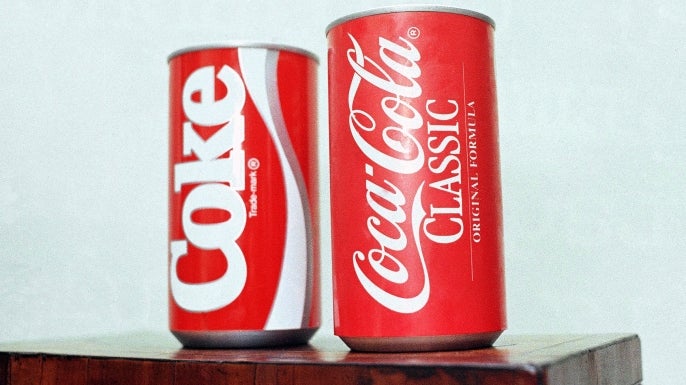
New Coke: Great Taste Tests, Bad Psychology
Coca-Cola ran 200,000+ taste tests and many groups.
People preferred the new sweeter formula in blind sips. What the data missed were identity and loss aversion: replacing the iconic product triggered a backlash that research signals (passionate loyalists) had hinted at but the business discounted. Coca-Cola reversed within months and now frames 1985 as a hard-won lesson in understanding emotional equity, not just flavour.
Tropicana: a Packaging Change That Cost ~20% of Sales in 2 Months
In 2009, Tropicana modernised its cartons.
Shoppers couldn’t spot Tropicana at a glance and felt it had lost meaning. Sales fell about 20% in eight weeks, roughly a $30m hit, and the old pack returned.
Shelf psychology matters: recognition, fluency, and distinctiveness are non-negotiable.

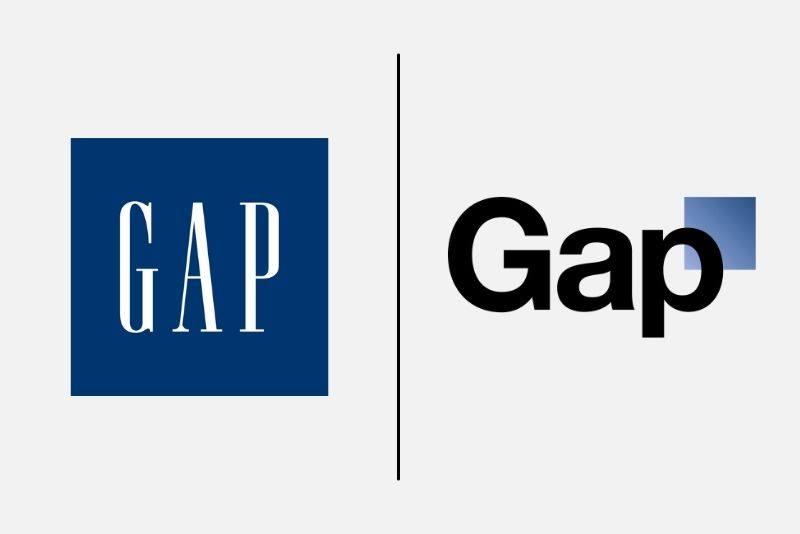
Gap: Six Days to Reverse a Logo
Gap’s 2010 logo change was pulled after less than a week amid ridicule and “make-your-own” parodies online.
The research lesson is not “never change”, it’s “don’t ignore symbolic equity and transition planning.”
If you move the meaning, prepare people.
When Research Helped…
Tesco Clubcard: When Data and Psychology Transform a Category
Clubcard (launched 1995) fused transaction data with behavioural insight to personalise offers and reframe value for millions, helping Tesco overtake rivals and normalising loyalty science in British retail.
The business impact is widely chronicled, and it remains a model for turning evidence into experience design.
LEGO: Ethnography Brings the Brand Back to the Brick
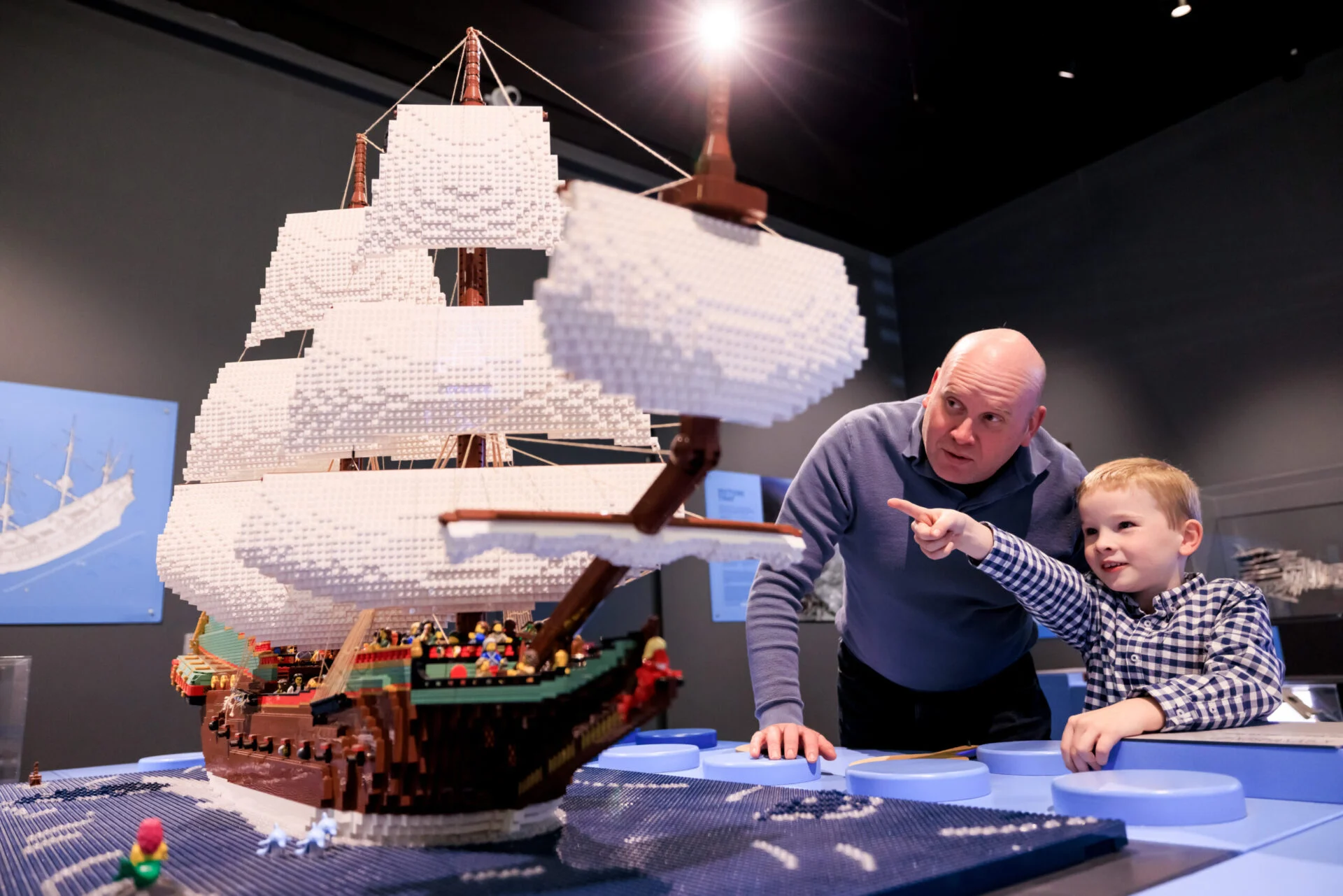
After years of drift, LEGO invested in deep ethnographic research, known as “camping with consumers”, to understand how children, teens and adult fans actually play.
Insight into mastery, challenge and community helped refocus the portfolio and reignite growth. The point: sometimes watching beats asking.
Snickers: Turning a Human Truth into a Global Platform
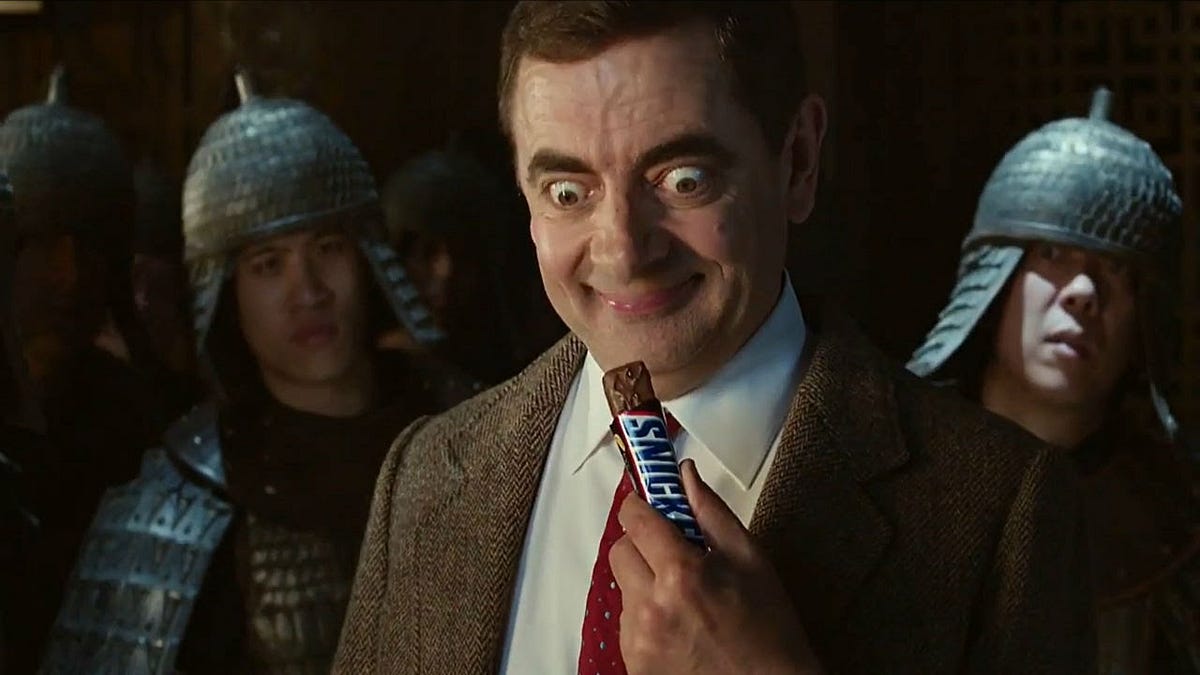
BBDO’s research crystallised a universal insight; hunger changes your personality – and built a decade-long growth engine around it: The Snickers campaign “You’re not you when you’re hungry.”
That’s psychology turned into fame, memory structures and sales impact across 50+ markets.
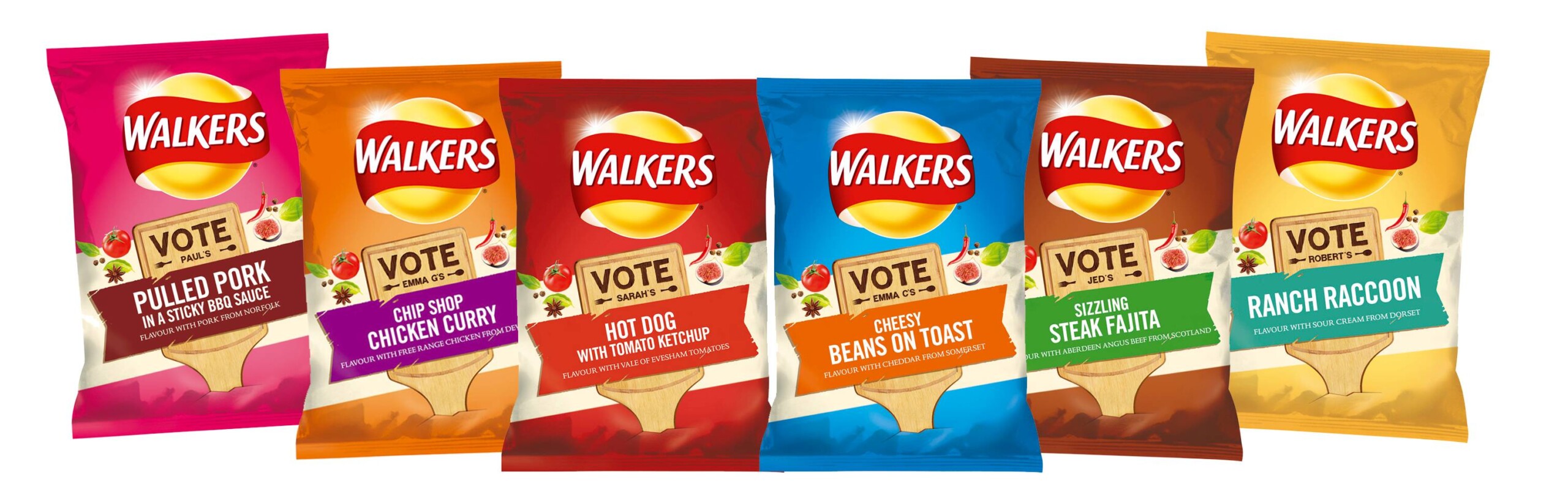
Walkers ‘Do Us A Flavour’: Crowd Input, Brand Control
A cleverly designed crowdsourcing programme invited Britain to co-create flavours while Walkers kept strategic control. It generated over a million submissions, strong web engagement and market share gains.
The research learning: participation works when you curate, not abdicate.
Don’t Take Findings at Face Value: an Interpretation Checklist
1) Separate what people say from what they do.
Treat stated preference as a hypothesis about revealed behaviour. Validate with field data or tests.
2) Read the room, not just the transcript.
Note who spoke first, who followed, where laughter or discomfort appeared. That’s social data about desirability and status.
3) Hunt the mechanism.
Ask: what psychological mechanism might drive this behaviour – identity, habit, loss aversion, status, effort, cognitive ease? Build one clear causal story before you recommend action.
4) Stress-test with multiple methods.
Triangulate: e.g., groups → implicit test → small A/B in a real environment. If two methods disagree, learn why.
5) Protect distinctiveness.
Before changing assets, model the cost to fluency and recognition. Tropicana and Gap show how fast you can destroy mental availability.
6) Beware averages.
Segment psychology, not just demographics. The outliers in your qual – the “love” and the “hate” – often signal risk and opportunity.
7) Decide like a portfolio manager.
Treat insights as bets with confidence bands. Place small, fast bets first, scale the ones that prove causal impact.

From Insight to Action: A Practical Flow You Can Adopt Tomorrow
-
Frame the decision: What behaviour must change, with whom, and where?
-
Map the psychology: Hypothesise the top three drivers or barriers.
-
Design the evidence: Choose methods that disconfirm you if you’re wrong – e.g., implicit for gut meaning, ethnography for context, survey for size, A/B for causality.
-
Pre-mortem: If this insight is wrong, how would we know early? What is the smallest live test?
-
Launch learning loops: Ship, measure the behavioural KPI, capture qual feedback, and iterate.
-
Guard the brand codes: If your test touches distinctive assets, test memory and recognition before rollout. Tropicana didn’t.
Bringing it Back to Focus Groups
Focus groups remain useful when you treat them as sense-making, not decision-making. Use them to:
-
collect vernacular for copy and search;
-
surface tensions to probe in 1-to-1s;
-
pressure-test hypotheses, not choose finalists;
-
feed ideas into experiments rather than signing off on “winners”.
Then validate with methods that see past politeness – implicit tasks and behaviour in the wild.
TL;DR
-
Psychology explains why research misleads us – and how to fix it. In groups, social desirability, dominance and moderator effects skew results. Use written pre-tasks, strong moderation, and triangulate with 1-to-1s, implicit tests and behavioural data.
-
Interpret findings through mechanisms and behaviour, not quotes. Treat stated preference as a hypothesis; prove it with A/B tests and real-world KPIs.
-
Learn from the classics: New Coke missed emotional equity, Tropicana broke distinctiveness, Gap rushed a symbol change. Tesco Clubcard, LEGO ethnography and Snickers’ universal human truth show what happens when evidence and psychology align.