

Ozzy Osbourne
The Prince of Darkness and the Art of Marketing Mayhem
On 5th July 2025, I was lucky enough to witness Ozzy Osbourne’s final live performance at the “Back to the Beginning” concert in Birmingham. Seeing the Prince of Darkness take to the stage one last time wasn’t just a nostalgic thrill – it was awe inspiring, and a showcase of one of the most compelling, longest-running branding exercises in music history.
I didn’t know it at the time but the concert would be a matter of weeks before his death…
Ozzy Osbourne was more than a heavy metal icon. He was a masterclass in how myth, media, merchandise, and mayhem can fuse into a brand so strong it transcends generations. From his time fronting Black Sabbath to his solo stardom and reality TV reinvention, Osbourne’s career reveals an uncanny instinct for marketing – whether by design or divine chaos.
The Marketing Made Clear Podcast
Check out the Marketing Made Clear Podcast on all good streaming platforms including Spotify:
From John to Ozzy: Crafting an Identity
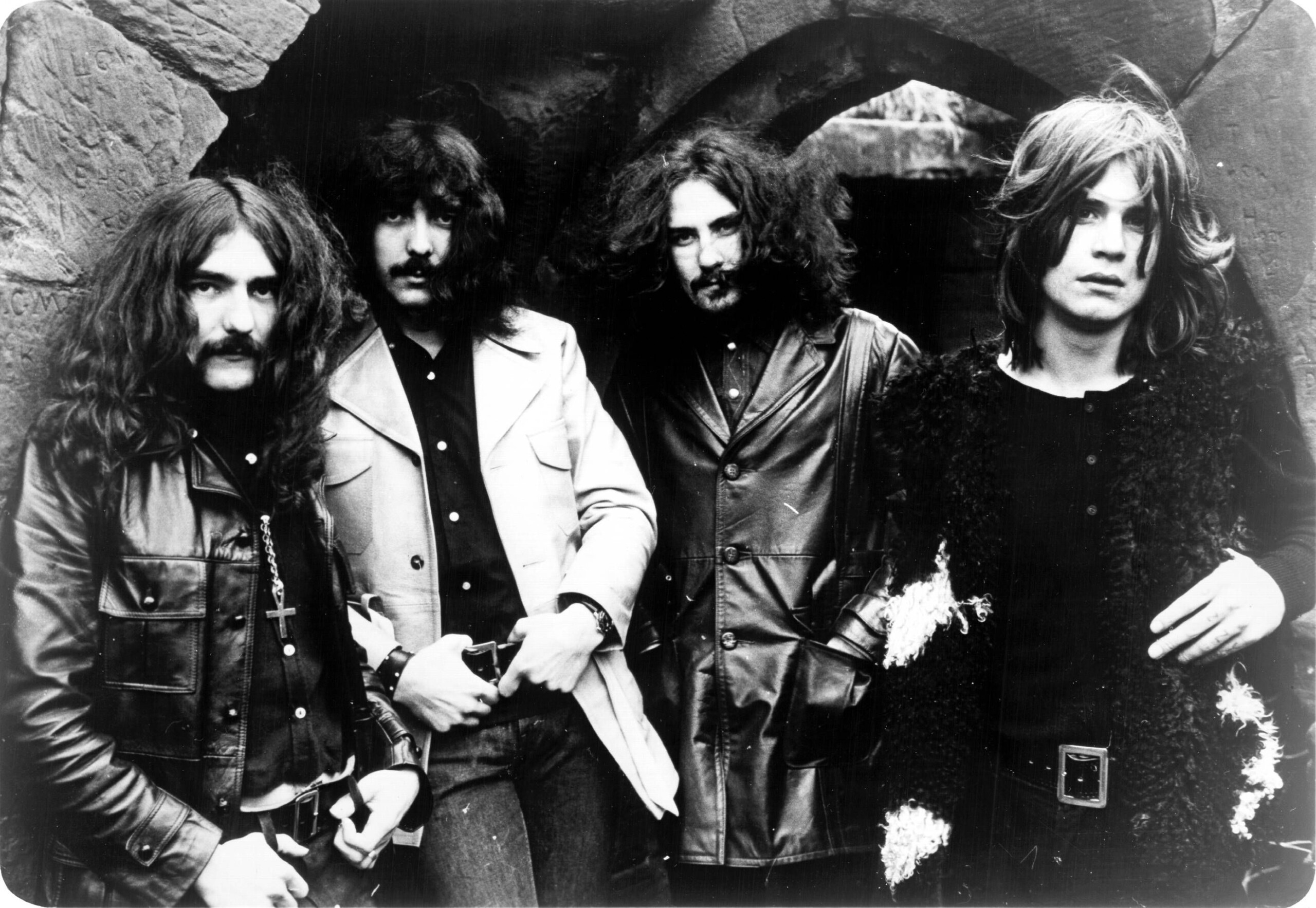
Born John Michael Osbourne in 1948, the singer acquired the nickname “Ozzy” as a child in Birmingham. It stuck. By the time Black Sabbath emerged in 1969, Osbourne’s public persona was beginning to take shape: theatrical, eerie, and rebellious. The band’s early sound – slow, heavy, and infused with references to the occult – drew headlines, suspicion, and immediate cult appeal.
The infamous inverted cross printed in their debut album’s gatefold was, according to drummer Bill Ward, a record label marketing stunt. It wasn’t requested by the band, but it worked. Ozzy was now associated with Satanic panic – and the public couldn’t look away. This was the first of many cases where controversy became rocket fuel for the brand.
The Birth of the “Prince of Darkness”
The moniker “Prince of Darkness” came from fans and media in response to Black Sabbath’s doomy image and Osbourne’s unhinged stage presence. Ozzy credited the track “Black Sabbath” as the moment this myth began, describing how the song terrified live audiences and gave rise to the devilish nickname.
Rather than shy away from it, Osbourne leaned in. Album artwork, wardrobe choices, stage effects – all amplified the macabre aesthetic. When his 2005 box set was released, it was titled Prince of Darkness, cementing the name as part of his commercial identity. Even modern collaborations, like a 2022 bat-themed Halloween makeup line, referenced the nickname directly.
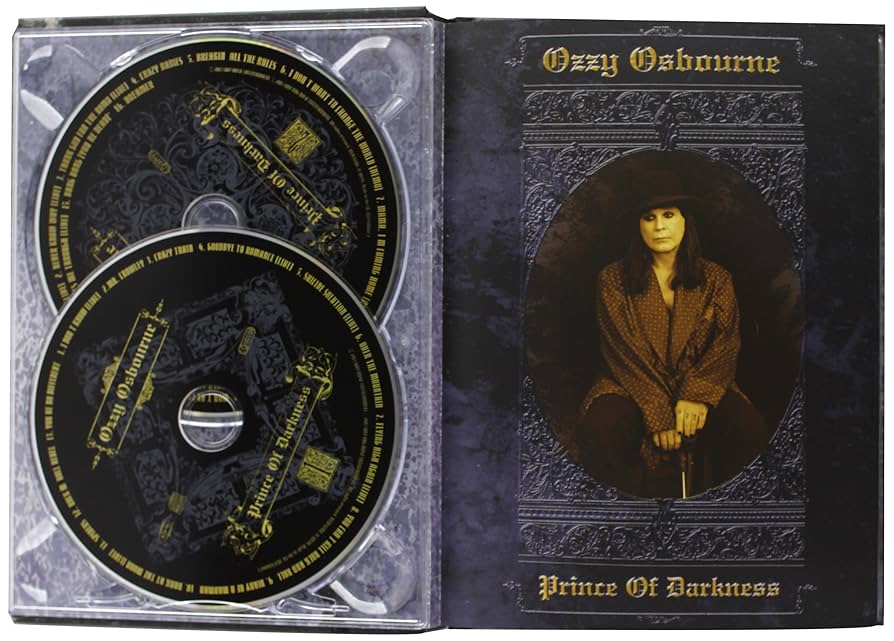
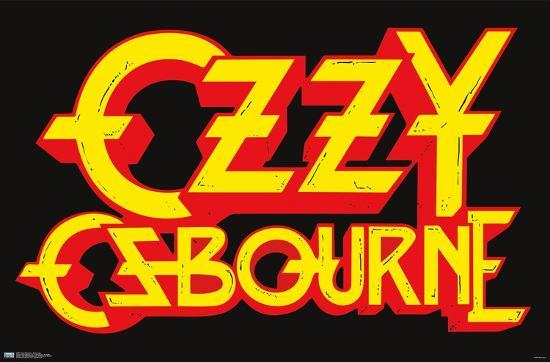
His branding extended into visual semiotics too. The Ozzy Osbourne logo has changed over the years, but always retained a jagged, aggressive gothic style. The use of black as the dominant colour has long symbolised mystery, rebellion, and power, while deep red added a layer of danger and passion. It was the perfect visual metaphor for a man who was equal parts terrifying and captivating.

Controversy as a Marketing Tool
Some of the most infamous moments in Osbourne’s career became iconic parts of his brand:
- 1981 Dove Incident: At a CBS Records meeting, Ozzy bit the head off a dove. Intended as a symbolic gesture of peace, it morphed into chaos and a viral story.
- 1982 Bat Incident: Thinking it was a rubber toy, Ozzy bit the head off a real bat thrown on stage. The resulting rabies shots and headlines only boosted his notoriety.
- Alamo Arrest: Urinating on a cenotaph while wearing one of Sharon’s dresses got Ozzy banned from San Antonio for a decade.
Rather than hide from these incidents, Ozzy and his team turned them into assets. Bat plush toys with removable heads?
Check.
Bat-themed makeup lines?
Done.
These events, grotesque as they may be, became merchandise, memes, and mythology.
Fans played a key role in amplifying the madness. Inspired by the raw meat Ozzy would throw into crowds during live shows, some fans began tossing back their own ‘gifts’ – including live snakes, sheep testicles, and dead rats.
Audience participation of the most visceral kind.
The bat incident alone has lived on in Halloween costumes, T-shirt prints, and video game Easter eggs. It’s hard to find a rocker whose moments of chaos have been more successfully commodified.
Sharon Osbourne: Brand Architect
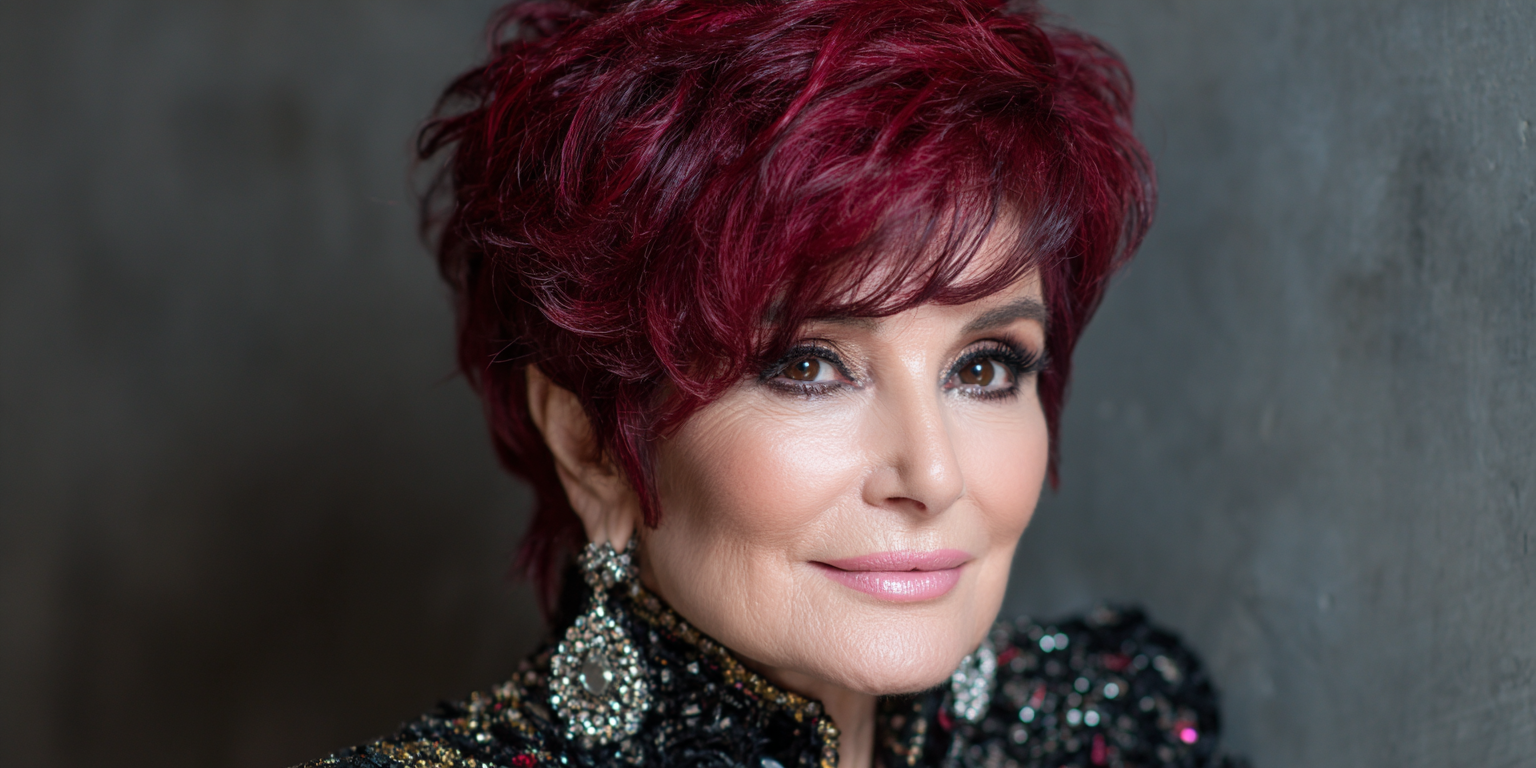
Ozzy’s chaotic image was given structure and scalability thanks to the stewardship of his wife and manager, Sharon Osbourne. After he was fired from Black Sabbath, Sharon helped launch his solo career with a brand revamp: theatrical visuals, gothic album covers, and intense media positioning.
She saw that behind the biting and stumbling was a deeply charismatic, funny man. She once remarked,
“Ozzy would walk into a room, and everybody would look at him. In two minutes, he had everybody laughing on the floor.”
That unpredictable magnetism was his X factor, and she bottled it for global consumption.
She also harnessed controlled transparency. Ozzy’s substance struggles were never buried; instead, they became part of the public narrative. This strategy allowed audiences to feel connected to him, to root for him. He wasn’t just the madman on stage – he was a flawed human fighting to stay afloat. It made the legend relatable.
The Ozzfest Strategy: Community and Continuity
In 1996, after being rudely rejected from Lollapalooza (a great story in its own right) Sharon and Ozzy launched Ozzfest – a heavy metal touring festival that gave a platform to both legends and emerging artists. It reinforced Ozzy’s role as heavy metal’s godfather while introducing his music to new audiences. Ozzfest served as a real-world manifestation of his brand: wild, communal, and committed to metal culture.
It also kept Ozzy in front of huge crowds annually, even when his chart success waned. Young fans discovered him at Ozzfest while watching Slipknot or System of a Down. Old fans returned for a sense of continuity. It was live experiential branding that also positioned Ozzy as a mentor and tastemaker.
Reinvention Through Reality TV
In 2002, MTV aired The Osbournes, offering a candid look at the family life of the world’s most notorious rocker. The show was a cultural phenomenon. Suddenly, Ozzy was no longer just the Prince of Darkness – he was a lovable, confused dad with a soft centre.
This dual identity – terrifying on stage, endearing off it – added depth to the brand. It also expanded his reach dramatically. The show won an Emmy and led to a No.1 single (“Changes” with daughter Kelly). It arguably inspired future reality show empires, including the Kardashians.
From a marketing standpoint, it was a case study in brand expansion. The same man who once snorted a line of ants on tour was now being embraced by mainstream family audiences. Ozzy didn’t abandon his roots – he added a layer.
Darkness with a side of domesticity.
Transmedia Branding: Ozzy Everywhere
Ozzy’s reach extended far beyond music:
- Video Games: He appeared in Guitar Hero and as a character in Brütal Legend.
- Comics: Featured in 1990s Rock ‘N’ Roll Comics series.
- Collectibles: Action figures, novelty toys, even a plush bat with a removable head.
- Fashion and Beauty: Collaborated with brands for limited edition lines embracing his gothic image.
These cross-platform ventures introduced him to new audiences. Young gamers, beauty fans, and comic collectors all encountered Ozzy, often before hearing a single track. This transmedia presence made him more than a musician – he became a full cultural property.
Brand Consistency Across Media
Ozzy’s branding remained consistent across platforms:
- Logo Design: Jagged, gothic lettering. Predominantly black and red. Visual cues of chaos and darkness.
- Merchandise: From plush toys and comic books to themed cosmetics and action figures.
- Digital: Social media plays up his dual persona with humour, gothic aesthetics, and references to his legendary antics.
His fans, too, have become part of the brand. Memes, tribute bands, and Halloween costumes keep the myth alive. He has become an archetype – the definitive madman rocker, complete with catchphrases, symbols, and war stories.
Longevity and Lessons for Marketers
Ozzy Osbourne’s ability to evolve without losing authenticity is the stuff of marketing legend. Few brands can weather 50+ years of controversy and reinvention.
His secret? Consistent storytelling, strategic shock, and self-deprecating humour.
He embraced contradictions: chaos and charm, hell-raiser and homebody. His team ensured these elements weren’t at odds, but rather complementary. It created a layered brand that could flex across formats and eras.
Seeing him live on 5th July 2025 – for the first and last time – was a reminder that while music trends come and go, brands like Ozzy endure. Not in spite of their flaws, but because of how well those flaws are woven into the narrative.
TL;DR
- Ozzy Osbourne built a brand around darkness, chaos, humour, and authenticity.
- The nickname “Prince of Darkness” became a consistent and profitable identity.
- Controversies were harnessed as PR opportunities and merchandising touchpoints.
- Sharon Osbourne’s management was pivotal in turning madness into market share.
- Ozzfest and fan culture sustained brand relevance across generations.
- Reality TV reinvented Ozzy as a multi-dimensional, mainstream personality.
- Strategic use of colour, logo design, and visual language deepened brand equity.
- Cross-platform ventures (games, comics, fashion) kept him culturally relevant.
- The lesson: great branding tells a story people want to believe in – even if it’s slightly unhinged.
All hail the Prince of Darkness – a marketing masterclass in eyeliner, controversy, and cultural immortality.