

Quiet Luxury
The Marketing Strategy of Saying Everything by Saying Very Little
There was a time when luxury marketing shouted.
Big logos. Gold trim. Monograms large enough to be seen from space. If someone bought something expensive, the assumption was that they wanted everyone else to know about it too.
But over the last decade, a different form of status signalling has quietly taken hold.
One where the wealthy increasingly prefer cashmere without logos, watches only other watch collectors recognise, and clothing that looks suspiciously like something your accountant might wear on a weekend trip to the garden centre.
Welcome to the world of “quiet luxury”.
The term exploded into mainstream conversation following shows like Succession, where billionaires wandered around in plain navy jumpers that secretly cost more than a family holiday to Spain. Suddenly, fashion journalists, TikTok creators, and marketers everywhere were analysing the phenomenon.
But quiet luxury is far more than a fashion trend.
It is a fascinating case study in psychology, signalling theory, cultural shifts, consumer behaviour, and modern branding.
And perhaps most interestingly of all – it represents a complete reversal of how many brands used to define luxury itself.
The Marketing Made Clear Podcast
Check out the Marketing Made Clear Podcast on all good streaming platforms including Spotify:
What Is Quiet Luxury?
Quiet luxury refers to products, brands, or aesthetics that communicate wealth, status, and exclusivity subtly rather than overtly.
The emphasis is on:
- Exceptional materials
- Craftsmanship
- Timeless design
- Minimal branding
- Understatement
- Exclusivity through knowledge rather than visibility
In simple terms:
If traditional luxury says:
“Look how expensive this is.”
Quiet luxury says:
“If you know, you know.”
The latter is important because quiet luxury often relies on cultural literacy. Recognition becomes part of the exclusivity.
A handbag with a massive logo can be recognised by almost anyone.
A beautifully tailored coat from Loro Piana might only be recognised by a very specific audience.
That distinction matters enormously.
The Psychology Behind Quiet Luxury
One of the most useful academic concepts here is signalling theory.
Originally developed in economics and evolutionary biology, signalling theory explains how individuals communicate status, quality, or identity through observable behaviours or possessions.
Traditional luxury uses what researchers often call “loud signals”.
Quiet luxury uses “costly but subtle signals”.
The idea is that true insiders do not need obvious branding because their social group already understands the references.
In many ways, quiet luxury functions similarly to academic language, wine appreciation, or knowing obscure bands before they became famous.
The exclusivity partly comes from knowledge itself.
French sociologist Pierre Bourdieu explored similar ideas through the concept of cultural capital. According to Bourdieu, status is not simply about money. It is about demonstrating refined taste, education, and social understanding.
Quiet luxury fits this framework perfectly.
Anybody can buy a T-shirt with a giant logo on it.
But understanding why a plain-looking £3,000 coat matters requires cultural fluency.
And marketers should pay attention to this because it highlights a critical truth:
Consumers are often buying identity recognition more than the product itself.
Why Quiet Luxury Became Popular
Several cultural and economic shifts helped fuel the rise of quiet luxury.
The Backlash Against Excess
Following economic crises, wealth inequality debates, and growing distrust of corporate greed, conspicuous consumption became less socially comfortable in many circles.
Flashiness began to look tacky rather than aspirational.
Especially during periods of economic uncertainty, overt displays of wealth can become culturally dangerous.
This is not a new phenomenon either.
After the 2008 financial crisis, many luxury brands toned down messaging around excess. The same happened historically during wartime periods and recessions.
Quiet luxury allows affluent consumers to continue consuming luxury while appearing more restrained and tasteful.
It is luxury with plausible deniability.
Social Media Saturation
Ironically, social media helped create anti-social-media luxury.
Platforms like Instagram created an environment where everyone was trying to appear wealthy at once. This diluted traditional status symbols.
When everybody is flexing, the flex loses power.
As a result, affluent consumers often move toward harder-to-detect status markers.
This mirrors a principle seen repeatedly in behavioural psychology:
- Once a signal becomes mainstream, elite groups seek new ways to differentiate themselves.
- The marketing world sees this constantly.
- What begins as premium eventually becomes normal.
- Then premium has to reinvent itself again.
Brand Examples of Quiet Luxury
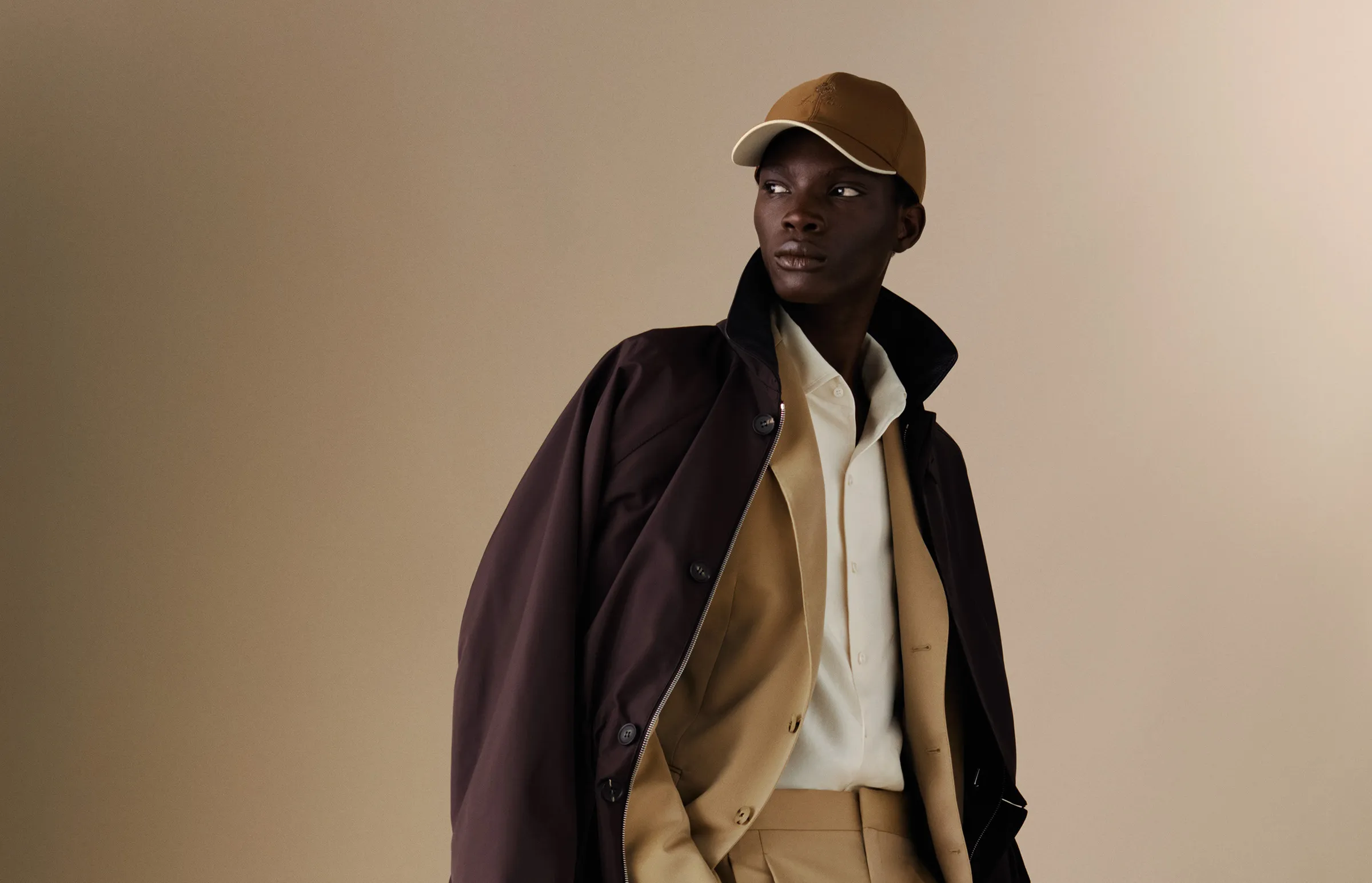
Loro Piana
Possibly the ultimate quiet luxury brand.
Famous for extraordinary cashmere and understated elegance, Loro Piana rarely relies on obvious logos or loud campaigns. The products are aimed at consumers who prioritise craftsmanship over visibility.
You are not buying recognition from the public.
You are buying recognition from people “in the know”.
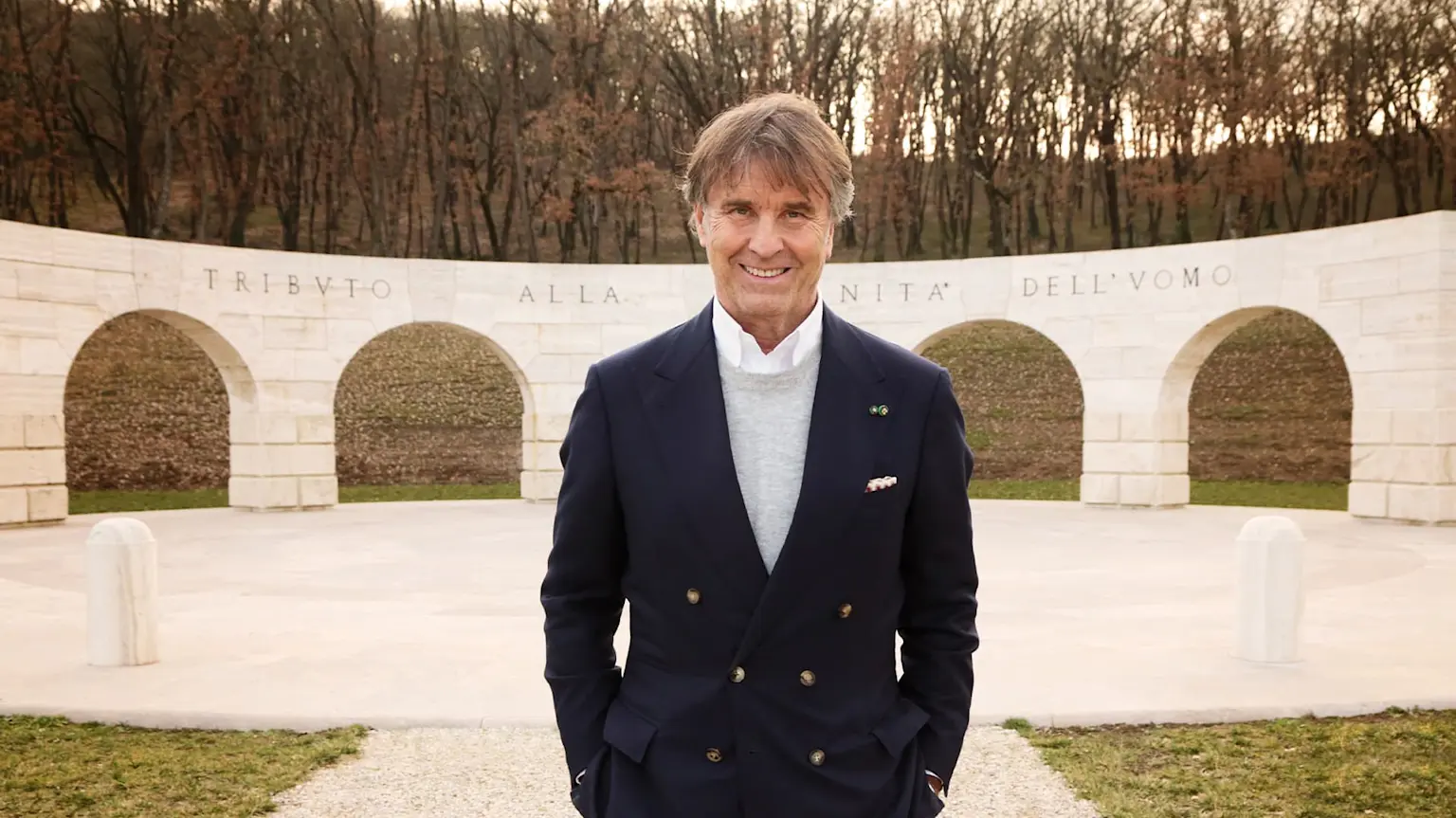
Brunello Cucinelli
Another textbook example.
The brand markets itself around craftsmanship, ethical production, humanistic capitalism, and timelessness.
Its founder, Brunello Cucinelli, has deliberately cultivated a philosophy-driven identity that feels intellectual rather than flashy.
That positioning is incredibly powerful because consumers increasingly want brands that feel culturally meaningful, not merely expensive.
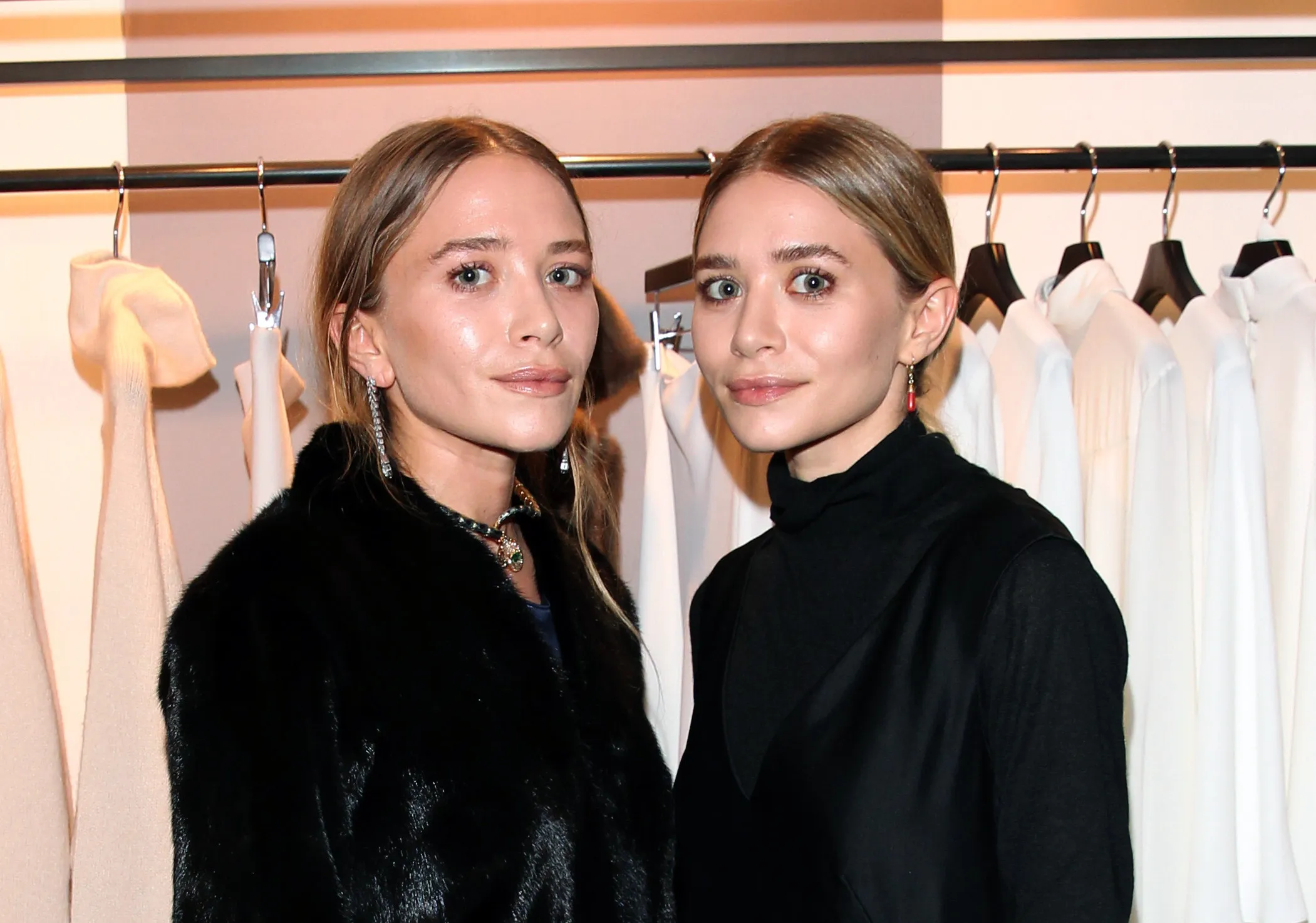
The Row
Founded by Mary-Kate Olsen and Ashley Olsen, The Row became synonymous with ultra-minimalist luxury.
Many pieces appear almost aggressively plain.
Which, of course, is partly the point.
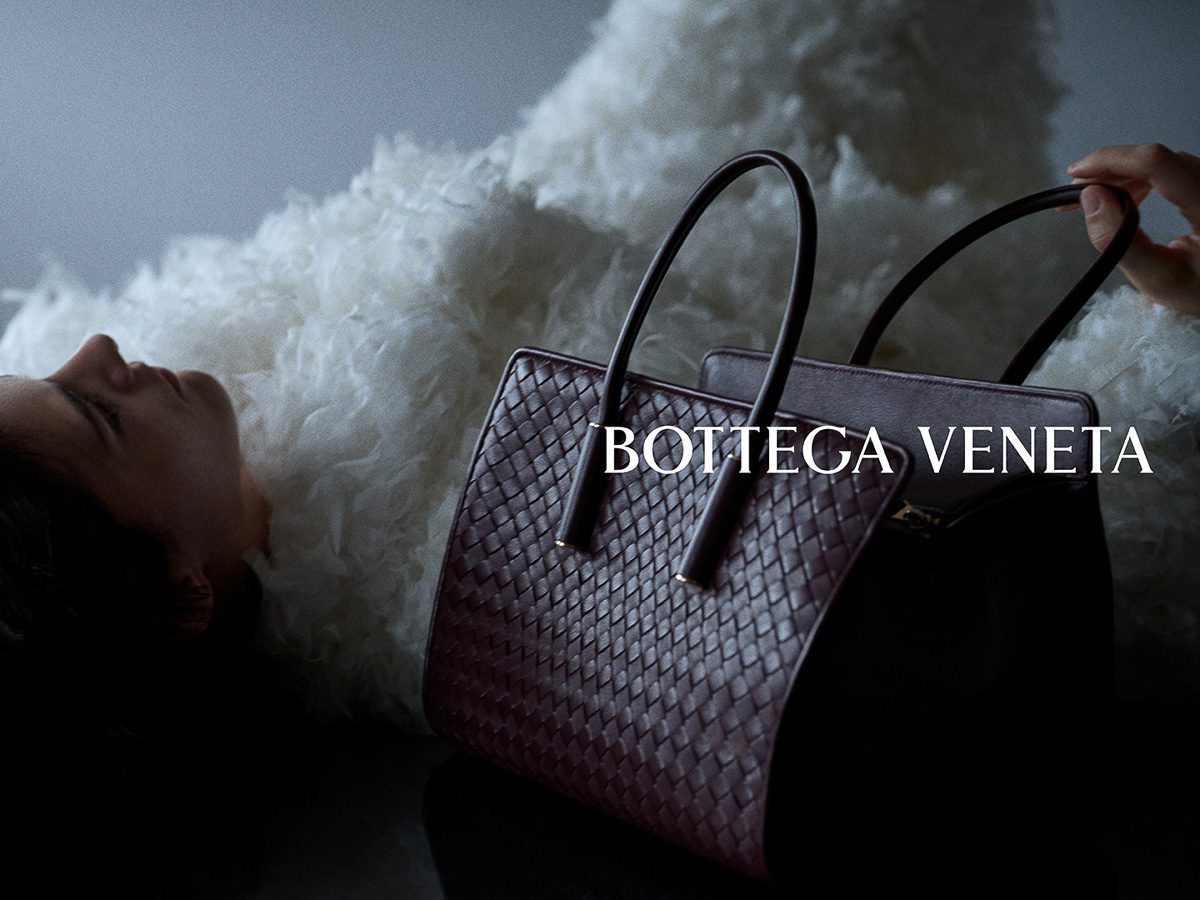
Bottega Veneta
Bottega Veneta’s famous slogan:
“When your own initials are enough.”
That may be the single best summary of quiet luxury marketing ever written.
The brand intentionally reduced visible logos and instead focused on recognisable craftsmanship techniques like intrecciato weaving.
Again, insider recognition matters more than mass recognition.
Quiet Luxury Beyond Fashion
This concept extends far beyond clothing.
Automotive
A fully loaded Volvo or understated Range Rover often communicates a different type of wealth compared with a bright neon supercar.
One says:
“I want attention.”
The other says:
“I could buy attention but do not need it.”
Subtle difference. Huge psychological impact.
Hospitality
Luxury hotels increasingly market tranquillity, privacy, and discretion rather than opulence.
The absence of chaos becomes part of the product itself.
Technology
Even Apple uses aspects of quiet luxury thinking.
Its stores are minimalist.
Packaging is restrained.
Advertising often emphasises simplicity rather than technical overload.
Good marketing often removes noise rather than adding it.
The Role of Scarcity
Quiet luxury also leans heavily on scarcity principles.
Psychologist Robert Cialdini identified scarcity as one of the core principles of persuasion. People assign greater value to things perceived as rare or exclusive.
But quiet luxury introduces a twist:
- The scarcity is often informational.
- Not everybody even knows the product exists.
- That creates a deeper layer of exclusivity.
- In some cases, visibility itself can reduce perceived prestige.
- This creates an unusual marketing paradox:
The more mass awareness a luxury brand gains, the greater the risk of losing part of its luxury appeal.
The Risks of Quiet Luxury
Of course, there are limitations too.
It Can Become Pretentious
Once marketers start deliberately manufacturing “understated authenticity”, consumers often spot it quickly.
Nothing kills quiet luxury faster than trying too hard to look effortlessly sophisticated.
The phrase “stealth wealth” has already started drifting into parody territory online.
It Can Alienate Consumers
Minimalist luxury branding can sometimes feel cold, inaccessible, or culturally detached.
There is also a broader criticism that quiet luxury romanticises wealth inequality by reframing enormous expense as tasteful restraint.
A £2,500 plain beige jumper is still a £2,500 beige jumper.
Even if TikTok insists otherwise.
Trend Cycles Matter
Fashion and culture move in cycles.
Maximalism may well return again.
In fact, we are arguably already seeing signs of that in certain youth-driven markets where boldness and irony are resurging.
Marketing trends rarely disappear forever.
They evolve.
The Quiet Luxury Contradiction
Perhaps the funniest thing about quiet luxury is this:
The moment everyone starts talking about it, it stops being quiet.
Once TikTok creators began producing “How To Dress Quiet Luxury” videos featuring fast fashion dupes, the exclusivity mechanism weakened immediately.
Which is often how cultural trends work.
The elite create signals.
The mainstream adopts them.
The elite move on.
Luxury marketing constantly chases this cycle.
And marketers in every sector can learn from it because the same dynamic appears in technology, food, music, fitness, travel, and even language itself.
The moment something becomes too accessible, certain audiences stop wanting it.
Final Thoughts
Quiet luxury is not really about clothing.
It is about signalling.
It reflects changing attitudes toward wealth, status, identity, and consumption in an era where visibility has become cheap and attention is abundant.
And in many ways, quiet luxury demonstrates one of the oldest truths in marketing:
The most powerful messages are often the ones that do not need to shout.
Or, to put it another way:
If somebody genuinely has £8,000 to spend on a jumper, they probably do not need “LIMITED EDITION” printed across the chest in fluorescent gold lettering.
Though somewhere, inevitably, a marketing department is probably testing exactly that.
TL;DR
Quiet luxury refers to understated, minimalist luxury branding that relies on craftsmanship, exclusivity, and insider recognition rather than obvious logos or flashy displays. Brands like Loro Piana, Brunello Cucinelli, and Bottega Venetaexemplify the trend. The concept connects strongly to signalling theory, cultural capital, scarcity psychology, and identity-based consumer behaviour. For marketers, quiet luxury highlights the power of restraint, subtle positioning, and symbolic value in branding.