

Nigel Adkins at – The Leader Who Made Belief Scalable
Why His Southampton Era Still Feels Different
Birthdays are reflective things. They make you look backwards before you look forwards. And when it comes to Nigel Adkins, looking back at his time at Southampton FC still carries emotional weight – even years on.
I’ve already written about the promotions. The poetry. The personality.
But today I want to talk about why his leadership model still holds up – not as nostalgia, but as a case study.
Enjoying this article?
Check out the Marketing Made Clear podcast. Available on Spotify and all good podcast platforms!
He Built Momentum, Not Just Results
Back-to-back promotions were extraordinary. But promotions can sometimes be chaotic – momentum built on emotion, individual brilliance, or favourable runs.
Adkins’ Southampton didn’t feel chaotic.
It felt structured.
There was:
-
Clear tactical identity
-
Squad unity
-
Defined roles
-
Psychological consistency
That matters.
In business terms, he didn’t chase quarterly spikes. He built operating rhythm.
Many organisations experience “promotion seasons” – sudden growth, scale, investment. But without systems and culture underneath, that growth collapses under pressure.
Southampton didn’t just go up. They stabilised.
That isn’t luck. That’s infrastructure.
He Understood That Pressure Is Contagious
Here’s something underrated about his tenure.
When Southampton entered the Premier League, results wobbled. The narrative sharpened. Media pressure intensified. That environment consumes managers.
But Adkins’ demeanour rarely shifted.
That wasn’t naïvety. It was containment.
Leaders don’t just manage performance – they regulate emotional climate.
If the manager panics, the dressing room tightens. If the CEO spirals, the board fractures. If the marketing director overreacts, the team second-guesses everything.
Adkins absorbed pressure instead of amplifying it.
That’s a rare trait.
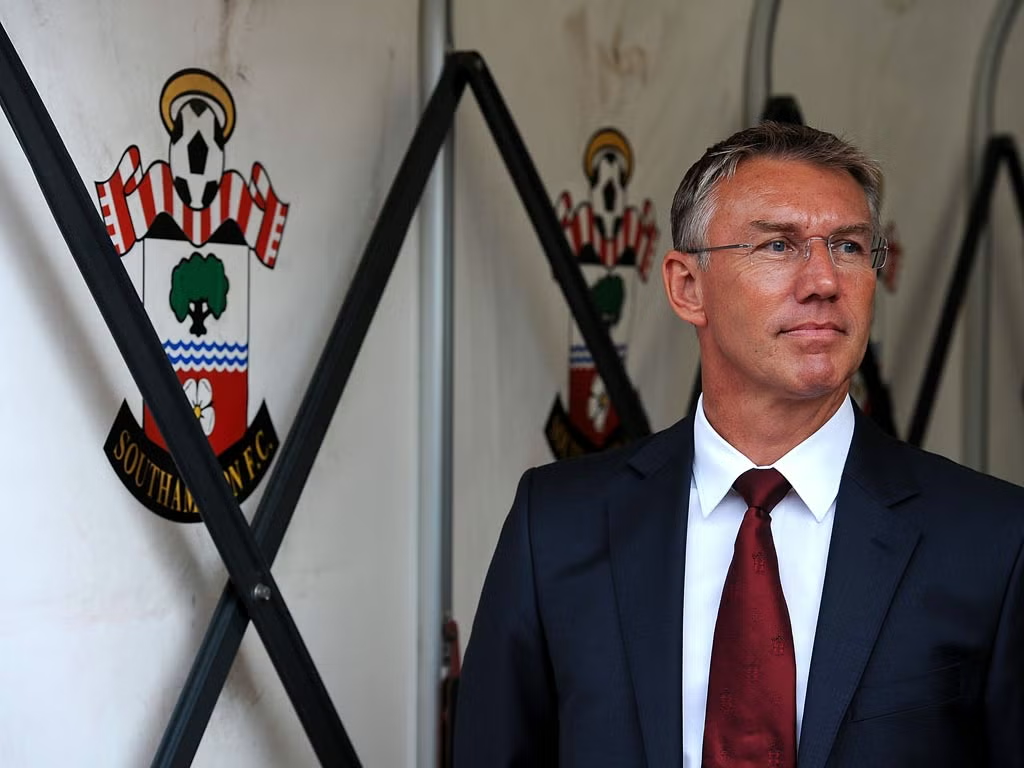
The Philosophy Wasn’t Soft – It Was Disciplined
There’s a misconception that positivity equals softness.
It doesn’t.
Adkins’ “control the controllables” mantra wasn’t motivational fluff. It was operational discipline.
It meant:
-
Train harder than opponents
-
Recover better
-
Prepare better
-
Remove excuses
That’s high accountability dressed in calm language.
In marketing leadership, it’s the same principle:
-
You can’t control macroeconomic shifts
-
You can’t control algorithm updates
-
You can’t control competitor spend
But you can control execution quality. Message clarity. Team morale. Speed of iteration.
He focused obsessively on inputs.
Outputs followed.
He Made Players Better Humans, Not Just Better Footballers
You can trace the careers of players who thrived under him:
-
Adam Lallana
-
Rickie Lambert
-
Jose Fonte
But what stands out in their reflections isn’t tactical complexity.
It’s how they felt.
Valued. Trusted. Responsible.
That’s culture.
And culture compounds.
In marketing teams, you see similar patterns. The best environments don’t rely on fear. They rely on ownership. When individuals believe they matter, performance rises naturally.
Adkins wasn’t transactional. He was developmental.
That difference lasts.
Why Saints Fans Still Respond to Him
When he returns to St Mary’s Stadium, the reception isn’t polite applause.
It’s warmth.
That tells you something critical: legacy isn’t just built on achievement. It’s built on emotional memory.
Fans remember:
-
Feeling united
-
Feeling upward momentum
-
Feeling respected
There’s a lesson here for brands.
Customers don’t remember quarterly growth percentages. They remember how your brand made them feel during pivotal moments.
Adkins’ Southampton felt hopeful.
Hope is sticky.
The Hard Bit – His Departure
Football is ruthless. Ownership vision changes. Strategic direction shifts.
His departure in 2013 still divides opinion.
But here’s the interesting part: even those who accept the business logic of change often retain emotional loyalty to the man.
That’s leadership insulation.
When people separate you from structural decisions, it means your personal conduct stood firm.
Not every leader achieves that.
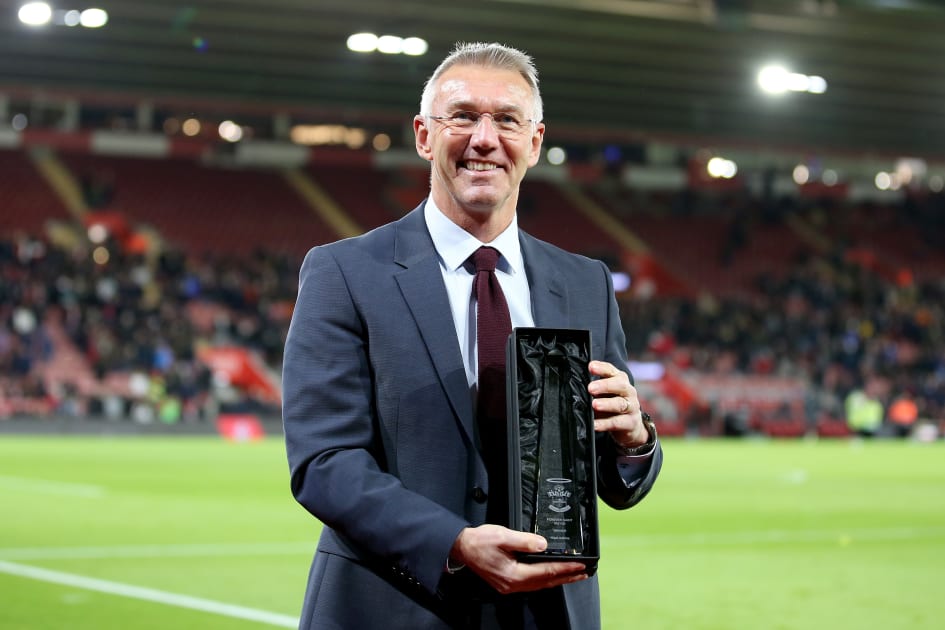
What This Means for Marketing Leaders
If we strip the football context away, Adkins’ model translates remarkably well into business leadership.
1. Emotional Stability Is a Competitive Advantage
Teams perform best when leaders regulate volatility.
2. Belief Is Operational Fuel
Confidence drives execution speed. Doubt slows it.
3. Culture Multiplies Talent
Average teams with cohesion outperform talented teams without it.
4. Values Outlive Results
Promotions matter. But dignity matters more.
Why He’s Still My Favourite
Plenty of managers have delivered silverware. Plenty have managed bigger budgets. Plenty have commanded louder headlines.
But very few made you feel that belief was sustainable.
For me, that’s the difference.
He wasn’t just managing a football club. He was modelling how to lead under scrutiny without losing composure.
In marketing, in business, in life – that’s rare.
And it’s why, on his birthday, it still feels right to say:
He wasn’t just successful.
He was significant.
TL;DR
Nigel Adkins remains deeply respected at Southampton not simply because of back-to-back promotions, but because of the leadership model he embodied – emotional stability, disciplined focus, cultural cohesion and unwavering belief. His philosophy of “controlling the controllables” offers a powerful blueprint for marketing leaders: build culture first, regulate pressure, focus on inputs, and results will follow. Legacy is built on how people feel under your leadership – not just what you achieve.