

Lessons from Past Cost-of-Living Crises – What Marketers Can Learn
History Rhymes at the Checkout
Cost-of-living crises are back in headlines.
In 2022, UK inflation hit a 41-year high, stirring memories of the last time prices surged this fiercely. For marketers and businesses, today’s consumer behaviors under pressure echo those from decades past. Shoppers tightening their belts (literally and figuratively) is not a new phenomenon; from Britain’s stagflation 1970s to America’s early-’80s inflation battle and Europe’s post-2011 austerity era, we’ve seen how economic turmoil reshapes spending.
By looking at these historical crises, marketers can glean valuable insights into consumer psychology, brand strategy, and survival tactics during tough times. The styles and slang may change (bell-bottoms and big hair, anyone?), but the fundamental shifts in consumer behaviour – and the smart marketing responses – have a familiar ring.
Let’s travel through three pivotal eras of cost-of-living crunch and see what lessons emerge for today’s marketers.
The Marketing Made Clear Podcast
Check out the Marketing Made Clear Podcast on all good streaming platforms including Spotify:
UK 1970s: Stagflation and the Three-Day Week
Britain in the 1970s offers a dramatic case of stagflation – stagnant growth plus soaring inflation.
An oil embargo and industrial strife sent UK inflation to post-war record levels, peaking at 24.2% in 1975. Daily life often felt like a struggle: wages chased prices upwards, unions struck for pay hikes, and even electricity was rationed (the infamous “three-day week” of 1974).
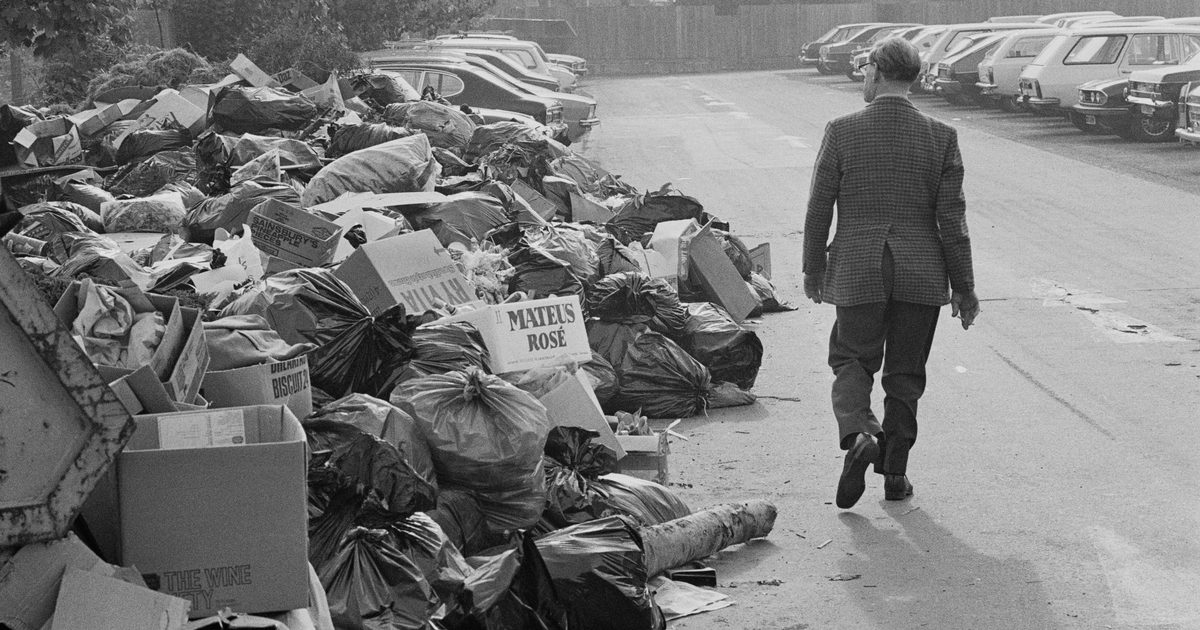
The Winter of Discontent in 1978–79 saw rubbish piling in the streets and a public mood of crisis. For consumers, it meant shrinking purchasing power and a hunt for value like never before.
Faced with shrinking wallets, Brits adapted by embracing no-frills frugality. Supermarkets introduced generic “own brand” products, distinguished by plain packaging and low prices, allowing shoppers to swap pricey big brands for cheaper alternatives. (Picture a tin simply labeled “Beans” in stark text – it was a thing!)
Even manufacturers got “creative” to keep customers: the 1970s was the birth of shrinkflation, as companies quietly reduced product sizes instead of raising prices.
For example, boxes of cereal and bags of sweets slimmed down while price tags stayed the same.
Shrewd? Yes.
Sneaky? Absolutely… but it showed how desperate both consumers and businesses were to cope with runaway inflation.
Marketers learned that value messaging was king in this era.
Brands that could highlight economy packs, durability, or basic quality over glitz struck a chord with stretched consumers. On the flip side, premium brands saw loyalty tested as shoppers proved willing to ditch familiar names for cost savings.
The UK’s lesson from the ’70s: when living costs soar, price overpowers passion – and smart marketers either adapt or risk being left on the shelf.

US Early 1980s: Inflation’s Last Stand and Adaptive Marketing
Across the pond, the United States in the late 1970s and early ’80s fought its own cost-of-living dragon.
Inflation in the U.S. crept up through the ’70s and burst above 14% by 1980, a level that had everyday Americans reeling. The Federal Reserve, under Paul Volcker, responded with aggressive interest rate hikes – effective medicine but bitter side effects.
By 1981–82 the U.S. endured a sharp recession; unemployment hit double digits and mortgage rates neared 20%, squeezing anyone with a loan. Consumers, feeling the pinch, adjusted their habits much as their UK counterparts had: they downsized, traded down, and sought little luxuries to stay sane.
President Ford’s 1974 “Whip Inflation Now” button:
In the mid-1970s, as prices soared, U.S. President Gerald Ford even attempted a marketing-style campaign against inflation, handing out red “WIN” badges to encourage frugality.
The initiative quickly fizzled – showing that a snappy slogan alone can’t solve an economic crisis – but the button has become a quirky symbol of the era’s anxiety over living costs. It’s a reminder that public sentiment and consumer confidence were central concerns, and even governments dabbled in PR tactics to influence behavior.
American shoppers in these years demonstrated both extreme price-consciousness and selective indulgence.
On one hand, they flocked to discount retailers and embraced generic goods. The late ’70s saw a boom in generic brands with plain black-and-white packaging, as consumers proved willing to buy unbranded canned goods or cereal to save a few cents.
Coupons and sales became household strategies for making ends meet. (It’s no coincidence that Walmart and other big-box discounters rose to prominence around this time – everyday low prices had enormous pull.) On the other hand, even amid belt-tightening, not all spending vanished.
Economists observed the “lipstick effect,” where people splurge on small pick-me-ups while cutting back on big-ticket items. Indeed, during the early-’80s recession, cosmetics and affordable treats saw sales increase as consumers sought little luxuries instead of expensive purchases. In marketing terms, value was crucial – but morale mattered too.
Brands that offered affordable indulgence (a chocolate bar, a lipstick, a movie night at home) could still thrive by tapping into consumers’ need for comfort. Another telling example: the auto industry. In those inflationary years, Japanese carmakers like Toyota and Honda seized the moment by marketing fuel-efficient, reliable cars to Americans desperate to save on gas and costs.
The result? Japanese automakers’ share of the U.S. car market soared from 9% in 1976 to 22% by 1980. American giants learned the hard way that ignoring consumers’ cost concerns (in this case, gas guzzlers during an oil crunch) was a costly mistake.
The U.S. early-’80s experience underlines how crisis can upend market dynamics: frugal innovation wins consumers’ hearts, and even longstanding loyalties will shift to whoever offers a better deal or meets the moment’s needs.

Eurozone Post-2011: Austerity, Frugality, and the New Normal
The late 2000s and early 2010s brought the Eurozone’s turn in the cost-of-living crucible.
After the 2008 global financial crash, several European countries slid into a sovereign debt crisis. By 2011–2013, nations like Greece, Spain, Portugal, and Italy were facing harsh austerity measures – public spending cuts, tax hikes, wage freezes – that aimed to stabilise finances but left ordinary people with dramatically lower incomes.
The human impact was stark.
Greece’s economy, for instance, shrank by about 25% during the crisis years, and unemployment in Greece and Spain hit modern highs (overall Greek joblessness around 25%, with youth unemployment soaring above 50% by 2012). Incomes dropped, but the cost of living (especially for essentials like food, fuel, housing) remained painfully high, creating a squeeze on households that earned this period the moniker of a “cost-of-living crisis” in its own right.
Household budgets were slashed to the bone.
European consumers responded in survival mode. Discretionary spending on things like dining out, new clothes, or vacations plummeted, while value-for-money became the mantra for necessities. In countries like Greece, people returned to cooking at home and even bartering produce with neighbours as cash grew tight.
In fact, the years after 2008 saw stunning growth for German-founded discount supermarkets. Chains like Aldi and Lidl expanded aggressively into many European markets – and consumers, even middle-class ones, embraced them.
The competitive landscape of grocery retail shifted: by the mid-2010s, discounters held significant market share (over one-third in some countries) and were on a trajectory to challenge traditional supermarkets across Europe. Their recipe of limited selection, no-frills stores, and rock-bottom prices proved exactly what austerity-era shoppers craved.
Traditional retailers had to scramble to introduce their own budget lines and price-match campaigns to avoid losing customers en masse. The Eurozone crisis also taught marketers about the importance of trust and empathy.
Trust at an all time low
Many large institutions (governments, banks) had lost public trust during the crisis, and consumers were (and remain) more skeptical and value-driven. Brands that showed they understood consumers’ hardships – for example, utility companies offering flexible payment plans, or food brands highlighting how to cook economical meals – earned goodwill.
Conversely, any whiff of profiteering or insensitivity during hard times sparked backlash. In this era, marketing often took on a tone of solidarity:
“we’re in this together, and here’s how we can help you save.”
From pan-European telecom ads about staying connected cheaply, to local Greek grocers advertising old-fashioned bulk buys, the theme was consistent: help the customer endure the storm.
The Eurozone story is a potent reminder that when money is tight, value innovation and authenticity decide who sinks or swims – a lesson just as applicable globally today.

Key Takeaways for Marketers in Hard Times
History’s cost-of-living crises highlight patterns of consumer behaviour that today’s marketers can learn from – and leverage – during our own challenging times. Here are some key lessons:
Value is King – Adjust Your Offerings
In a crunch, consumers relentlessly prioritise price and value-for-money.
Brands that can offer cheaper alternatives, bundle extra value, or introduce budget product lines stand a far better chance of retaining customers. Past crises saw surges in generic brands and discount retailers – a clear signal that if you don’t meet consumers’ value needs, they’ll find someone who will.
Loyalty is Shaken, but Not Lost
Brand loyalties become fragile when wallets are thin. Shoppers will switch from their longtime favorites if those brands don’t justify their premiums. However, this also means savvy marketers can win new customers by empathising with their situation. During the early ’80s, for example, value-focused newcomers (from Japanese carmakers to no-name grocery labels) grabbed market share as consumers broke habits and tried alternatives. It’s a time of both risk and opportunity – so focus on proving your product’s worth every day.
Innovate Around Affordability
Tough times spur creative tactics. Some are about perception – e.g. shrinkflation (downsizing products to avoid obvious price hikes) was widespread in the ’70s – while others are about genuine efficiency (e.g. finding cheaper materials or leaner distribution to lower prices).
Be careful: transparency matters to today’s savvy consumers, so use pricing strategies that maintain trust. Consider offering smaller pack sizes at lower absolute prices, or subscription models that spread out costs. Consumers appreciate flexibility and honesty, especially when they’re counting pennies.
Position for Small Luxuries (the “Lipstick Effect”)
Even as consumers cut back, they still seek affordable treats to maintain morale.
History shows cosmetics, comfort foods, inexpensive entertainment, and DIY/home pursuits can actually thrive in a cost-of-living crisis. Marketers can tap into this by highlighting how their product provides a little boost or relief without breaking the bank. It’s not about pushing indulgence for indulgence’s sake, but about showing you understand the consumer’s need for a mental break or a bit of normalcy in tough times.
Empathy and Authentic Messaging
Perhaps most importantly, tone and brand behavior during a crisis can leave a lasting impression. Campaigns or corporate actions perceived as tone-deaf in an economic downturn will backfire. (Gerald Ford’s “Whip Inflation Now” buttons, while well-intentioned, were mocked because a slogan alone felt inadequate to people’s real struggles.)
Instead, authentic empathy is key.
Effective marketing in these periods often acknowledges the difficulties (“We know every dollar/pound counts…”) and focuses on how the brand can help (“…that’s why we’re freezing our prices/offering 20% extra free”). Brands that are seen to stand with consumers – whether through helpful content (e.g. budgeting tips, cheap recipes), community support, or simply honest advertising – can build trust that outlasts the crisis itself.

How Did Each Example Come to Pass?
UK 1970s: Stagflation, Strikes, and a Reset
The UK’s cost of living crisis in the 1970s ended through a combination of international intervention and tough domestic choices.
After inflation peaked at over 24% in 1975, the government sought a bailout from the IMF in 1976, which imposed spending cuts and brought back fiscal credibility. Simultaneously, the Labour government negotiated wage restraint deals with trade unions to break the wage–price spiral. Inflation gradually declined to single digits by 1978. However, public frustration with stagnant wages and continued strikes led to the “Winter of Discontent” and a political reset in 1979, with Margaret Thatcher’s new government adopting a monetarist approach that firmly prioritised inflation control.
US Early 1980s: Volcker’s Shock Therapy
The United States tackled its inflation crisis with brute monetary force.
Under Federal Reserve Chairman Paul Volcker, interest rates were pushed to nearly 20% in the early 1980s to choke off inflation, which had reached around 14%.
This triggered a deep recession, but it successfully ended the cycle of rising prices and expectations. By 1983, inflation had fallen below 4%, and economic growth returned with strength. The Reagan administration’s support for the Fed’s tough stance, despite short-term political unpopularity, helped cement a long-lasting period of price stability and low inflation expectations.
Eurozone 2010s: Austerity and the ECB Backstop
The Eurozone crisis, driven by debt overload and structural flaws in the single currency, was resolved through a mix of fiscal discipline and central bank reassurance.
Countries like Greece, Portugal, and Ireland implemented deep austerity to cut deficits in exchange for bailout funds. While this caused social and economic pain, it did gradually stabilise finances. The real turning point came in 2012 when ECB President Mario Draghi declared the bank would do “whatever it takes” to preserve the euro, calming markets.
Combined with reforms and ultra-low interest rates, growth resumed from 2013 onwards, and the most affected countries began exiting bailout programmes.
Closing
In summary, cost-of-living crises are stern teachers. They teach us that consumers become laser-focused on value, that their habits can shift rapidly under pressure, and that they remember which brands helped or hurt when times were tough. For marketers, the challenge is to adapt – through product strategy, pricing, and messaging – to meet consumers where they are. The good news? As the historical examples of the UK, US, and Eurozone show, companies that listen and respond creatively can not only survive a crisis but emerge with stronger customer relationships. In any era, that’s marketing made clear.