

From Prison Food to Fine Dining
The Curious Marketing Story of Lobster
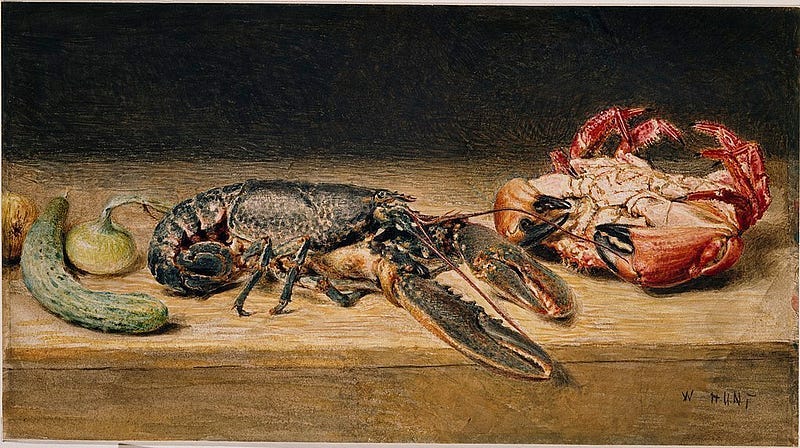
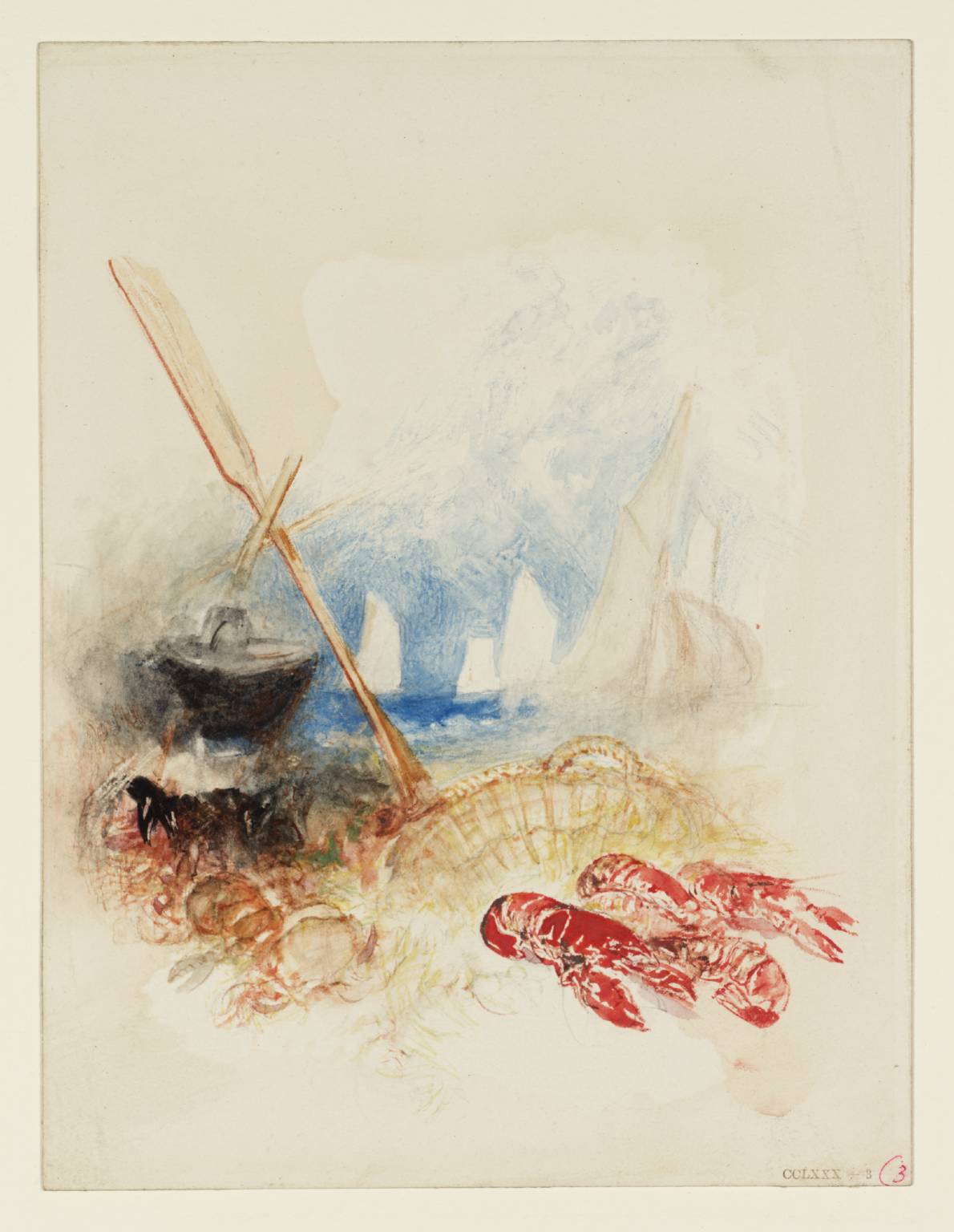
Lobster today is shorthand for indulgence. It sits confidently on restaurant menus alongside champagne and oysters, often priced high enough to make you glance twice before ordering.
But historically, lobster occupied a very different position in the market.
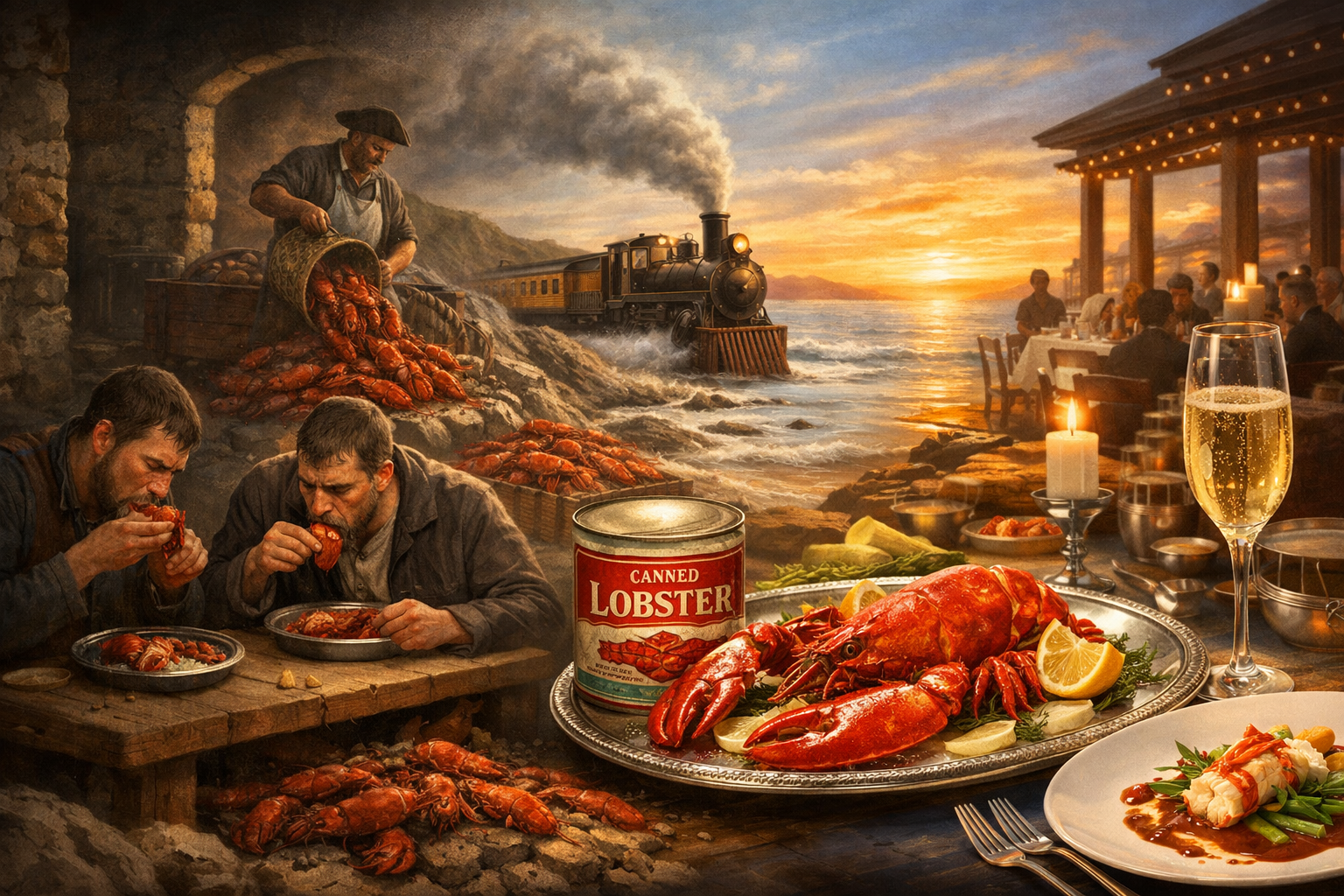
Believe it or not, in colonial America, lobster was considered a poor man’s food – so abundant and undesirable that it was fed to prisoners, servants, and livestock. In fact, there are accounts from the 18th and early 19th centuries suggesting prisoners complained about being served lobster too frequently.
The transformation of lobster from unwanted protein to luxury delicacy is one of the most fascinating examples of how perception can redefine value. For marketers, it is also a powerful reminder that the worth of a product is rarely fixed. Instead, it evolves through storytelling, scarcity, and cultural signalling.
Let’s explore how this unlikely rebrand happened.
The Marketing Made Clear Podcast
Check out the Marketing Made Clear Podcast on all good streaming platforms including Spotify:
When Lobster Was the Food Nobody Wanted
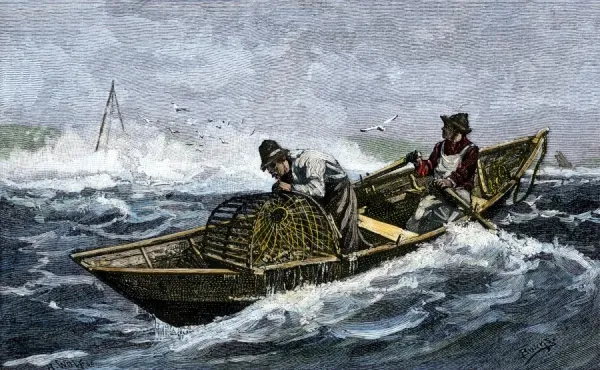
During the 17th and 18th centuries, lobsters were astonishingly plentiful along the northeastern coast of North America.
Some historical accounts claim lobsters washed up on beaches in piles several feet high after storms. Whether slightly exaggerated or not, the reality is clear – lobster was extremely abundant.
Because of this oversupply:
-
Lobster was used as fertiliser for crops
-
It was fed to livestock
-
It became a staple food for prisoners and indentured servants
-
It was served to labourers and the poor
There are even records of employment contracts in Massachusetts limiting how often servants could be fed lobster. The complaint was not that lobster was too luxurious – it was that it was too common.
At this stage, lobster suffered from what economists might call a perception trap: abundance equals low status.
No story.
No prestige.
No scarcity.
Just lots of sea bugs.


Industrialisation: The First Turning Point
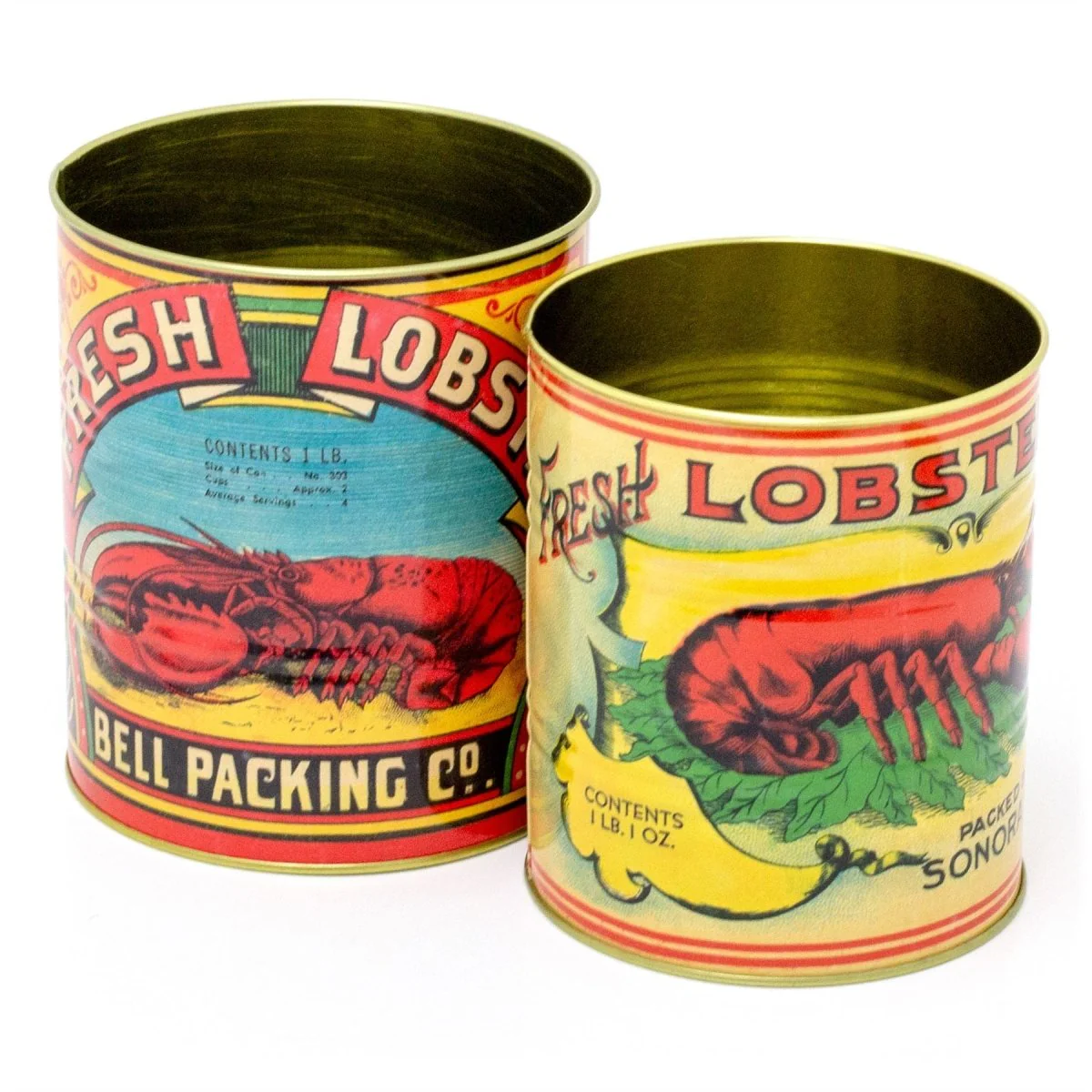
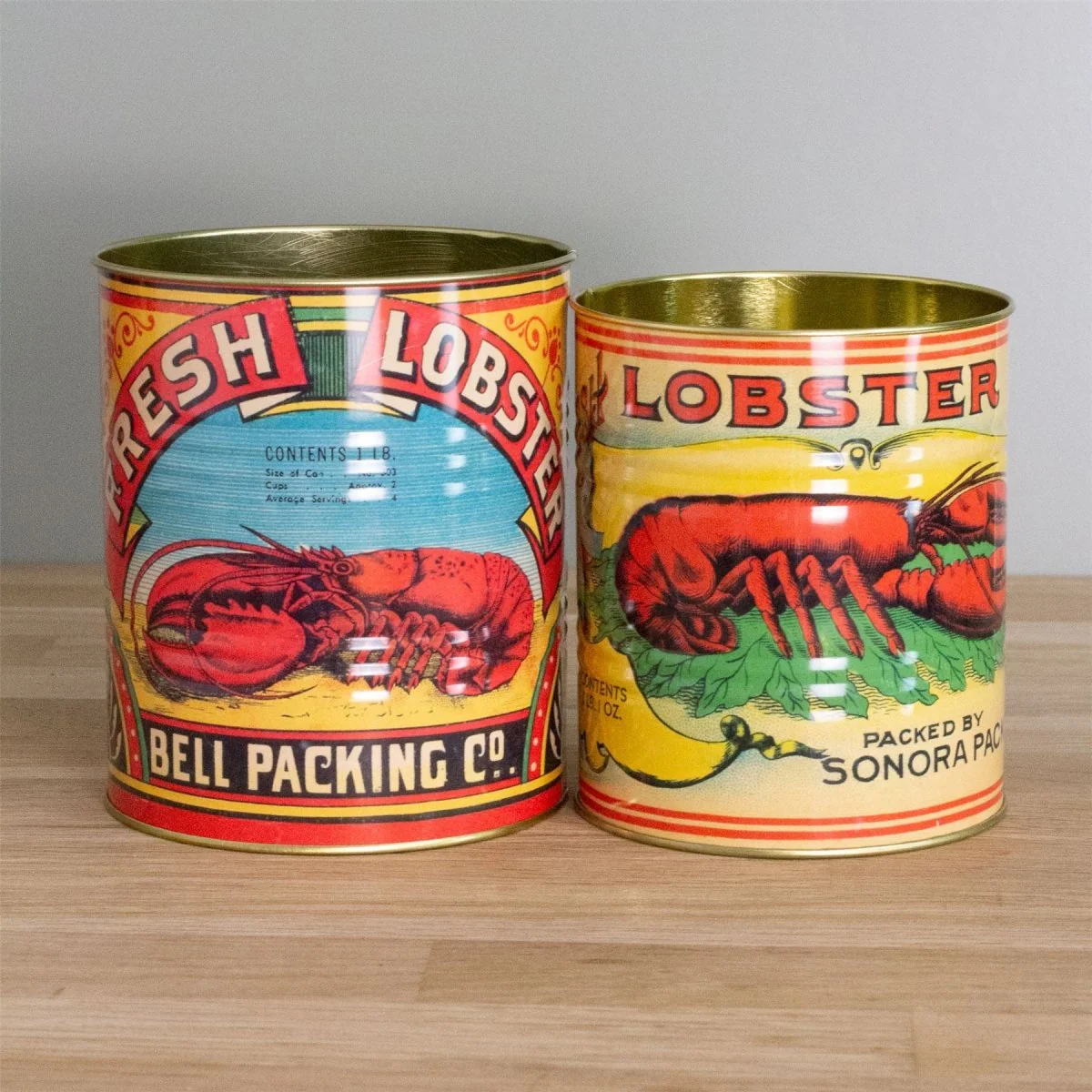
The first shift in lobster’s reputation came during the 19th century with the rise of canning.
Canned lobster became one of the earliest seafood products shipped across the United States and internationally. Importantly, consumers far from the coast had no cultural association with lobster as “poverty food”.
For them, it was simply:
-
a new food
-
an imported food
-
a slightly mysterious food
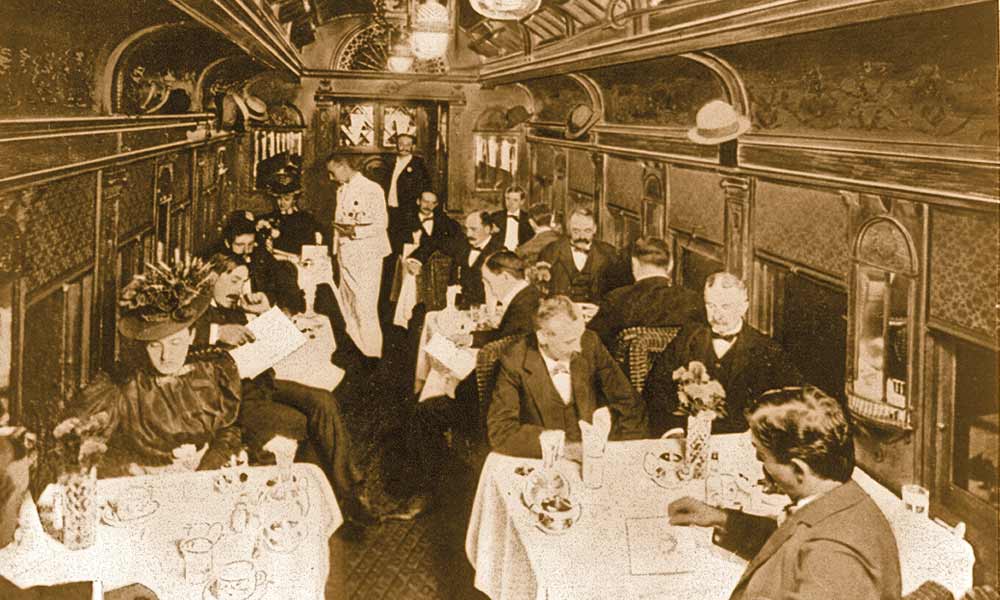
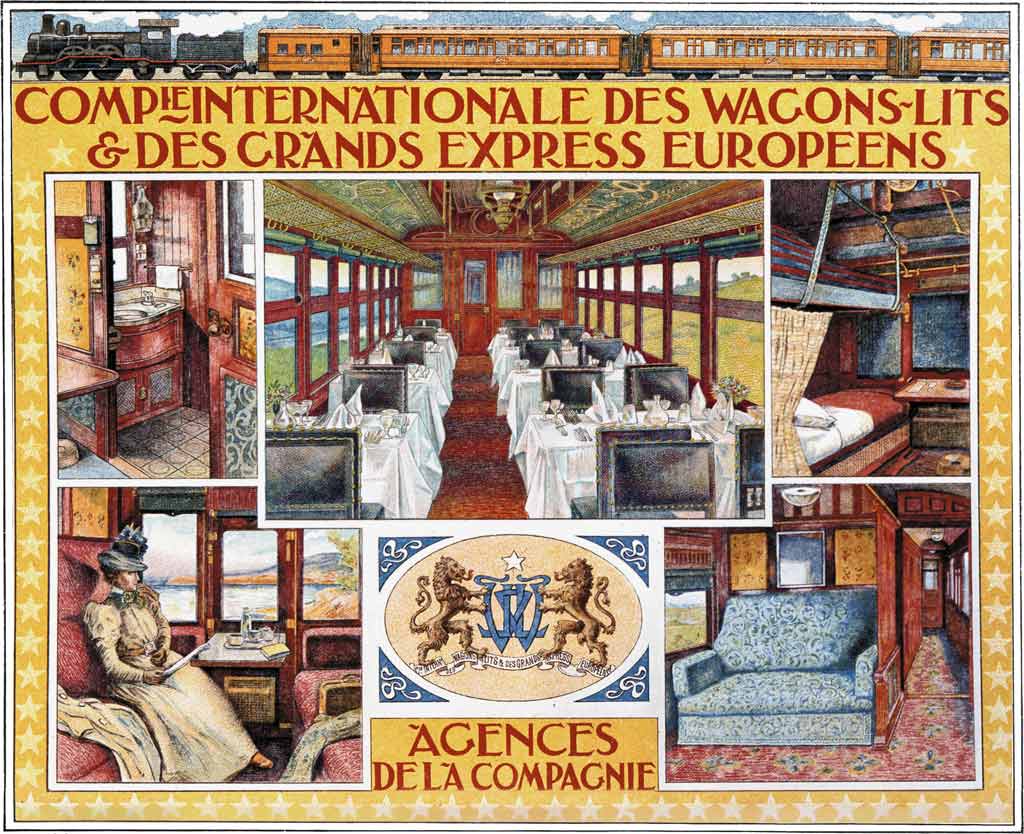
Railway dining cars also played a role. As train travel expanded across America, lobster began appearing on menus for middle-class travellers.
Served with butter and presented attractively, lobster started to shed its image as coastal trash food.
This stage represents a classic repositioning moment.
The product itself did not change.
The context did.
Scarcity Changes the Narrative
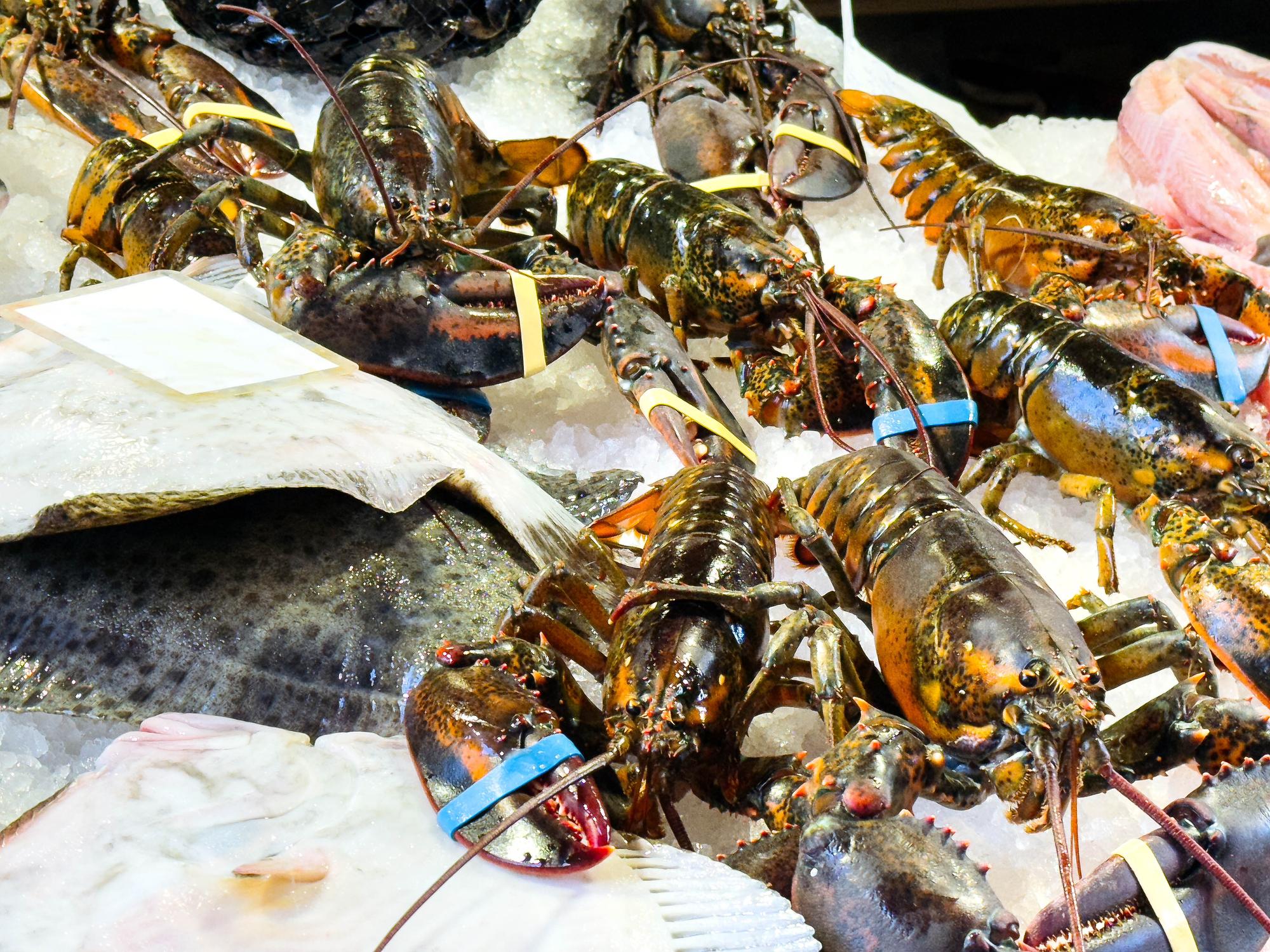
By the early 20th century, lobster populations had begun to decline due to heavy harvesting.
What was once abundant became less so.
And this changed everything.
Scarcity – one of the most powerful drivers of perceived value – began to take hold.
Restaurants started positioning lobster as a speciality dish. Preparation techniques also evolved:
-
butter sauces
-
careful presentation
-
table service theatre
Lobster moved from “something people ate because they had to” to something people ate because it felt indulgent.
This is a reminder of a principle often discussed in marketing theory.
Scarcity does not simply affect supply.
It affects status.
The Cultural Rebrand
By the mid-20th century, lobster had completed its transformation.
Instead of prison food, it became associated with:
-
coastal holidays
-
luxury dining
-
celebration meals
-
high-end restaurants
French culinary influence helped accelerate this shift. Dishes like Lobster Thermidor and elaborate butter-based preparations reinforced the idea that lobster was refined cuisine.
Meanwhile, American seafood restaurants leaned heavily into theatre:
-
lobster tanks
-
white tablecloth service
-
premium pricing
Once the perception of luxury took hold, the feedback loop was powerful.
Higher price reinforced higher status.
Higher status justified higher price.
What Marketers Can Learn From Lobster
This unlikely journey from fertiliser to fine dining offers several lessons for marketers.
1. Value Is Perception, Not Just Utility
The lobster itself has not fundamentally changed.
What changed was how people interpreted it.
As marketing pioneer Philip Kotler famously argued, products exist within a perceived value framework shaped by cultural meaning, positioning, and context.
2. Scarcity Drives Status
Abundance suppresses prestige.
Scarcity amplifies it.
Luxury brands have long understood this, limiting availability or creating artificial scarcity to elevate desirability.
Lobster’s shift from over-supply to relative scarcity helped move it up the value ladder.
3. Context Can Reposition a Product
Serving lobster in railway dining cars and restaurants reframed it.
This is a classic repositioning tactic.
Put the same product in a different environment and consumers reassess its value.
Wine, coffee, street food, and even craft beer have all undergone similar perception shifts.
4. Cultural Narratives Matter
Once lobster became associated with:
-
seaside holidays
-
celebration meals
-
fine dining
its story changed permanently.
Consumers rarely buy products purely for their functional benefit. They buy the narrative surrounding them.
George Orwell once observed that political language can reshape reality. Marketing does something similar – not by deception, but by reframing how products fit within culture.
The Lobster Lesson
If lobster teaches us anything, it is that products rarely have fixed identities.
What begins as waste can become luxury.
What begins as premium can become commodity.
Marketing plays a significant role in shaping those journeys.
And next time you see lobster on a menu priced like a small mortgage payment, it is worth remembering that a few hundred years ago, people were complaining about being forced to eat it.
Not because it was expensive.
But because they had it for dinner again.
TL;DR
-
Lobster was once considered a low-status food in colonial America due to its abundance.
-
It was fed to prisoners, servants, and livestock, and even used as fertiliser.
-
Industrialisation, railway dining, and canning introduced lobster to new audiences without the negative associations.
-
Overfishing created scarcity, helping reposition lobster as a luxury item.
-
Restaurants and French culinary traditions further reinforced its premium status.
-
The story demonstrates how perception, scarcity, context, and cultural narrative can radically change a product’s value.