

Christmas in Japan
Lights, Love, and Fried Chicken
When you think of Christmas, you probably picture snow, stockings, and the smell of mulled wine. In Japan, though, the festive season looks rather different.
With only around 1% of the population identifying as Christian, Christmas here is not a religious holiday at all. Instead, it’s been reinvented as a sparkling, romantic, and thoroughly commercial celebration and nowhere does it shine brighter than in Tokyo.
The Marketing Made Clear Podcast
This article features content from the Marketing Made Clear podcast. You can listen along to this episode on Spotify:
A Holiday Reimagined
Remember: Christmas in Japan isn’t a national holiday.
Offices stay open, schools run as normal, and families don’t gather in the same way they do for New Year, which remains the country’s most important seasonal festival. Instead, Christmas has taken on a fresh identity: a winter celebration of lights, love, and indulgence.
For many Japanese, it’s a time to enjoy seasonal treats, stroll under dazzling illuminations, and spend Christmas Eve on a romantic date – more Valentine’s Day than nativity.
Tokyo Illuminations: A City That Glitters
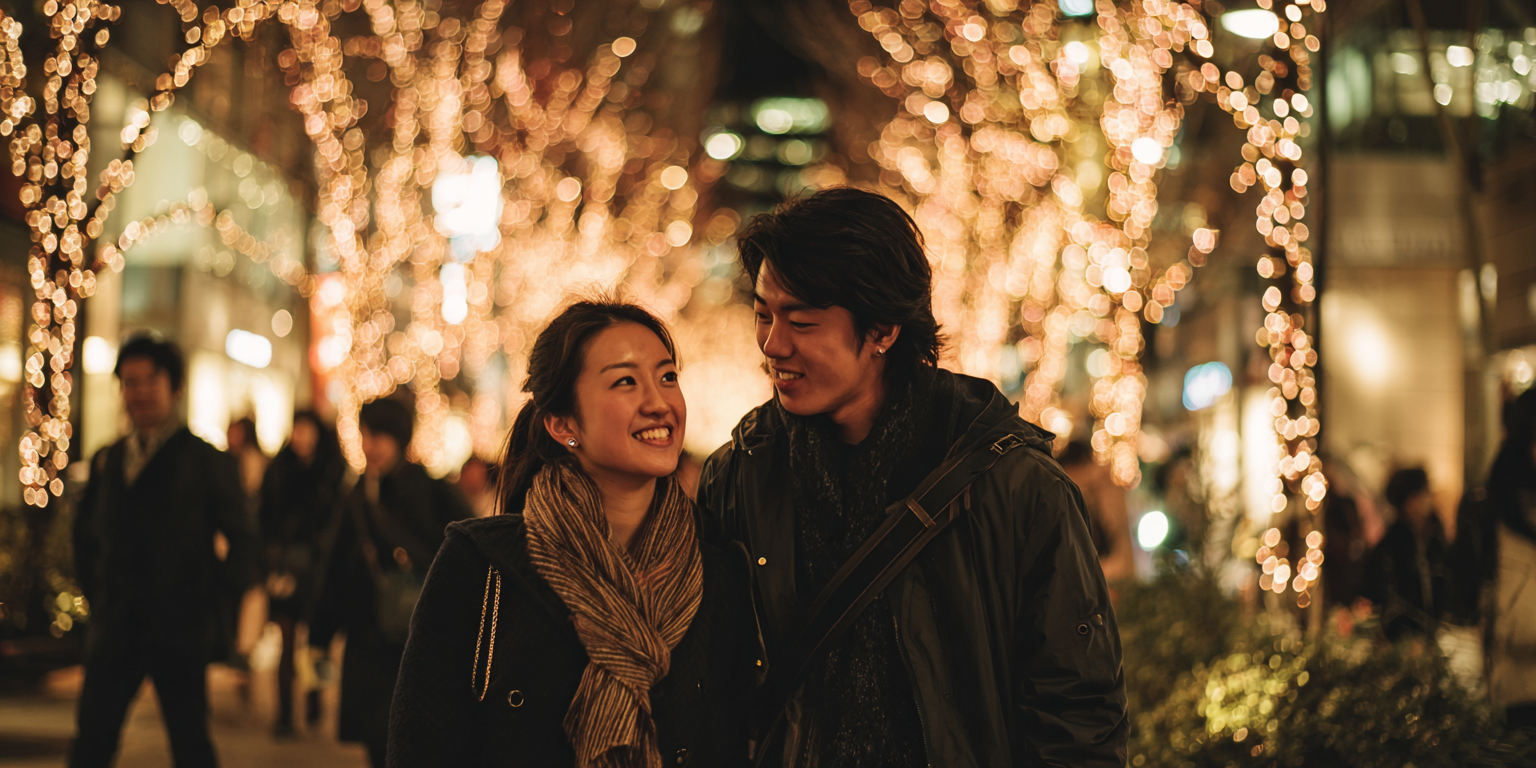
Every December, Tokyo transforms into a city of light. Districts compete to outshine one another with breathtaking “illuminations”:
-
Shibuya’s Blue Cave (Ao no Dokutsu) bathes the streets in an ethereal glow of millions of electric blue LEDs.
-
Marunouchi lines its chic shopping streets with golden-lit trees.
-
Roppongi Hills creates a modern, glitzy backdrop with thousands of lights set against the Tokyo Tower.
These illuminations are more than decoration – they’re an essential part of the season. Couples, families, and tourists flock to admire them, making the stroll through glowing streets a Christmas ritual in its own right.

Kentucky for Christmas
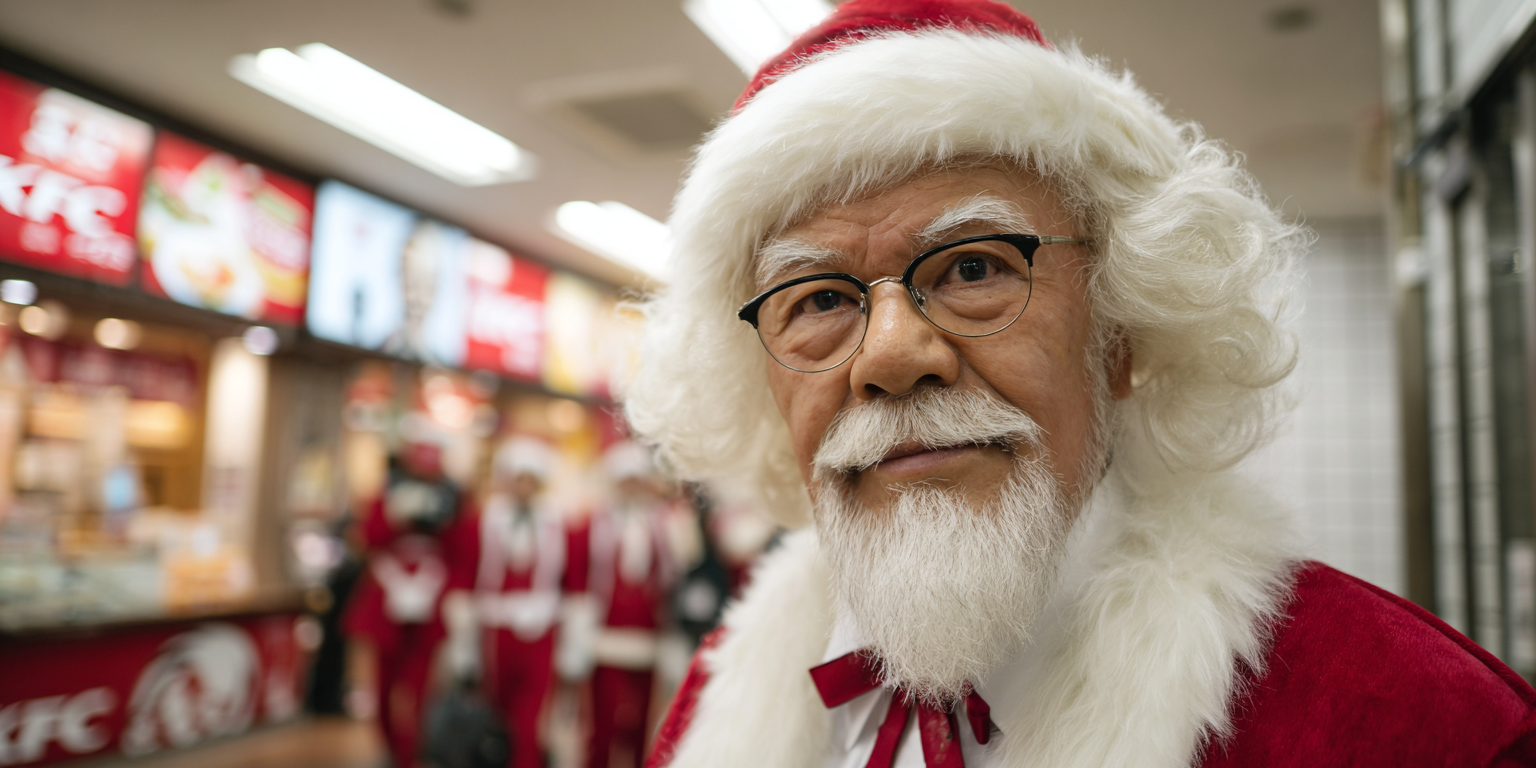
One of Japan’s most famous festive quirks is the association between Christmas and KFC. Thanks to a wildly successful 1970s advertising campaign, eating fried chicken on Christmas Eve has become a national tradition. Families order their “party buckets” weeks in advance, and queues snake outside branches across Tokyo on the big night.
It’s a perfect example of marketing filling a cultural gap: Japan had no turkey tradition, so the Colonel stepped in and claimed the table. Today, “KFC for Christmas” is as embedded in Japanese culture as Christmas crackers are in Britain.
The Sweet Symbol: Strawberry Shortcake
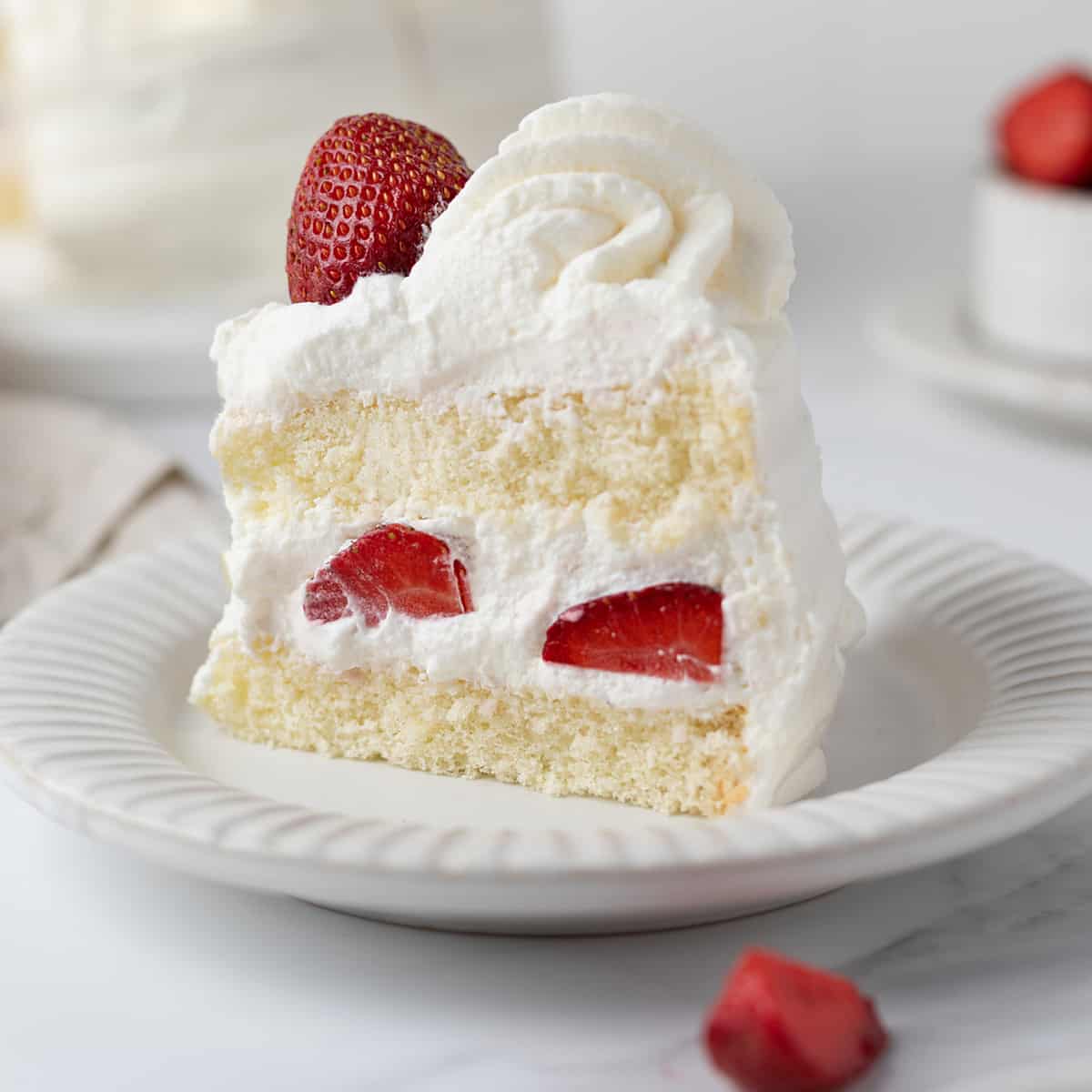
Another staple of a Japanese Christmas is the strawberry shortcake. Unlike the dense fruitcakes of Europe, Japan’s Christmas cake is a light sponge layered with cream and topped with strawberries. Its red and white colours are seen as symbols of luck and purity, and the cake has become as much a seasonal icon as the tree itself.
In Tokyo, patisseries and department stores compete to outdo each other with elegant, limited-edition versions often snapped up well before Christmas Eve.
Christmas as a Romantic Holiday
Perhaps the biggest cultural difference is that Christmas Eve in Japan is primarily for couples. Restaurants and hotels market special romantic packages, illuminations become date spots, and exchanging gifts is more about sweethearts than family gatherings.
While children may receive small presents from “Santa-san,” the major family holiday is New Year, with its reunions, feasts, and traditional rituals. Christmas, by contrast, is a lighter, more whimsical affair.
A Blend of Oddities and Joy
Tokyo’s Christmas season is filled with fascinating details:
-
Santa Claus appears in department store windows, often joined by Japanese mascots dressed in festive attire.
-
Shops are filled with Christmas music – sometimes familiar carols, sometimes quirky J-pop covers of Western hits.
-
Gift-giving exists but is small-scale compared to the lavish traditions of Europe or the US.
It’s a celebration that takes the visual and commercial symbols of Christmas, adapts them with Japanese creativity, and makes them entirely its own.
TL;DR
Christmas in Japan is a dazzling, non-religious celebration centred on Tokyo’s stunning light displays, romantic Christmas Eve dates, and quirky traditions like fried chicken and strawberry shortcake. It’s not a public holiday, and New Year holds far greater cultural importance. But through clever marketing and cultural reinvention, Japan has created a version of Christmas that is visually spectacular, warmly communal, and uniquely Japanese.