National Hug Your Dog Day: What It Teaches Us About Emotional Marketing (and When Not to Hug)
When Emotion Drives Engagement – and Why the Best Marketing Understands the Dog, Not Just the Owner
There are few things in life as universally agreed upon as this: dogs are brilliant.
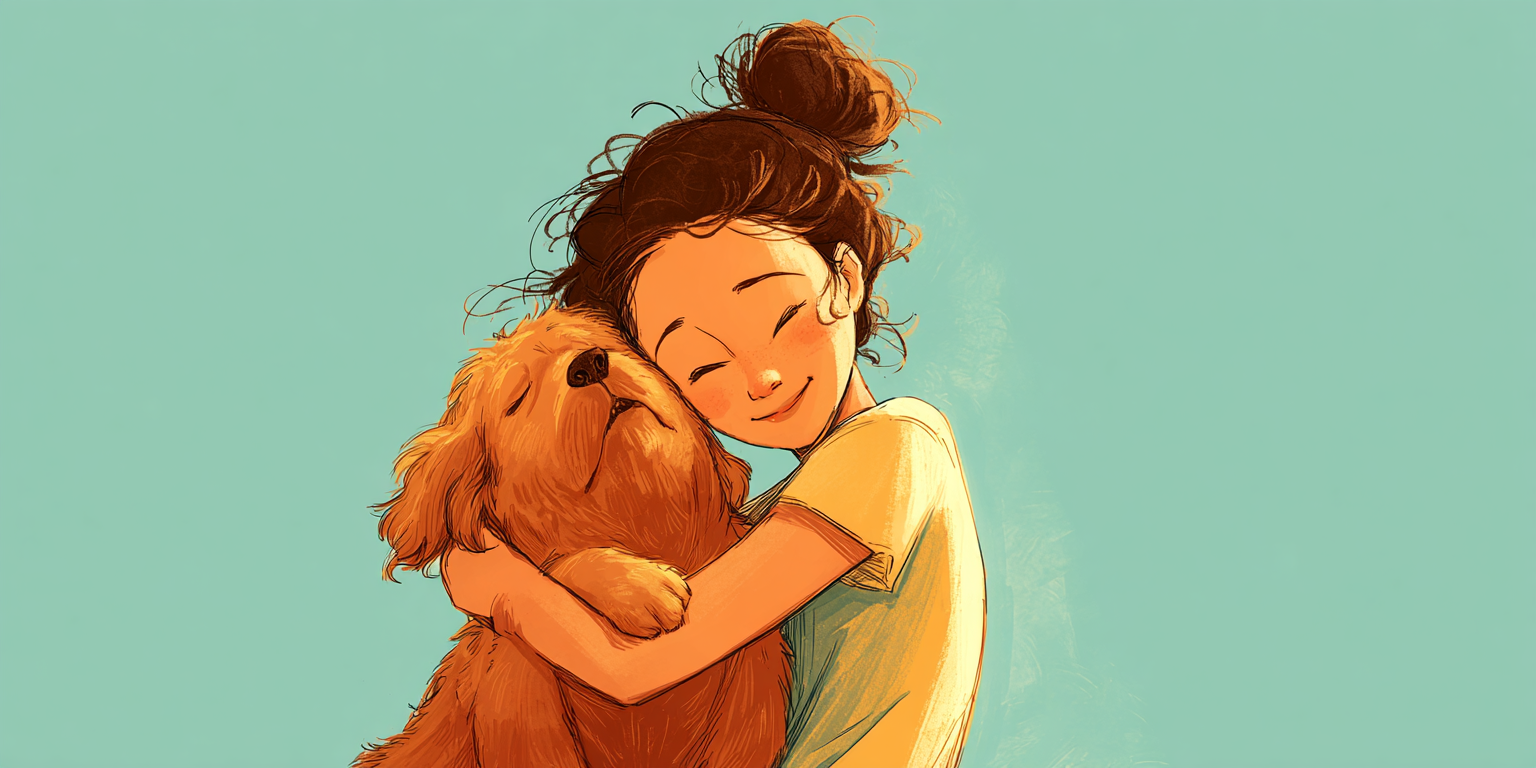
So it’s perhaps no surprise that a day like National Hug Your Dog Day exists; a moment dedicated to celebrating the bond between humans and their four-legged companions.
But, as with most seemingly light-hearted occasions, there’s something deeper going on beneath the surface. For marketers, days like this are not just about sentiment – they’re about understanding behaviour, emotion, and the delicate balance between authenticity and opportunism.
And, importantly, whether your dog actually wants a hug.
The Marketing Made Clear Podcast
Check out the Marketing Made Clear Podcast on all good streaming platforms including Spotify:
A Quick Look at National Hug Your Dog Day
National Hug Your Dog Day is celebrated annually on 10th April. It’s one of those “unofficial” calendar moments that has gained traction through social media, pet brands, and unsurprisingly, dog owners themselves.
Unlike major commercial holidays, it hasn’t been engineered by corporations. Instead, it has grown organically, driven by genuine affection and the kind of content that thrives online: wholesome, emotional, and highly shareable.
From a marketing perspective, this matters.
Because when something starts with real emotion rather than commercial intent, brands have to tread carefully when stepping into it.
The Psychology Behind Why This Works
At its core, National Hug Your Dog Day taps into something fundamental: human emotional attachment to animals.
Research consistently shows that dogs trigger responses similar to those we associate with close human relationships. Oxytocin, often referred to as the “bonding hormone” is released when we interact with our pets. In simple terms, dogs make us feel good.
For marketers, this sits firmly within what Daniel Kahneman would describe as System 1 thinking fast, emotional, instinctive.
You don’t need to analyse whether you love your dog. You just do.
This is why dog-related content performs so well:
- It requires minimal cognitive effort
- It delivers an immediate emotional payoff
- It is highly shareable (because people like being seen as dog lovers)
In marketing terms, it’s a near-perfect storm of engagement.

The Brand Opportunity (and the Trap)
For brands, especially those in the pet industry, this day presents an obvious opportunity.
- Dog food companies can showcase their products
- Pet retailers can run themed promotions
- Groomers, vets, and trainers can join the conversation
But here’s where things get interesting.
Not all participation is equal.
There is a fine line between:
- Joining a cultural moment
and - Hijacking it for commercial gain
Consumers – particularly in emotionally driven spaces like pet ownership – are incredibly sensitive to insincerity. If a brand’s involvement feels forced, overly sales-led, or disconnected from genuine care for animals, it can backfire quickly.
This is where the idea of emotional congruence becomes important.
If your brand already stands for animal wellbeing, participation feels natural. If it doesn’t, it risks feeling like you’ve turned up to a family dinner uninvited and tried to sell everyone something.
When a Hug Isn’t Always a Good Idea
Here’s the twist.
Despite the name, not all dogs actually enjoy being hugged.
From a behavioural perspective, many dogs interpret a hug as a form of restraint. It can create discomfort or even anxiety, particularly if the dog isn’t familiar with the person or the interaction.
This introduces an interesting tension:
- The human interpretation of affection
- Versus the animal’s experience of it
For marketers, this is a reminder of something critical:
What feels right to your audience isn’t always what is right.
The best campaigns around this day often acknowledge this nuance:
- Encouraging owners to show affection in ways their dog enjoys
- Promoting understanding of canine behaviour
- Balancing emotion with education
This approach builds trust rather than simply chasing engagement.

Case Study Thinking: What Good Looks Like
Let’s step away from specific brands for a moment and think structurally.
A strong National Hug Your Dog Day campaign typically includes:
1. Emotional Hook
Content that celebrates the bond between owner and dog – stories, images, user-generated content.
2. Behavioural Insight
Acknowledging how dogs actually experience affection. This adds credibility and authority.
3. Light Commercial Layer
A subtle product tie-in rather than an aggressive sales push.
4. Community Participation
Encouraging audiences to share their own content; photos, stories, or “how my dog likes affection”.
This aligns closely with principles from Philip Kotler, particularly around customer-centric marketing – understanding not just what customers want, but what matters to them.
The Bigger Lesson: Marketing Through Meaningful Moments
Days like National Hug Your Dog Day sit within a broader trend: calendar-based marketing.
We’ve seen this explode in recent years:
- World Mental Health Day
- International Women’s Day
- Earth Day
And, of course, a growing number of niche, community-led celebrations.
The opportunity is clear:
- Built-in relevance
- High engagement potential
- Cultural momentum
But the risk is equally clear:
- Over-saturation
- Performative participation
- Audience fatigue
The brands that win are not the ones that show up everywhere – they’re the ones that show up where it makes sense.
A Note on Authenticity (and Why It Matters More in Pet Marketing)
Pet owners are not casual consumers.
They are:
- Highly emotionally invested
- Deeply protective
- Often sceptical of commercial motives
This makes authenticity non-negotiable.
A brand that genuinely understands dogs – their behaviour, their needs, their wellbeing – will resonate far more than one that simply posts a stock image and a discount code.
This is particularly relevant in categories like dog food, where trust is everything.
Because ultimately, you’re not just marketing to the owner.
You’re marketing on behalf of the dog.
TL;DR
National Hug Your Dog Day may look like a simple social media moment, but it offers a powerful lesson in emotional marketing.
- It thrives on genuine human-animal connection
- It activates fast, emotional (System 1) thinking
- It rewards authenticity and punishes insincerity
- It highlights the importance of understanding the true experience behind the emotion
And perhaps most importantly:
Not every good marketing idea should be taken at face value.
Sometimes, the smartest move isn’t just to join the conversation – it’s to understand it properly first.
Because in marketing, as with dogs, the relationship only works if both sides are comfortable.