What Happens to Luxury Goods in an Economic Downturn?
Why Recessions Don’t Always Hurt Luxury Brands – and Why Some Become Even More Desirable During Economic Uncertainty
For decades, luxury brands have cultivated an image of immunity.
While ordinary businesses panic during recessions, the assumption is that the wealthy simply carry on buying handbags, watches, champagne, and sports cars as if nothing happened. There is some truth to that. But the reality is far more complicated – and far more interesting from a marketing perspective.
Economic downturns do not affect all luxury brands equally. Some collapse. Some quietly discount behind closed doors. Others emerge even stronger than before.
In many ways, recessions expose the true strength of a luxury brand.
Because when consumers become more cautious, value suddenly matters again – even at the top end of the market.
The Marketing Made Clear Podcast
Check out the Marketing Made Clear Podcast on all good streaming platforms including Spotify:
The Strange Psychology of Luxury During Recessions
One of the most fascinating aspects of luxury consumption is that it does not always follow conventional economic logic.
Traditional economics would suggest that demand falls as uncertainty rises. Yet luxury markets often behave unpredictably because luxury purchasing is deeply psychological.
Academic researcher Thorstein Veblen famously introduced the concept of the “Veblen good” – a product where demand can actually rise as prices increase because the item signals status and exclusivity.
Luxury products are not merely functional purchases. They are social signals.
During economic downturns, these signals can become even more important for certain consumers.
That may sound irrational, but human beings are rarely as rational as economists would like to believe.
The “Lipstick Effect”
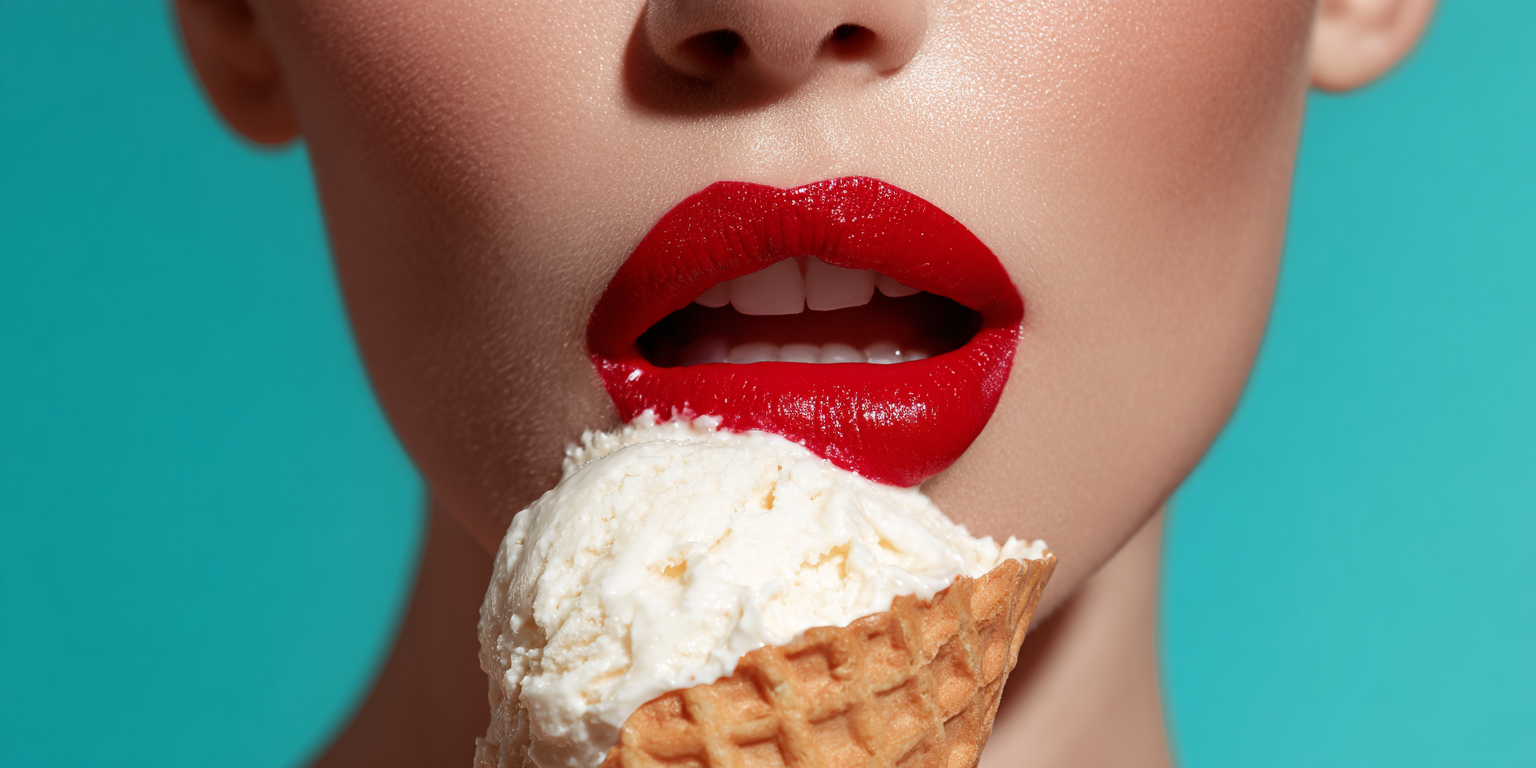
One of the most famous theories associated with recessions and luxury spending is the “Lipstick Effect.”
The idea became widely associated with Estée Lauder chairman Leonard Lauder after he observed that cosmetic sales sometimes rose during economic downturns.
The theory suggests that when consumers cannot afford major luxuries – houses, holidays, new cars – they often turn to smaller indulgences instead.
Instead of buying a £70,000 car, they buy a £35 lipstick.
Instead of a luxury holiday, they buy designer fragrance.
You could argue this explains why beauty brands often perform relatively strongly during recessions compared to other sectors.
The same principle extends beyond cosmetics.
Premium coffee, small luxury accessories, gourmet food, candles, skincare, and even expensive gym memberships can all benefit from “affordable luxury” positioning.
Consumers may be cutting back overall, but they still want moments that make them feel good.
Especially when the news cycle resembles a never-ending apocalypse narrated by somebody from the finance department.
Not All Luxury Is Equal
One of the biggest mistakes marketers make is treating “luxury” as one single category.
In reality, there are huge differences between:
- Ultra-luxury
- Aspirational luxury
- Affordable luxury
- Premium products
- Status-driven luxury
- Craftsmanship-driven luxury
And recessions affect them differently.
Ultra-Luxury Often Survives Best
The genuinely wealthy are less exposed to economic shocks.
Brands like Hermès have historically shown remarkable resilience because their customer base is less reliant on wages and more reliant on accumulated wealth.
In some cases, downturns can even strengthen these brands because scarcity and exclusivity become more desirable.
When uncertainty rises, established luxury brands often become “safe havens” for affluent consumers.
A Birkin bag can sometimes feel closer to an investment asset than a fashion accessory.
Which is both impressive and faintly absurd when you remember it is fundamentally a bag designed to hold sandwiches and receipts.
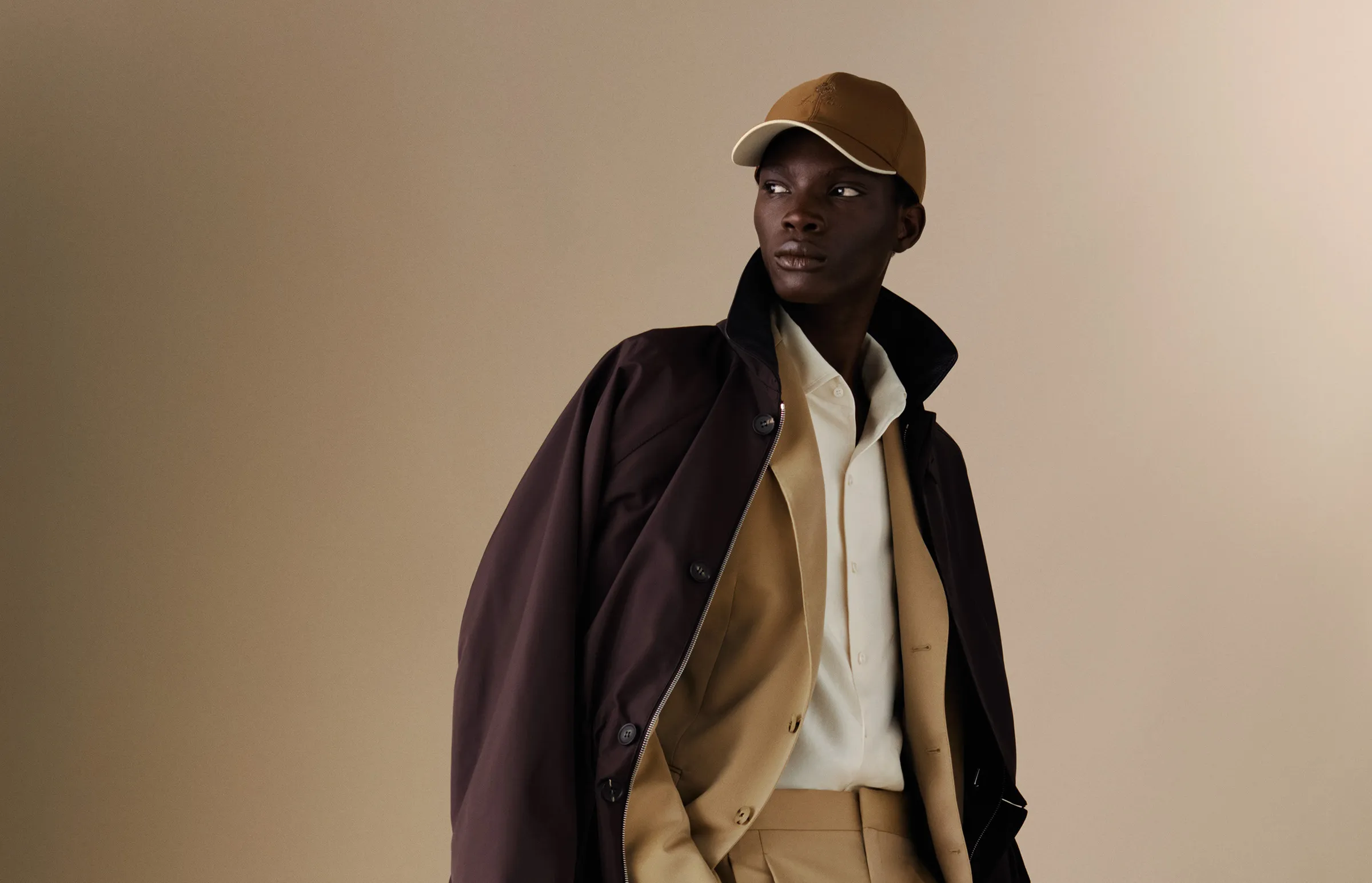
Aspirational Luxury Suffers More
Brands targeting upper-middle-class consumers are often more vulnerable.
This includes consumers who stretch financially to access luxury identities.
During downturns, these consumers pull back quickly because discretionary income shrinks and confidence falls.
This can create major problems for brands positioned in the “premium but accessible” middle ground.
Historically, brands like Michael Kors and Coach have faced challenges when over-expansion diluted exclusivity while economic conditions weakened.
Once luxury starts becoming too accessible, it risks losing the very thing consumers wanted in the first place.
Discounting Can Destroy Luxury Brands
In a recession, many companies panic and cut prices aggressively.
For normal retail, this may work.
For luxury, it can be catastrophic.
Luxury branding relies heavily on perceived exclusivity, prestige, and scarcity. Excessive discounting damages all three.
This creates one of the biggest strategic tensions in luxury marketing:
- Protect margins and brand prestige?
- Or chase short-term sales volume?
The strongest luxury brands usually prioritise long-term brand equity.
That is why companies like LVMH often avoid obvious discounting strategies, even during difficult economic conditions.
Luxury brands know that once consumers start expecting discounts, the perception of exclusivity weakens.
And rebuilding prestige is extremely difficult.
A luxury brand that constantly discounts eventually becomes a premium brand pretending to be luxury.
Consumers notice the difference surprisingly quickly.
Quiet Luxury During Economic Anxiety
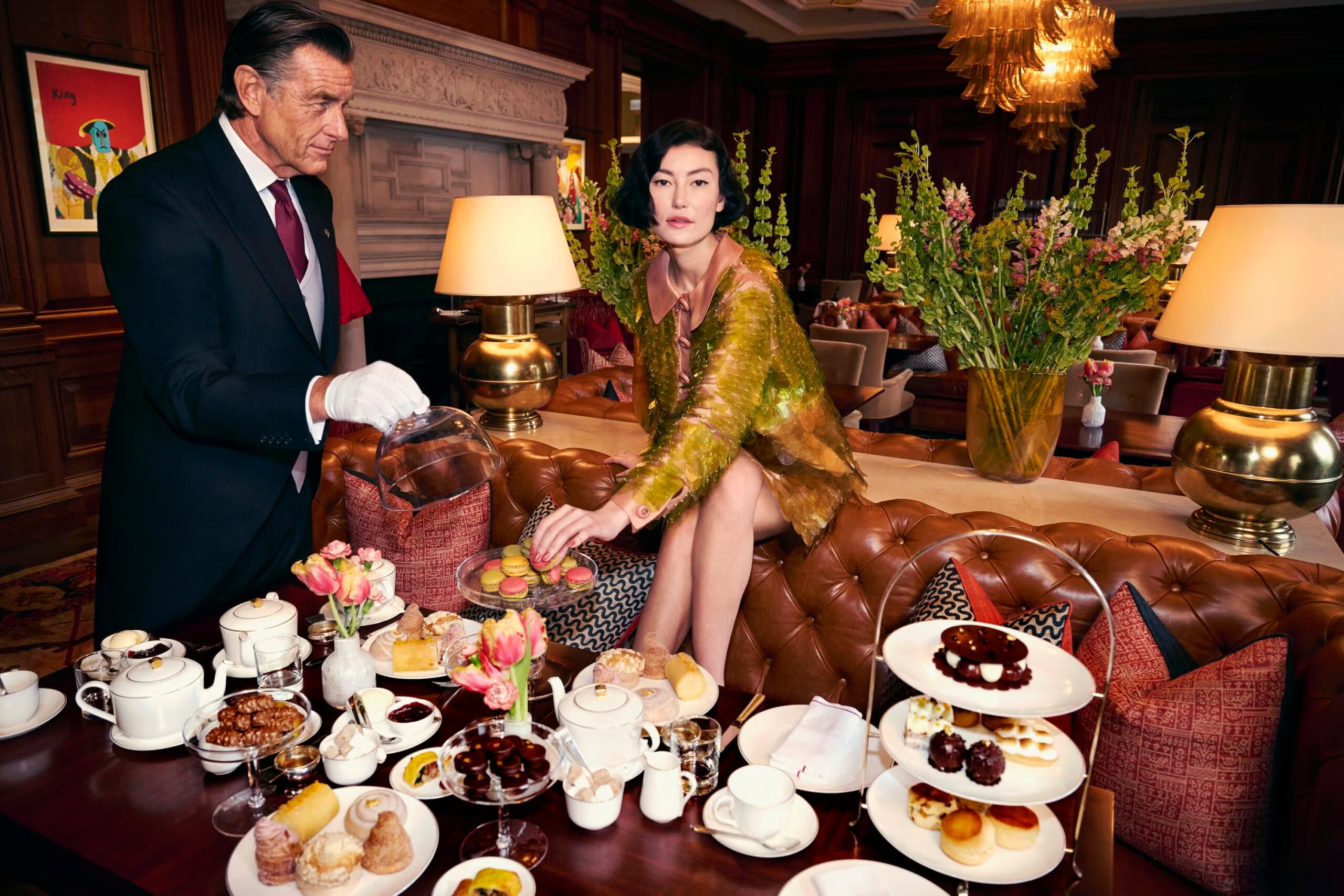
Recent years have also seen the rise of “quiet luxury.”
Rather than obvious logos and overt displays of wealth, some affluent consumers have shifted toward understated, craftsmanship-focused branding.
Brands like Loro Piana or Brunello Cucinelli became symbols of discreet wealth.
This trend becomes especially interesting during economic downturns.
Conspicuous consumption can attract criticism during periods of financial hardship. Public displays of extravagance may feel tone-deaf.
Quiet luxury allows affluent consumers to continue consuming status products while appearing more restrained and tasteful.
In behavioural terms, it is still signalling.
It is simply signalling to a narrower audience.
The message changes from:
“Look how rich I am.”
To:
“If you know, you know.”
Which is essentially the luxury equivalent of an obscure indie band becoming popular enough that their fans stop enjoying them.
Luxury and the Fear of Missing Out
Another fascinating downturn behaviour is that scarcity marketing often becomes even more powerful.
Economic uncertainty creates anxiety. Anxiety increases emotional decision-making.
Luxury brands frequently use:
- Waiting lists
- Limited editions
- Exclusive releases
- Invitation-only experiences
- Artificial scarcity
to intensify desirability.
Behavioural psychology plays a major role here.
Robert Cialdini’s principle of scarcity demonstrates that people assign greater value to things perceived as rare or difficult to obtain.
Ironically, consumers may become even more emotionally attached to luxury purchases during downturns precisely because uncertainty makes emotional reassurance more attractive.
The product becomes symbolic comfort.
Luxury Brands That Thrive in Recessions
Historically, several luxury companies have navigated downturns exceptionally well.
Louis Vuitton
Louis Vuitton has consistently maintained strong brand control through selective distribution, price discipline, and tight management of exclusivity.
The brand rarely engages in overt discounting and carefully protects prestige.
Ferrari
Ferrari famously limits supply below demand.
This allows the brand to preserve exclusivity regardless of broader economic conditions.
In some ways, Ferrari behaves less like a car company and more like a luxury membership club with engines attached.
Rolex
Rolex benefits from extraordinary brand heritage and strong resale markets.
Luxury products with perceived investment value often perform more resiliently during downturns because consumers rationalise purchases differently.
The product becomes:
“I’m investing.”
rather than:
“I’m spending.”
Whether your accountant agrees is another matter entirely.
What Marketers Can Learn
Economic downturns reveal several important truths about consumer behaviour.
1. Luxury Is Emotional, Not Rational
Luxury products rarely compete on function alone.
They compete on:
- Identity
- Status
- Emotion
- Escapism
- Self-reward
- Social signalling
Marketers who ignore psychology misunderstand luxury entirely.
2. Brand Equity Matters Most During Hard Times
Weak brands struggle in recessions because consumers become more selective.
Strong brands survive because trust, prestige, and emotional attachment reduce perceived risk.
3. Scarcity and Exclusivity Still Matter
Consumers do not simply buy products.
They buy stories, status, symbolism, and access.
The perception of rarity remains incredibly powerful.
4. Over-Expansion Is Dangerous
Many luxury brands damage themselves by chasing volume too aggressively.
Once exclusivity disappears, recovering it becomes difficult.
Luxury is partly built on controlled inaccessibility.
Which is probably why some luxury boutiques still make you feel like you are inconveniencing them by entering the shop.
The Bigger Picture
Luxury consumption during downturns ultimately tells us something profound about human behaviour.
People do not stop wanting aspiration during difficult times.
In many cases, aspiration becomes even more important.
Economic anxiety often increases the desire for:
- Comfort
- Identity
- Escape
- Status
- Control
- Reward
Luxury brands that understand this emotional landscape tend to survive.
Those that mistake luxury for simply “expensive products” often struggle.
Because true luxury is rarely just about price.
It is about perception.
And perception, as every marketer eventually discovers, can be more powerful than reality itself.
TL;DR
Luxury goods behave differently during economic downturns because they are driven heavily by psychology, status, and emotion rather than pure utility. Ultra-luxury brands often remain resilient due to wealthy customer bases and strong exclusivity, while aspirational luxury brands are more vulnerable as middle-class consumers reduce spending. Concepts like the “Lipstick Effect,” scarcity marketing, quiet luxury, and emotional signalling help explain why some luxury sectors continue thriving even during recessions. The strongest luxury brands avoid excessive discounting, protect exclusivity, and maintain long-term brand equity rather than chasing short-term sales.