

Purchasing Power Parity (PPP)
Why £10 Doesn’t Always Mean £10
There’s a moment that many marketers (and travellers) have had.
You land in a new country, order a coffee, and either:
- feel like you’ve just pulled off the deal of the century, or
- wonder whether you’ve accidentally bought the café.
Same product. Same category.
Very different price.
This is where Purchasing Power Parity (PPP) quietly sits in the background, shaping pricing strategies, consumer perception, and international marketing decisions in ways that most people never fully appreciate.
Let’s break it down properly
The Marketing Made Clear Podcast
Check out the Marketing Made Clear Podcast on all good streaming platforms including Spotify:
What Is Purchasing Power Parity?
At its core, PPP is an economic theory that suggests exchange rates between countries should adjust so that identical goods cost the same in different economies, once converted into a common currency.
In simple terms:
If a product costs £10 in the UK and the “equivalent” product costs the equivalent of £5 in another country, then either the exchange rate is off – or the economies are operating at very different levels of purchasing power.
PPP is rooted in the Law of One Price, a concept widely discussed in international economics and formalised in academic work by economists such as Gustav Cassel, who helped popularise the idea in the early 20th century.
The Famous (and Brilliant) Big Mac Index
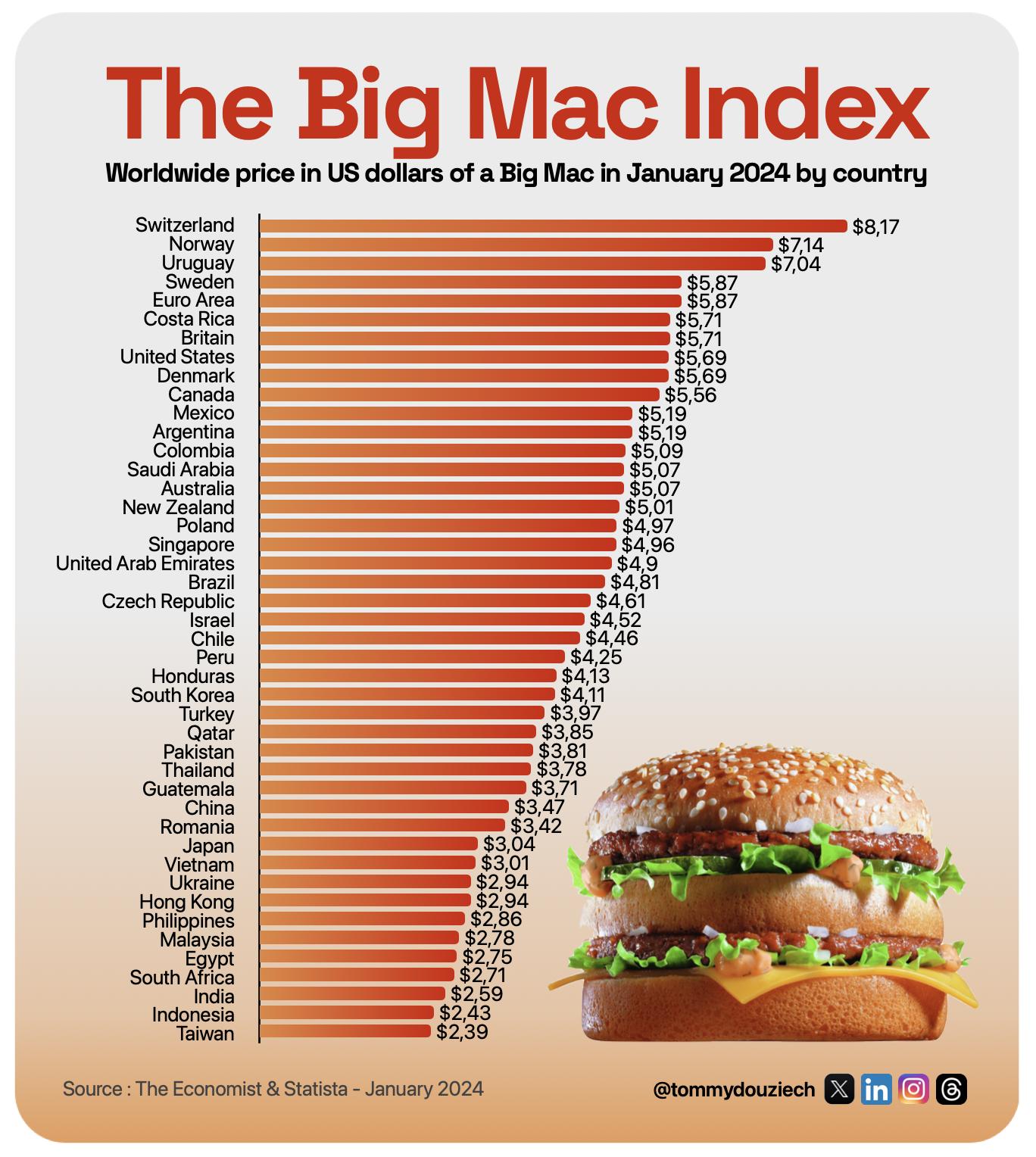
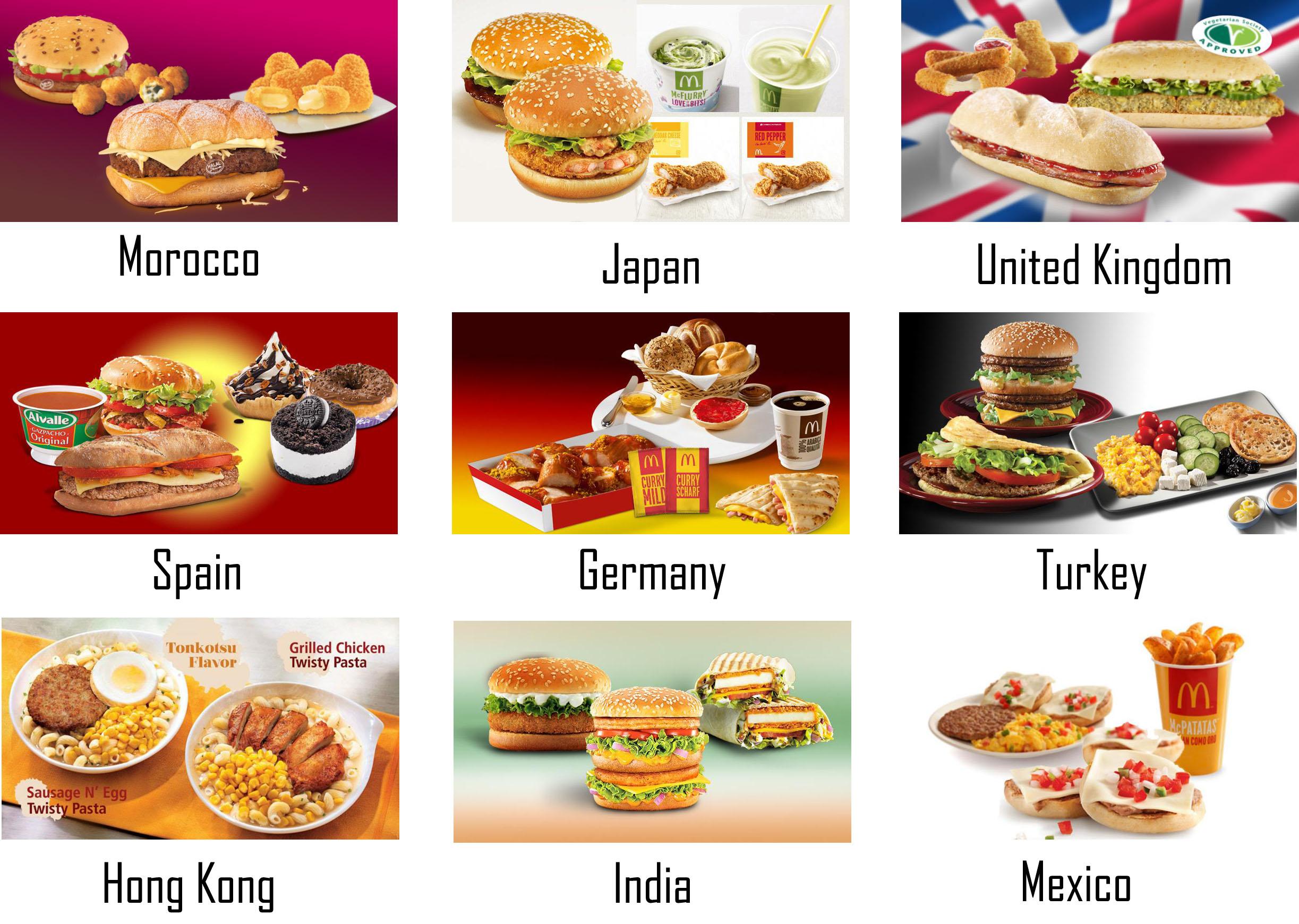
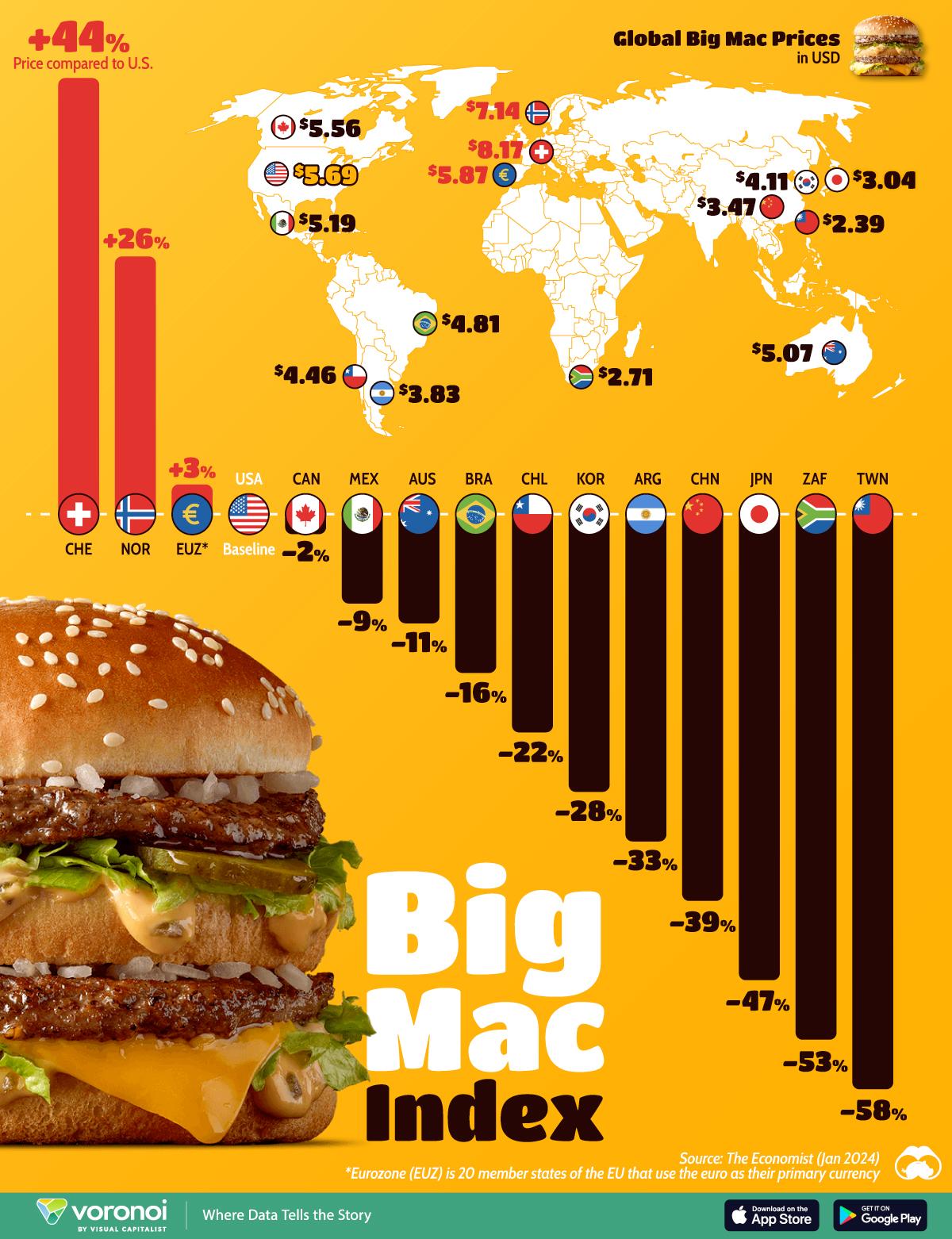
If PPP feels a bit abstract, the most famous real-world example simplifies it perfectly: the Big Mac Index, created by The Economist.
Why a Big Mac?
Because it’s:
- Standardised
- Globally available
- Made using local inputs (labour, rent, ingredients)
In theory, a Big Mac should cost roughly the same everywhere when adjusted for exchange rates.
In reality, it doesn’t.
- In countries like Switzerland, it’s famously expensive
- In countries like India, it’s significantly cheaper
What this shows is not just currency differences, but deeper economic realities:
- Wage levels
- Cost of living
- Local supply chains
For marketers, this is gold dust.
Apple and Premium Pricing
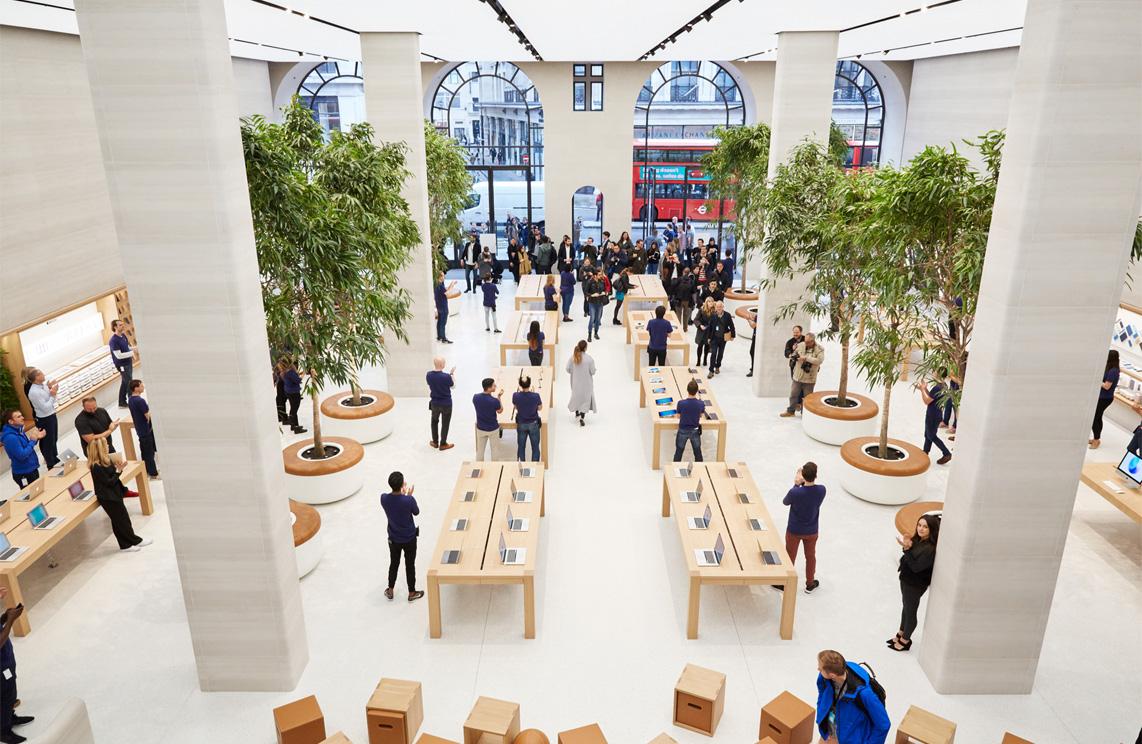
Walk into an Apple Store in London, New York, or Tokyo, and the experience feels remarkably consistent.
But pricing? Not so much.
Apple adjusts pricing across markets based on:
- Local taxes and tariffs
- Currency fluctuations
- Consumer purchasing power
For example:
- iPhones often appear significantly more expensive in countries like Brazil or India relative to average income
- In wealthier economies, the same device feels more accessible
From a PPP perspective, Apple isn’t just selling a product – it’s calibrating perceived affordability.
And this is where marketing meets economics:
A “premium” product must still sit within the psychological boundaries of what a consumer believes they can afford.


IKEA and Local Adaptation
IKEA’s entire proposition is built on affordability.
But “affordable” is relative.
A £50 coffee table:
- Might feel cheap in the UK
- Could feel mid-range in Eastern Europe
- Might be aspirational in parts of Southeast Asia
IKEA adjusts:
- Product ranges
- Materials
- Pricing tiers
to align with local PPP realities.
This is not just operational – it’s strategic positioning.
As Philip Kotler would argue, pricing is one of the most flexible elements of the marketing mix, but also one of the most sensitive to local context.
Netflix and Subscription Pricing
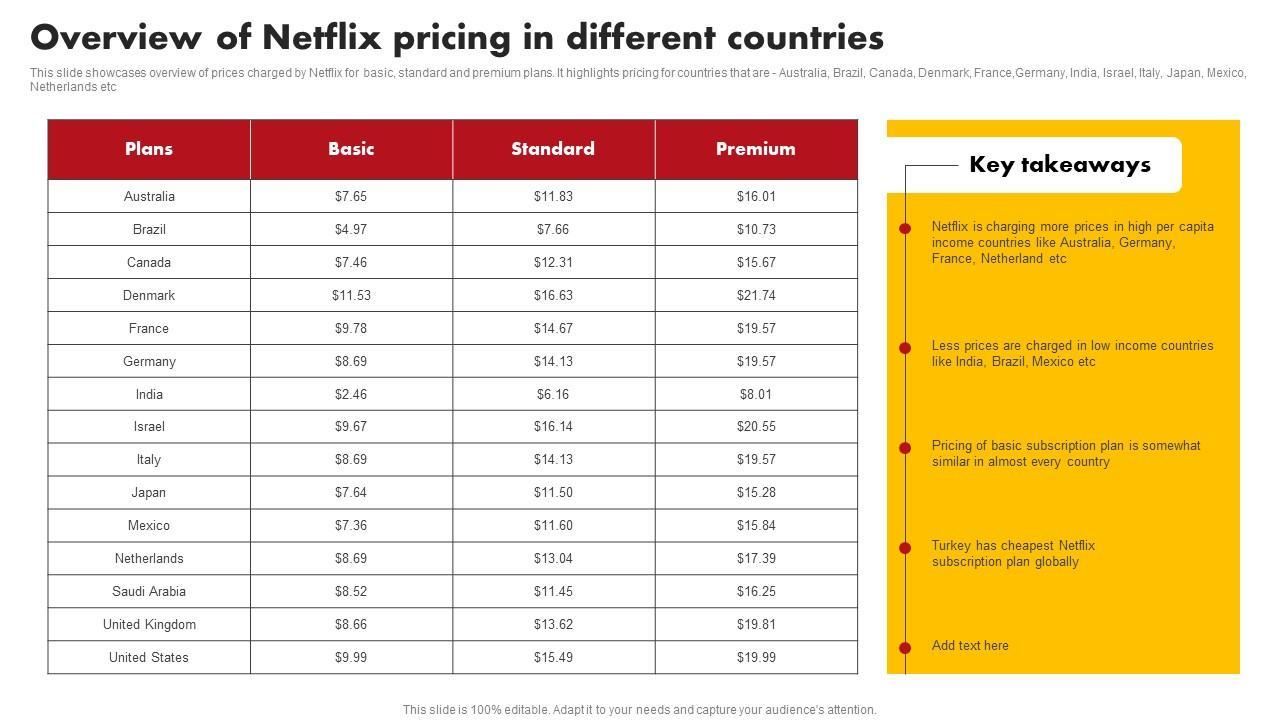
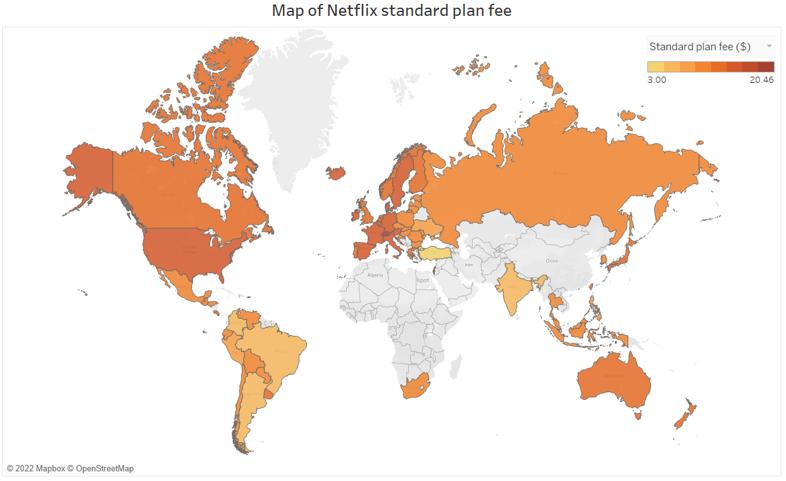
Netflix provides one of the clearest modern examples of PPP in action.
Instead of one global price, Netflix uses tiered regional pricing:
- Lower-cost mobile-only plans in India
- Higher subscription fees in the US and UK
- Adjusted pricing across Latin America
Why?
Because:
- Disposable income varies dramatically
- Competition differs by region
- Willingness to pay is culturally influenced
This isn’t just PPP theory – it’s behavioural economics applied in real time.
Where PPP Breaks Down (and Why That Matters for Marketers)
Here’s the catch: PPP doesn’t always hold.
In fact, in many industries, it breaks down completely.
Why?
1. Non-tradable costs
Things like:
- Rent
- Labour
- Distribution
can’t be standardised globally.
2. Brand perception
A Nike trainer isn’t just a product – it’s a signal.
In some markets:
- It’s everyday wear
In others: - It’s a status symbol
That changes pricing power entirely.
3. Taxes and regulation
Import duties, VAT, and local regulations can distort pricing far beyond PPP expectations.
4. Competitive dynamics
In some countries, local competitors force pricing down.
In others, international brands can charge a premium simply for being… international.
The Marketing Implication: Pricing Is Perception, Not Just Maths
PPP gives marketers a framework, not a rulebook.
The real takeaway is this:
Consumers don’t compare prices globally – they compare them locally, against their own purchasing power.
This aligns with behavioural insights from Daniel Kahneman, particularly around reference points and perceived value.
A £1,000 product:
- Feels different depending on income level
- Feels different depending on category norms
- Feels different depending on brand positioning
PPP helps explain why.
Academic Foundations (Brief but Useful)
If you want to go beyond surface-level understanding, PPP is grounded in:
- Cassel, G. (1918) – Abnormal Deviations in International Exchanges
- Rogoff, K. (1996) – The Purchasing Power Parity Puzzle
- Taylor, A. & Taylor, M. (2004) – The Purchasing Power Parity Debate
These works highlight a key insight:
PPP tends to hold in the long run, but not necessarily in the short term.
Which, conveniently, is exactly where marketers operate – in the messy, imperfect, real world.
Why PPP Matters More Than Ever
Globalisation and e-commerce have changed the game.
Consumers can now:
- Compare prices internationally
- Buy from overseas retailers
- Spot inconsistencies instantly
PPP is no longer just an academic concept – it’s a practical constraint.
Get pricing wrong, and you risk:
- Losing competitiveness
- Damaging brand perception
- Creating arbitrage opportunities (people buying cheaper abroad)
Final Thought
Purchasing Power Parity is often taught as a clean, elegant theory.
In practice, it’s anything but.
For marketers, it sits at the intersection of:
- Economics
- Psychology
- Strategy
And perhaps most importantly:
It reminds us that price is never just a number – it’s a reflection of what people believe they can afford, and what they believe something is worth.
TL;DR
- Purchasing Power Parity (PPP) suggests identical goods should cost the same globally once exchange rates are adjusted
- Real-world examples like Apple, IKEA, and Netflix show how companies adapt pricing to local purchasing power
- PPP often breaks down due to brand perception, taxes, and local market conditions
- For marketers, pricing is about perception and affordability within a local context – not global consistency
- Understanding PPP helps businesses price more effectively across international markets