

How COVID-19 Rewired Consumer Behaviour – And Why Marketers Are Still Playing Catch-Up
From Panic Buying to Platform Loyalty: The Lasting Impact on How We Buy
There are moments in history that shift behaviour overnight – and then there’s COVID-19, which didn’t just shift behaviour, it rewired it.
For marketers, the pandemic wasn’t just a disruption. It was an accelerated experiment in consumer psychology, digital adoption, and trust. Years of gradual change were compressed into months.
The result?
A permanently altered buyer.
If you’re still treating COVID as a temporary blip, you’re already behind.
The Marketing Made Clear Podcast
Check out the Marketing Made Clear Podcast on all good streaming platforms including Spotify:
The Great Digital Acceleration
The obvious one first – but still worth unpacking properly.
Before COVID, digital transformation was often discussed in boardrooms with the enthusiasm of someone planning to start going to the gym “next Monday.” The pandemic forced that Monday to arrive immediately.
- E-commerce adoption surged across all demographics
- Older audiences, previously resistant, became comfortable buying online
- Categories that lagged (groceries, pet food, healthcare) rapidly digitised
Brands like Tesco and Amazon didn’t just grow – they became infrastructure.
Digital was no longer a channel. It’s the default environment.
The Death (and Rebirth) of Brand Loyalty
Early in the pandemic, loyalty took a hit.
Supply chain disruptions meant consumers couldn’t always get their preferred brands. So they tried alternatives. And in many cases, they didn’t go back.
- Stock shortages forced trial behaviour
- Private labels and challenger brands gained traction
- “Good enough” became genuinely good
But here’s the twist – loyalty didn’t disappear. It evolved.
Post-pandemic loyalty is now driven by:
- Convenience
- Availability
- Values alignment
Not just habit.
Brands weren’t competing on awareness alone – they were competing on reliability and relevance.
The Rise of Purpose-Driven Purchasing
COVID didn’t create ethical consumption – but it accelerated it.
As people reassessed what mattered, purchasing became more reflective:
- Support for local businesses increased
- Sustainability gained importance
- Transparency became expected
Brands that communicated clearly and acted responsibly built stronger emotional connections.
Brands that didn’t… were noticed.
Think of companies that pivoted to produce PPE or supported communities. That wasn’t just PR – it was brand equity in real time.
Purpose wasn’t just a campaign. It became a filter through which all decisions are judged.
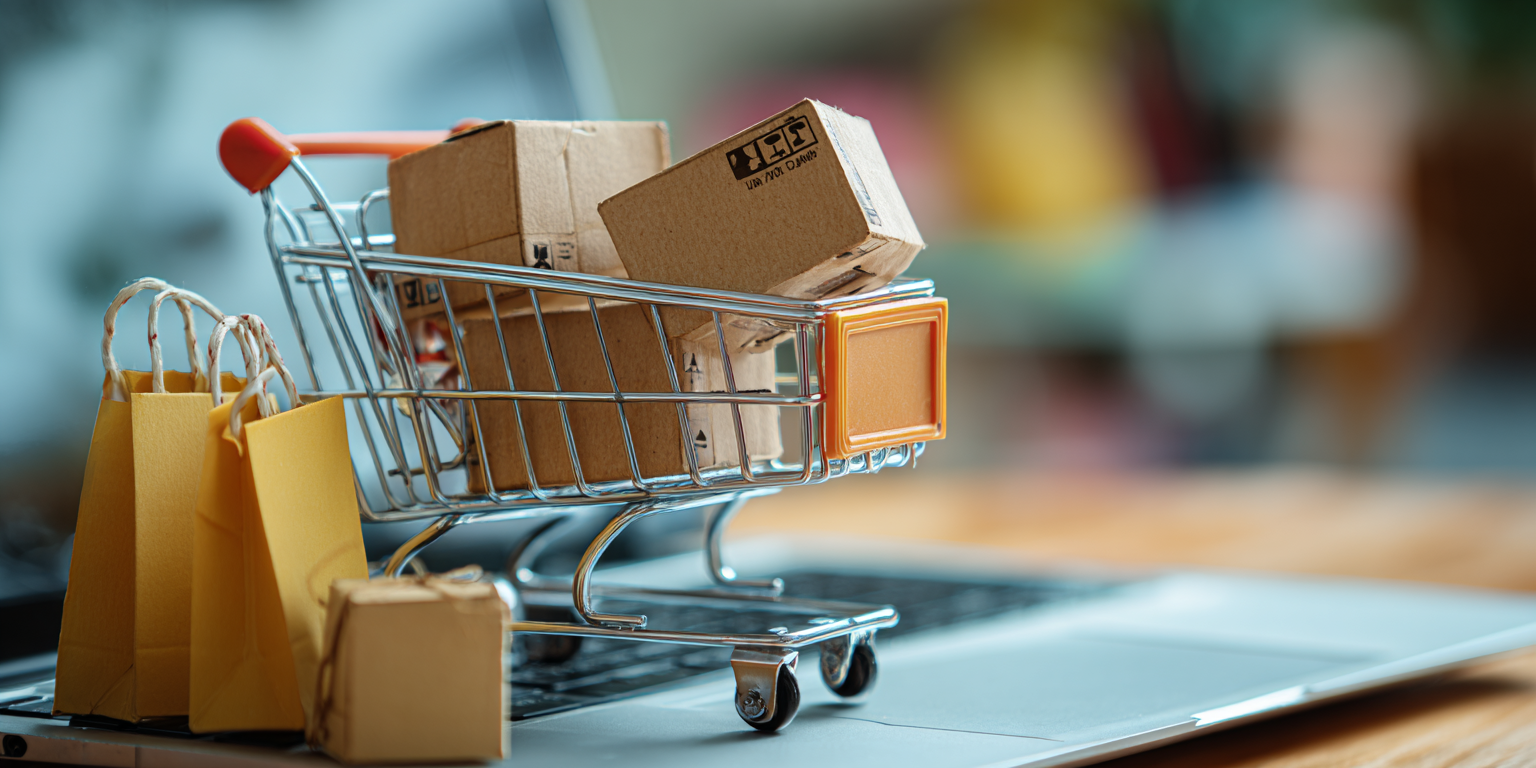
Convenience Became King (and Stayed King)
When movement is restricted, friction becomes intolerable.
Consumers got used to:
- One-click purchasing
- Subscription models
- Rapid delivery expectations
And now they’re not going back.
The success of subscription-first models (especially in sectors like pet food, streaming, and fitness) reflects a deeper behavioural shift:
People don’t want to think about routine purchases anymore.
Brands had to reduce cognitive load… If your product requires effort to buy, it’s at risk.
The Home Became the Centre of Consumption
COVID turned homes into:
- Offices
- Gyms
- Restaurants
- Cinemas
This had a ripple effect across categories:
- Home fitness boomed
- DIY and home improvement surged
- Streaming replaced cinema trips
Platforms like Netflix didn’t just grow – they became cultural anchors.
Even as restrictions lifted, the baseline expectation of home-based convenience remained.
The “home economy” was no longer situational – it’s structural.
Trust Became the Ultimate Currency
In uncertain times, people look for certainty.
During COVID, consumers gravitated towards brands that felt:
- Reliable
- Transparent
- Honest
Misinformation, inconsistent messaging, or opportunism damaged trust quickly.
This aligns closely with principles from behavioural science – particularly the importance of credibility in decision-making (something both Philip Kotler and Robert Cialdini have long emphasised).
Trust is no longer a by-product of brand – it is the brand.
The Explosion of Content Consumption
With more time at home came more time online.
- Social media usage increased
- Video consumption surged
- Podcasts and long-form content grew significantly
But here’s the key shift:
Consumers didn’t just consume more – they became more selective.
Low-quality content was ignored. High-quality, entertaining, or useful content thrived.
Attention became harder to earn, even if there’s more of it available.
The Normalisation of “Try Before You Commit” Behaviour
Uncertainty led to cautious spending.
Consumers became more:
- Research-driven
- Review-focused
- Trial-oriented
Free trials, flexible returns, and transparent pricing became essential.
This behaviour has stuck – particularly in higher-value or subscription-based purchases.
Companies have had to reduce perceived risk or lose the sale.
The Blurring of B2C and B2B Expectations
One of the more subtle but important shifts.
Professionals working from home began expecting:
- Better UX
- Faster service
- Consumer-grade digital experiences
B2B buyers started behaving more like B2C consumers.
Clunky systems and slow processes are no longer tolerated – even in “serious” industries.
The Acceleration of Data-Driven Marketing
With more activity happening online, data became more abundant – and more valuable.
Brands could track:
- Behaviour
- Preferences
- Purchase journeys
But this also came with increased scrutiny around privacy and data use.
Companies have had to use data intelligently – but respect boundaries, or risk eroding trust.
The Bigger Picture: COVID Didn’t Change Behaviour – It Revealed It
Here’s the uncomfortable truth:
Most of these trends already existed.
COVID didn’t invent them. It removed the barriers that slowed them down.
- People already wanted convenience
- They already valued trust
- They were already moving online
The pandemic simply forced faster adoption.
What This Means for Marketers Today
If you strip it back, the post-COVID consumer is:
- More digital
- More informed
- Less loyal (but more intentional)
- More values-driven
- Less tolerant of friction
And perhaps most importantly:
More aware of choice.
TL;DR
- COVID-19 accelerated digital adoption across all demographics
- Brand loyalty weakened, then reformed around convenience and values
- Purpose-driven purchasing became more important
- Convenience and subscription models became expected
- The home became a central hub for consumption
- Trust and transparency became critical brand assets
- Content consumption increased – but so did selectivity
- Consumers became more research-driven and risk-averse
- B2B expectations shifted towards B2C standards
- Data-driven marketing grew, alongside privacy concerns
If Darwin had been writing about marketing instead of evolution, he’d probably have said the same thing:
It’s not the strongest brands that survive. It’s the ones that adapt fastest.
And during COVID, the clock sped up.