

Reefer Madness, D.A.R.E. and the Video Nasties: Marketing Lessons from Propaganda Fails
What the Satanic Panic and Kony 2012 teach about audience insight, truthful storytelling and avoiding the Streisand effect.
Propaganda tends to evoke images of heavy-handed political messaging, but at its core it’s simply a form of marketing, or at least communications; an attempt to persuade an audience to adopt beliefs or behaviours.
In marketing terms, propaganda is promotion with an agenda, often leaning on emotional appeals, selective facts, or outright falsehoods to sway people. And when propaganda campaigns collapse in public, they become priceless case studies in what not to do. For marketers, these failures are pure gold – albeit fool’s gold for those who created them. They spotlight the pitfalls of ignoring audience insight, credibility, cultural sensitivity, and honest storytelling.
In the five case studies below, we tour infamous propaganda misfires in film, education, and media. From a 1930s anti-cannabis film that later played like a stoner comedy, to a 2012 viral humanitarian campaign that imploded under scrutiny, each example reveals how good intentions (and not-so-good intentions) can backfire.
The stories are sometimes absurd and often tragic – but always instructive. After all, in marketing as in propaganda, a failure isn’t merely a flop; it’s a free lesson, if we’re curious enough to learn from it.
The Marketing Made Clear Podcast
Check out the Marketing Made Clear Podcast on all good streaming platforms including Spotify:
Reefer Madness (1936) – The Over-the-Top Anti-Drug Film that Went Up in Smoke
Produced in 1936 with church-group funding, Reefer Madness was pitched as a serious cautionary film about the supposed evils of marijuana. In an era already anxious about vice and looking for scapegoats, the film had a clear agenda: terrify viewers into supporting cannabis criminalisation.
Its plot follows clean-cut teenagers who try “marihuana” and promptly descend into madness, crime, and even murder. Every puff is depicted as a one-way ticket to insanity; in one scene, a single toke converts a piano-playing teen into a wild-eyed maniac.
Subtle it was not.
The film’s foreword gravely warns that cannabis is “Public Enemy Number One,” a “violent narcotic” leading to “acts of shocking violence … ending often in incurable insanity,” packaging melodrama as classroom-ready education for schools and church basements.
Where Reefer Madness went wrong
Reefer Madness overshot its mark.
Even 1930s audiences found its portrayal laughably exaggerated, and critics panned it. The acting was wooden, the plot absurd, and the causal link between weed and depravity strained credulity. The distributor even spiced it up with salacious inserts to drive sales – which got it banned in some cities for indecency, undercutting its moralising stance The film flopped on release and, over the decades, morphed into a joke. Rediscovered in the 1970s, it gained cult status for unintentional humour and campiness. The very demographic it demonised adopted it as kitsch. Rather than cementing cannabis’s evil reputation, Reefer Madness became shorthand for out-of-touch propaganda.
Why Reefer Madness Backfired
Credibility.
The claims were so overblown they undermined the message. Audiences – especially teens – spot a hard sell quickly. As modern drug-education research shows, scaremongering is counterproductive: exaggerating dangers can lead youths to dismiss the message entirely. In marketing terms, the “product” (prohibition) was over-positioned: too much fear, too little fact. The ridiculousness softened cannabis’s image for many; if opponents were this dishonest, perhaps the reality wasn’t so dire.
Lessons for marketers:
-
Don’t treat your audience as fools. Audiences have sharp BS detectors; insult their intelligence and you lose them.
-
Avoid hyperbole and fear-mongering. Shock may grab attention; go too far and you become a meme.
-
Cultural context matters. Sermon-esque messaging aimed at 1930s parents aged terribly by the 1960s. Messages must evolve.
-
Use authentic storytelling. Acknowledge nuance. Obviously one-sided scare stories erode trust.
D.A.R.E. (1980s–90s) – Just Say No (and Kids Just Said “Yeah, Right”)
If you grew up in the US in the 1980s or 1990s, you’ll be familiar with D.A.R.E. (Drug Abuse Resistance Education): but for the uninitiated, it involved; police officers in classrooms, bold D.A.R.E. T-shirts, pledge-heavy lesson plans.
Launched in 1983 by the LAPD, D.A.R.E. became the largest anti-drug education programme in the world, reaching 75% of American schools at its peak. It aimed to reduce drug use among youth and burnish the police image as community helpers, blending lectures, slogans like “Just Say No,” and role-playing with the occasional scare film or glossy workbook.
Where D.A.R.E. went wrong…
For all the fanfare, D.A.R.E. was a dud.
Multiple studies in the 1990s and 2000s found no significant reduction in drug use among D.A.R.E. graduates versus peers. In some cases, participants were just as likely – or more likely – to experiment with marijuana.
Teens didn’t buy the message.
Content often exaggerated harms, presenting cannabis as a guaranteed life-ruiner. Students could see friends or family who smoked a joint and did not become lunatics. As one expert noted,
“Especially with teens, you’ve got to be credible – they’ve got great BS thermometers”.
By painting relatively lower-risk substances with the same brush as heroin, D.A.R.E. squandered credibility. It also leaned on lectures and moralising, with minimal honest dialogue – a one-way broadcast in an increasingly media-savvy youth culture. The US Surgeon General later classed it as “ineffective,” and researchers warned of “boomerang” effects where scare campaigns stoked curiosity instead of aversion.
Why D.A.R.E. backfired
Message credibility and messenger trust are everything, particularly with sceptical audiences. D.A.R.E. pushed absolutes that didn’t match reality; once students spotted the exaggerations, they doubted everything else. The programme also showed weak audience insight, speaking at rather than with teens, and failed to adapt quickly enough.
Lessons for marketers:
-
Credibility is king. Overstate benefits or risks and you torch trust.
-
Know your audience. Dialogue beats a sermon.
-
Avoid one-size-fits-all. Segment, tailor, and personalise.
-
Engage emotions wisely. Fear alone rarely sustains behaviour change; empowerment works better. Later campaigns framing non-use as independence performed relatively better (Vox).
-
Measure and adapt. Don’t cling to failing ideas out of pride.
The Satanic Panic (1980s) – A Hellish Lesson in Credibility and Hysteria
In the 1980s, a modern witch hunt took hold: rumours of hidden Satanic cults infiltrating communities, abusing children, and indoctrinating the young via rock, games, and TV.
A 1980 memoir, Michelle Remembers, claimed “repressed memories” of ritual abuse and helped trigger a decade of moral panic despite a lack of physical evidence. Talk shows, news programmes, and church groups amplified the fear. Daycare workers were accused, police “trained” to spot non-existent occult symbols, and subcultures from heavy metal to Dungeons & Dragons were cast as gateways to evil. Many proponents likely believed they were protecting children. Instead, they fanned a wildfire that ruined lives.
The Satanic Panic – What went wrong?
The Satanic Panic was built on a lie.
Years of investigations produced no credible evidence of organised Satanic abuse cults. Hundreds were accused, reputations destroyed, and some people imprisoned on charges later overturned – it was a modern day witch hunt.
Authorities and media embraced sensationalism, treating dubious sources as fact, including “recovered” memories elicited through suggestive therapy. The messaging was pure fear with no substantiation. When the monster under the bed failed to materialise, trust in institutions suffered. Ironically, vilifying youth culture strengthened it; nothing sells records like moral outrage.
Why the Satanic Panic backfired
It violated the truth principle.
Effective persuasion needs at least a kernel of truth. When reality contradicts a narrative, the backlash is fierce. It also exhibited cultural ignorance, lazily lumping diverse subcultures into a demonic conspiracy. The episode permanently damaged institutional credibility for many observers, becoming a case study in how not to handle social anxiety.
Lessons for marketers:
-
Evidence first. Dramatic claims demand substantiation.
-
Avoid scapegoats and over-generalisations. Misrepresenting groups is unethical and self-defeating.
-
Don’t abuse fear. Short-term attention, long-term damage.
-
Respect subcultures. Dismissing what your audience loves is a fast way to lose them.
-
Admit mistakes and course-correct. Doubling down on error compounds harm.
Kony 2012 – Viral Activism and the Perils of Oversimplification
On 5 March 2012, California-based non-profit Invisible Children released a 30-minute YouTube film, Kony 2012, to make Ugandan warlord Joseph Kony infamous and galvanise pressure for his arrest.
The Lord’s Resistance Army had abducted children and committed atrocities. The video went ultra-viral, surpassing 100 million views in under a week. Celebrities shared it, students mobilised, and #KONY2012 trended globally. The production values were slick; the narrative was simple: a clear villain and a heroic viewer urged to “make Kony famous.”
Money poured in, brand assets proliferated, and awareness soared.
What went wrong with Kony 2012?
The backlash arrived almost as quickly.
Journalists, scholars, and many Ugandans criticised the film’s oversimplifications and errors:
- Kony was no longer in Uganda.
- His forces were much reduced.
- The conflict was far more complex than depicted.
The narrative smacked of “white saviour” framing, with Ugandan voices largely absent. Charity finances drew scrutiny, and the campaign’s merchandising struck many as “slacktivism.” Social media – the amplifier of its rise – powered the rebuttal. Invisible Children was slow to respond, and when they did, the narrative had moved on.
The founder’s widely publicised breakdown further dented credibility. The much-hyped “Cover the Night” postering event fizzled; Kony remained at large.
Why did Kony 2012 backfire?
Kony 2012 achieved virality at the expense of depth and accuracy.
The blockbuster framing cut through initially but could not withstand scrutiny. When viewers scratched the surface, cracks appeared: a simplistic tale sold to a sceptical, networked audience. The campaign did not earn sufficient trust from the communities involved, and it failed to anticipate and address inevitable critiques. Emotional manipulation crowded out authentic inclusion, and the follow-through plan beyond the awareness spike was thin.
Lessons for marketers:
-
Authenticity and honesty, even in virality. Reach without resonance or integrity is a sugar rush with a crash.
-
Anticipate criticism. Pre-mortem your weak points and prepare responses.
-
Prioritise cultural sensitivity and inclusion. Co-create or, at minimum, centre local perspectives.
-
Use emotion responsibly. Move people without guilt-tripping them.
-
Plan beyond the spike. Hype must be matched with delivery and long-term engagement.
Dishonourable Mentions: Other Propaganda Flops
Before we get to number one, let’s take a look at some dishonourable mentions.
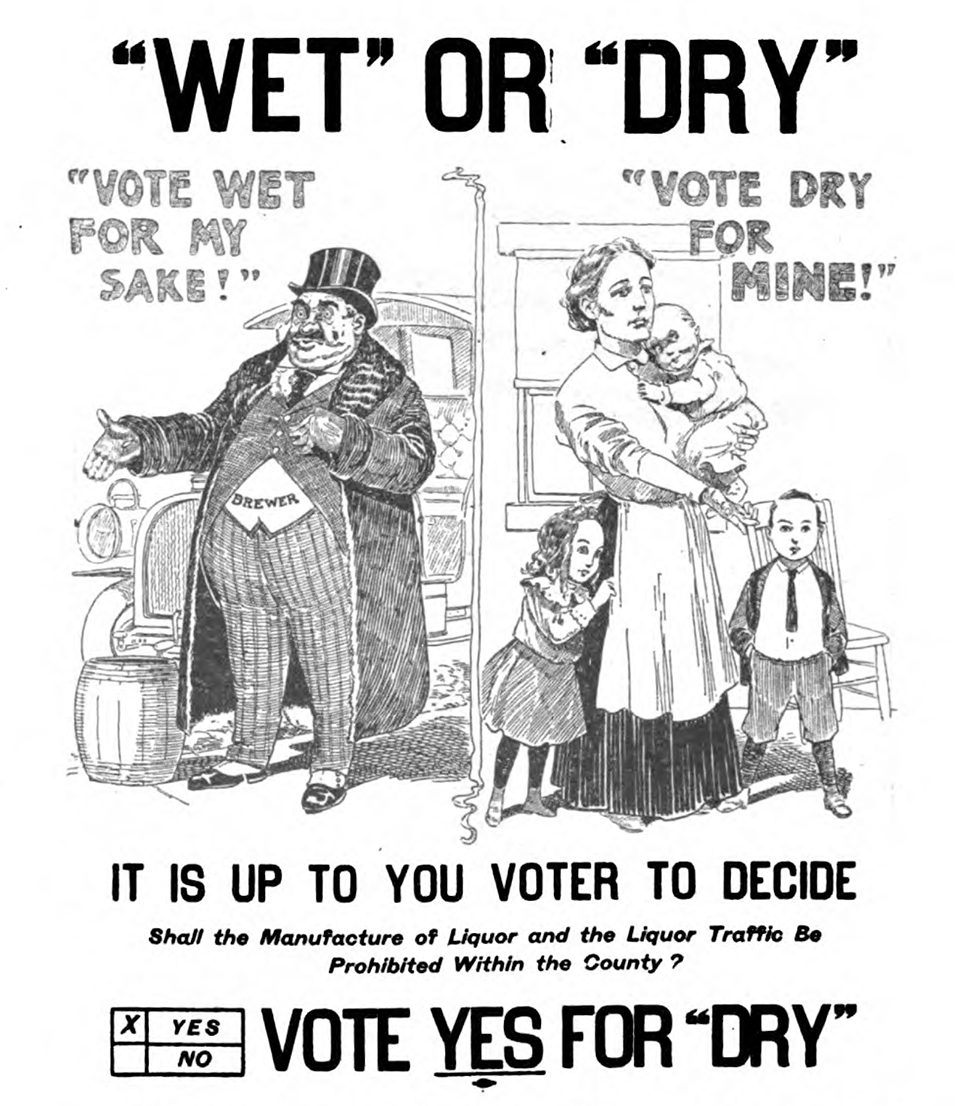
Prohibition Propaganda (1920s).
The outcome was a spectacular policy failure: drinking went underground, organised crime boomed, and respect for the law eroded. Overstated benefits and denial of reality undermined trust. Prohibition was repealed in 1933 and stands as a reminder that you cannot strong-arm consumer behaviour when the product has deep cultural roots and enduring demand.
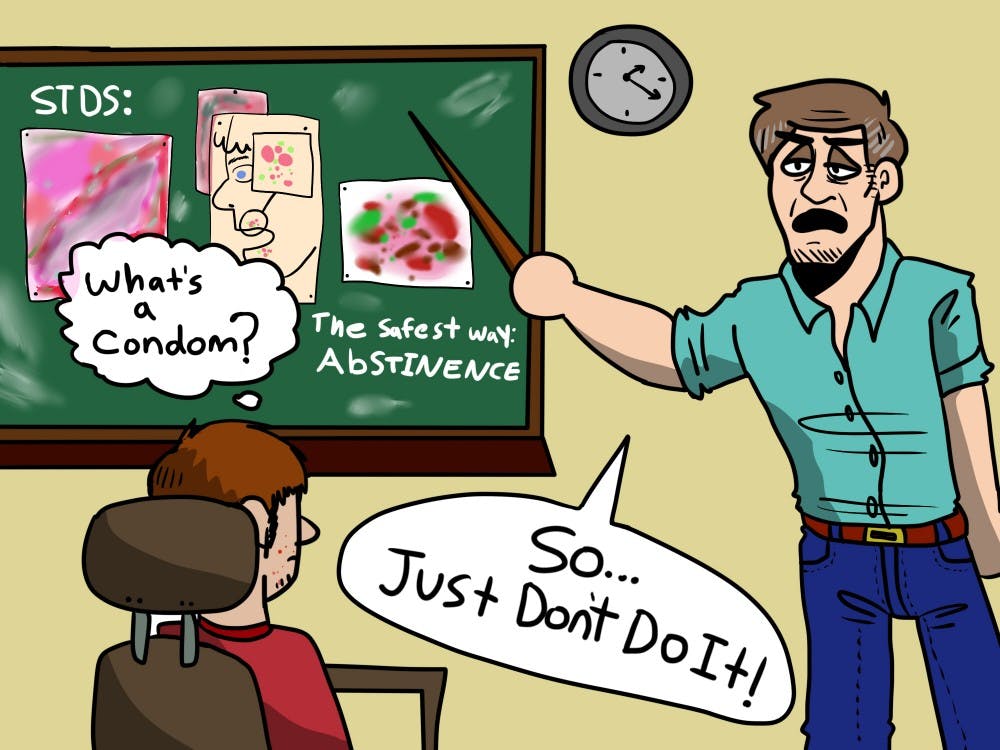
Abstinence-Only Sex Education (2000s).
Government-funded programmes promoting abstinence until marriage – while disparaging contraception – have repeatedly been shown to be ineffective.
They do not delay sexual initiation or reduce pregnancy or STI rates and sometimes correlate with worse outcomes, likely because teens lack practical knowledge. Ideological propaganda – “just say no (to sex)” – collided with human behaviour and developmental psychology, creating a credibility gap.
The pushback: comprehensive sex ed that treats teens with respect and equips them with facts.
Video Nasties (1980s UK) – Banning Media and the Streisand Effect
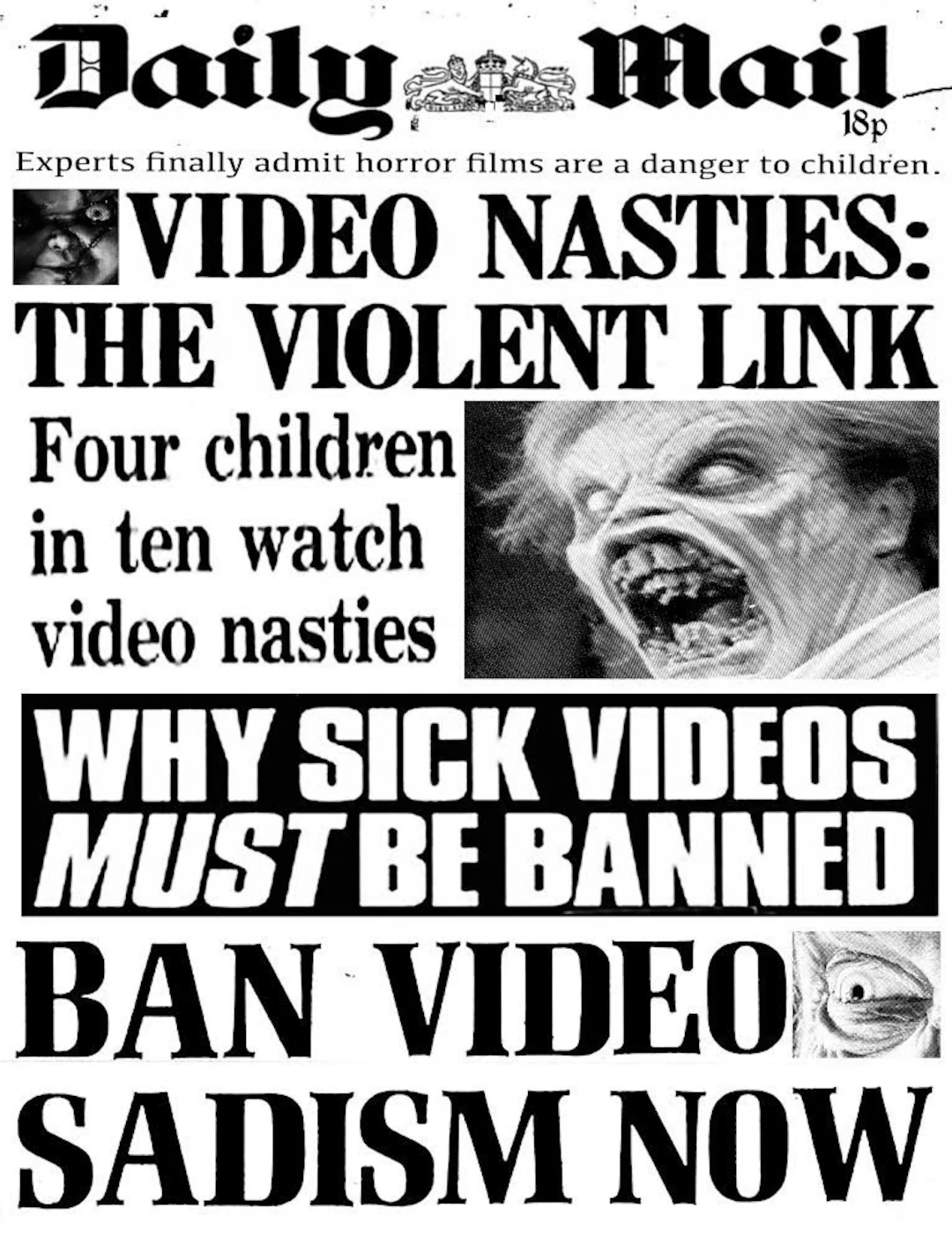
Early-1980s Britain saw VHS unlock a direct-to-home pipeline for horror and exploitation cinema, bypassing theatrical censors. Conservative campaigners and tabloids warned that ultra-violent “video nasties” were corrupting youth.
Moral panic followed: blacklists, seizures, prosecutions, and the Video Recordings Act 1984. The list of 72 “obscene” titles encompassed grindhouse fare and acclaimed horror alike. The public line was child protection and public decency; the tactic was fear to secure censorship.
Video Nasties – What could go wrong?
The crackdown won short-term battles but failed strategically. There’s no credible evidence that banning these films reduced youth violence.
Instead, censorship amplified demand.
The forbidden list became a treasure map; bootleg culture exploded. By attempting to suppress, authorities conferred mythic allure on the films – textbook Streisand Effect.
Overreach and inconsistency further eroded credibility: some films were banned on tape but fine in cinemas, equally gory titles slipped through, and rhetoric veered into the absurd.
By the late 1990s, the regime softened and many titles were released uncut. The episode now reads as technophobic, class-tinged panic that inadvertently created a cult canon.
The campaign misdiagnosed the problem, targeted the wrong enemy, and insulted audience judgement. Treating adults as incapable of discernment fuelled backlash and activism. Meanwhile, spotlighting “forbidden” content only made it more appealing.
Lessons for marketers:
-
Don’t hype what you want people to ignore. Obsession with the “other” can raise its profile.
-
Understand audience desire. Remove or restrict something and you may amplify demand.
-
Moderation beats overreaction. Calibration sustains credibility.
-
Be consistent and logical. Inconsistencies are PR cyanide.
-
Think long term. A quarter’s “win” can become a decade’s punchline.
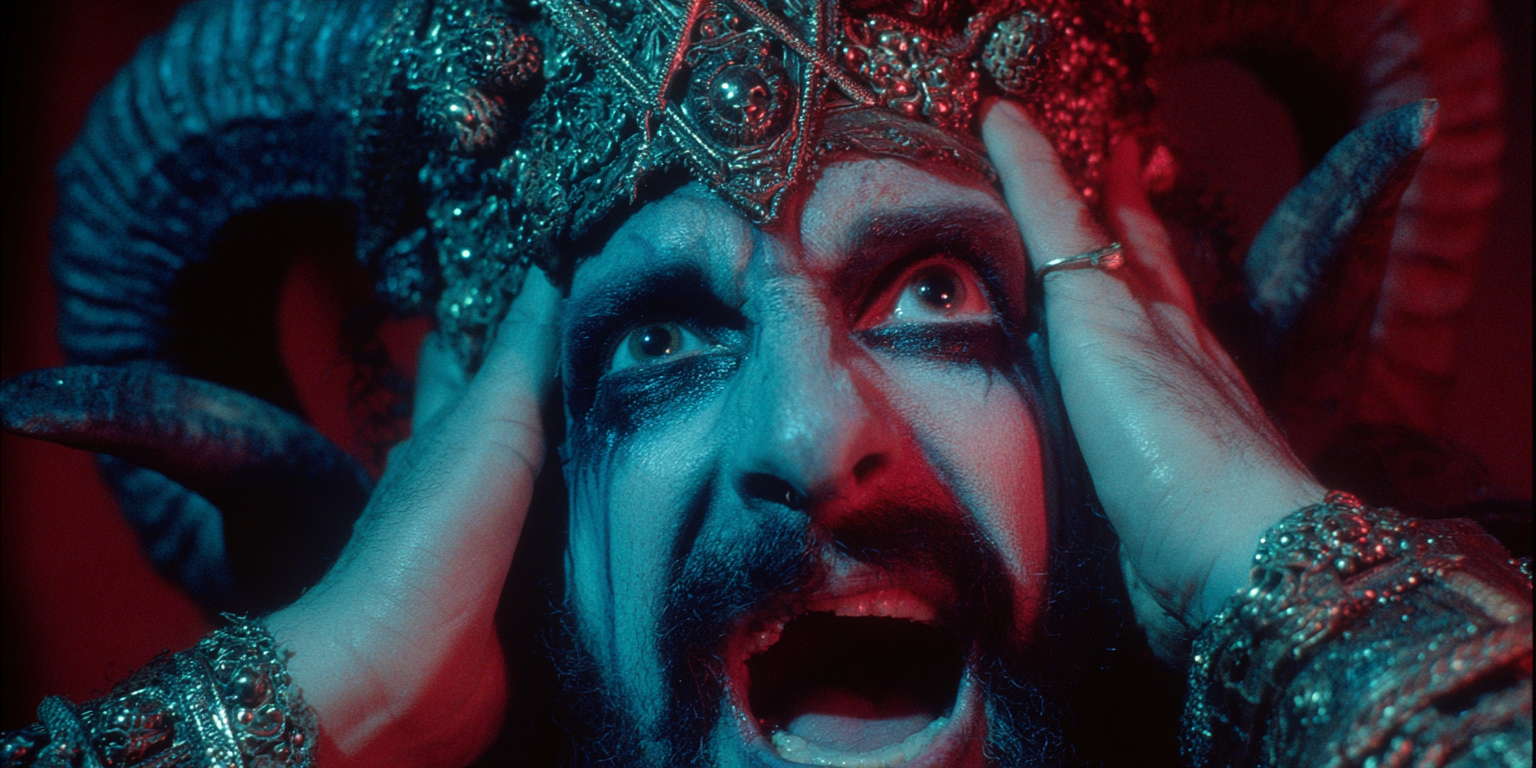
Conclusion: What Marketers Can Learn from Propaganda Gone Wrong
From reefer madness to Satanic panic, D.A.R.E. to Kony, and everything nasty in between, the consistent lesson is simple: respect the audience and the truth, or pay for it later.
Propaganda fails when it underestimates people’s intelligence (Reefer Madness, D.A.R.E.), disrespects cultural or emotional realities (Satanic Panic’s demonising of beloved culture, Kony 2012’s simplification of African crises), or operates in an evidence-free bubble (Prohibition’s utopian promises, abstinence-only’s wishful thinking).
Marketers aren’t propagandists in the sinister sense, but any campaign runs similar risks if it drifts into manipulation, exaggeration, or arrogance. Prioritise authenticity and credibility at every turn. Do your research, understand the audience’s perspective, and communicate with them rather than at them. Build trust by being honest about your product or cause – warts and all – so that when you do warn of risks or promise benefits, people believe you. Tailor messages to values and language, rather than blasting one doctrine at everyone. Keep an ear open to feedback and be ready to adjust; doubling down on a failing message is how you turn a stumble into a scandal.
Remember the power of storytelling with substance. Story without substance captures attention but squanders respect. Kony 2012 showed that a rousing arc cannot compensate for missing context or misrepresentation. Emotional appeals should be used responsibly: fear can motivate, but unfounded fear breeds ridicule or apathy; positive emotion can inspire, but forced sentimentality feels manipulative.
Balance resonance with reason.
Finally, play the long game. Propaganda failures burn bright, then crash, carrying goodwill with them. Aim to build relationships, not one-off wins that leave bitterness. Every campaign should be a chapter in a longer story of your brand or cause, one that leaves your audience feeling respected and willing to hear from you again. If you “win” by trickery or force, you win nothing in the long run.
In short: clarity, honesty, and respect are the bedrock of effective communication.
Be witty, engaging, and creative – but never at the expense of truth or trust. Markets, like societies, run on trust. Once lost, it’s devilishly hard to regain. Marketers, take heed: propaganda gone wrong is marketing made painfully clear. Learn from these failures so your campaigns don’t become cautionary tales in a textbook – or worse, punchlines in the culture at large.
TL;DR
Propaganda collapses when it sacrifices credibility, context, and respect for the audience. Reefer Madness, D.A.R.E., the Satanic Panic, Kony 2012, and the Video Nasties scare show the same pattern: exaggerated claims, fear-first tactics, cultural tone-deafness, and poor follow-through. The marketing playbook to avoid their fate: tell the truth, evidence your claims, respect subcultures, anticipate critique, calibrate emotion, segment and personalise, measure and adapt, and plan beyond the initial spike. Long-term trust beats short-term spectacle every time.