

Public Relations vs Propaganda: A Historical Perspective for Marketers
How Marketers Can Learn from History’s Greatest Persuaders – from Edward Bernays to Wartime Campaigns
Public Relations (PR) and Propaganda both revolve around influencing public opinion, but they have evolved along very different paths. For marketers, understanding the origins, evolution, and key distinctions between PR and propaganda is essential for ethical and effective communication.
This article explores how each concept emerged (from wartime posters to press releases), how they diverge in intent, transparency, ethics, and audience perception, and why the differences matter. We’ll look at historical milestones (from Edward Bernays to World War campaigns) and real-world examples – from corporate PR crises to political messaging to illuminate this complex relationship.
The Marketing Made Clear Podcast
Check out the Marketing Made Clear Podcast on all good streaming platforms including Spotify:
The Origins of Propaganda and PR
Propaganda is not a modern invention.
The term originally meant the “propagation” of ideas. One early use was in 1622, when Pope Gregory XV established the Vatican’s Congregatio de Propaganda Fide (“Congregation for Propagation of the Faith”) to spread Catholicism. At that time, the word carried no sinister connotation; it simply referred to spreading information.
Propaganda in some form has been used throughout history, from ancient rulers proclaiming their divine mandate to influence public sentiment through monuments and decrees. However, propaganda as we understand it today biased or misleading communication aimed at shaping opinions truly came into its own in the 20th century, especially during wartime.
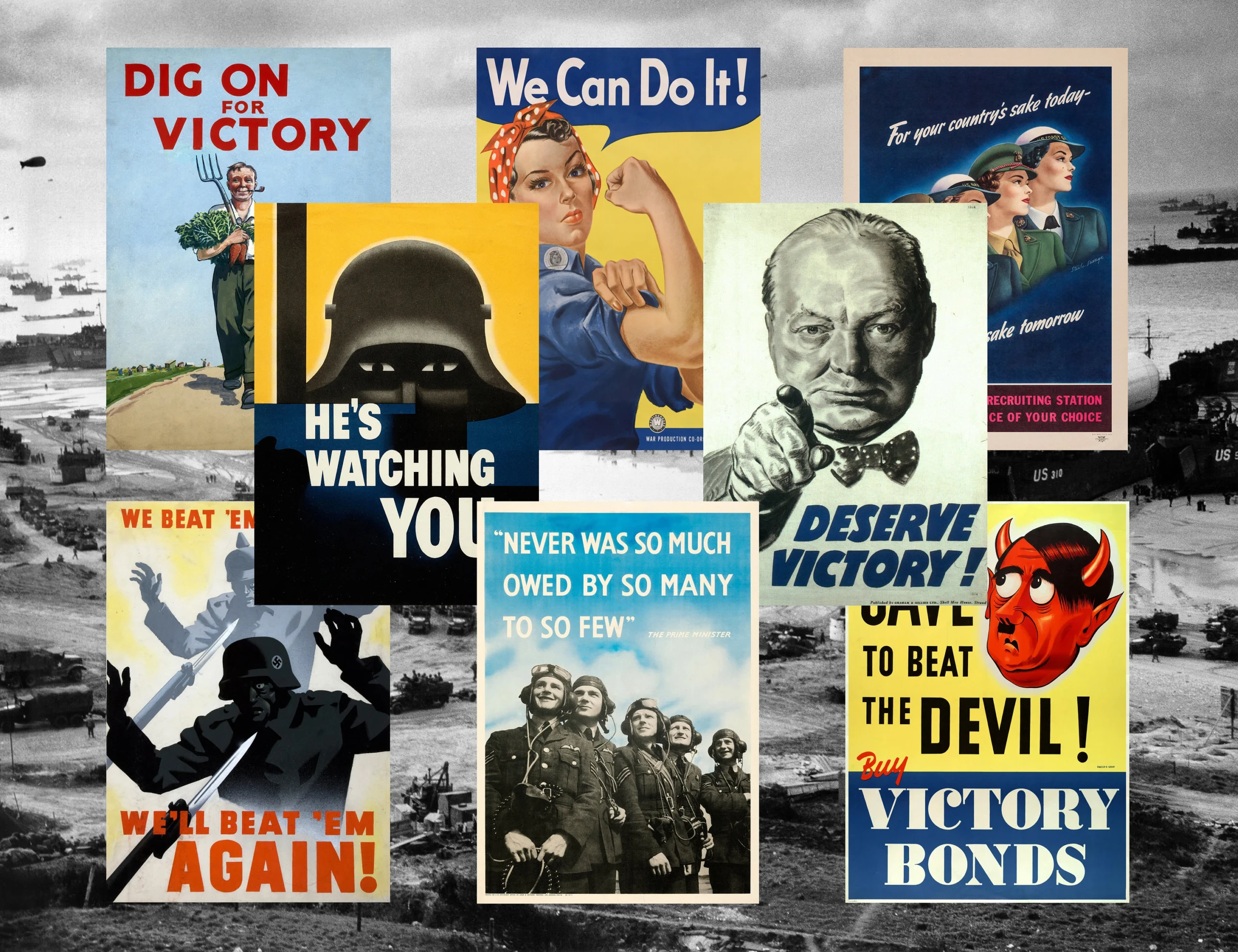
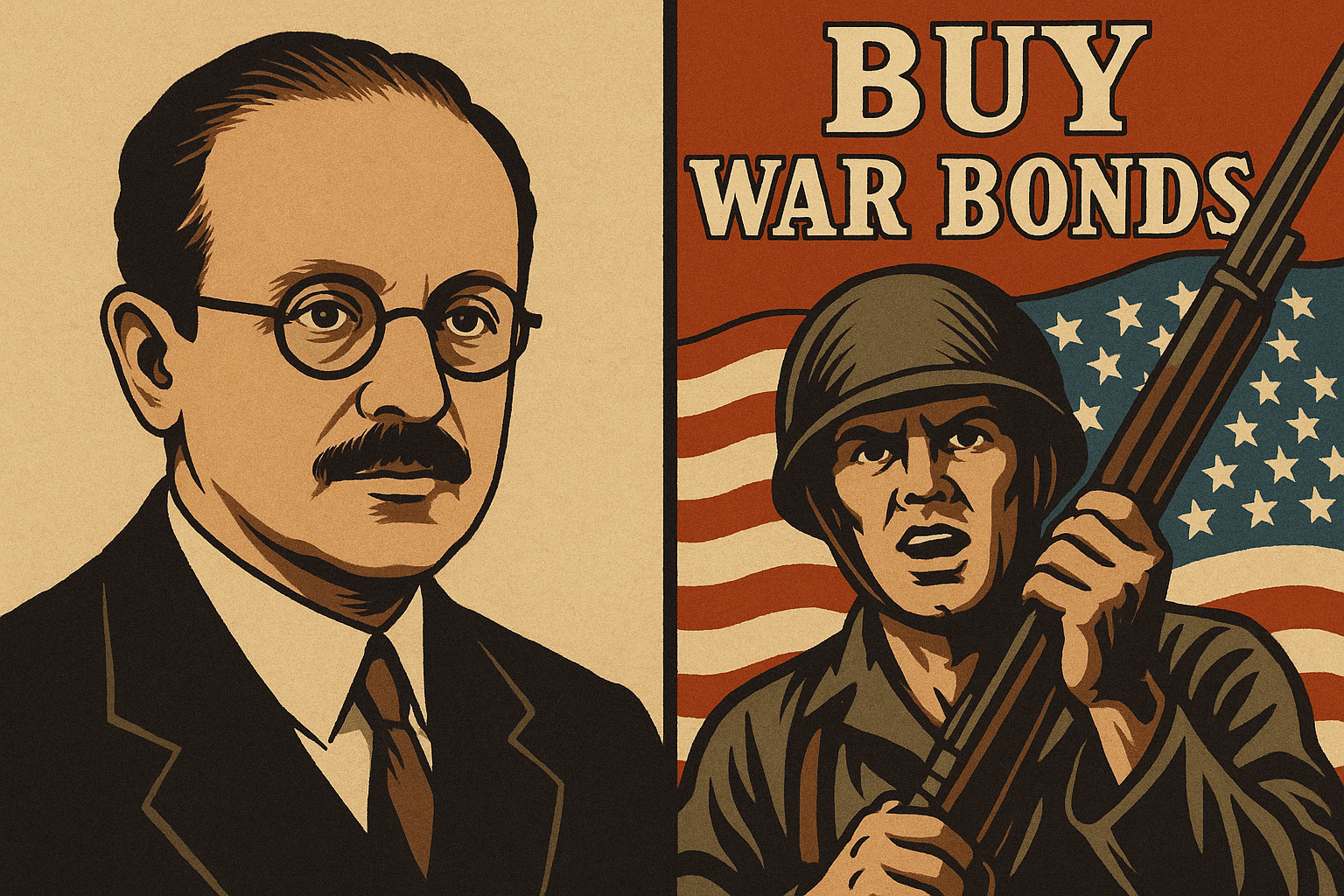
In World War I, governments pioneered mass persuasion through posters, pamphlets, and newsreels urging citizens to support the war, buy bonds, and view the enemy as monstrous. By World War II, propaganda efforts intensified across all sides, from Nazi Germany’s chillingly effective media campaigns under Joseph Goebbels to Allied posters like “Loose Lips Sink Ships” and “Rosie the Riveter.”


Out of this same period of conflict and persuasion emerged public relations as a distinct practice. The roots of PR are deeply entwined with propaganda.
During WWI, U.S. President Woodrow Wilson created the Committee on Public Information (CPI) to rally Americans to the cause of war. Led by George Creel, the CPI avoided the term “propaganda,” preferring to call its efforts “public information.” Creel described it as “a vast enterprise in salesmanship.”
When the war ended, Edward Bernays, a CPI alum and nephew of Sigmund Freud, wondered if the same techniques could work in peacetime.
Bernays realised that propaganda could be repurposed for commerce. In his 1928 book Propaganda, he argued that mass persuasion was not only possible but necessary in a democracy. To distance his work from the wartime stigma, he coined the term “public relations.” In what was arguably history’s first rebrand, propaganda was renamed PR; a friendlier label for the same toolbox of influence.
Bernays’ campaigns were legendary.
To promote bacon sales, he enlisted doctors to endorse a hearty bacon-and-eggs breakfast, effectively inventing the “American breakfast.”
To normalise women smoking, he staged the “Torches of Freedom” march, where women smoked cigarettes in the New York Easter Parade as a statement of liberation.
Both became cultural phenomena.
Bernays himself once called PR “propaganda in peacetime” a way to “order the chaos” of public opinion.
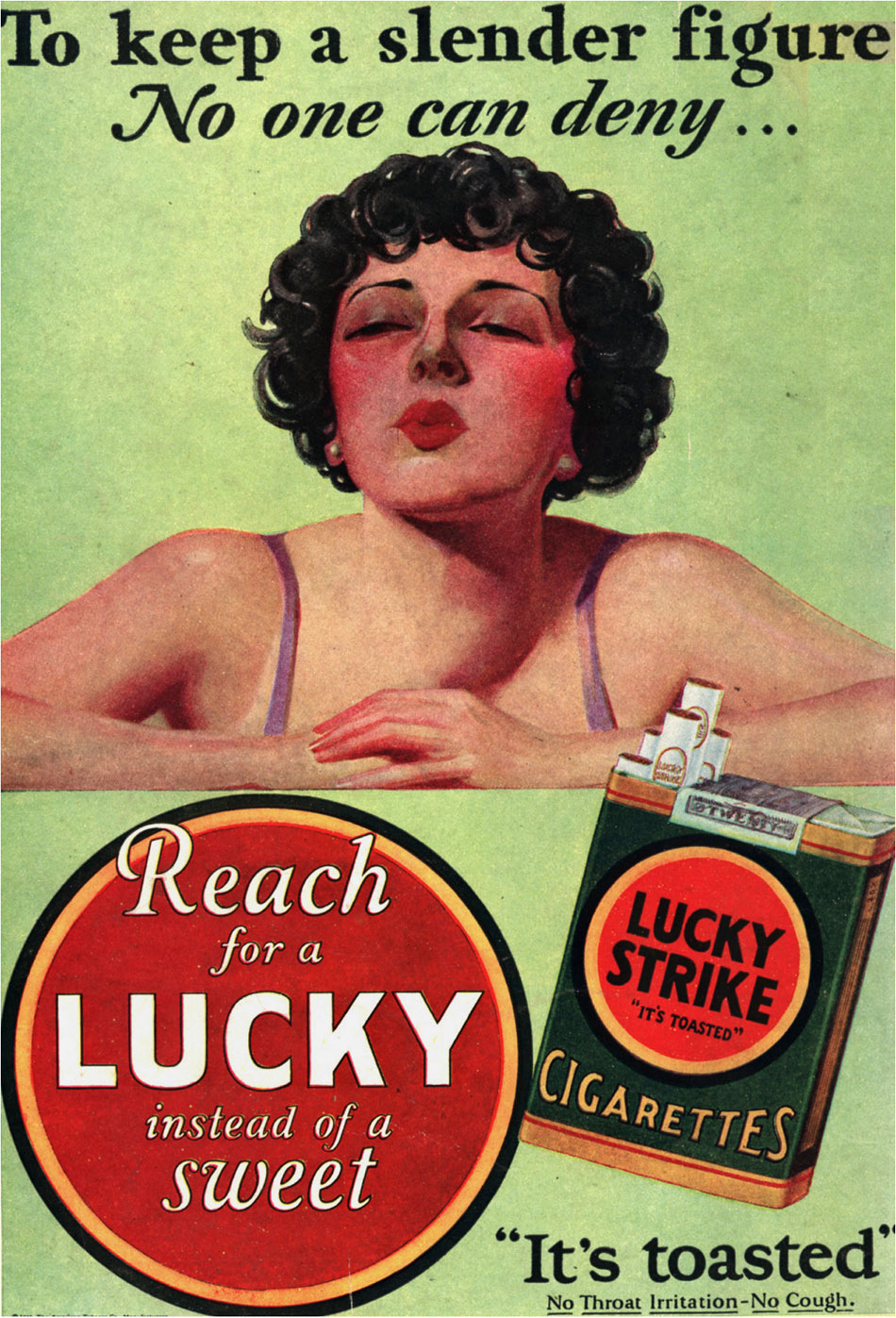
Not everyone drew a clear line between PR and propaganda, however.
Goebbels studied Bernays’ writings, proving that the same psychological tactics could sell either bacon or bigotry. The moral difference, as we’ll see, lies in intent, transparency, and ethics.
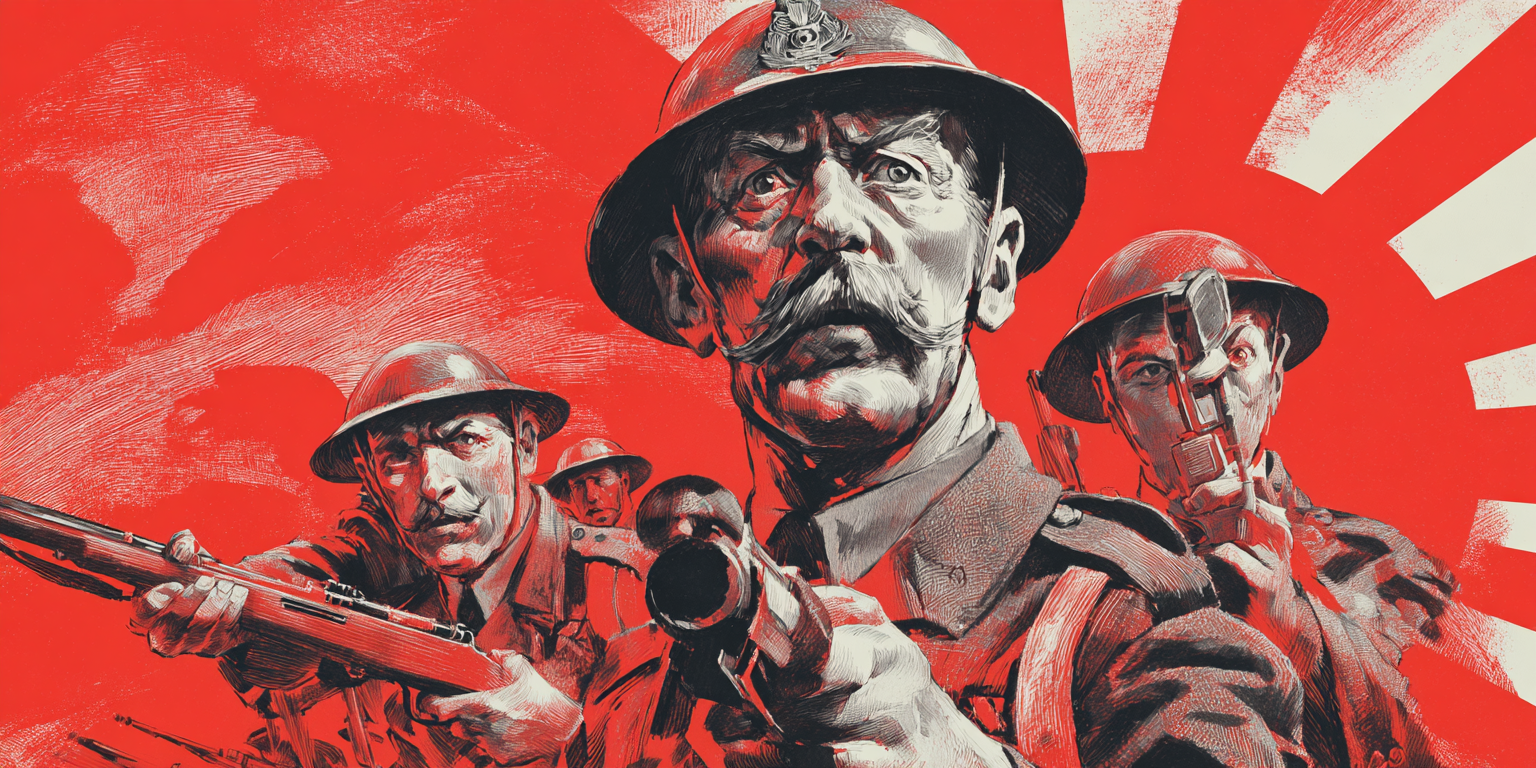
Key Differences Between PR and Propaganda
While both PR and propaganda aim to influence perception, their purpose, methods, and moral compass are entirely different. Understanding these distinctions is crucial for any communicator seeking to persuade ethically rather than manipulate.
Intent and Goals
-
Propaganda exists to serve a single agenda, often political, ideological, or self-serving. Its aim is to mould public opinion entirely in favour of its source, often with no room for debate or dissent.
-
Public Relations, by contrast, seeks to build understanding, goodwill, and reputation through dialogue. It focuses on mutual benefit, not domination, and values long-term relationships over short-term persuasion.
Transparency and Truthfulness
-
Propaganda conceals its true source or intent. It frequently uses half-truths, omissions, or outright fabrications to mislead audiences.
-
PR strives for openness. Ivy Lee, one of the earliest PR pioneers, advocated for “openly and frankly supplying news” to the press. The ethical PR practitioner discloses affiliations, corrects mistakes, and earns trust through honesty.
Ethical Standards
-
Propaganda operates on the principle that the ends justify the means. Truth is expendable if the message succeeds.
-
PR works within professional ethical frameworks such as those set by the CIPR or PRSA, which emphasise accuracy, accountability, and integrity. Ethical PR recognises that credibility is its greatest asset.
Methods and Techniques
-
Propaganda is typically one-way communication, designed to evoke emotion over reason. It leans heavily on slogans, repetition, fear appeals, and scapegoating to drive behaviour.
-
PR is fundamentally two-way communication. It informs and listens, using press releases, interviews, social media engagement, events, and dialogue to build understanding.
Audience Perception
-
Propaganda is widely seen as deceptive and coercive once it’s recognised for what it is. Audiences often feel manipulated or betrayed.
-
PR, while still persuasive by nature, is generally viewed as legitimate, professional, and transparent – provided it remains truthful and open about its motives.
Summary Table
| Aspect | Public Relations (PR) | Propaganda |
|---|---|---|
| Primary Goals | Build mutual understanding, goodwill, and reputation. | Advance a specific agenda or ideology, often at any cost. |
| Transparency | Clearly discloses source and intent. | Disguises origin, often appearing independent. |
| Truth & Accuracy | Grounded in verifiable facts; corrections made publicly. | Uses lies, half-truths, and emotional manipulation. |
| Ethical Standards | Guided by codes of conduct and accountability. | Ethics secondary to persuasion; ends justify means. |
| Audience Perception | Seen as credible and professional when ethical. | Viewed negatively; erodes trust when revealed. |
Real-World Examples
Wartime Messaging: Information or Indoctrination?
Wartime communications often blur the line between informing and indoctrinating. In World War I, Britain’s secretive Wellington House spread fabricated atrocity stories about the enemy.
The U.S. Committee on Public Information (CPI), led by George Creel, produced vast quantities of pro-war news, ads, and films, calling it “information,” though it bordered on propaganda.
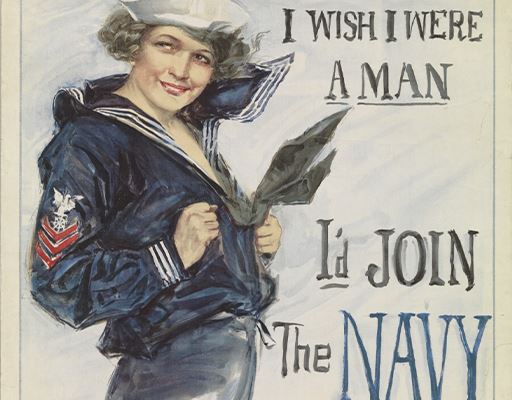
By World War II, propaganda was a perfected weapon. Nazi Germany’s Goebbels mastered manipulation, while Allied nations used patriotic PR to maintain morale. The famous “Keep Calm and Carry On” poster, originally a wartime morale message, remains a lesson in calm reassurance over fearmongering.
A later example; the Biafran War (1967–1970), otherwise known as the Nigerian Civil War showed how PR and propaganda could merge. The breakaway state of Biafra hired a Swiss PR firm, MarkPress, to publicise its plight with images of starving children. It successfully won Western sympathy but arguably prolonged the war. A humanitarian PR effort had inadvertently become emotionally manipulative propaganda.
Corporate Crises: Spinning or Speaking Truth?
In business, PR can protect or destroy trust depending on honesty.
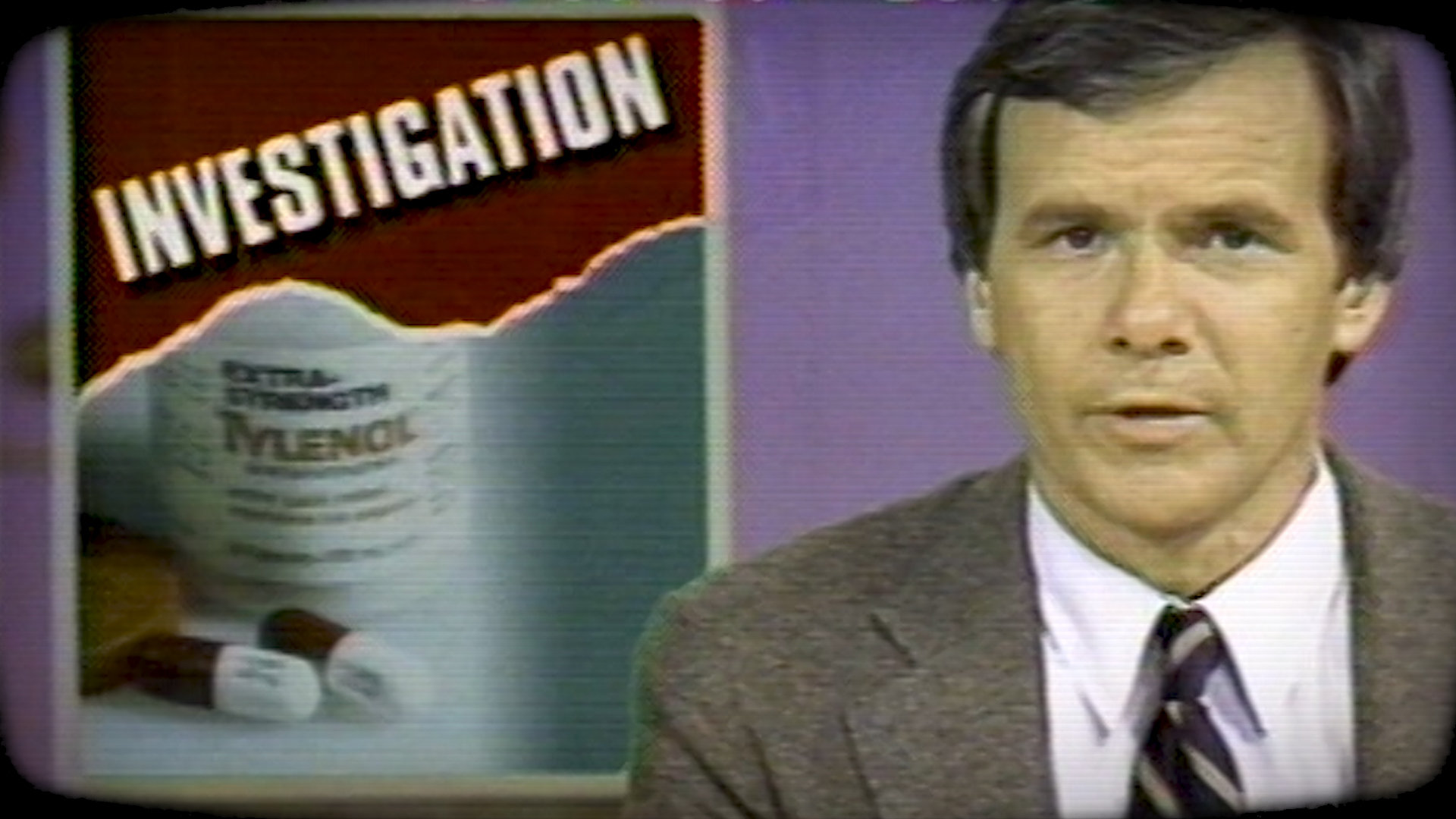
- Tylenol (1982): Johnson & Johnson recalled all products immediately after poisonings, setting the gold standard for transparent crisis PR.
-
Volkswagen (2015): When caught cheating emissions tests, VW initially denied wrongdoing – a propaganda-style lie that backfired catastrophically.
- Tobacco Industry: Decades of pseudo-science and misleading “doctor-approved” adverts were propaganda dressed as public information.
The message is clear: short-term deceit equals long-term damage. Credibility once lost is hard to regain.
Politics and Government: Public Service vs Manipulation
Governments use both PR and propaganda.
In democracies, public communication such as NHS COVID updates aims to inform. But when facts are distorted or opponents demonised, it becomes propaganda. Authoritarian states institutionalise this: China’s Propaganda Department (often renamed the “Publicity Department”) or Russia’s state-controlled media during the Ukraine conflict are modern examples of propaganda machinery in action.
By contrast, public diplomacy; like the British Council or Alliance Française represents transparent government PR abroad. When such communication becomes covert or misleading, it crosses the ethical line.
Social Movements: Grassroots PR and “People’s Propaganda”
Social movements also use persuasive storytelling.
Civil rights leaders like Martin Luther King Jr. understood how visuals could shift public sentiment; televised brutality against peaceful protesters became powerful, truthful PR for equality.
The Arab Spring (2011) showed both sides: activists used social media PR to mobilise change, while regimes countered with propaganda and disinformation.
In modern contexts, even well-intentioned causes must guard against misinformation. Authenticity, transparency, and fact-based storytelling define ethical PR.
Historical case study: Explore how commerce, reputation and influence intersected in the British and Dutch East India Companies through the lens of PR and propaganda.
Conclusion: Why the Distinction Matters
Public relations and propaganda may share the tools of persuasion, but their intent and ethics set them worlds apart.
PR is about earning trust. Propaganda is about exploiting it.
Bernays himself once said that in democracy, the public’s behaviour could be “engineered.” Yet even he knew lasting influence required truth and consent.
Ethical PR builds relationships through credibility. Propaganda burns them through coercion. And in an age of misinformation, the marketer’s job isn’t just to persuade – it’s to protect truth as a brand asset.
TL;DR
-
Propaganda and PR share historical roots but diverge in intent, transparency, and ethics.
-
PR emerged as the ethical evolution of propaganda, focusing on mutual understanding rather than manipulation.
-
From wartime posters to corporate crises, the difference lies in truth vs deceit.
-
For modern marketers, the lesson is clear: influence ethically or risk losing trust entirely.