

Why Is It Called Boxing Day? The Real History Behind Britain’s Most Misunderstood Holiday
How alms boxes, servant traditions and Victorian culture shaped the name we still use on 26 December.
If Christmas is the emotional high point of the winter season, Boxing Day is the moment Britain collectively sighs, unbuttons its trousers, and wonders whether eating cold roast potatoes straight from the fridge constitutes a personality flaw. Today, it’s a blend of family time, football, and increasingly aggressive retail promotions.
But where on earth does the slightly odd name Boxing Day actually come from?
Marketers love a good origin story – it helps us make sense of why traditions become cultural norms. And like all the best origin stories, Boxing Day doesn’t have one single beginning. It has three. And they all say something interesting about how societies communicate values, reward loyalty, and repurpose ritual for commercial ends.
Let’s unpack it.
The Marketing Made Clear Podcast
This article features content from the Marketing Made Clear podcast. You can listen along to this episode on Spotify:
The First Origin Story: The Church Alms Box
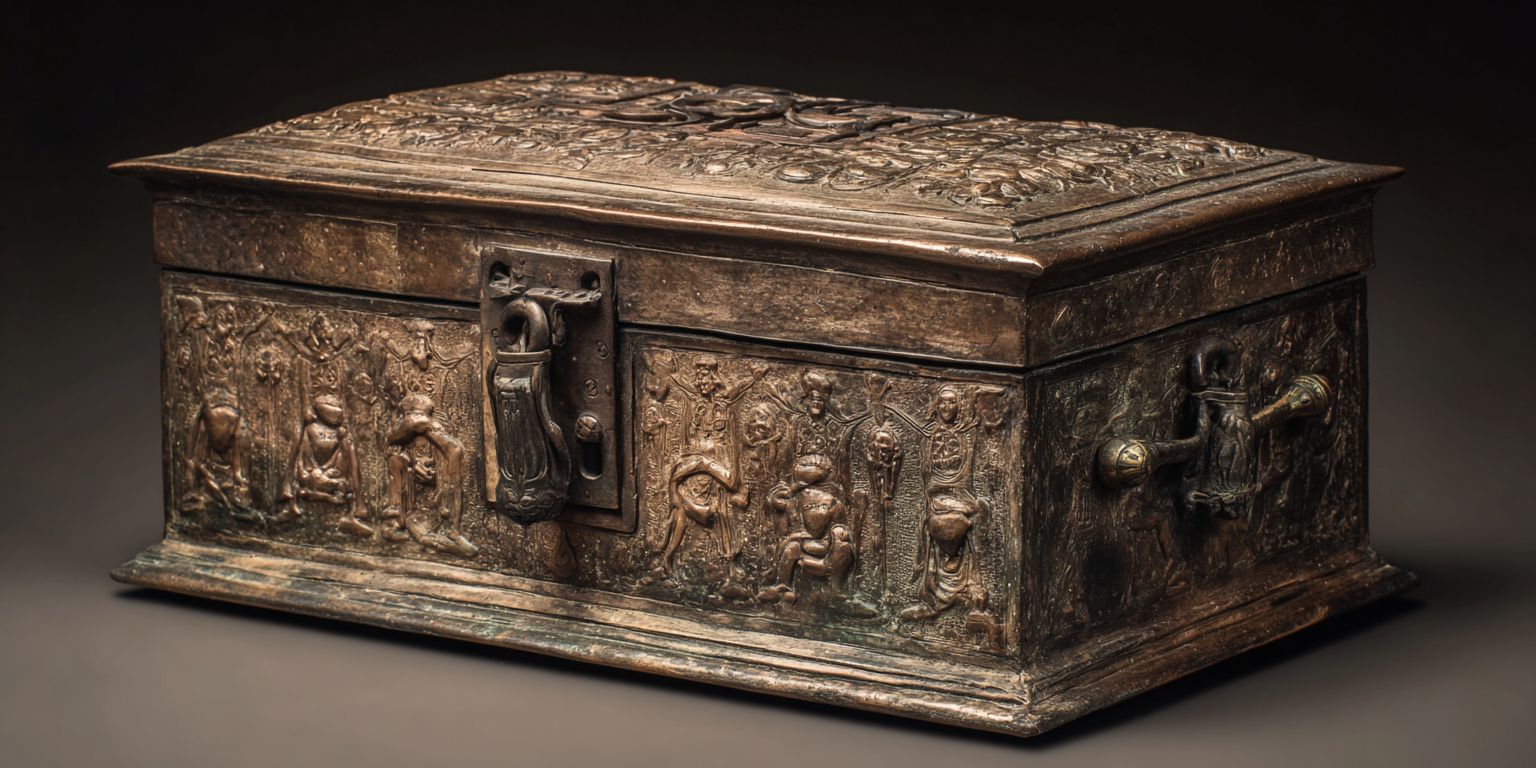
For centuries, churches across Britain and parts of Europe kept alms boxes (sometimes even called “poor boxes”); secure chests where parishioners donated money to help the poor. These boxes were traditionally opened on 26 December, the Feast of St Stephen. It was a day associated with Christian charity, generosity and giving to those with less.
The logic was simple:
-
Christmas Day celebrated the birth of Christ.
-
St Stephen’s Day focused on caring for the vulnerable, echoing Stephen’s role as one of the first Christian deacons caring for the poor.
-
The money collected in the church’s “box” was distributed to local families in need.
Hence: “Boxing Day” – literally, the day the boxes were opened.
From a marketing perspective, this is an early example of institutionalised storytelling. The act had symbolism, ritual, emotional resonance – all the ingredients of behavioural reinforcement centuries before Kotler or behavioural economics entered the chat.

The Second Origin Story: Servants’ Boxes and the Day Off
In the domestic world of the 17th to 19th centuries, the gentry and upper-middle classes celebrated Christmas on the 25th served by their household staff. Servants didn’t get the day off – they were too busy organising family feasts, dressing dining rooms, and ensuring everything ran like a well-oiled machine.
But on 26 December, servants received:
-
A rare day free
-
A “Christmas Box” from their employers
-
Small gifts, tips or leftover food
These boxes acted as a form of gratitude – and, depending on your reading, a charming tradition or a guilt-soothing gesture to the workforce propping up the Victorian festive ideal.
If you’re interested in marketing psychology, this one is particularly fun. It’s basically an early example of employee experience, brand culture and incentive schemes – before HR existed as a department.
A tangible reward, wrapped in symbolism, reinforcing loyalty. A sort of proto-John Lewis staff bonus, albeit with fewer soft-focus adverts.

The Third Origin Story: Tradespeople and the ‘Christmas Box’
From postmen to apprentices to the butcher who kept you in sausages all year, tradespeople also received a “Christmas Box” from customers. This acted as a thank you for reliable service throughout the year.
By the 18th century, this custom was so well-entrenched that Samuel Pepys, Jane Austen, and various diarists complain about how many requests for “boxes” they received.
Again, the marketing takeaway is that ritualised gratitude creates loyalty. In today’s language: retention strategy. Back then: handing the milkman half a crown and hoping he continued delivering without judging how much cheese you consumed in December.
So Which Explanation Is Correct?
All three. “Boxing Day” appears to have evolved from:
-
Church alms boxes
-
Servants’ gift boxes
-
Tradespeople’s year-end boxes
They overlap, influence one another, and collectively shaped the name we still use. The term itself became mainstream in the 1800s, coinciding with the rise of Victorian Christmas traditions popularised by Charles Dickens and early mass-produced greetings cards.
There is no evidence whatsoever that Boxing Day refers to boxing the sport – although every year someone’s uncle insists otherwise over leftover turkey sandwiches.
How Boxing Day Became a Retail Juggernaut
Here’s where it gets properly relevant to marketers.
Retailers in the 20th century saw Boxing Day as a perfect storm:
-
People were off work
-
They had gift money to spend
-
Stock needed clearing before January
-
Footfall was reliably high
Cue: the Boxing Day Sales. Once a modest clearance event, it’s now a multi-million-pound battleground where brands fight for attention with increasingly early and increasingly loud promotions.
In marketing terms, Boxing Day has:
-
Shifted from charity to consumption
-
Moved from church ritual to commercial ritual
-
Developed into one of the three major UK retail events (alongside Black Friday and the January sales)
Sociologically, that’s fascinating. A day that started with giving to the poor now drives queues outside Currys at 5am for discounted air fryers. If Veblen were alive today, he’d have a field day.
Why This Matters for Marketers
Understanding Boxing Day’s origins helps us see how traditions evolve – and why people connect to them emotionally.
It shows:
-
Rituals survive by adapting
-
Economic incentives reshape cultural meaning
-
Traditions stick when they offer value, identity or narrative
For marketers, it’s a reminder that:
-
Cultural meaning isn’t fixed
-
Commercialisation is a powerful force
-
People love participating in shared rituals, even if they have no idea where those rituals come from
Boxing Day is one of the clearest examples of what happens when culture, religion, labour, and commerce blend over centuries into something recognisable but not fully understood.
Which, let’s be honest, describes half the British calendar.
TL;DR
Boxing Day gets its name from three older traditions that converged:
-
Churches opened their alms boxes on 26 December to give money to the poor
-
Wealthier households gave servants a “Christmas Box” and a rare day off
-
Tradespeople received year-end “boxes” as tips
By the Victorian era, these customs fused into the term “Boxing Day”. Today, its meaning has shifted towards shopping, sport and leftovers, but the legacy of generosity and gratitude still sits quietly in the background – beneath the stampede to buy discounted televisions.