

Whispers, Wiggles and Wobbly Puddings
ASMR in Marketing and the Rise of Food Porn
There’s a good chance you’ve seen an M&S advert where a spoon slowly cuts through a gooey chocolate pudding, releasing a gentle trickle of molten sauce to a background of sultry whispers. If you’ve ever watched that with a raised eyebrow and an empty stomach, congratulations – you’ve experienced ASMR marketing. Or, as M&S arguably helped coin it: food porn.
So how did we get here – from functional food ads to slow-motion shots of balsamic glaze being drizzled over figs, accompanied by sound design that’s borderline erotic? Let’s explore the fascinating, wobbly, and ever-so-slightly unhinged world of ASMR in marketing.
The Marketing Made Clear Podcast
Check out the Marketing Made Clear Podcast on all good streaming platforms including Spotify:
What is ASMR (and Why Are Marketers Obsessed With It)?
ASMR stands for Autonomous Sensory Meridian Response. It describes the tingly, soothing sensation people get from certain sounds – whispering, tapping, crunching, or anything that triggers a calming physiological response. Think of it as a brain massage delivered through your ears.
The term first appeared online around 2010, coined in internet forums as people tried to explain those strange, pleasant chills they got from specific sounds. By the mid-2010s, YouTube was swimming in ASMR content – with creators quietly unboxing gadgets, chewing pickles, or brushing microphones.
Marketers, of course, were listening. And by listening, we mean really listening – usually with high-end headphones and a mission to turn tingles into conversions.
Marks & Spencer: The Original Food Pornographers
Long before ASMR became a YouTube category, M&S were at it.
In 2004, they launched the now-iconic “This is not just food…” campaign. With velvety voiceovers, slow-motion footage, and close-ups of textures, M&S seduced a nation one pudding at a time. This wasn’t advertising. This was Michelin-level foreplay.
Suddenly, people weren’t just watching food being served – they were watching it being undressed.
That campaign didn’t just make sales rise like a soufflé; it also helped usher in the phrase “food porn”. Originally coined by feminist critic Rosalind Coward in the 1980s to critique the stylisation of food in media, the term was reclaimed by the public and marketing industry alike. It now simply means overly stylised, visually indulgent food imagery designed to stimulate desire (and often, hunger).
By the time M&S brought in Dervla Kirwan to whisper sweet nothings like “succulent, oak-smoked salmon”, it was game over. British food marketing had gone full Fifty Shades of Gravy.
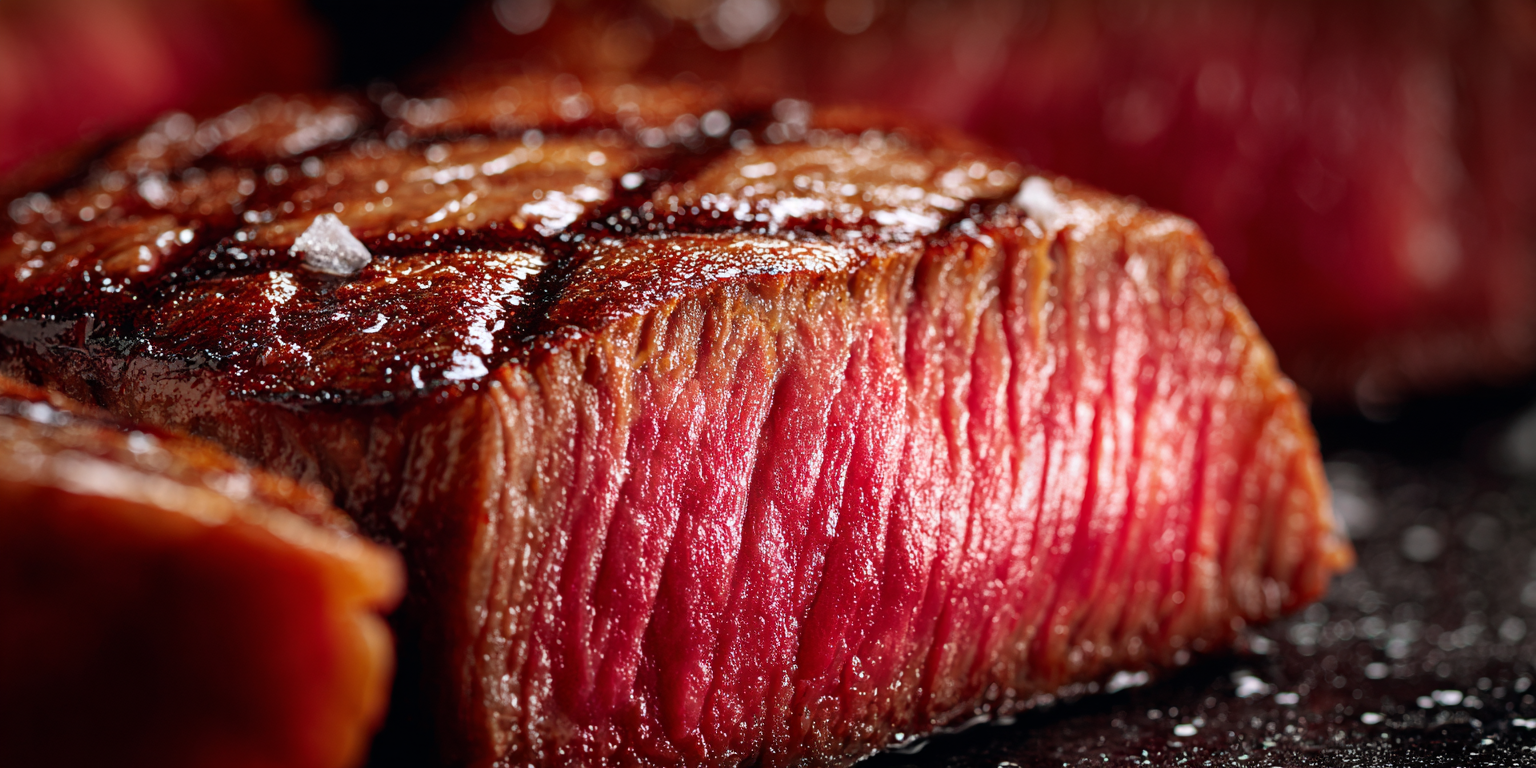
Why ASMR and Food Porn Work So Well in Advertising
Both ASMR and food porn play on sensory immersion. Where traditional ads focus on messaging, these techniques focus on feelings. They bypass your logic centre and go straight to your stomach, your ears, or whatever primal part of you responds to the words drizzled, oozing, or succulent.
This sensory overload makes us:
-
Pay attention (our brains love novelty and detail)
-
Feel pleasure (which we associate with the brand)
-
Take action (hungry people are impulsive people)
ASMR techniques also slow down the pace of an ad, creating a feeling of calm intimacy in a chaotic media environment. And it works beyond food, too – from beauty to beverages.
Let’s look at some other brands who’ve leaned into the tingles…

5 Brands That Nailed ASMR or Food Porn Marketing
1. Michelob ULTRA Pure Gold – Super Bowl 2018
Coca Cola’s ads have long included fizzing, pouring, and ice clinking. But the Michelob ULTRA Pure Gold 2018 Super Bowl ASMR ad featuring actress Zoë Kravitz took things up a notch. Whispered narration, tropical scenery, and crisp bottle-opening sounds made it feel more like a spa day than a soft drink spot.
ASMR effect: High. You could practically feel the condensation through the screen.

2. KFC – Finger Lickin’… Whispers?
In 2020, KFC teamed up with YouTube ASMR creators to produce videos of people crunching fried chicken, whispering the 11 herbs and spices, and tapping on buckets. It was weird. It was brilliant. It was very KFC.
ASMR effect: Greasy but genius. Not for the faint-hearted.
3. Lurpak – Cooking as Cinematic Art
Lurpak doesn’t do traditional ASMR, but its ads are all about sensory overload. From the sizzling of butter to the pop of a vegetable being sliced, their “We Are the Makers” campaign celebrated the sound and rhythm of cooking in lush, high-definition audio.
ASMR effect: Subtle, but powerful. You’ll never stir risotto the same way again.

4. Magnum – Chocolate Cracks Heard ‘Round the World
Magnum knows what they’re doing. Their ads linger on the crack of chocolate coating, the melt of ice cream, and the drip of sauce. It’s food porn with a side of sound design.
ASMR effect: Top tier. You can hear the calories.
5. Lidl – Taste the Sound
Lidl released an ASMR campaign in 2019 featuring real customers reacting to their products, combined with crunches, slurps, and sizzling sounds. It brought a budget supermarket into the premium sensory space. Clever stuff.
ASMR effect: Surprisingly good. Proof that tingles don’t have to be pricey.

The Risk of Overindulgence
Of course, ASMR and food porn marketing come with risks.
-
Sensory fatigue – If every ad is a slow-mo syrup pour, audiences tune out.
-
Style over substance – Glossy visuals can’t make up for a poor product.
-
Mockery – When taken too far, ASMR ads risk being unintentionally hilarious. (We’re looking at you, KFC Whispering Colonel.)
But when done right – when the sound, visuals and product align – ASMR can make your brand unforgettable. And very shareable.
So, Is This Just a Fad?
Not quite. ASMR and food porn are tools in a marketer’s arsenal – not one-size-fits-all solutions, but powerful when used sparingly and with precision.
In a world where most ads scream, ASMR dares to whisper. And people lean in to listen.
As for M&S – they’re still at it. Their food ads continue to push the sensory envelope. And we, the public, still lap it up. With a silver spoon. Very slowly. Over string music.
TL;DR
-
ASMR (Autonomous Sensory Meridian Response) is the brain-tingling feeling triggered by specific sounds – now used widely in advertising for emotional engagement.
-
Marks & Spencer pioneered ASMR-style food ads in the 2000s, helping popularise the term “food porn” with their sultry, slow-mo campaigns.
-
Brands like Coca-Cola, KFC, Lurpak, Magnum and Lidl have all incorporated ASMR or food porn techniques in their ads.
-
These sensory-driven tactics work because they tap into desire, pleasure, and primal response – but can backfire if overused or poorly executed.
-
ASMR in marketing isn’t a fad – it’s a high-impact, low-decibel way to make your brand feel intimate, premium, and memorable.