

Remembering David Ogilvy
The Man Who Made Advertising Matter
David Ogilvy wasn’t just an ad man – he was the ad man.
Born in 1911, Ogilvy passed away on 21st July 1999 (26 years ago today), Ogilvy left behind a legacy that continues to shape the way marketers think, write, and communicate. Whether you know him as the founder of one of the most influential advertising agencies of the 20th century or the author of Confessions of an Advertising Man, Ogilvy’s approach remains essential reading for anyone who’s ever wrestled with a brief, pitched to a client, or tried to sell something with words.
As we remember him today, let’s revisit his life, his approach, and why, 25 years after his death, Ogilvy still matters.
The Marketing Made Clear Podcast
Check out the Marketing Made Clear Podcast on all good streaming platforms including Spotify:
A Brief Biography: From Aga Cookers to Global Influence
David Ogilvy was born in West Horsley, Surrey, and after a slightly chaotic academic career (he won a scholarship to Oxford but didn’t graduate), he moved through a curious mix of roles – from a door-to-door Aga salesman to working in the kitchens of the Hotel Majestic in Paris, then as a researcher for George Gallup’s Audience Research Institute in the US.
It wasn’t until 1948, aged 37, that he founded Hewitt, Ogilvy, Benson & Mather (later Ogilvy & Mather) in New York. He entered advertising late – and without much experience – but what he did have was a razor-sharp intellect, a belief in research, and an obsession with results.
Within a few decades, he’d be known as “the father of advertising,” steering the creative direction of campaigns for Rolls-Royce, Hathaway shirts, Dove, Schweppes, and Shell. He famously admired Claude Hopkins and applied the same rigorous discipline to copywriting – but made it stylish, elegant, and driven by insight.
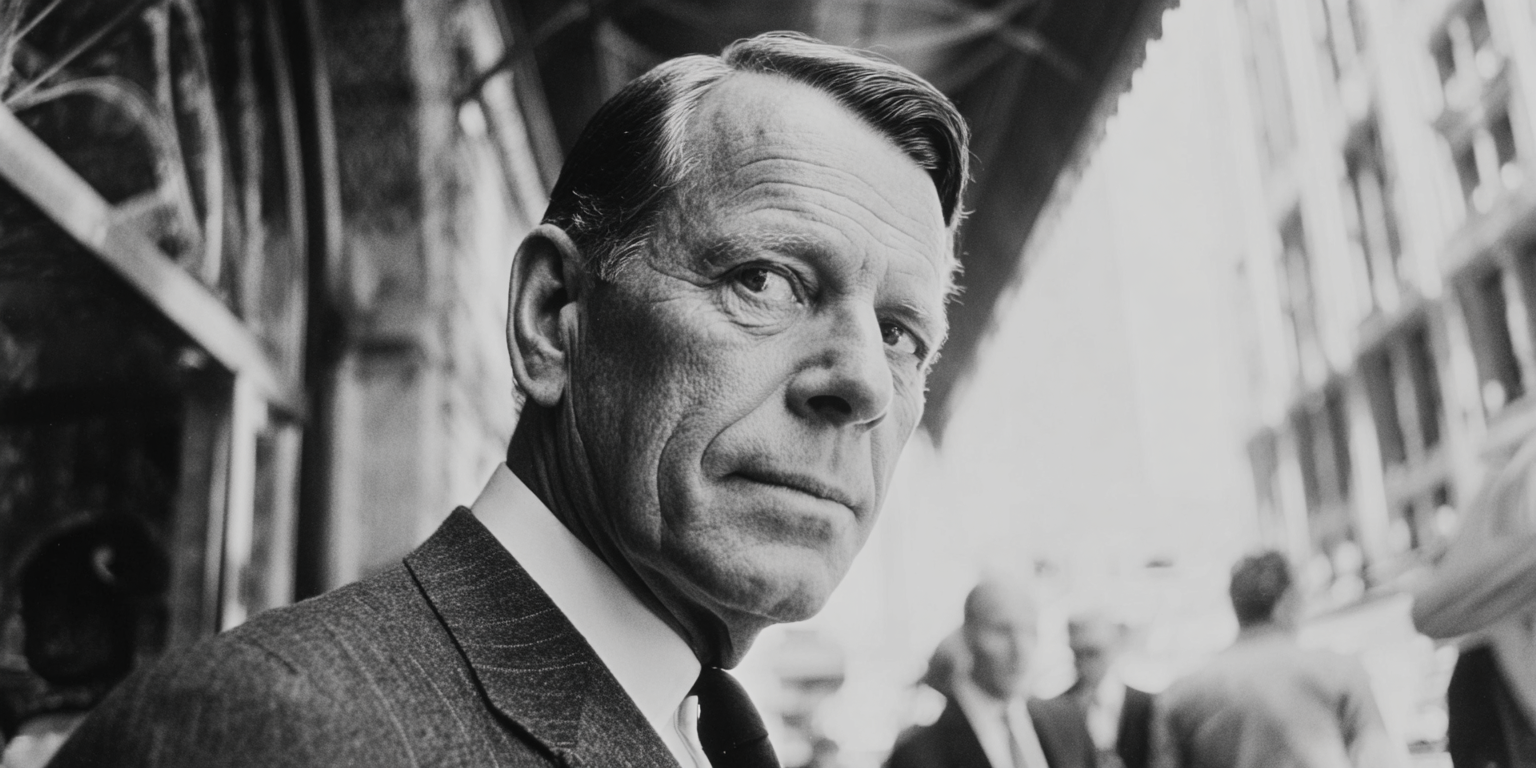
Ogilvy’s Advertising Philosophy in a Nutshell
If Ogilvy were around today, he wouldn’t be faffing about with engagement metrics or virality-for-virality’s sake. His mantra was clear: “We sell, or else.” He brought order and structure to an industry often characterised by chaos and guesswork. Here are the principles that still hold water today:
1. Know your audience better than they know themselves
Ogilvy was obsessive about research. He believed that understanding the consumer was the foundation of effective communication – not creativity for creativity’s sake.
“Advertising people who ignore research are as dangerous as generals who ignore decodes of enemy signals.”
He demanded data. Not to smother creativity, but to give it direction. He viewed advertising not as an art, but as a means of connecting deeply with human motivation.
2. Don’t be boring – but don’t be clever for the sake of it
Despite his intellectual air (he once said the best copywriters had “the patience of a monk and the guts of a burglar”), Ogilvy warned against writing for your peers instead of your customers. Being witty was fine – but clarity, persuasion, and simplicity came first.
He championed the long copy style, demonstrating that people will read ads if they’re well written and relevant.
“The consumer isn’t a moron, she’s your wife.”
It’s a phrase that now sounds dated, but the intent still resonates: respect your audience, don’t patronise them, and communicate with dignity.
3. Headlines matter more than you think
Ogilvy often quoted research suggesting that five times as many people read the headline as the body copy. As a result, he put enormous weight on headline writing, often testing dozens of variations.
“When you have written your headline, you have spent eighty cents out of your dollar.”
It’s advice that every SEO copywriter, social media manager, and paid ads specialist should tattoo on their palm.
Campaigns That Changed the Game
Let’s take a look at a few legendary campaigns that carried Ogilvy’s fingerprints.
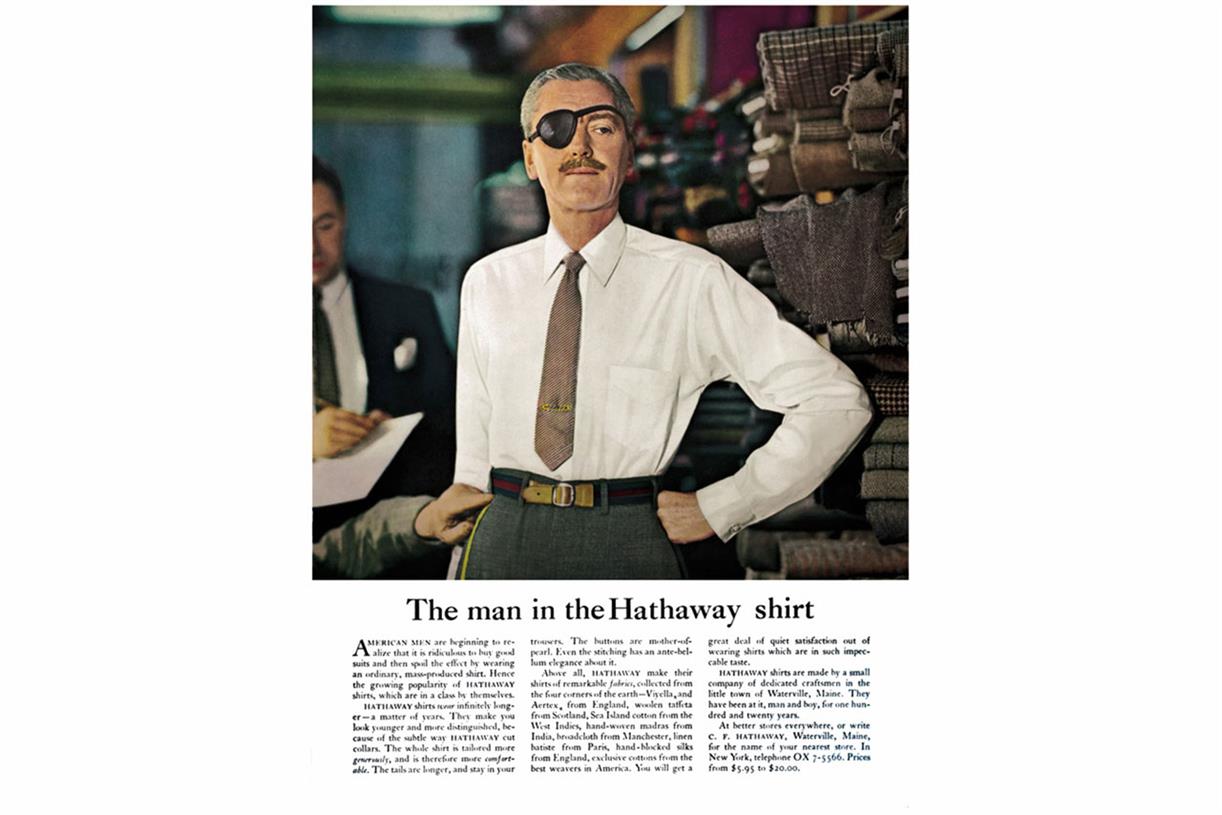
The Man in the Hathaway Shirt
One of Ogilvy’s most iconic creations, this ad featured a distinguished man wearing an eye patch.
Why?
Because Ogilvy understood that the unusual – the unexpected – grabs attention. The ad made a fairly average shirt brand famous almost overnight. And all because of a detail that made readers stop and think: Why the eye patch?
It was disruptive thinking decades before “disruption” became a buzzword.
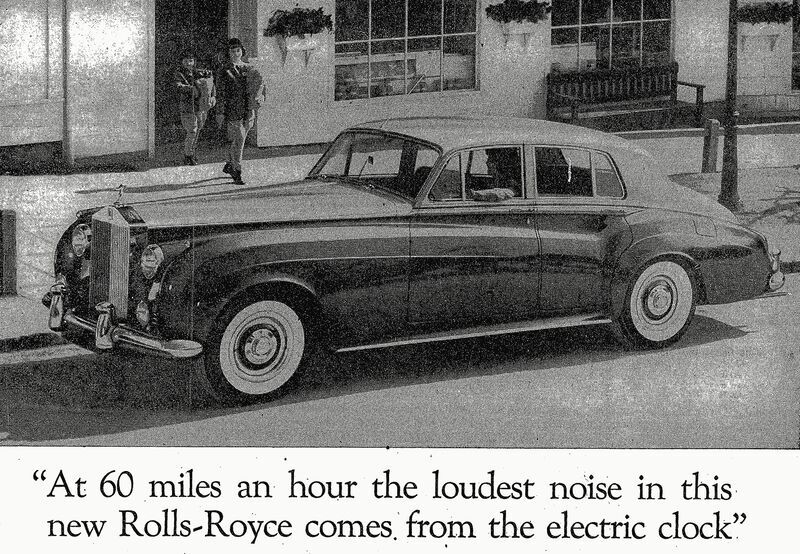
Rolls-Royce: “At 60 miles an hour…”
“At 60 miles an hour, the loudest noise in this new Rolls-Royce comes from the electric clock.”
This line is the stuff of legend. Ogilvy borrowed the insight from a Rolls-Royce engineer’s technical memo. It’s a masterclass in benefit-led, detail-driven copy that sells the idea of quiet luxury without ever saying quiet luxury.
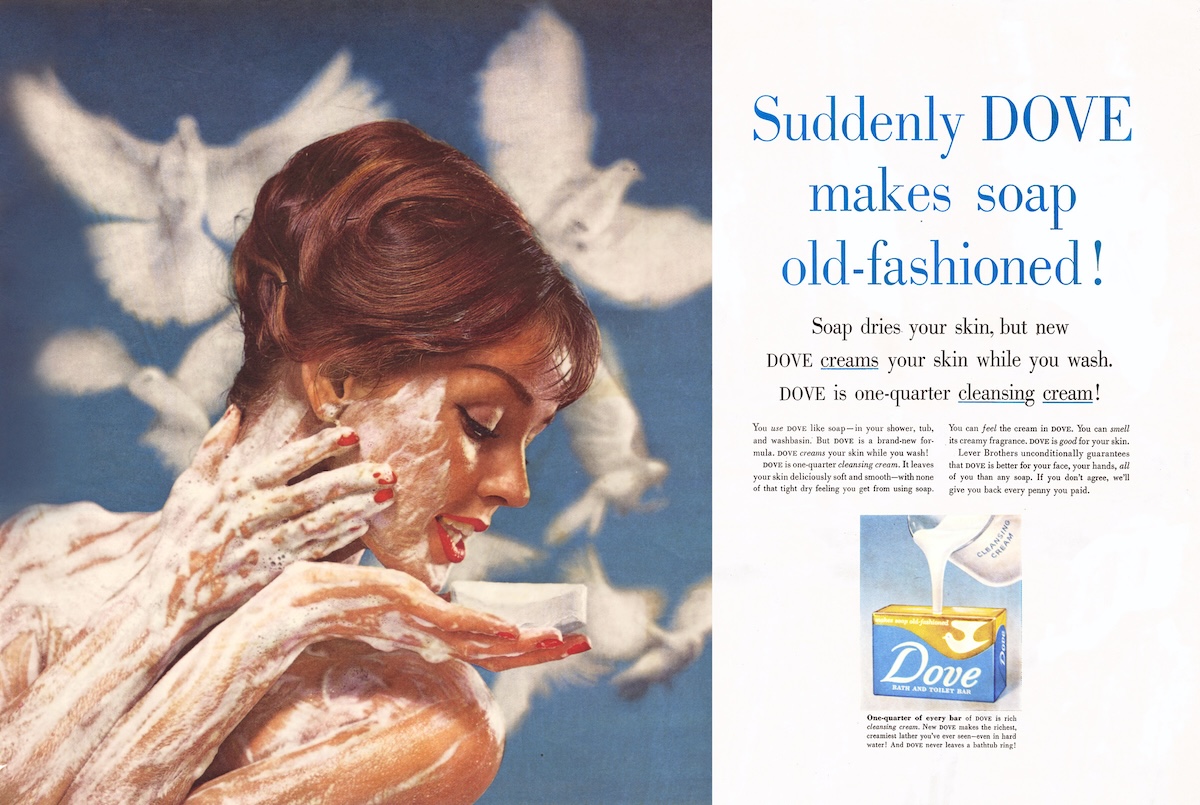
Dove: “Only Dove is one-quarter moisturising cream”
Ogilvy helped position Dove not as just another soap, but as a skincare product. This was early brand purpose at work – before it became corporate jargon. He understood that selling wasn’t just about pushing a product. It was about positioning it.
Dove: “Only Dove is one-quarter moisturising cream”
Ogilvy helped position Dove not as just another soap, but as a skincare product. This was early brand purpose at work – before it became corporate jargon. He understood that selling wasn’t just about pushing a product. It was about positioning it.
Ogilvy’s Lasting Legacy
So, why does Ogilvy still matter in the age of TikTok trends, AI-generated content, and omnichannel noise?
Because marketing has changed – but human psychology hasn’t.
We’re still motivated by the same desires: trust, clarity, simplicity, belonging. Ogilvy understood this better than most. His writing was simple, yet smart. His strategies were grounded in data, yet emotionally attuned. He wasn’t afraid to be blunt – even with clients – but his bluntness came from a place of deep belief in the craft.
He was also one of the first to articulate the idea that brand image matters – and that every communication either builds it up or tears it down.
“Every advertisement is part of the long-term investment in the personality of the brand.”
This idea has become gospel for brand strategists, marketers, and CMOs everywhere.
The Ogilvyisms Marketers Still Quote Today
Let’s close with a few classic Ogilvy-isms that are still painfully relevant in marketing meetings across the globe:
-
“If it doesn’t sell, it isn’t creative.”
-
“You cannot bore people into buying your product.”
-
“Never write an advertisement which you wouldn’t want your family to read.”
-
“Big ideas come from the unconscious.”
And of course, this gem for all the overworked digital marketers out there:
“I do not regard advertising as entertainment or an art form, but as a medium of information.”
Imagine that… information over noise.
TL;DR – Why David Ogilvy Still Matters
-
David Ogilvy, born in 1911, founded Ogilvy & Mather and transformed advertising through research-led, human-centred creative.
-
He believed in respect for the consumer, long copy, killer headlines, and advertising that sells.
-
His most iconic campaigns (Hathaway Shirts, Rolls-Royce, Dove) are case studies in simplicity and effectiveness.
-
His quotes and strategies still influence marketing today – from brand building to content writing.
-
25 years on, Ogilvy’s biggest lesson remains simple: communicate clearly, sell honestly, and never underestimate your audience.