

Flags, Hotels and Slogans
Propaganda and the New Nationalist Movement in the UK
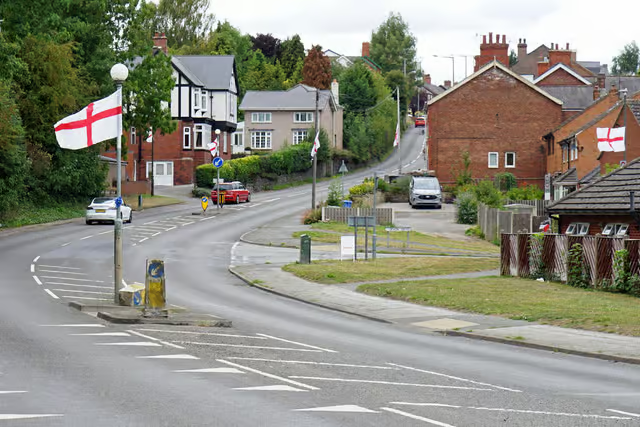
Walk through many British towns today and you’ll see flags flying from motorway bridges, banners draped across housing estates, and slogans echoing at protests:
“We want our country back.”
In parallel, outside hotels housing asylum seekers, demonstrators gather with placards and chants. And online, hashtags spread, encouraging people to raise the Union Jack or St George’s Cross in defiance.
This is not just spontaneous patriotism. It’s part of a movement; sometimes called Operation Raise the Colours, sometimes organised by groups like the Great British National Protest (GBNP), sometimes presented as local frustration. Yet whatever name it takes, its force comes from something older and more enduring: propaganda.
I write this as someone who is myself an immigrant. I emigrated from Australia to England. My life here has been shaped by opportunity, community, and the everyday mix of cultures that is modern Britain. So when I see movements that reduce “immigrants” to slogans, I’m reminded that propaganda has a way of stripping away nuance and humanity.
This article explores the UK’s current nationalist protests through the lens of propaganda. We’ll look at what’s happening, who’s involved, what the facts really say, how these tactics echo across history, and what might happen if Britain actually tried to halt immigration altogether.
The Marketing Made Clear Podcast
Check out the Marketing Made Clear Podcast on all good streaming platforms including Spotify:
What’s Happening in the UK Right Now
Operation Raise the Colours
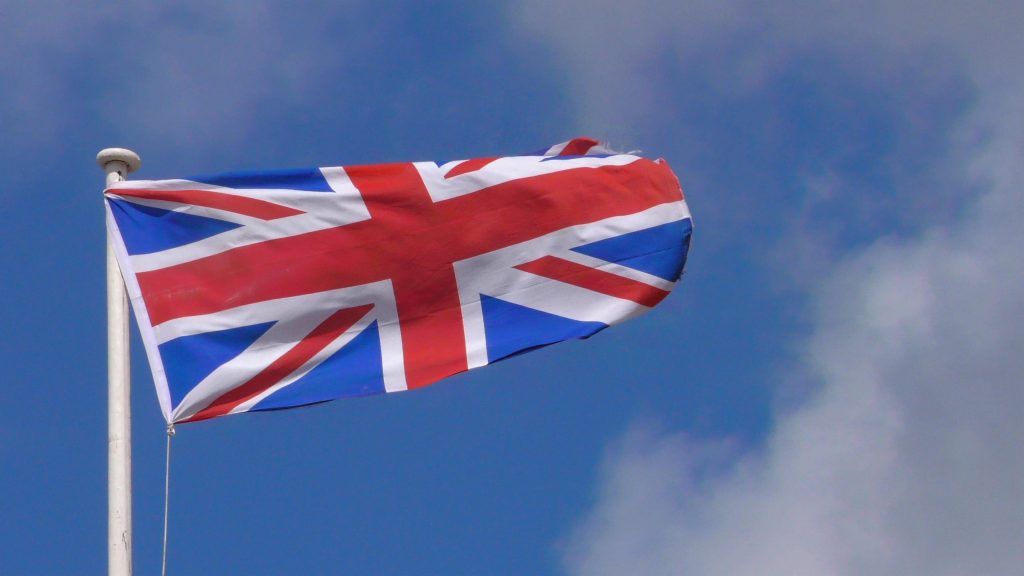
In mid-2025, a campaign began encouraging people to hang St George’s Crosses and Union Jacks from motorway bridges, windows, and public spaces. It was dubbed Operation Raise the Colours.
-
It was promoted by far-right figures like Tommy Robinson.
-
Britain First distributed hundreds of flags.
-
Online, it spread through Telegram, Facebook, and TikTok.
For supporters, this is pride and patriotism. For critics, it is intimidation, a way of making immigrants and minorities feel like outsiders.
Hotel Protests
The flashpoint came in Epping, Essex in July 2025. An asylum seeker housed at the Bell Hotel was arrested and charged with sexual assault. He denied the charges, but the arrest triggered a wave of protests outside the hotel.
Within days, demonstrations spread across the country: Norwich, Bournemouth, Leeds, Liverpool, Cardiff, Manchester, London, and more. Protesters demanded that asylum seekers not be housed in hotels. Some protests turned violent; police officers were injured, property damaged.
Who’s Involved?
-
Local residents – some genuinely angry about not being consulted over hotels.
-
National networks – the Great British National Protest coordinated simultaneous actions.
-
Far-right groups – Patriotic Alternative, Britain First, and Homeland Party provided symbolic fuel.
-
Mainstream politics – Nigel Farage and Reform UK used the issue rhetorically.
-
Counter-protesters – Stand Up To Racism, trade unions, and anti-fascist groups rallied in opposition.
This is not a neat, centralised movement. It’s a hybrid: local anger, far-right opportunism, and political exploitation, bound together by symbols and slogans.

The Facts Behind the Rhetoric
Propaganda thrives on emotion, so facts matter.
-
Net migration: 431,000 in 2024 – high, but down from the peak of 764,000 in 2022.
-
Asylum claims: 111,000 in the year to June 2025 – the highest ever recorded – but probably more of a reflection on current world events.
-
Irregular arrivals: 49,000 in 2025, mostly via small boats, up 27% on the previous year.
-
Population growth: Nearly all recent growth in England and Wales comes from immigration.
So yes, immigration is high by UK standards. Asylum claims in particular are surging. But the narrative that Britain is being “swamped” is not supported by evidence: the numbers are significant, but not unprecedented compared with other European countries.
The Propaganda Playbook
The UK’s flag protests and hotel demonstrations deploy classic propaganda techniques.
Symbols
Flags are not just fabric; they’re psychological shorthand. Flying them everywhere makes nationalism visible, normal, and hard to ignore.
Slogans
“We want our country back.” Like Brexit’s “Take Back Control” or Trump’s “Make America Great Again,” it is deliberately vague. That vagueness is its power: anyone can insert their own grievance.
Scapegoating
Asylum seekers become the symbolic cause of crime, housing shortages, NHS strain. One person’s crime is presented as proof of a wider threat.
Fear Appeals
Stories emphasise danger to women and children. Fear bypasses rational analysis – what psychologists call system-one thinking.
Bandwagon
Flags everywhere create social proof: “everyone feels this way.”
Media Framing
-
Tabloids amplify immigration fears with dramatic headlines.
-
Liberal outlets portray protests as far-right revivals.
-
Both contribute to polarisation, while facts get buried.
Historical and Global Parallels
This isn’t new. Across countries and decades, the propaganda toolkit looks strikingly similar.
-
France (National Front) – “France for the French,” tricolour flags, scapegoating immigrants. Outcome: reshaped French politics; immigration central in every election.
-
Germany (Pegida, 2010s) – rallies against Islam and refugees; slogans like “We are the people.” Outcome: fizzled but paved the way for the AfD.
-
USA (Trump, Migrant Caravans) – caravans depicted as invasions, “Build the Wall.” Outcome: immigration polarised American politics; rhetoric dominates GOP.
-
Australia (Cronulla Riots, 2005) – flag-draped mobs attacked minorities. Outcome: condemned nationally, but revealed fragility of multicultural harmony.
-
Eastern Europe (Hungary, Poland) – Orbán and PiS framed themselves as defenders of Christian identity against migrants. Outcome: democratic backsliding and cultural polarisation.
-
UK (National Front, 1970s) – marches against immigration, slogans like “Stop the Flood.” Outcome: collapsed under counter-movements, but left a far-right legacy.
-
Interwar Fascism – Mussolini’s Italy and Hitler’s Germany used flags, slogans, and scapegoating. Outcome: catastrophic war.
The echoes are unmistakable.
Outcomes of Past Movements
-
Some fizzled (Pegida).
-
Some reshaped mainstream politics without winning power (France, USA).
-
Some led to democratic erosion (Hungary, Poland).
-
Some, in extreme cases, ended in authoritarianism (Italy, Germany).
Even when they collapse, propaganda movements rarely vanish without leaving a mark. They shift discourse, normalise language, and open the door for others.
The “What If” Scenario
What if the UK stopped immigration tomorrow?
-
Labour shortages – NHS, social care, agriculture, hospitality would struggle immediately.
-
Demographics – ageing population means fewer workers, higher costs.
-
Economy – OBR says immigration sustains growth. Without it, GDP stagnates, borrowing rises.
-
Culture – Britain’s cultural dynamism would shrink.
Countries that tried near-bans show the dangers:
-
Japan – restrictive, but now loosening rules to cope with labour shortages.
-
North Korea – virtually closed, isolated and impoverished.
-
Gulf States – allow migrants as temporary labour but deny citizenship; creates systemic inequality.
-
Hungary/Poland – restrict asylum but still face demographic decline.
A zero-immigration UK would be poorer, older, less competitive, and more insular.
Why This Matters
Propaganda thrives when life feels uncertain. It simplifies complexity into enemies and slogans. Immigration is one of the most complex issues any society faces – involving economics, ethics, identity, and global pressures. Propaganda reduces it to “us versus them.”
As an immigrant myself, I see the danger. I am not the “threat” that these movements invoke. I am part of Britain, as are millions of others who came here. Propaganda erases these stories, turning people into symbols.
Conclusion
The UK’s new nationalist wave – flags, hotels, slogans – is not unique. It fits a century-old pattern of propaganda movements that use symbols, scapegoats, and slogans to capture emotion. History shows that such movements may fizzle, reshape politics, or, in darker times, lead to authoritarianism.
Stopping immigration is not a solution; it would cripple Britain’s economy and ageing society. But acknowledging legitimate concerns, addressing them with facts, and resisting the pull of propaganda is harder work – and far more necessary.
Propaganda is seductive because it feels simple. The truth is harder, but it matters more.
TL;DR
The current UK protests over flags and asylum hotels are part of a propaganda pattern: national symbols, simple slogans, and scapegoating. Immigration numbers are high, but stopping immigration would damage the UK. Similar movements abroad (France, Germany, USA, Australia, Hungary, Poland) show outcomes ranging from fizzling to reshaping politics to authoritarianism. As an immigrant myself, I see how propaganda erases human stories and replaces them with symbols.