

Emergency Services Day
What Marketers Can Learn from Our Everyday Heroes
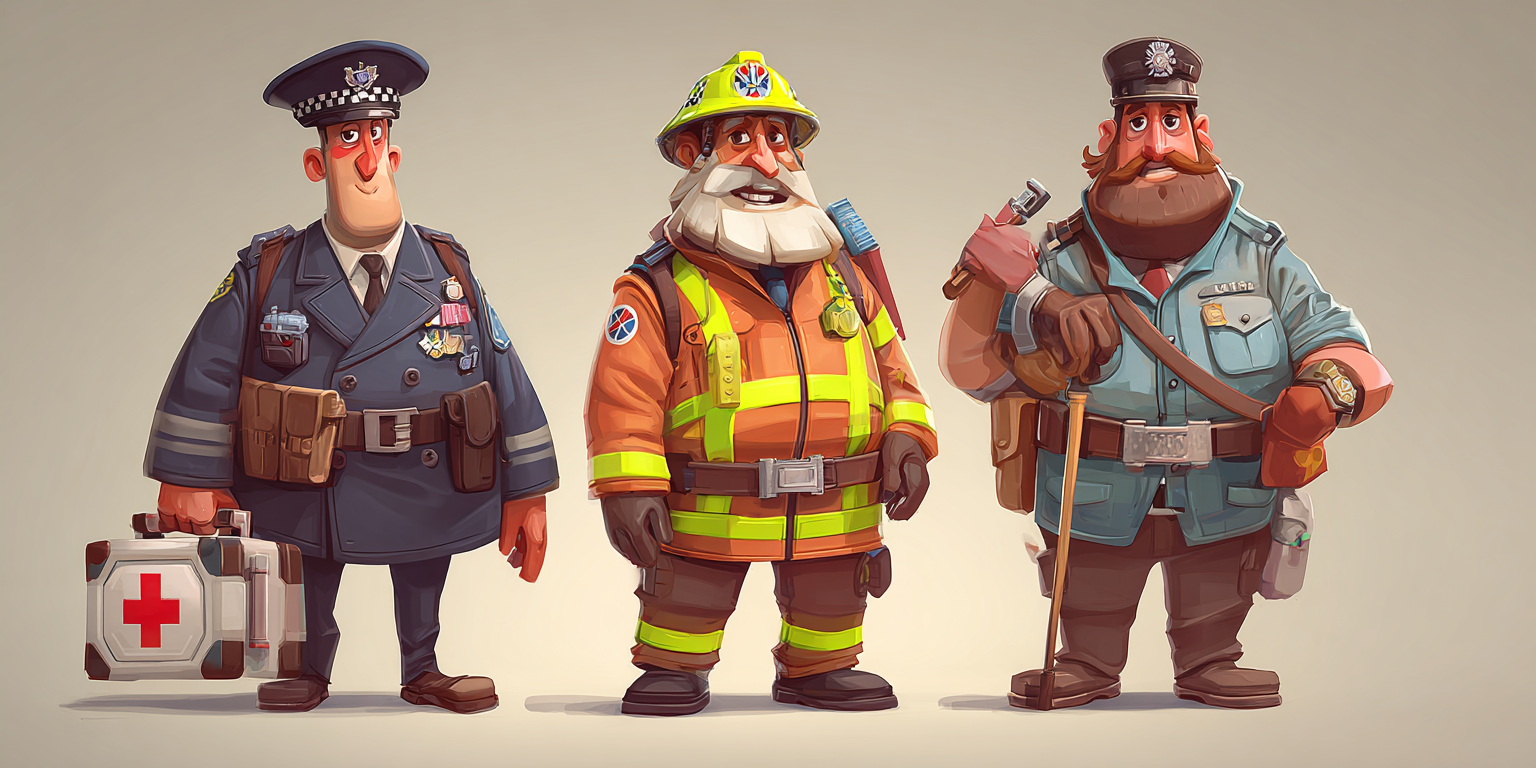
Every year on the 9th September, the UK marks Emergency Services Day (also known as 999 Day). It’s a chance to recognise the people who run towards danger while the rest of us are running in the opposite direction – police, fire, ambulance, NHS, coastguard, lifeboats, search and rescue, and the volunteer services who drop everything to help when the alarm is raised.
At 9am, a nationwide two-minute silence is held, followed by services, parades, and educational events across the country. But behind the uniforms, blue flashing lights, and sirens, there’s also a set of lessons marketers can take from the values of our emergency services.
The Marketing Made Clear Podcast
Check out the Marketing Made Clear Podcast on all good streaming platforms including Spotify:
A Brief History of Emergency Services Day
999 Day is relatively new – it only became part of the national calendar in 2018 – but the number itself dates back much further. Britain was the first country to introduce the 999 emergency number in 1937, following a devastating fire in London where five women lost their lives because people struggled to reach the fire brigade.
The idea was simple: one short, easy-to-dial number that worked from any phone box (back when they were more than just Instagram backdrops). The UK set the standard, and many other countries have since followed with their own variations, from 911 in the US to 112 across the EU.
Lessons for Marketers from Emergency Services
-
Clarity Saves Lives – and Campaigns
In an emergency, nobody has time for waffle. The message has to be short, sharp, and understood instantly. Marketers can learn a lot here: clear, simple communication is far more effective than jargon-packed campaigns. -
Trust is Built on Reliability
People dial 999 because they know someone will answer. In marketing, trust comes from showing up consistently – whether that’s delivering the product on time, sticking to your brand promise, or responding quickly when things go wrong. -
Teamwork is Everything
No single branch of the emergency services works alone. Fire crews coordinate with ambulance teams, police work with coastguards, volunteers support professionals. Marketers too must align with sales, operations, and customer service – otherwise the campaign falls apart at the first sign of trouble. -
Preparedness Beats Panic
Emergency services drill, plan, and train constantly so that when chaos arrives, they’re ready. Marketing plans might not involve hoses and helmets, but contingency planning, scenario mapping, and crisis comms are just as important.
Marketing the Emergency Services
The emergency services themselves are no strangers to marketing. Recruitment drives, NHS awareness campaigns, fire safety ads, and the RNLI’s fundraising all rely on powerful marketing.
One of the most effective campaigns in recent years has been “Fire Kills”, a hard-hitting series of adverts from the government’s fire safety team. Meanwhile, the RNLI’s “Respect the Water” campaign has been praised for reducing coastal drownings by communicating serious risks in a simple, memorable way.
These aren’t campaigns about selling products – they’re about saving lives. But they show the power of marketing when used with clarity and purpose.
A Day of Gratitude
Ultimately, Emergency Services Day isn’t about brand lessons or campaign strategy. It’s about recognising the men and women who keep us safe, 24/7, 365 days a year. Whether it’s paramedics navigating rush-hour traffic, firefighters battling blazes, or lifeboat crews heading into stormy seas, they embody the best of public service.
So today, take a moment at 9am to pause and reflect. If you’re a marketer, maybe consider what your brand can do to serve your community better – even if it’s just making your messaging clearer, more helpful, and more trustworthy.
Because while most of us will never need to pick up the phone and dial 999, it’s good to know that if we do, someone will be there.
TL;DR
-
9th September is Emergency Services Day (999 Day) in the UK, honouring all branches of the emergency and volunteer services.
-
The UK introduced the world’s first emergency number (999) in 1937, setting a global standard.
-
Marketers can learn from emergency services: keep messages clear, build trust through reliability, value teamwork, and prepare for crises.
-
Campaigns like “Fire Kills” and the RNLI’s “Respect the Water” show the impact of marketing with purpose.
-
Above all, today is about gratitude to those who keep us safe.