

Clash of the Cymbal Titans
Zildjian vs. Sabian – A Family Feud Forged in Bronze
In the drumming world, the rivalry between Zildjian and Sabian rings as loud as a crashing cymbal.
Much like the famous feud between Adidas and Puma, where two brothers split an empire in bitter contention, the Zildjian saga is a tale of family loyalty turned competition. The century-spanning Zildjian brand – synonymous with cymbals since the 17th century – faced an unexpected challenger from within: Sabian, a company born of a familial rift in the early 1980s.
This is the story of how a family feud gave rise to two cymbal empires, complete with dramatic legal battles, sly marketing manoeuvres, and duelling innovations that have kept the beat (and the competition) alive for decades.
The Marketing Made Clear Podcast
Check out the Marketing Made Clear Podcast on all good streaming platforms including Spotify:
From Alchemy to a Cymbal Empire: The Zildjian Legacy
The Avedis Zildjian Company, founded in Constantinople in 1623, is often touted as the world’s oldest musical instrument maker. The Zildjian name itself means “son of a cymbal maker” – a title granted by Ottoman Sultan Osman II after alchemist Avedis I discovered a secret alloy for cymbals that produced unrivalled sound. The secret formula (an alloy of copper, tin and traces of silver) was guarded fiercely, passed down through generations only to the family’s heirs.
By the 20th century, Zildjian cymbals had become ever present in music, from the crashes and gongs of orchestral crescendos to the swing of jazz and the backbeat of rock. In fact, by the late 1960s Zildjian commanded an estimated 65% of the global cymbal market and proudly advertised itself as “the only serious choice” for drummers.
This dominance was built on both tradition and innovation. Avedis Zildjian III (the 20th-century patriarch of the company) moved the family business to the U.S. in 1929, sensing the huge opportunity of the jazz age. He and his son Armand Zildjian forged close relationships with top drummers – Gene Krupa, Buddy Rich, and many more – making sure Zildjian cymbals evolved with the music. They introduced new cymbal types like the ride, crash, splash and hi-hat, often at the request of these artists.
By mid-century, if you heard the shimmering “ching” of a ride cymbal on a jazz record or the explosive crash in a rock anthem, chances are you were hearing Zildjian. Ringo Starr played Zildjians on The Beatles’ classics, Lars Ulrich pounded them in Metallica, and countless others swore by the brand.
Under Armand Zildjian’s leadership (he became company president in 1977), Zildjian not only expanded manufacturing but also pioneered artist relations as a core marketing strategy – Armand was dubbed the “Father of Artist Relations” for his personal rapport with drummers. By the 1980s, Zildjian was flying high, hosting global “Zildjian Day” events (day-long drumming showcases for fans) and enjoying its reputation as the cymbal world’s gold standard.
Yet behind the scenes of this success lay growing tensions within the Zildjian family…

A Rift in the Rhythm: Brothers at War
What followed Avedis’s passing was nothing short of a cymbal crash in the Zildjian household. Armand, as the eldest, believed he was the rightful heir to lead the company, while Robert (often called “Bob”) felt sidelined despite his years of dedication. By his own account, Robert had been “running 80% of the business” by the late ’70s – handling international sales, marketing and more – and expected a bigger share of control.
Instead, as Robert later lamented;
“all of a sudden I was bereft of all that.”
The resentment between the brothers quickly reached fever pitch. In 1979, a full-on legal battle erupted – essentially pitting brother against brother over who would control the venerable Zildjian brand.
For two years, the feud dragged through the courts, splitting not only the family but also forcing partners and artists to take sides. It’s a tale reminiscent of the Adidas/Puma fight, but instead of dividing a town’s football team, this one divided a 350-year-old musical legacy.
By 1981, the dispute was resolved with a Solomon-like split of assets: Armand would keep the core business – the Avedis Zildjian Company in Massachusetts – and Robert would leave, taking control of a second Zildjian factory that had been established in Meductic, Canada. Robert was forbidden to use the Zildjian name for his new venture. But he took with him a closely guarded secret: the centuries-old cymbal alloy formula.
Sabian is Born: A New Challenger Enters
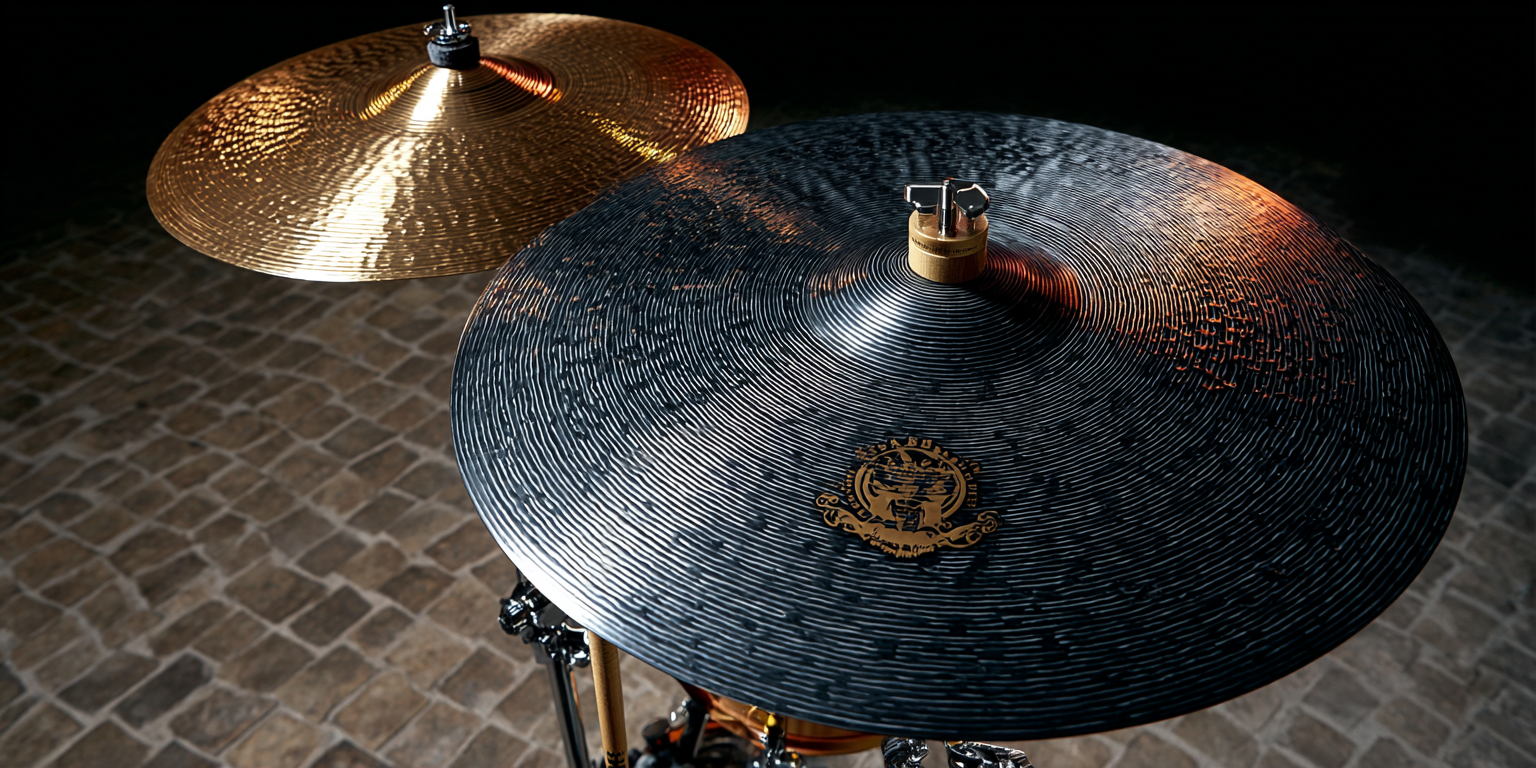
At age 58, Robert Zildjian founded Sabian Cymbals in 1981 in Meductic, New Brunswick. The name “Sabian” was coined from the names of his three children: Sally, Billy, and Andy. The factory he inherited wasn’t new – it had been set up by Zildjian in the 1960s – and with experienced staff and the alloy recipe in hand, Robert set out to build a new cymbal empire.
Sabian’s first year (1982) saw the launch of their AA (Automatic Anvil) and HH (Hand Hammered) lines. Despite an initial ban on selling in the U.S., Sabian built momentum through international markets. Once the U.S. opened up in 1983, Robert launched an aggressive, hands-on marketing campaign, personally trucking cymbals to dealers across the country.
Marketing the Split: Tradition vs. Innovation in Brand Identity
Zildjian – Heritage and Dominance
Zildjian leaned into its ancient pedigree, emphasising its 400-year legacy and its long-standing dominance. Ads touted “The Only Serious Choice,” and they retained top-tier artist endorsements – from Ringo Starr to Steve Gadd. Zildjian Day events brought together the world’s top drummers, cementing the brand as a pillar of the drumming community.
Sabian – Innovation and a New Voice
Sabian embraced its role as the maverick.
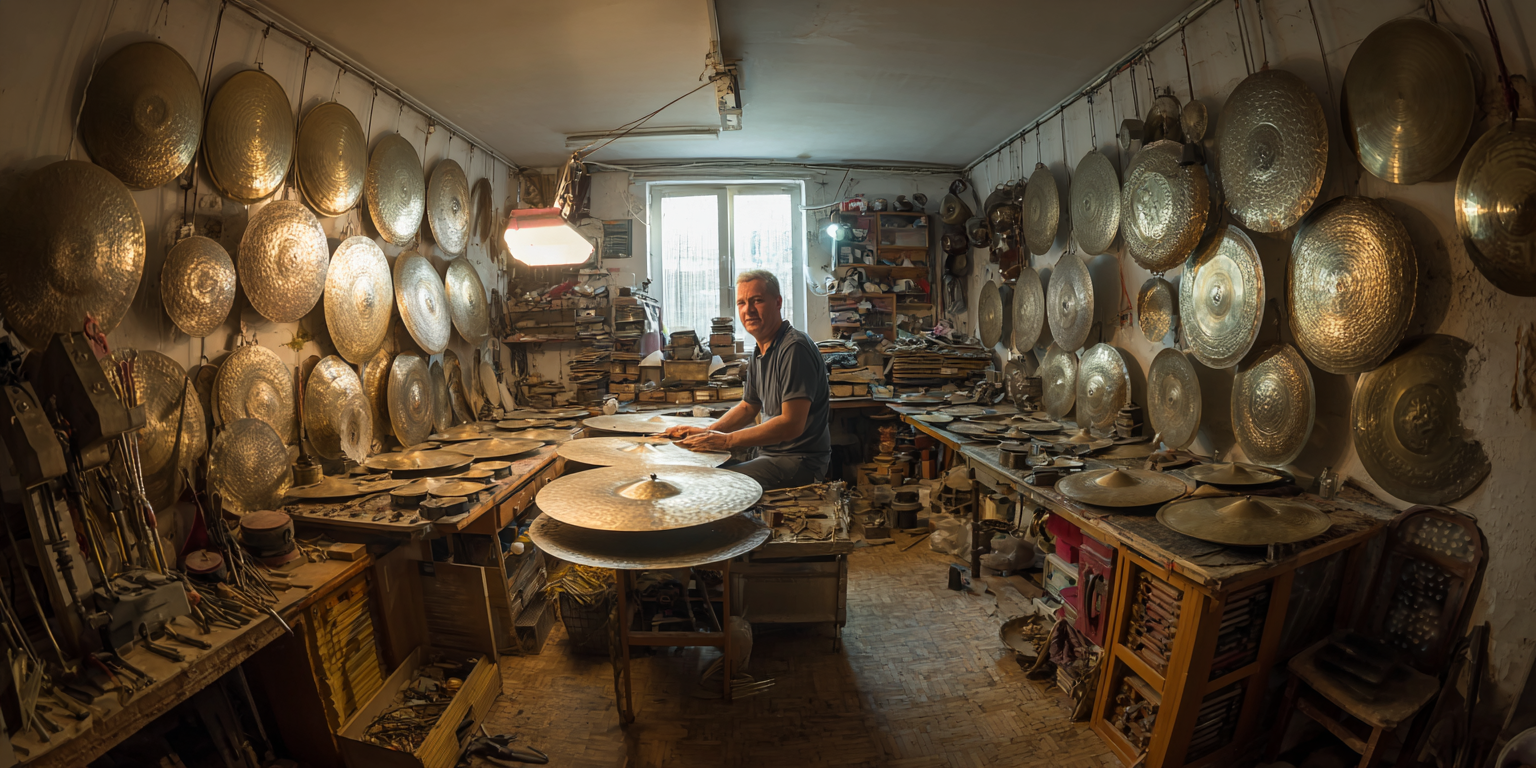
Robert Zildjian often said he started Sabian to give drummers a better choice. They introduced experimental lines like the B8 (affordable sheet bronze) and effects cymbals with perforated designs. Sabian’s marketing tone was youthful and rebellious, with slogans like “Tradition (re)born in 1982.”
Sly Moves and Showmanship: The Cymbal Wars Heat Up
The Great Cymbal Switch Campaign
One of Sabian’s earliest marketing wins was the “Switched to Sabian” campaign in 1983, where big-name drummers like Phil Collins, Harvey Mason and Kenny Jones publicly endorsed Sabian after leaving other brands. These eye-catching print ads suggested a mass migration – without naming Zildjian – and positioned Sabian as a serious contender.
Zildjian Strikes Back
Zildjian doubled down on artist loyalty.
Their roster remained stacked with icons, and they launched high-profile product lines like the A Custom series. Artist relations, events, and limited edition lines ensured the brand remained synonymous with prestige and performance.
Product Innovation Duels
Each brand constantly pushed the other. Sabian’s HHX line prompted Zildjian to expand the K Custom range. Sabian’s O-Zone cymbals with holes were met with Zildjian’s EFX series. The competition led to a golden era of cymbal innovation – with each brand refining sound, finish and performance.
Artist Endorsement Raids
Perhaps the most headline-grabbing moment came when Neil Peart of Rush switched from Zildjian to Sabian in the early 2000s, bringing a signature line (“Paragon”) with him. The shift was partly attributed to Sabian hiring Lennie DiMuzio – Zildjian’s longtime artist relations manager – after his dismissal.
Legal and Trade Show Skirmishes
Although the companies avoided major lawsuits post-split, industry insiders recall tense moments at trade shows and competitive jostling for booth placement. The rivalry remained visible but largely professional, with each brand focusing on strengthening its own legacy.
Family Drama to Brand Bravado: The Legacy of the Split
Today, both companies thrive. The Avedis Zildjian Company remains family-owned and is led by Craigie and Debbie Zildjian. It has expanded its reach through acquisitions (like Vic Firth) and celebrated its 400th anniversary in 2023.
Sabian, still based in Meductic, is led by Andy Zildjian, Robert’s son. It remains committed to innovation, artist relationships and pushing boundaries – living up to its founding ethos.
The feud that once divided a family has become a defining story in music marketing – a rivalry that birthed innovation, competition, and arguably made cymbals better for all drummers.
TL;DR
The Zildjian vs. Sabian feud is one of music’s most compelling brand rivalries, echoing Adidas vs. Puma. A split between brothers turned into a decades-long duel in marketing, artist endorsements, and innovation. Zildjian leaned on history and prestige, while Sabian championed bold experimentation. The result? A richer, more competitive cymbal landscape – and one hell of a story for marketers.