Oasis Live ’25
The Marketing Behind the Biggest Britpop Reunion Ever
It finally happened. After years of public fallouts, cryptic tweets, and endless speculation, Oasis announced their reunion tour in 2025. Dubbed “Oasis Live ’25”, the comeback has become a landmark in live music and a case study in multi-layered, high-impact marketing.
From ticketing controversies to fashion tie-ins and the very real question of why now?, here’s the definitive breakdown.
The Marketing Made Clear Podcast
Check out the Marketing Made Clear Podcast on all good streaming platforms including Spotify:
Ticketing and Pricing Strategies
When tickets went on sale, over 10 million fans from 158 countries queued online for UK dates alone (Sky News). It was a record-smashing frenzy, fuelled by Oasis nostalgia and cleverly sparse promo. However, the dynamic pricing model used via Ticketmaster led to immediate backlash. Standard seats ranged from ~£73 to £150, but “platinum” tickets surged beyond £350 in real time (BBC News).
Fans were understandably furious. Oasis issued a statement distancing themselves from pricing decisions, claiming they had “no awareness” that dynamic pricing would be used (The Guardian). To recover goodwill, dynamic pricing was disabled for the North American leg, and Oasis promised only tickets resold at face value via official platforms would be honoured.
Despite the chaos, the UK leg grossed an estimated £240 million, with 1.4 million tickets sold. The tour’s UK pricing strategy showcased a familiar formula: capitalise on unprecedented demand, then manage reputation via damage control (Economic Times).

Social Media and Fan Engagement Campaigns
Oasis adopted a minimalist but highly effective digital strategy. The brothers shared just two official posts: one teaser, one confirmation (Rolling Stone). Meanwhile, teaser billboards stating “Be careful what you wish for” appeared in city centres, sparking global speculation.
Liam Gallagher’s Twitter presence became a masterclass in guerrilla marketing. One cryptic tweet – “I never did like that word ‘FORMER'” – fuelled thousands of Reddit and TikTok posts (NME). Hashtags like #OasisLive25 and #OasisTWT dominated social channels, creating a viral groundswell with zero paid media.
Streaming platforms joined in. Spotify reported a 690% increase in Oasis streams following the announcement (Music Ally). Fan-led content – including outfit reels, cover songs, and AI-mashed deepfakes – helped solidify Oasis as not just nostalgic, but current.
The result? A perfect storm of organic engagement, without the band ever needing to over-promote.
Merchandise and Branding Efforts
Merchandise played a central role in the tour’s branding. Oasis opened a flagship store in Manchester, alongside six pop-up shops in UK cities and Dublin. These weren’t just retail stands – they were immersive experiences, including green-screen photo booths allowing fans to recreate album covers (Sky News).
Product-wise, the line was extensive: classic logo T-shirts, £40 bucket hats, retro windbreakers, £85 football shirts, even baby onesies and puzzles. Oasis partnered with Warner Music’s WMX, who handled both e-commerce and experiential retail (Billboard).
Perhaps the biggest fashion win was the Adidas collaboration, featuring Oasis-themed Gazelles and Spezial trainers. This was no last-minute deal – it tapped into decades of cultural synergy between the Gallaghers and terrace wear (GQ).
Even unofficial branding rode the wave. Budget supermarket Lidl’s viral “Lidl by Lidl” parka, with a tambourine pocket and drink holder, was a parody that went viral – generating 5+ million mentions in a single day and raising money for charity (Marketing Week).
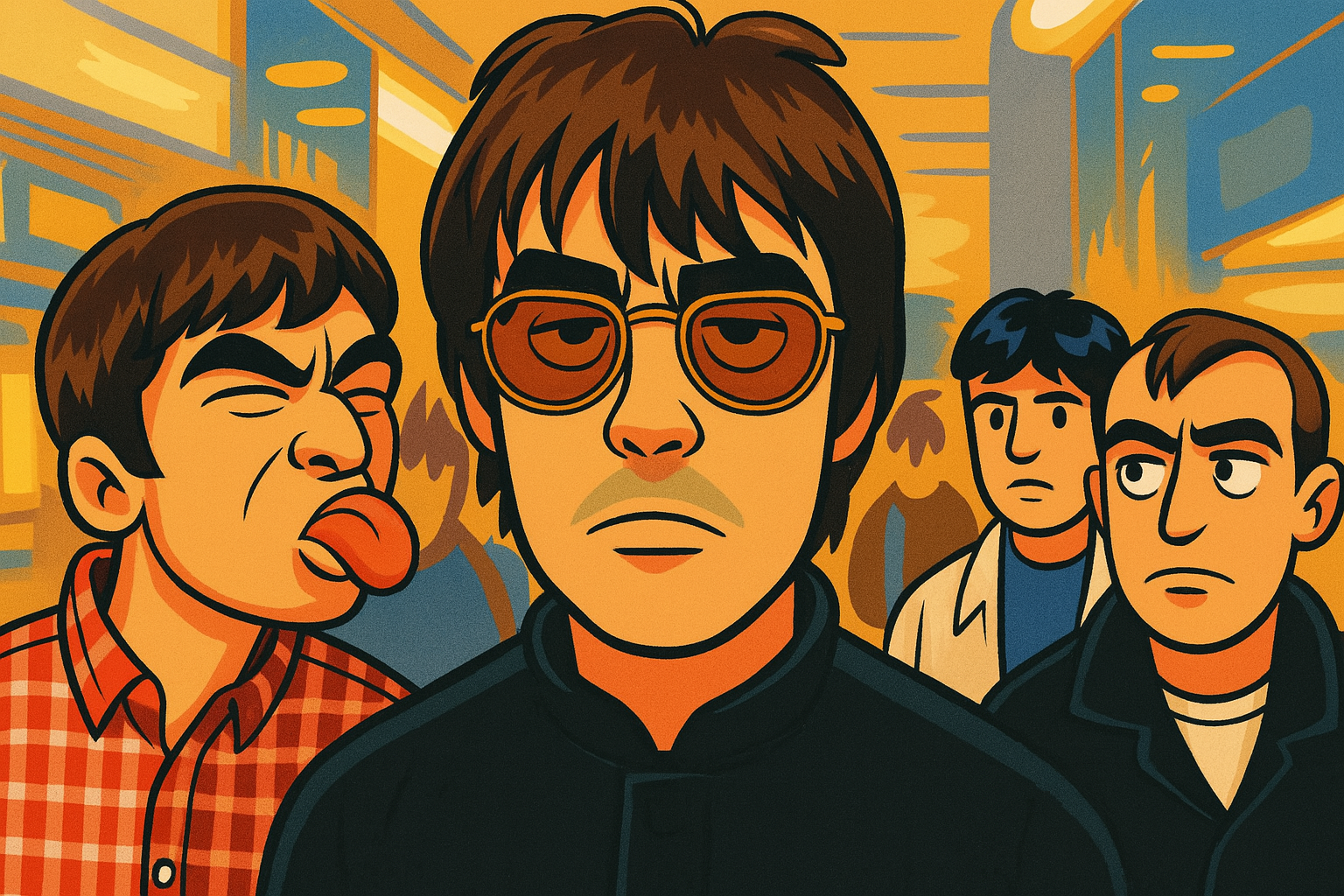
Media Coverage and PR Tactics
The announcement was genius in its restraint. Oasis released a dramatic statement: “The guns have fallen silent. The stars have aligned. The great wait is over. Come see. It will not be televised.” – instantly mythologising the event (Official Oasis Statement).
Media outlets went wild. Sky News, NME, and The Guardian each ran multi-day coverage highlighting cultural impact, fan stories, and economic projections. Critics compared it to Beatlemania. Reviews described the first Cardiff gig as “ferociously powerful” and “generationally unifying” (The Guardian).
Crucially, Oasis turned down live-streaming and television rights. Their line – “It will not be televised” – created urgency and FOMO, giving media coverage extra weight.
Sponsorships and Brand Partnerships
There was no headline sponsor, but brand involvement ran deep. The Adidas partnership blended fashion and fandom. Liam’s own label, Pretty Green, released tie-in parkas and tees.
WMX, Warner Music’s e-commerce and fan-experience arm, delivered exclusive products and pop-up events. Live Nation and SJM Concerts handled logistics and marketing globally.
Brands capitalised unofficially too. As previously mentioned, Lidl’s parka stunt went viral. But EasyJet also ran Oasis-themed flight offers. Manchester’s tourism board created “Mad For It” travel packages bundling tickets and hotel stays (Visit Manchester).
Target Audience Demographics and Messaging
Marketing targeted a dual audience: original Britpop fans now in their 40s and 50s, and younger Gen-Z and Millennial fans who discovered Oasis through streaming, TikTok, or parents.
For older fans, the message was: This is your moment. One last chance. The visuals leaned on retro branding and 30th anniversary nods to Definitely Maybe. For younger fans, Oasis was repackaged as retro-cool, with Liam’s chaotic Twitter persona, fashion trends, and high streaming numbers backing it up.
UK bucket hat sales reportedly surged 89% after the tour announcement (Retail Gazette). Merchandise and music became intergenerational: parents reliving 1996, kids discovering it for the first time.
The Real Reason for the Reunion: Beyond the Official Line
Officially, Liam and Noel said the reunion was for the fans and music. Liam repeatedly claimed “it’s not about money”(Mojo Magazine). The announcement was framed as a moment of peace – “the guns have fallen silent” – after 15 years of brotherly warfare.
But analysts suggest multiple motivations:
-
Financial incentive: Estimates suggest each Gallagher could make £50 million+ from the UK dates alone (Irish Examiner).
-
Label and promoter pressure: Live Nation reportedly courted Oasis for years. Offers were repeatedly made and turned down until Noel’s divorce in 2023, which removed key personal barriers (The Times).
-
Streaming and back catalogue boosts: The reunion led to Definitely Maybe returning to No.1, benefiting Sony and Ignition Management (Official Charts).
-
Cultural relevance: This was perhaps the last moment Oasis could return as conquering heroes before slipping into legacy act territory. The brothers are now in their 50s. This was the if not now, then never moment (Guardian).
Some commentators speculated that legal contracts had clauses making it financially ruinous for either brother to walk mid-tour – a built-in failsafe for their infamous volatility (Music Business Worldwide).
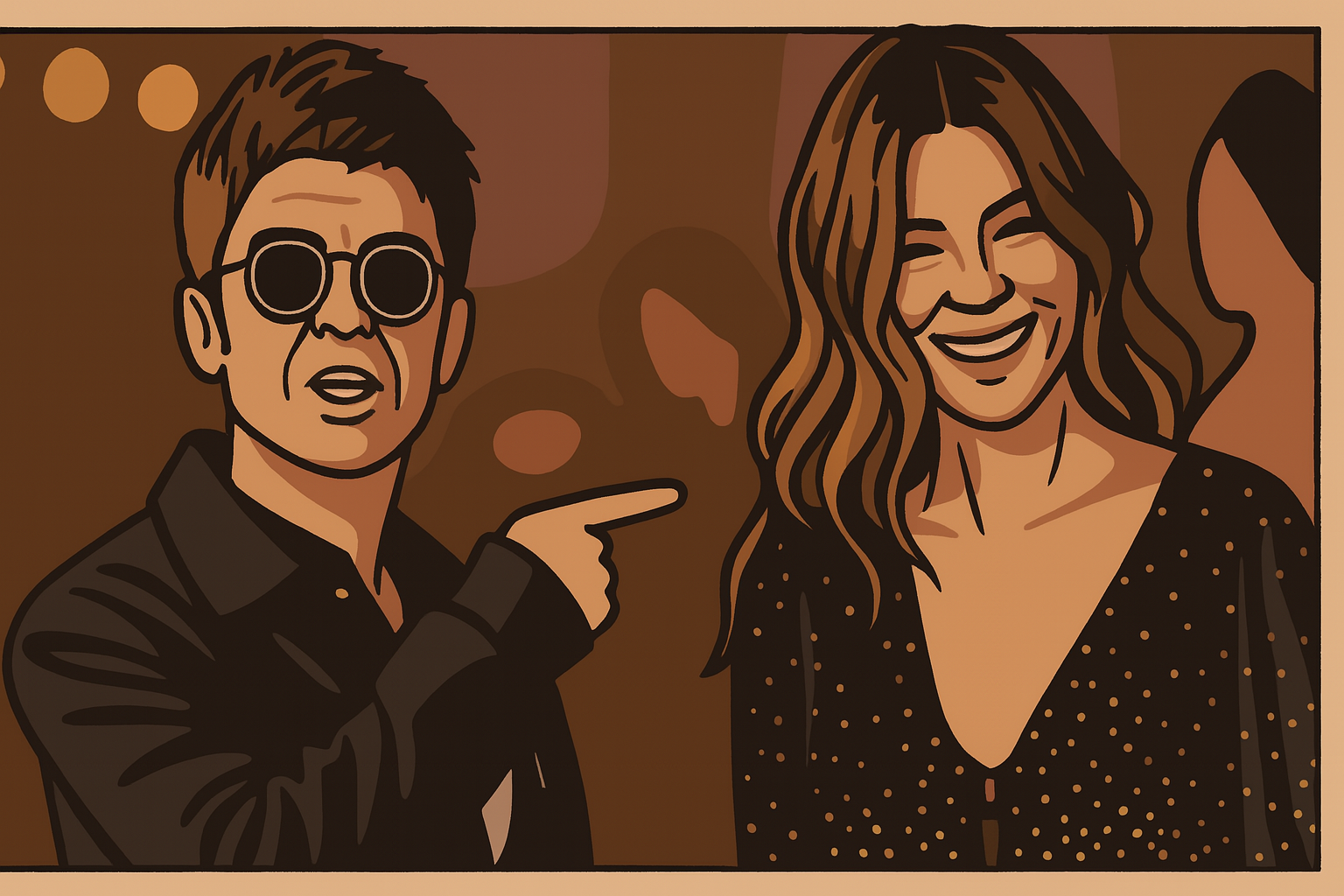
Why was Noels divorce important?
Noel Gallagher’s divorce in 2023 was significant because it reportedly removed a major personal barrier to an Oasis reunion — one that had little to do with music and everything to do with fractured relationships.
Noel had been married to Sara MacDonald since 2011, and their relationship was said to be deeply strained with Liam. The feud between the brothers has been well-documented (and often public), but Sara was widely believed to be a key source of friction. Liam frequently blamed her for creating a wedge, even referring to her disparagingly on social media and in interviews. She, in turn, allegedly found Liam’s behaviour toxic and wanted nothing to do with a reunion that would bring him back into their lives.
Sara was reportedly against any contact with Liam, let alone a full tour. As long as she was in Noel’s life, a reunion was seen as almost impossible. When Noel and Sara announced their separation in January 2023, speculation immediately reignited. Without Sara’s influence, fans and media began suggesting that the main emotional and interpersonal roadblock to a reunion might now be gone.
Within months, the tone between the brothers subtly changed. Liam began tweeting that the door was “open” if Noel wanted to talk. Noel, usually dismissive, softened slightly in interviews.
Could There Be Legal or Contractual Triggers Involved?
Possibly. Here’s what might be going on (Music Business Worldwide).:
-
Catalogue monetisation windows: Some licensing or distribution deals come with time-limited clauses. A major anniversary or tour could trigger renegotiations or reversion clauses (e.g. rights reverting back to the artist after a fixed period, which is common in older contracts).
-
Touring clause in record deals: There may be financial incentives tied to activity — if the Gallaghers tour together, it could unlock bonuses for Sony or rekindle cross-promotional deals between catalogue sales and live events.
-
Co-rights in merch/IP: If certain rights (e.g. Oasis trademarks) were held jointly or dormant for years, activating them might have required both Noel and Liam’s signatures. Reuniting simplifies licensing and avoids one party blocking monetisation.
-
Estate planning: At this stage in their careers, the Gallaghers (especially Noel) may be looking at long-term financial planning. Unifying the Oasis brand and demonstrating strong IP value makes future sales or legacy control easier for their estates and management.
Conclusion
Oasis Live ’25 isn’t just a reunion – it is a meticulously orchestrated marketing and commercial event. From fan-first messaging and cultural nostalgia to record-breaking ticket sales and global merch collaborations, every aspect of the campaign was designed to resonate across generations. Yet beneath the surface of poetic press releases and fan-fuelled emotion lies a complex mesh of motivations – from financial incentives and streaming spikes to label pressure and legacy management.
Whether you believe the reunion was about mending fences or multiplying bank balances, one thing is certain: Oasis still know how to command attention, headlines, and wallets. Their return reminds marketers that nostalgia, when backed by strategy, is a powerful currency – especially when it comes with bucket hats, Adidas Gazelles, and a perfectly timed “it will not be televised” tagline.
Oasis may have said they weren’t doing it for the money. But in the end, they didn’t need to – the marketing did it for them.
TL;DR
Oasis’s 2025 comeback tour was more than a concert series – it was a cultural event backed by meticulous marketing, savvy branding, and perfectly timed nostalgia. While the public narrative focused on healing and fan service, the business strategy underneath reveals calculated decisions involving dynamic pricing, brand partnerships, merch empires, and shrewd timing. Whether driven by love or lucre, Oasis Live ’25 stands as one of the most strategically executed music marketing campaigns in recent history.
And in the words of the band themselves? Don’t look back in anger. Just count the receipts.