

How Ultra-Processed Foods Took Over Our Bowls
A Shared Story of Humans and Dogs
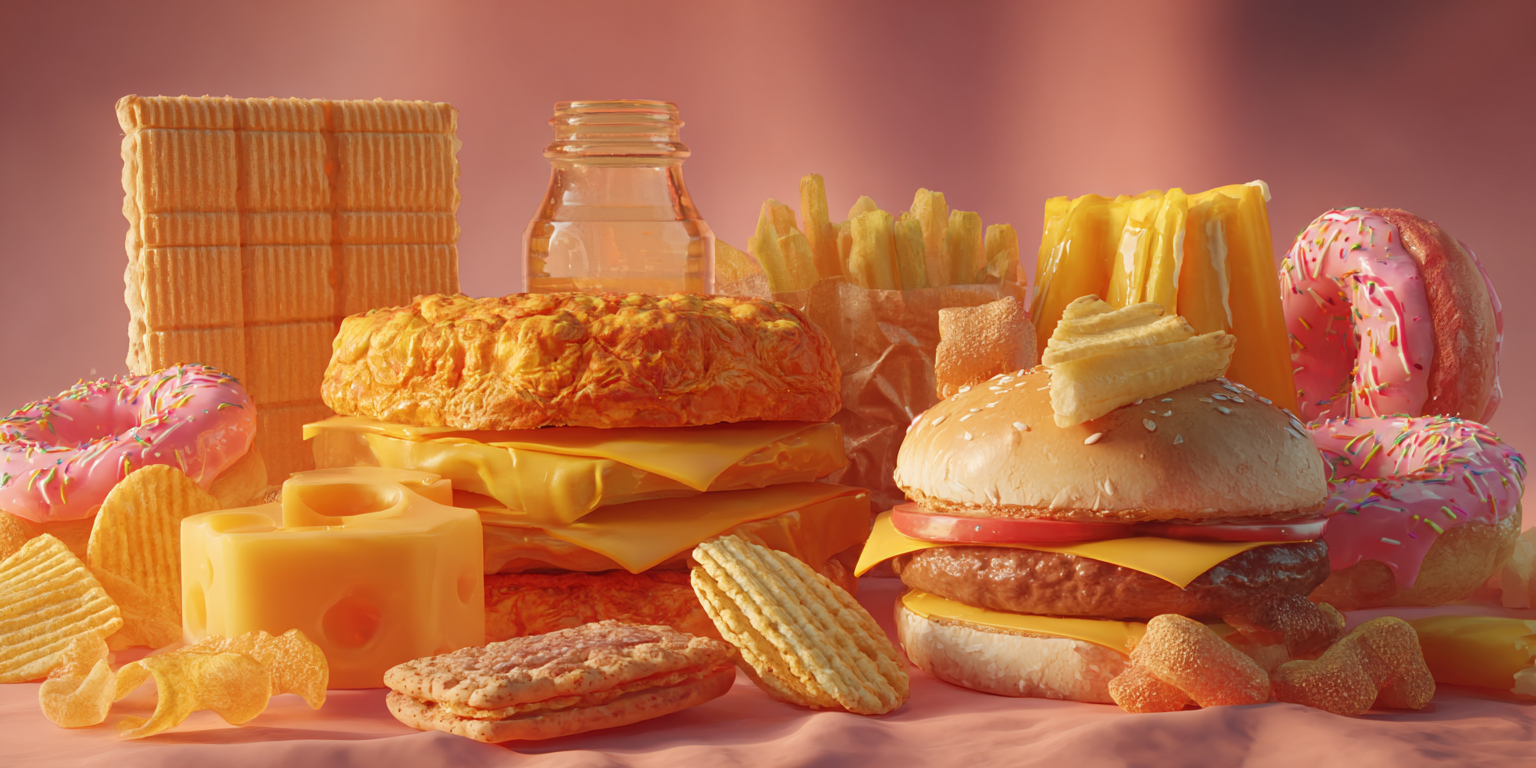
From budget-ready beans to bacon-flavoured biscuits for Beagles, ultra-processed foods have become a dominant force in both human and canine diets.
But how did we get here?
What marketing drove us to trade fresh ingredients for shelf-stable substitutes?
And are we starting to turn the tide?
This article explores the parallel evolution of ultra-processed foods for humans and dogs, focusing on their industrial rise, mass-market adoption, marketing tactics, health consequences and the early signs of a rebalancing act.
The Marketing Made Clear Podcast
Check out the Marketing Made Clear Podcast on all good streaming platforms including Spotify:
A Century of Processing: Key Milestones
1860s–1920s: The First Steps Toward Shelf-Stable Food
-
For humans: Canning, pasteurisation and mass packaging gained popularity. Piggly Wiggly (1916) introduced self-service supermarkets, creating new pressure for branded, processed items.
-
For dogs: James Spratt launched the first commercial dog food in 1860. By 1922, Ken-L Ration hit the market using canned horse meat, advertised as “lean red meat” for dogs. Table scraps began losing ground to factory-formulated pet meals.
1930s–1950s: War, Industry and Kibble
-
World War II drove innovation in preserved food for soldiers, like powdered drink mixes and canned meals.
-
Post-war boom ushered in the era of the TV dinner and convenience food.
-
For pets, rationing shortages led to dry kibble experimentation. Ralston Purina introduced the first extruded dog food in 1957, setting the stage for modern kibble. Marketing focused on scientific nutrition and convenience.
1960s–1970s: Normalisation and Nutritionism
-
Processed foods became daily fare. Supermarkets boomed; advertising targeted women with messages of convenience and modernity.
-
Health pushback began: critics like Joan Gussow called ultra-processed foods “mock foods.”
-
For dogs, the Pet Food Institute launched campaigns urging owners to stop feeding table scraps and only use kibble. Science-based claims dominated ads. AAFCO introduced the first formal definition of “complete and balanced” pet foods.
1980s–1990s: Peak Popularity, Corporate Control
-
Ultra-processed foods dominated Western diets.
-
Big brands consolidated: Nestlé, PepsiCo, Mars and others expanded across human and pet food sectors.
-
Pet food branched into life-stage formulas and vet diets, while obesity quietly became the leading nutritional issue for pets and people alike.
2000s–2010s: The Health Reckoning
-
The term “ultra-processed foods” was coined in 2009.
-
Research showed links between these foods and obesity, diabetes and cardiovascular disease.
-
For dogs, the 2007 melamine scandal rocked the industry. Consumer demand for “natural,” “grain-free” and “human-grade” pet food rose. Meanwhile, kibble remained dominant.
2020s: Rebalancing Act?
-
Public awareness has surged. Despite awareness, ultra-processed foods still make up over 50% of daily calories in the UK and US.
-
Pet owners are increasingly exploring air-dried, fresh-cooked or raw options, though the market remains dominated by processed foods.
-
Regulations like the Food Safety Modernization Act (2011, US) and soft drink levies (UK, 2018) reflect growing government interest.
Shared Ingredients, Shared Strategies
| Feature | Human Food | Dog Food |
|---|---|---|
| Main Ingredients | Refined flours, sugar, oils, additives | Rendered meats, cereal by-products, additives |
| Processing Method | Extrusion, deep-frying, freezing | Extrusion (for kibble), canning |
| Major Companies | Nestlé, Unilever, PepsiCo, General Mills | Mars, Nestlé Purina, General Mills (Blue Buffalo) |
| Marketing Tactics | Emphasise convenience, indulgence, health | Focus on science, vet approval, life-stages |
| Health Concerns | Obesity, diabetes, heart disease | Obesity, diabetes, dental issues |
| Regulatory Trends | Nutrition labels, sugar taxes, advertising bans | Recalls, FSMA (2011), vet diet scrutiny |
What Marketers Can Learn from a Century of Convenience
1. Trust Takes Time to Build – and Seconds to Shatter
The 2007 melamine scandal in pet food and ongoing backlash against sugar in human food both show how fragile consumer trust can be. Consistent transparency beats short-term brand spin.
What is the 2007 Melamine Scandal? In 2007, thousands of pets died after melamine a toxic chemical used to fake protein levels was found in imported pet food ingredients, triggering global recalls and a major loss of consumer trust.
2. Health Halos Can Backfire
Many brands added “low fat,” “whole grain” or “grain-free” labels to processed foods to appease health-conscious consumers. But shallow reformulations often led to unintended consequences. Marketers must ensure claims are credible and beneficial, not just cosmetic.
3. Shared Supply Chains Demand Unified Responsibility
When the same corporations control food for both humans and pets, reputational risk becomes shared. A recall or exposé in one area can impact brand trust across categories.
4. “Convenience” Needs a Rebrand
Consumers are no longer wooed by speed alone. Time-saving still matters, but today’s buyers also value sustainability, ingredient integrity and transparency. Smart brands blend convenience with clarity.
5. The Rise of the Informed Consumer
From pet owners choosing raw feeding to humans reading NOVA food scores, the demand for control and informationis stronger than ever. Brands that engage meaningfully with this audience (rather than dumb down) will come out ahead.
Conclusion
Ultra-processed foods represent one of the most successful product categories of the past century—driven by industrial ingenuity, marketing muscle, and our craving for convenience. But as the long-term health consequences come into focus, both human and pet food industries face growing calls for change. Marketers can no longer rely on nostalgia, novelty, or nutritionist-approved soundbites alone. The new era demands authenticity, transparency, and responsibility. Those who adapt not only protect their brand reputation—they shape the future of food.
For marketers watching both bowls and budgets, that’s the real takeaway.
TL;DR
Over the past century, ultra-processed foods have evolved from novelties to staples for both humans and dogs. Canning, extrusion, and aggressive marketing helped convenience reign supreme. But growing health concerns have triggered a public reckoning. Today, marketers must tread carefully: health claims must be backed by science, transparency is essential, and consumers are paying closer attention than ever.
Whether you’re selling dinner to a family or kibble to a Cockapoo, the lesson is the same: trust, clarity and quality win the long game.