

10 Myths About Christmas
Debunking Festive Misconceptions
Christmas is a time of joy, tradition, and nostalgia – but it’s also a holiday steeped in myths and misconceptions. While these stories add to the charm of the season, separating fact from fiction can give us a deeper appreciation of its history and traditions. Here are 10 common myths about Christmas, debunked.
The Marketing Made Clear Podcast
This article features content from the Marketing Made Clear podcast. You can listen along to this episode on Spotify:
Myth 1: Jesus Was Born on 25th December
The exact date of Jesus’s birth is unknown.
Early Christians chose 25th December to align with pagan festivals like Saturnalia and Sol Invictus, which celebrated the winter solstice and the “rebirth” of the sun. This decision helped integrate Christian traditions with existing cultural celebrations.
Myth 2: Coca-Cola Invented the Modern Santa Claus
While Coca-Cola’s advertising campaigns in the 1930s popularised Santa Claus’s red-suited, jolly image, they didn’t invent it. The modern Santa was shaped earlier by Clement Clarke Moore’s poem ’Twas the Night Before Christmas (1823) and illustrator Thomas Nast’s depictions in the late 19th century. Norse influences, like the Julenisse, also played a role in shaping the character we know today.
Myth 3: Christmas Trees Are a Christian Invention
The tradition of decorating evergreen trees predates Christianity. Pagans used them in winter solstice celebrations to symbolise life during the darkest time of the year. Christians later adopted the custom, adding their own religious symbolism to the practice.

Myth 4: “Xmas” Is Disrespectful
Far from being disrespectful, “Xmas” has historical roots. The “X” comes from the Greek letter Chi, the first letter of “Christos” (Χριστός), meaning Christ. This abbreviation has been used in Christian writings for centuries and is not a modern slight against the holiday.
Myth 5: It’s Illegal to Work on Christmas Day
While many countries grant Christmas Day as a public holiday, it is not universally prohibited to work. Essential services like healthcare, emergency response, and hospitality often remain operational. Historically, the Puritans even banned Christmas celebrations in 17th-century England and some American colonies, labelling them indulgent and un-Christian.
Myth 6: Eating Turkey Is a Universal Tradition
Turkey may be the centrepiece of Christmas dinner in the UK and the US, but it’s far from universal.
- In Mexico, tamales are a popular festive dish.
- France serves the decadent bûche de Noël (Yule log cake) as dessert.
- In some Scandinavian countries, fish dishes dominate the Christmas table.
- In the Victorian era, goose was the go-to roast in the UK before turkey took over.

Myth 7: The Twelve Days of Christmas Lead Up to Christmas Day
The “twelve days” actually begin on Christmas Day and end on 6th January, also known as Epiphany. This date commemorates the visit of the Magi (wise men) to the baby Jesus. The countdown we associate with the lead-up to Christmas – like advent calendars – is a more modern practice.
Myth 8: Mistletoe Kissing Is an Ancient Tradition
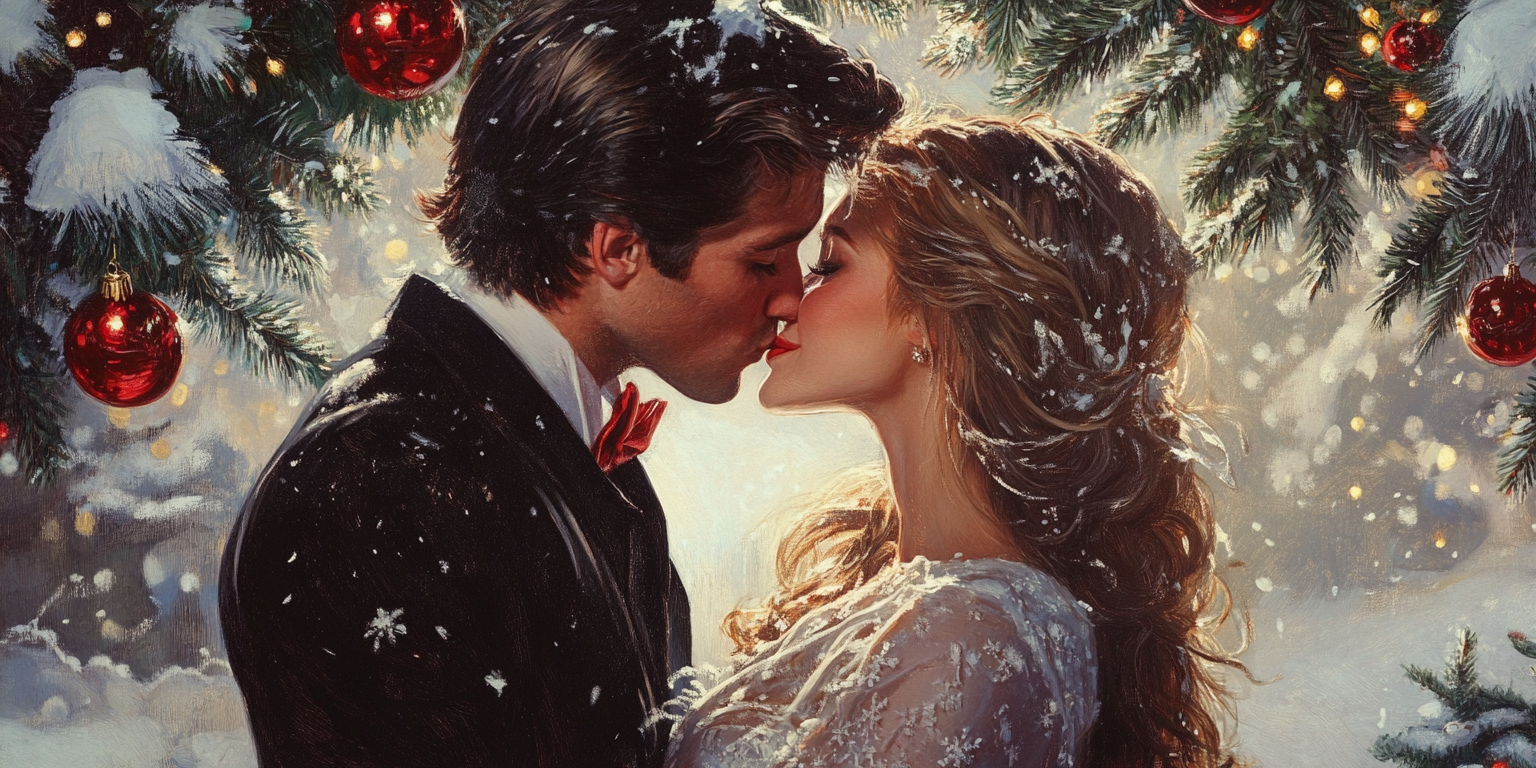
While mistletoe was sacred to Druids and featured in Norse mythology as a symbol of peace, its association with kissing only began in 18th-century England. The idea of stealing a kiss beneath mistletoe was a Victorian innovation rather than an ancient custom.
Myth 9: “Let It Snow” Was Written for Christmas
The classic song Let It Snow (1945) is often associated with Christmas, but it makes no mention of the holiday. Instead, it’s simply about enjoying cosy winter moments during snowfall. Similarly, Jingle Bells was written as a Thanksgiving song in 1857.
Myth 10: The Christmas Truce and Football Game in WWI
The idea of a widespread Christmas truce during World War I, where soldiers on both sides stopped fighting to play football, is somewhat exaggerated. While there were isolated truces and accounts of soldiers fraternising and playing games, the war continued in many areas. So, while the truce is a beautiful story, it didn’t happen universally.
Conclusion: The Magic Behind the Myths
Christmas is a season steeped in tradition and lore, and while many of these stories have been embellished or misunderstood over time, they still contribute to the charm and wonder of the holiday. Understanding the history behind the myths adds depth to our celebrations and reminds us of the diverse cultural influences that have shaped Christmas into what it is today.
So, the next time you hang a bauble on your tree, sip a festive drink, or sing Jingle Bells, take a moment to appreciate the rich tapestry of fact and fiction that makes this holiday so special.