

Why George Orwell’s 1984 Still Haunts Me 77 Years After It Was Published
The dystopian novel that refuses to stay in the past
On 8th June 1949, George Orwell published Nineteen Eighty-Four.
More than seven decades later, people are still talking about it.
That alone tells us something.
Thousands of novels have been published since Orwell’s masterpiece first appeared on bookshop shelves. Many have sold millions of copies. Some have won prestigious literary awards. Most have faded into obscurity.
Yet 1984 remains different.
Its language has entered everyday conversation. Its ideas have become shorthand for political debate. Its warnings continue to be referenced by politicians, journalists, campaigners, academics, and ordinary people trying to make sense of the world around them.
Very few books achieve that.
For me, 1984 is not simply one of the greatest novels ever written. It is one of the most important.
And every time I read it, I discover something new.
Understanding Orwell helps you understand 1984
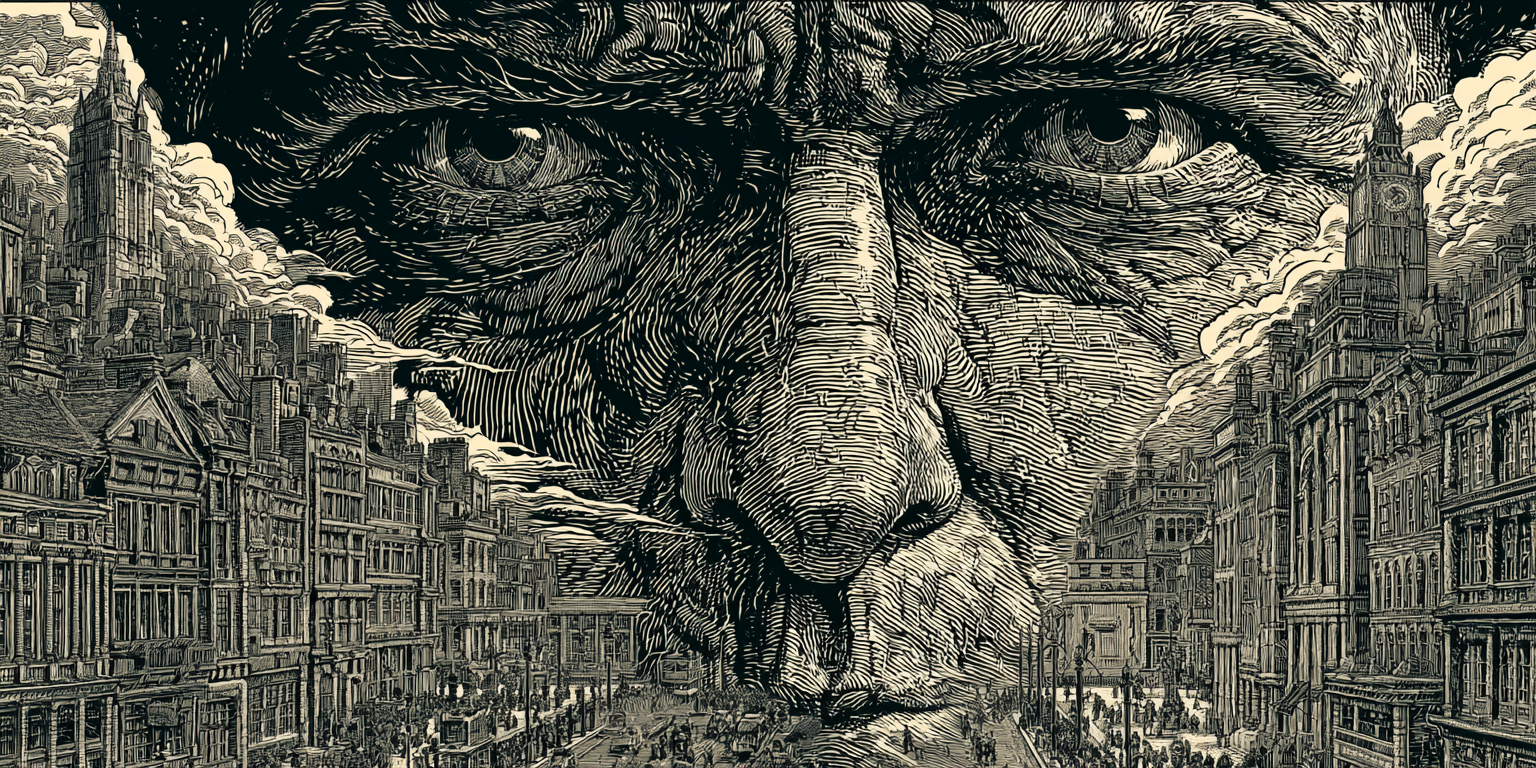
To understand why 1984 became so influential, you first need to understand the man who wrote it.
George Orwell was born Eric Arthur Blair in British India in 1903. Although often remembered as a quintessentially English writer, his background was more complex than that description suggests.
His family had connections to the British Empire. He was educated at Eton. He served as a police officer in Burma. He fought against fascism in the Spanish Civil War. He worked in wartime propaganda for the BBC.
Few writers experienced so many different sides of power.
Orwell saw imperialism up close in Burma. He witnessed ideological conflict firsthand in Spain. He observed propaganda from within during the Second World War.
These experiences shaped him profoundly.
What makes Orwell particularly fascinating is that he does not fit neatly into modern political categories.
He was a socialist.
He was fiercely anti-fascist.
He became deeply critical of Soviet communism.
He distrusted concentrated power regardless of where it came from.
That complexity is one of the reasons his work has endured. Orwell was not writing to support a tribe. He was writing to challenge one.
Including his own.
A book born from a century of nightmares
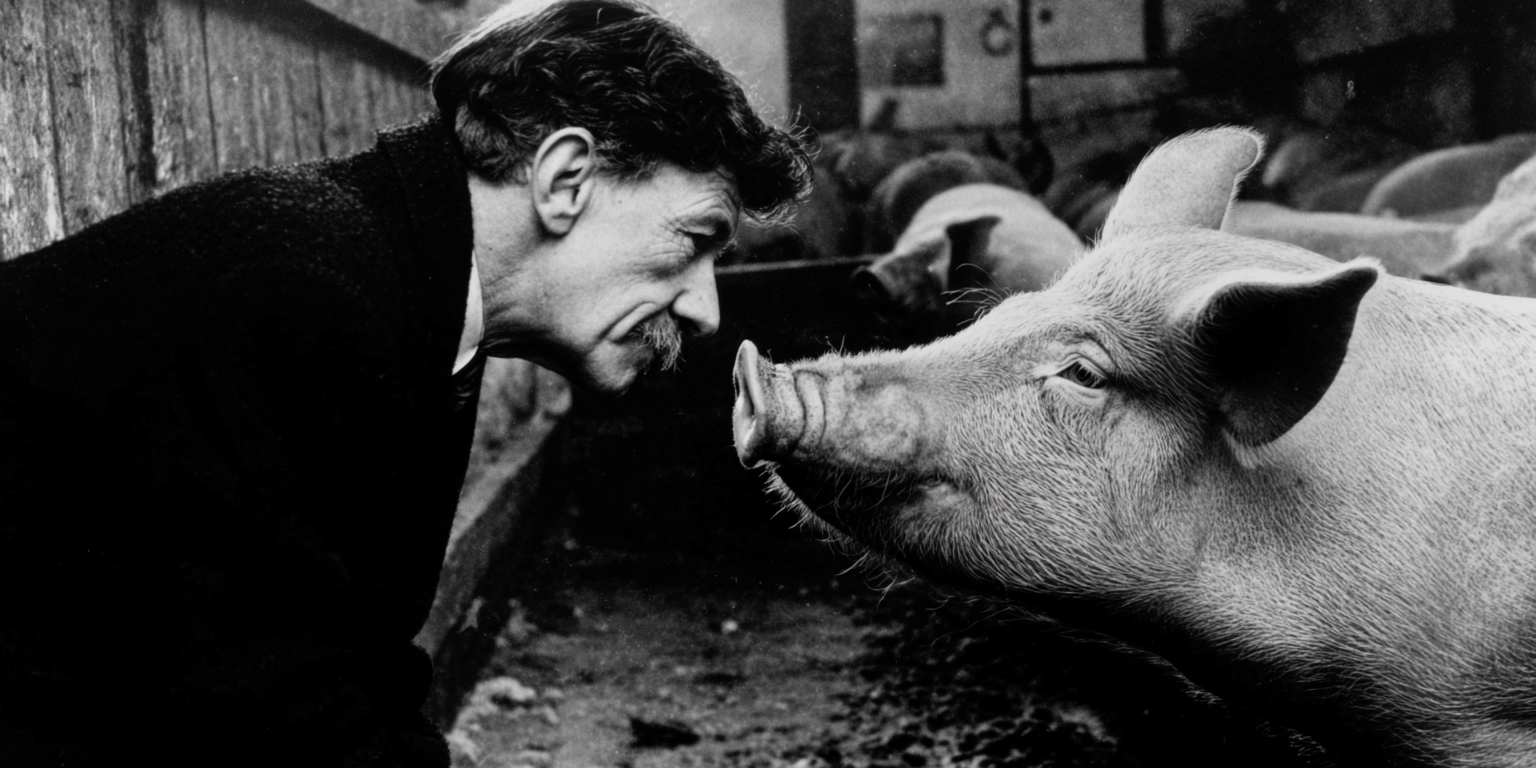
When Orwell began writing 1984, Europe was emerging from one of the darkest periods in human history.
The world had witnessed Nazi Germany.
It had witnessed Stalin’s Soviet Union.
It had witnessed industrial-scale propaganda, censorship, surveillance, mass imprisonment, and the manipulation of truth.
Orwell took these real-world trends and pushed them to their logical extreme.
The result was Oceania.
A state where citizens are constantly monitored.
A state where language is deliberately reduced.
A state where history is rewritten daily.
A state where independent thought itself becomes a crime.
Everything in the novel feels possible.
Because much of it had already happened somewhere.
The most terrifying idea in the book isn’t surveillance
Most people remember 1984 for Big Brother.
The giant posters.
The telescreens.
The Thought Police.
The constant surveillance.
Those elements are certainly memorable, but I don’t think they are the most frightening aspects of the novel.
The truly disturbing idea is the destruction of objective truth.
If a prediction fails, the prediction is altered.
If an ally becomes an enemy, history changes.
If a person falls from favour, they effectively cease to exist.
The Party’s slogan captures the idea perfectly:
“Who controls the past controls the future. Who controls the present controls the past.”
As someone who loves history, this is perhaps the most chilling part of the book. And I have to confess – I first heard this line in the song “Testify” by Rage Against the Machine a long time before I discovered my love for Orwell’s writings.
Orwell was a passionate student of history. He understood that societies rely on collective memory.
Destroy the record of the past and you make it far easier to control the future.
That idea feels remarkably relevant today.
Not because we live in Orwell’s world.
We don’t.
But because information has never been more abundant, more fragmented, or more contested.
The battle over what is true remains as important as ever.
The genius of doublethink
One of Orwell’s greatest inventions is the concept of doublethink.
The ability to hold two contradictory beliefs simultaneously and accept both as true.
It sounds absurd.
Yet the more you think about it, the more you realise how often human beings do it.
We rationalise.
We justify.
We ignore inconvenient evidence.
We protect beliefs that form part of our identity.
Psychologists have since explored concepts such as cognitive dissonance, confirmation bias, and motivated reasoning, all of which help explain why Orwell’s fictional concept feels so believable.
The Party’s famous slogans remain among the most unsettling lines ever written:
War is Peace.
Freedom is Slavery.
Ignorance is Strength.
They are deliberately illogical.
And that is precisely the point.
The Party’s ultimate goal is not merely obedience.
It is control over reality itself.
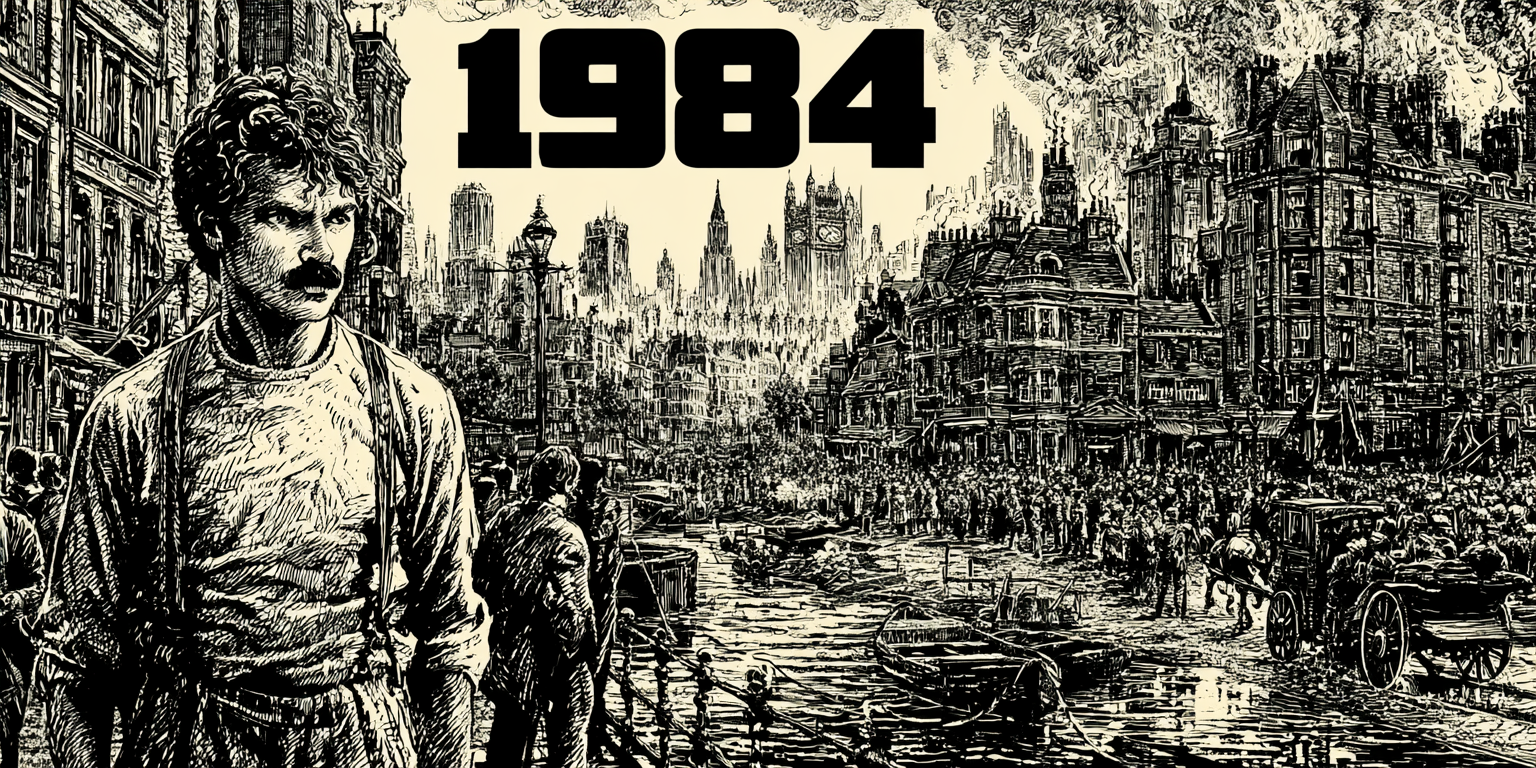
Why marketers should read 1984
At first glance, a dystopian novel might seem an unusual recommendation for marketers.
I would argue the opposite.
1984 is one of the most insightful books ever written about communication.
The Party understands the power of language.
It understands framing.
It understands repetition.
It understands symbols.
It understands emotional conditioning.
Goldstein functions as the ultimate common enemy during the Two Minutes Hate. Citizens are encouraged to direct their frustrations towards a carefully constructed villain.
The Party creates slogans.
It creates rituals.
It creates narratives.
It creates enemies.
It creates heroes.
The difference is that ethical marketing seeks to persuade.
The Party seeks to eliminate independent thought altogether.
That distinction matters enormously.
The part that breaks me every time
Many readers focus on the political themes.
For me, the most devastating aspect of 1984 is its ending.
**SPOILER ALERT**
Winston begins as an ordinary man trying to preserve a small part of his humanity.
He keeps a diary.
He falls in love.
He remembers fragments of the past.
He tries to hold on to truth.
By the end, all of that has been destroyed.
The Party doesn’t simply punish him.
It remakes him.
That is what makes the novel so different from many dystopian stories.
There is no triumphant rebellion.
There is no heroic victory.
There is no last-minute rescue.
The system wins.
And that is what stays with you.
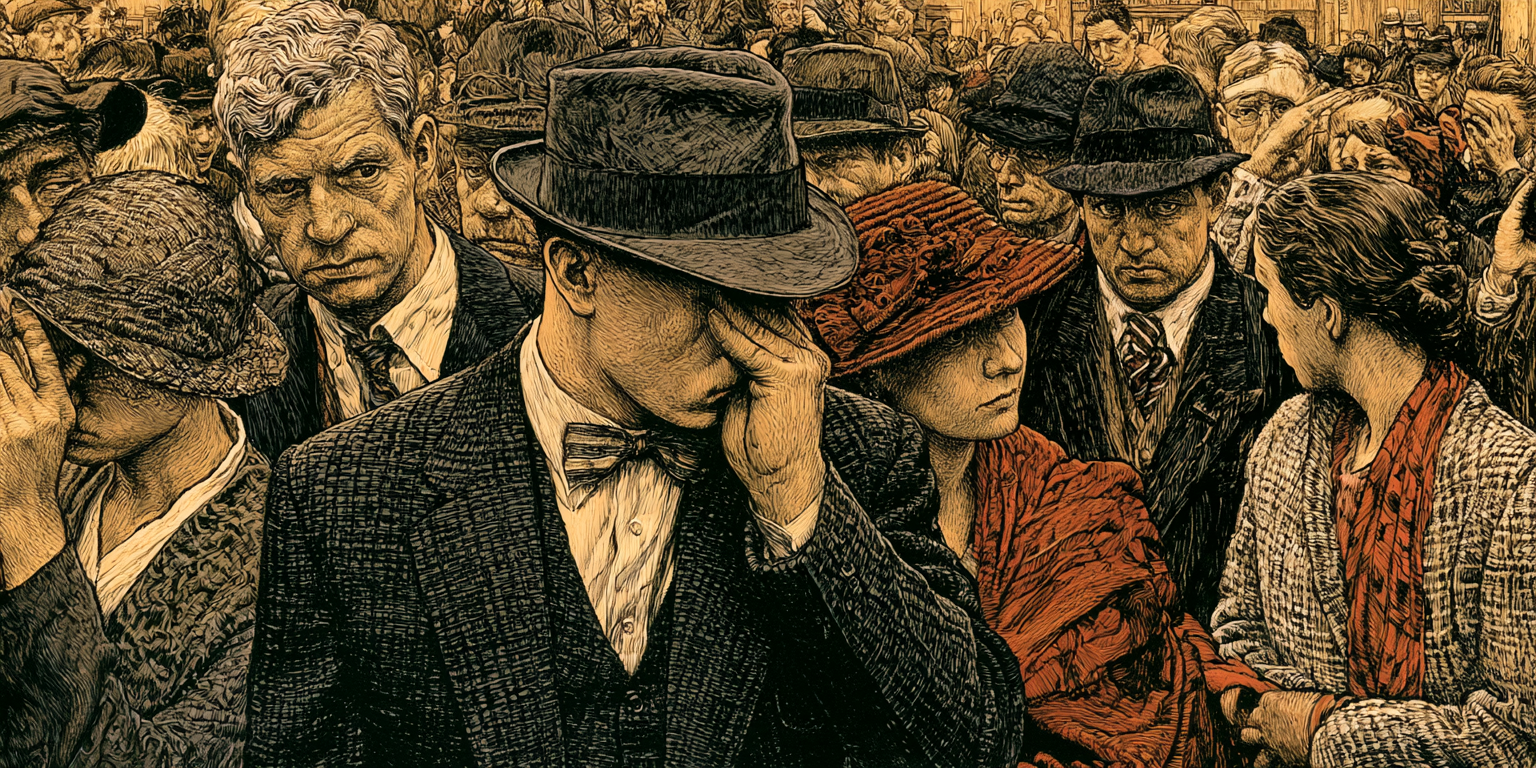
Why I keep returning to 1984
I first read 1984 because it is one of those books everyone says you should read.
I keep rereading it because it continues to reveal new layers.
One reading highlights propaganda.
Another highlights psychology.
Another highlights class structures.
Another highlights the role of language.
Another highlights the fragility of truth.
The older I get, the more I appreciate Orwell’s ability to explore enormous ideas through the story of one ordinary man.
That is extraordinarily difficult to achieve.
Orwell’s greatest warning
Many people describe 1984 as a prediction.
I think that misses the point.
Orwell was not trying to predict the future.
He was issuing a warning.
He had witnessed authoritarianism from multiple angles.
He had seen governments manipulate information.
He had seen political movements demand ideological conformity.
He had seen people surrender critical thinking in favour of slogans.
His message was simple.
Power must always be questioned.
Truth matters.
Language matters.
History matters.
Individual thought matters.
Those lessons remain just as valuable today as they were in 1949.
Final Thoughts
Seventy-seven years after publication, 1984 remains one of the most influential books ever written.
It has given us terms such as “Big Brother”, “Thought Police”, “doublethink”, and “Orwellian”.
It has influenced politics, journalism, literature, television, music, and popular culture.
More importantly, it continues to encourage readers to think critically about power and truth.
That is why I love it.
Not because it predicts the future.
Not because it provides easy answers.
But because it forces us to ask uncomfortable questions.
And perhaps that is the highest compliment you can pay any book.
George Orwell died in 1950 at the age of just 46.
Yet seventy-seven years after 1984 was published, we are still discussing it.
Very few writers achieve that kind of immortality.
Orwell did.
TL;DR
Published on 8th June 1949, 1984 remains one of the most influential novels ever written. Drawing on Orwell’s experiences in Burma, Spain, wartime Britain, and his observations of totalitarian regimes, the book explores surveillance, propaganda, censorship, class structures, and the destruction of objective truth. While many people focus on Big Brother, the novel’s most disturbing idea is arguably the manipulation of reality itself. More than seventy years later, 1984continues to challenge readers to think critically about power, language, history, and freedom.