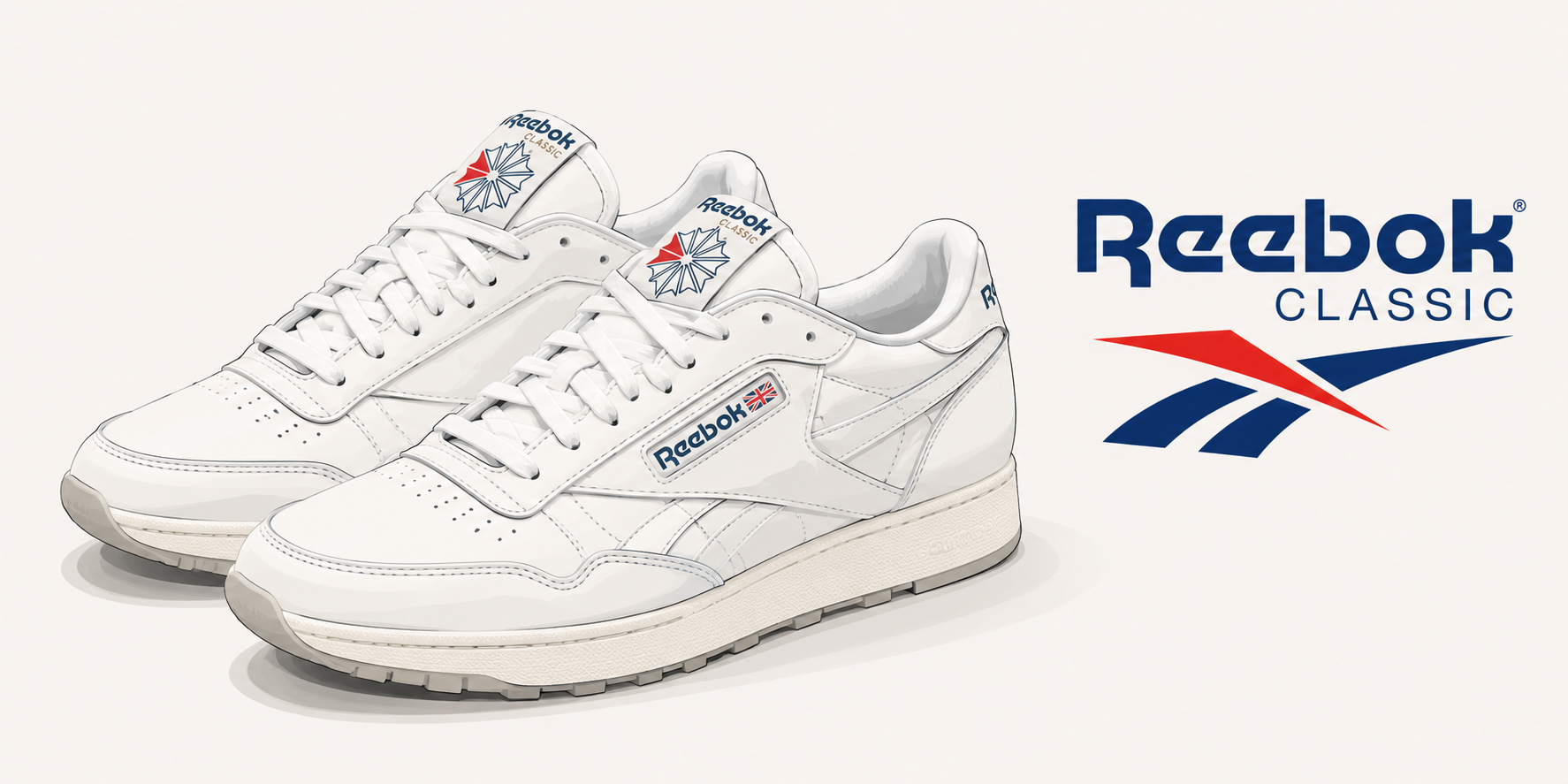

Reebok, Joe Foster and the Marketing Reinventions That Built the Brand
How a Bolton running shoe business became one of the most fascinating case studies in sportswear marketing
Reebok is one of those brands that feels as though it has lived several lives.
At different points, it has been a British running shoe pioneer, an American fitness phenomenon, a women’s aerobics icon, a basketball performance brand, a hip-hop fashion label, a CrossFit partner, a nostalgia-driven classics brand, and a slightly confused Adidas-owned sibling trying to work out where it sat in the sportswear family photo.
That is not a criticism. Well, not entirely.
In fact, Reebok’s history is fascinating precisely because it is not neat. It does not follow the clean, MBA-friendly story of “brand finds positioning, brand scales consistently, brand dominates forever”. If only marketing were that simple. If it were, half of LinkedIn would have to find something else to post about.
Reebok’s story makes more sense when you treat it as three overlapping histories.
First, there is the deeper heritage of J.W. Foster in Bolton, dating back to 1895, when the Foster family began making specialist running footwear. Second, there is the creation of Reebok itself in the late 1950s, when Joe and Jeff Foster broke away from the family firm and launched a new brand. Third, there is the American scaling story, beginning in 1979, when Paul Fireman licensed the brand into the United States and helped build the corporate machine that later became Reebok International Ltd.
Those three moments matter because Reebok has always sold two things at once: heritage and reinvention.
And that is where Joe Foster (an incredibly inspirational pioneer, that I was lucky enough to meet recently) becomes so important.
Joe Foster was not merely the man who co-founded Reebok. He was, in many ways, the brand’s original strategist. His early decisions look surprisingly modern: leave a stagnant family business rather than inherit decline, create a distinctive brand name rather than rely on family legacy, build distribution through communities rather than waiting patiently for major retailers, and keep pursuing the American market until product, timing and partnership finally aligned.
In Foster’s own later accounts, he came to see athletes as his real customers, sold shoes from the back of a car, recruited athletic clubs as agents, and pursued export long before Reebok became fashionable.
That sounds less like “old-fashioned selling” and more like community-led growth before anyone had invented a painfully expensive SaaS dashboard to measure it.
The Marketing Made Clear Podcast
Check out the Marketing Made Clear Podcast on all good streaming platforms including Spotify:
Reebok’s real marketing lesson
The central marketing lesson from Reebok is not simply that it “lost to Nike” – something that might be covered in an article such as in my Marketing Wars series including Adidas vs. Nike or Adidas vs. Puma.
That is too easy. It is also a bit lazy.
The more useful lesson is that Reebok repeatedly succeeded when it noticed cultural space that larger competitors had not yet fully occupied.
Women’s aerobics. Adjustable basketball footwear. Youth music culture. Functional fitness. Archive-led lifestyle fashion.
At its best, Reebok did not shout louder than Nike, Adidas or Puma. It found a different room entirely and started playing music before the others had arrived.
At its weakest, however, Reebok struggled when the brand promise became vague, when creativity outran brand linkage, or when product claims outran evidence. The EasyTone controversy is the clearest example of that last problem, and a fairly painful reminder that marketing confidence and substantiation are not the same thing.
Origins in Bolton
Reebok’s foundational story is not marketing fluff. It is rooted in a genuine British industrial lineage.
Bolton Council and Bolton Museum trace the story back to Joseph Foster’s work designing racing pumps for the 1924 British Olympic team and building one of the earliest mass producers of running shoes. Joe Foster’s own official site also ties Reebok’s heritage back to this late-Victorian Foster shoemaking tradition.
That distinction matters.
Reebok’s heritage begins in 1895, but Reebok the brand is a post-war creation.
The hinge moment came when Joe and Jeff Foster concluded that the family business was repeating old product logic into decline. According to Joe Foster’s later recollections, the business was still making essentially the same products it had made since the 1930s, while family conflict blocked renewal.
So Joe and Jeff left.
In late 1958, they set up a small factory in Bury and began again with very limited resources. The original trading name was “Mercury”, but when that could not be secured, Joe turned to an American dictionary he had won as a child, found “Reebok”, and registered the American spelling rather than the South African “rhebok”.
This is a lovely little branding detail because it shows how accidental some brand names can be. Somewhere out there, a brand consultant is crying into a 90-slide naming presentation.
But the name worked.
It was short, distinctive, memorable and different from the family-name tradition of J.W. Foster. That mattered. Joe Foster was not just making another shoe. He was creating a separate identity.
Grassroots before glamour
Those early Reebok years were not powered by glamorous brand campaigns.
They were powered by distribution hustle.
Foster recalled selling from the back of a car, identifying athletes as the real decision-makers, and writing to hundreds of clubs in the Amateur Athletic Association handbook with discount-and-agency offers. These offers allowed clubs to fund themselves while moving Reebok product.
In modern marketing language, this was:
- Grassroots channel strategy
- Community seeding
- Ambassador marketing
- Direct response
- Influencer marketing before the influencer had a ring light
This is one of the most interesting parts of the Reebok story because it shows that Joe Foster understood something many brands still forget: the customer is not always the same as the channel.
Retailers mattered, of course. But athletes gave credibility. Clubs created networks. Word of mouth travelled through real communities.
That is a very different model from simply buying awareness and hoping the market behaves itself.
The long road to America
The US breakthrough took far longer than Reebok mythology sometimes suggests.
Foster attended the NSGA show in Chicago for years and understood that specialist running credibility in America mattered enormously. Retail Dive’s Reebok timeline notes five-star ratings from Runner’s World for Reebok shoes such as the Aztec, Midas and Inca, while Foster himself described the pursuit of that external validation as crucial because top ratings could unlock major demand.
In 1979, Paul Fireman finally became the American distributor.
That changed the scale of the business.
Fireman would become essential to the American growth story, eventually helping create the corporate vehicle that became Reebok International Ltd. But it is important to keep the credit precise.
Joe Foster created the brand, the early distribution logic and the route into America.
Paul Fireman became the catalytic scale-builder who helped turn a British specialist brand into a global commercial force.
In other words, Foster built the spark. Fireman found the dry wood and a much bigger box of matches.
The Freestyle explosion and the aerobics revolution
The real commercial explosion came with women’s fitness.
The Reebok Freestyle, launched in 1982, was designed specifically for aerobics at a moment when many women were exercising in shoes borrowed from other sports or exercising barefoot.
According to TIME’s history of the Reebok Freestyle, the first 32,000 pairs sold out within days after a fitness-class promotion. Jane Fonda’s later use of the shoe amplified adoption organically, even though this was not built around a single formal celebrity contract.
From there, Reebok’s commercial curve steepened dramatically.
Net sales rose from $12.8 million in 1983 to $66 million in 1984 and $310 million in 1985. By 1986, analysts expected Reebok to hold nearly 30% of the US athletic footwear market.
That is not simply a successful product launch.
That is a category reframing.
Reebok did not just sell women a shoe. It recognised that women’s fitness was not a small side market. It was a cultural movement, a lifestyle shift and a commercial opportunity that bigger performance brands had underestimated.
This is where Reebok’s marketing genius becomes clearest.
Nike was building a powerful mythology around elite athletic ambition. Adidas had deep sporting heritage. Puma had its own sport and lifestyle credentials.
Reebok found a different emotional and cultural territory: fitness as participation, confidence and everyday movement.
Joe Foster as founder-strategist
Joe Foster’s biography matters because he did not lead Reebok as a detached corporate executive.
He came from a shoemaking family, experienced the limits of inheritance-led management first-hand, and built Reebok from a workshop culture outward. The strongest accounts of his career show him as a founder shaped by product craft, field selling and export persistence rather than formal managerial theory.
His strategic judgement appears in four early decisions.
| Joe Foster’s decision | Why it mattered | Modern marketing interpretation |
|---|---|---|
| Leaving the family firm | Allowed Joe and Jeff Foster to escape legacy constraints and build something new. | Strategic repositioning through organisational separation. |
| Creating a new brand name | Reebok was distinct from J.W. Foster and could build its own identity. | Brand differentiation and memory creation. |
| Using clubs and athletes as multipliers | Built credibility through communities rather than relying only on retailers. | Community-led growth and ambassador marketing. |
| Pursuing America repeatedly | Created the conditions for Reebok’s eventual global scale. | Market selection, persistence and export strategy. |
Foster’s vision was also competitive, but not reckless. He explicitly framed the Foster family split against the example of Adidas and Puma, whose founders had shown that family businesses could fragment into rival brands rather than simply disappear.
Later, Foster argued that founders need winning cultures rather than cults of personality: bring in people with expertise, create ownership, know the market, and keep moving.
For marketers, this is one of the most revealing parts of the Reebok story.
The company’s most successful eras were not built on one slogan or one shoe alone. They were built on organisational willingness to back a clear market insight hard.
The campaigns that built Reebok
Reebok’s campaign history falls into two broad phases.
The early decades were product-led and channel-led. Club agents, fitness instructors, retailer support, athlete visibility, fitness videos and event moments did much of the work.
From the 1990s onward, Reebok increasingly adopted agency-led, cross-channel brand systems: Super Bowl launches, global slogans, large media buys, digital activations, influencer extensions and, later, in-house and partner-led culture campaigns.
Reebok brand and campaign timeline
| Year | Milestone |
|---|---|
| 1895 | J.W. Foster founded in Bolton. |
| 1958 | Joe and Jeff Foster launch the business that becomes Reebok. |
| 1979 | Paul Fireman licenses Reebok for the US. |
| 1982 | Freestyle and the aerobics breakthrough. |
| 1984 | Because Life Is Not a Spectator Sport. |
| 1989 | The Pump. |
| 1993 | Planet Reebok. |
| 2001 | It’s a Woman’s World. |
| 2003 | Terry Tate: Office Linebacker. |
| 2005 | I Am What I Am. |
| 2007 | Run Easy. |
| 2009 | EasyTone. |
| 2011 | Reebok CrossFit Games era accelerates. |
| 2015 | Be More Human. |
| 2016 | Perfect Never. |
| 2019 | Sport the Unexpected. |
| 2022 | Life Is Not a Spectator Sport. |
| 2024 | Sport is Everything. |
Major Reebok Campaigns and Platforms
Reebok’s marketing history has two clear phases. First, the Joe Foster era: product-led, community-led and built through runners, clubs, fitness instructors, specialist retailers and word-of-mouth. Second, the global brand era, where Reebok used celebrity partnerships, Super Bowl ads, cultural collaborations, slogans and major media spend to compete with Nike, Adidas and Puma.
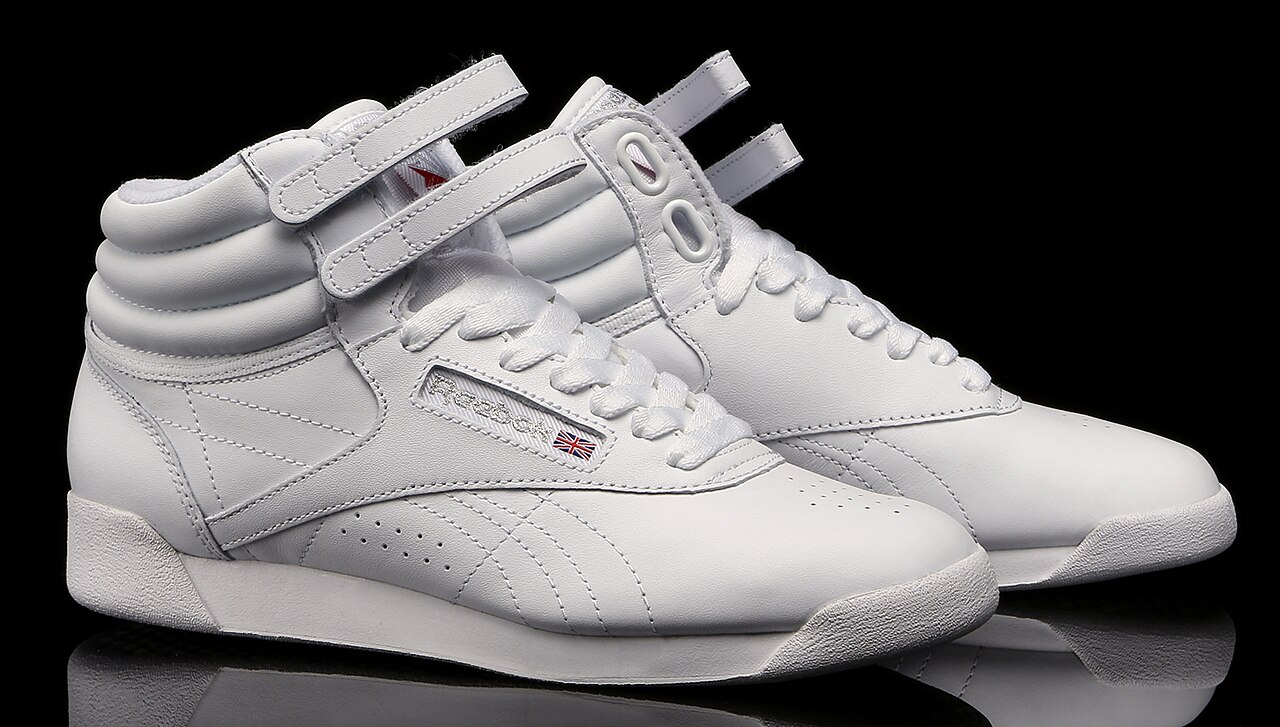
Reebok Freestyle and the Aerobics Explosion
Launched in 1982, the Reebok Freestyle was one of the brand’s defining products. It identified a market many bigger sportswear brands had underestimated: women’s fitness.
As aerobics boomed, Reebok created a shoe designed specifically for women and for fitness classes – not just a smaller version of a men’s shoe, thankfully.
The results were huge. The first 32,000 pairs reportedly sold out within days, and Reebok’s net sales rose from $12.8 million in 1983 to $310 million in 1985. By 1986, Reebok had overtaken Nike in the US athletic footwear market.
The lesson: Reebok did not win by copying Nike. It won by serving an audience Nike was not yet fully speaking to.
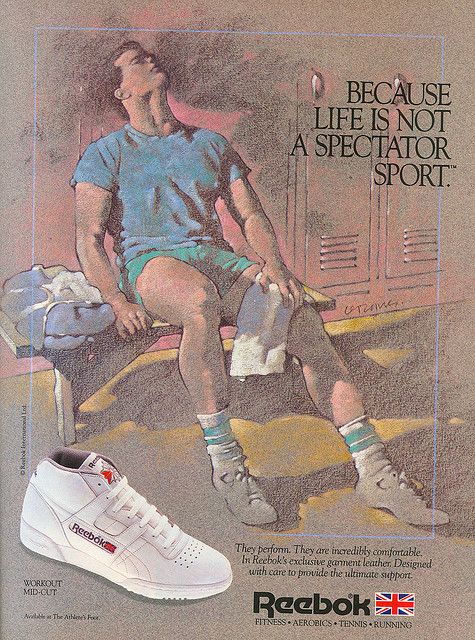
Because Life Is Not a Spectator Sport
In the mid-1980s, Reebok used the line “Because Life Is Not a Spectator Sport”.
It worked because it captured participation, movement and active living rather than just elite performance. It fitted Reebok’s roots in running, aerobics and fitness.
The line was strong enough to be revived in 2022, proving that good brand ideas can last when they are rooted in something real.
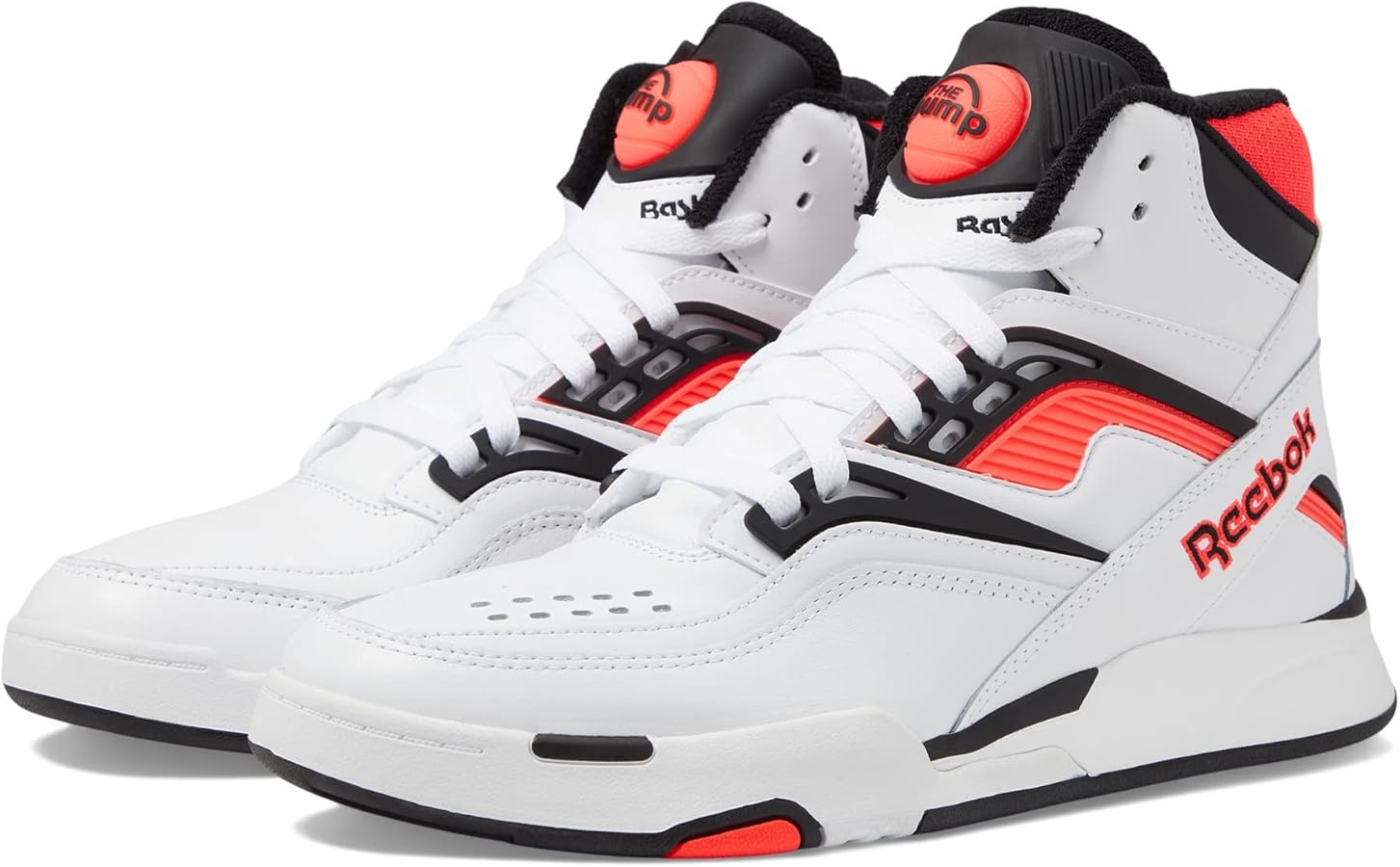
The Reebok Pump
Launched in 1989, The Pump gave Reebok one of its most distinctive product stories.
The internal inflation mechanism allowed wearers to adjust the fit. More importantly for marketing, it created theatre. Pressing the basketball-shaped pump became a memorable ritual.
The iconic moment came in 1991, when Dee Brown pumped up his Reeboks before winning the NBA Slam Dunk Contest. It was product demonstration, brand memory and sporting spectacle all in one.
The Pump showed the value of distinctive brand assets: name, mechanism, gesture, visual cue and performance promise.
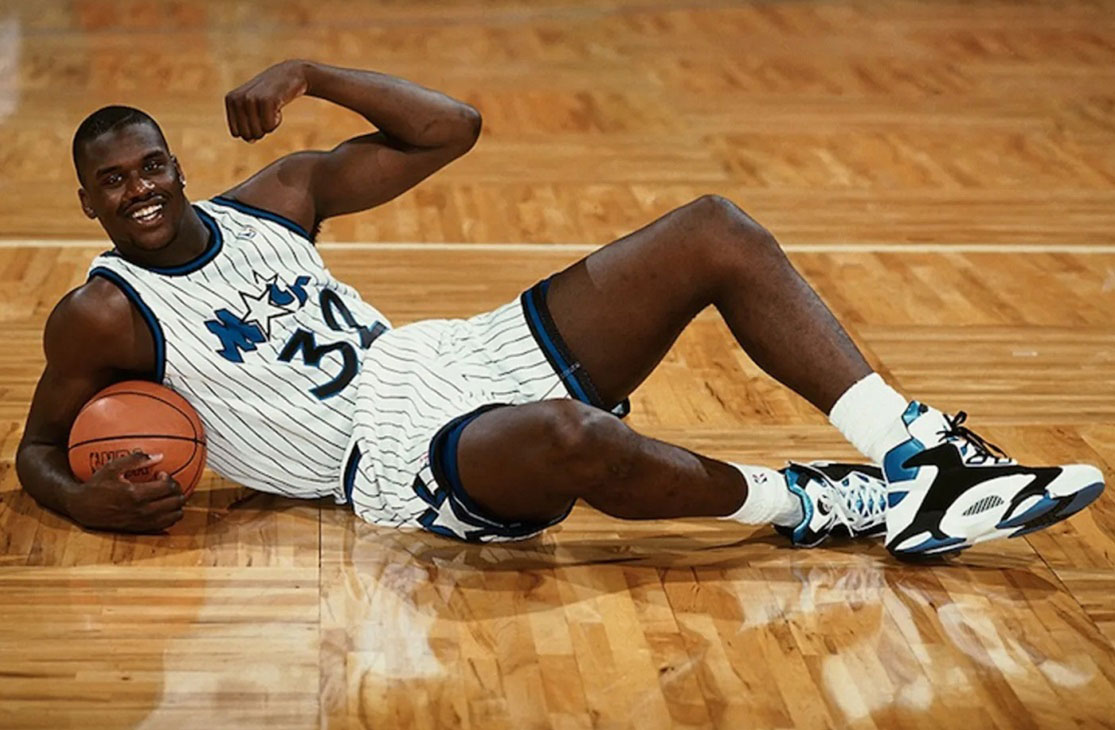
Shaquille O’Neal and the Shaq Attack
In the early 1990s, Reebok signed Shaquille O’Neal and launched the Shaq Attaq in 1992, followed later by models such as the Shaqnosis.
Shaq gave Reebok star power in basketball at a time when Nike’s Jordan machine was dominant. He was physically imposing, charismatic and instantly recognisable – basically a marketer’s dream, but in size 22 shoes (which Foster personally oversaw the creation of).
Reebok never built a basketball ecosystem as powerful as Jordan, but Shaq remains one of its most important athlete partnerships.

Planet Reebok
In 1993, Reebok launched Planet Reebok, its first major global advertising campaign.
Created by Chiat/Day/Mojo and launched with a 60-second Super Bowl advert, the campaign tried to create a unified global world around performance, youth culture and scale.
It marked Reebok’s move from product-led marketing into brand-world building. It was ambitious, but it did not become the long-term organising idea Reebok needed.
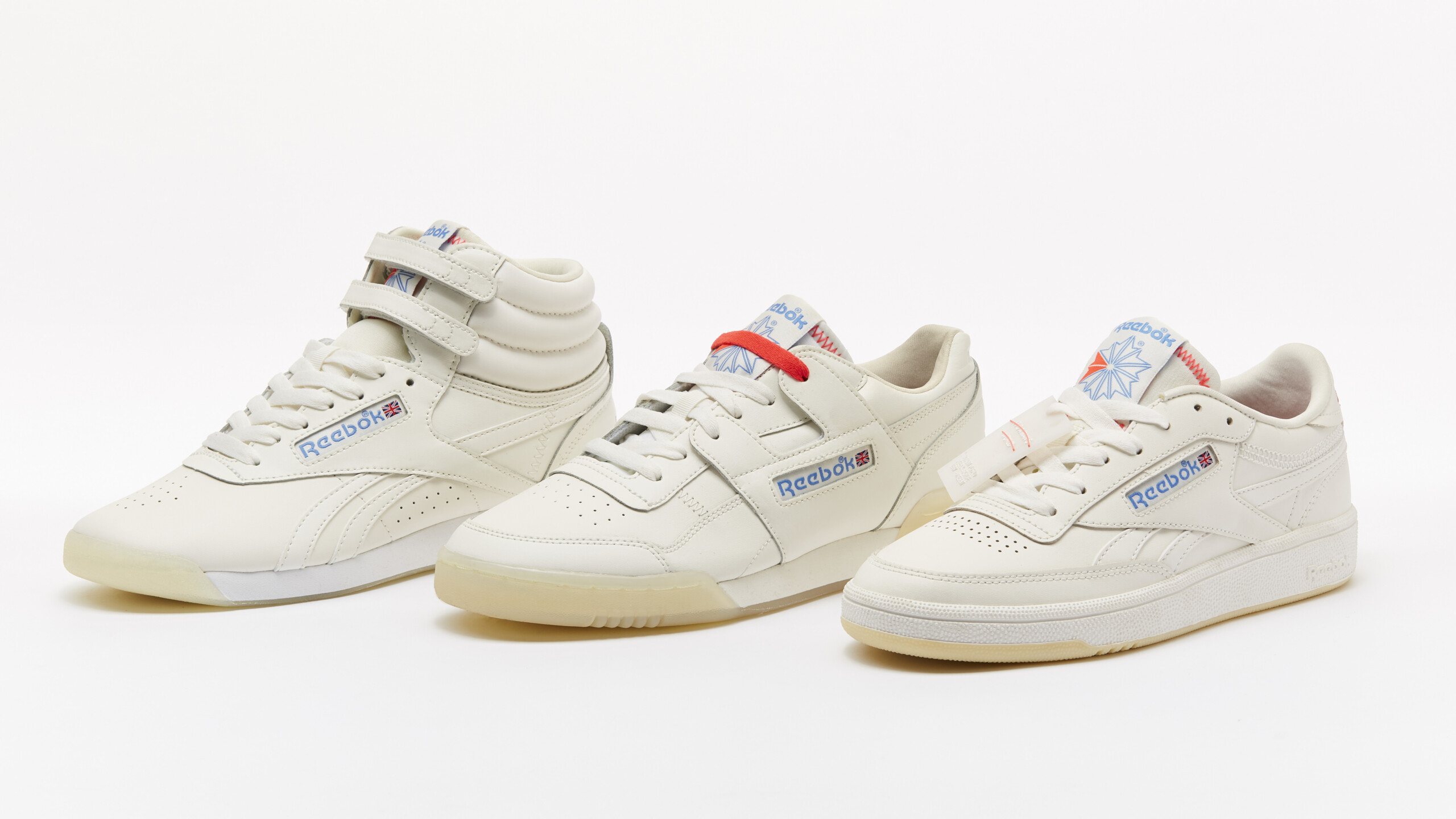
It’s a Woman’s World
In 2001, Reebok launched “It’s a Woman’s World” as part of its “Defy Convention” platform.
Featuring Missy Elliott and targeting women through national TV placements, the campaign reconnected Reebok with confidence, self-expression and female fitness culture.
It mattered because Reebok had genuine credibility in this space thanks to the Freestyle. When Reebok remembers its role in women’s fitness, it becomes far more distinctive.
Terry Tate: Office Linebacker
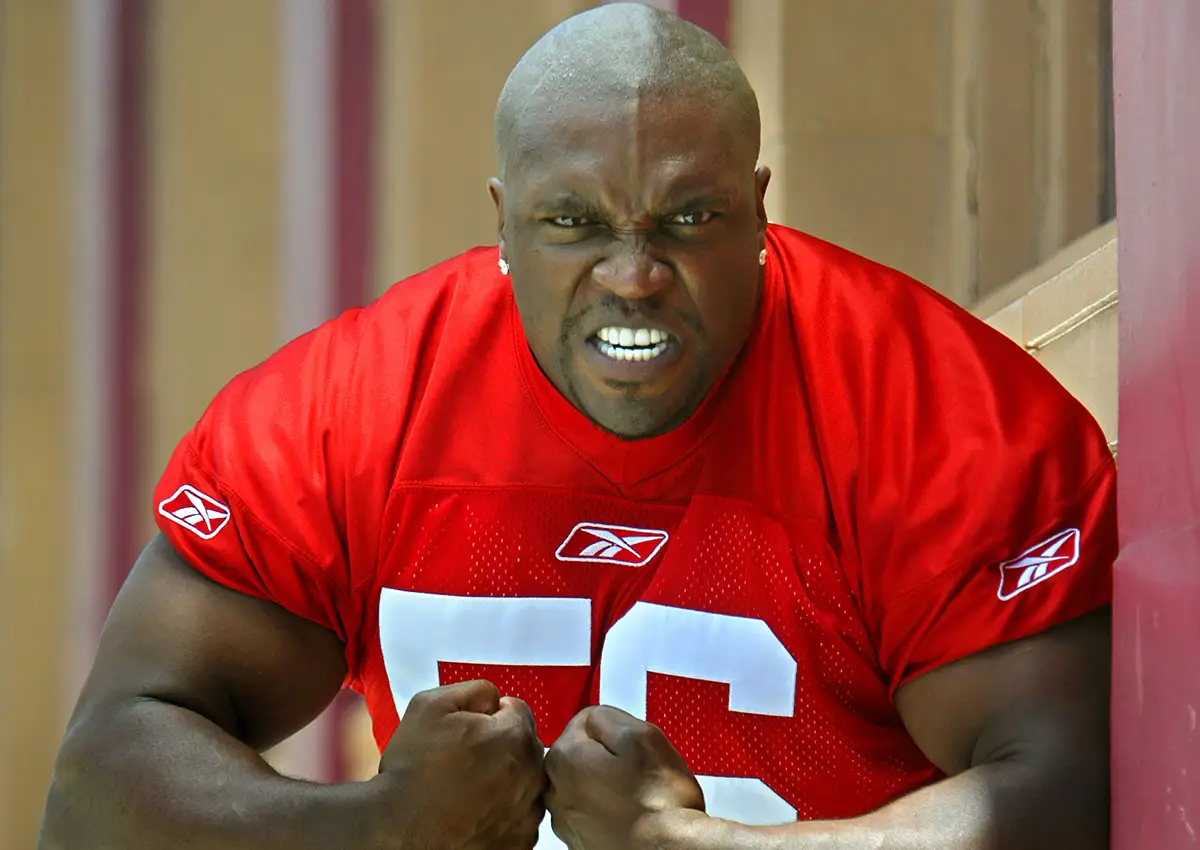
In 2003, Reebok launched Terry Tate: Office Linebacker during the Super Bowl.
The advert was brilliantly funny: a fictional linebacker enforcing office discipline by tackling employees. It became a cultural hit, and Reebok reportedly built a $15 million follow-on campaign around the character.
But there was a problem. Many people remembered Terry Tate better than Reebok. Sports Business Journal reported that only 55% of Ad Meter respondents recalled it was a Reebok advert.
The lesson: entertaining advertising is powerful, but fame still needs brand linkage.
I Am What I Am
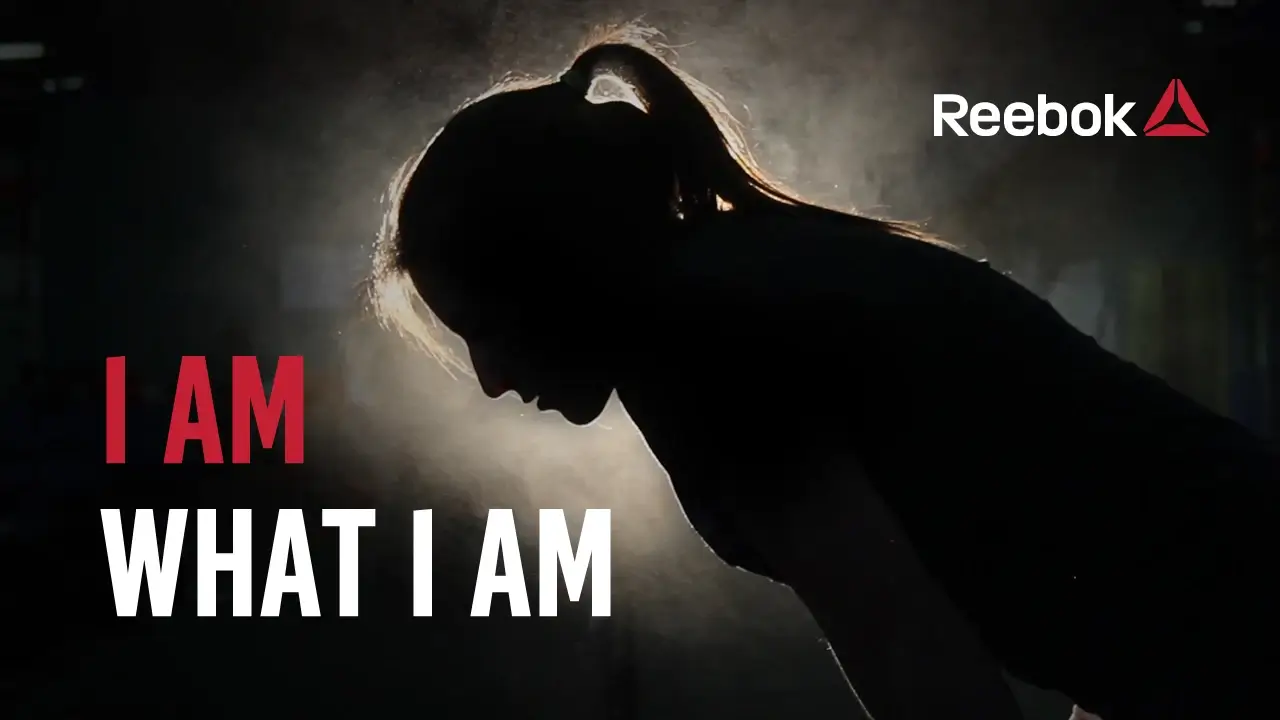
In 2005, Reebok launched “I Am What I Am”, one of its biggest global campaigns.
Created by mcgarrybowen, it featured athletes, musicians and cultural figures around individuality and authenticity. It ran across TV, cinema, print, billboards, retail, internet and interactive TV.
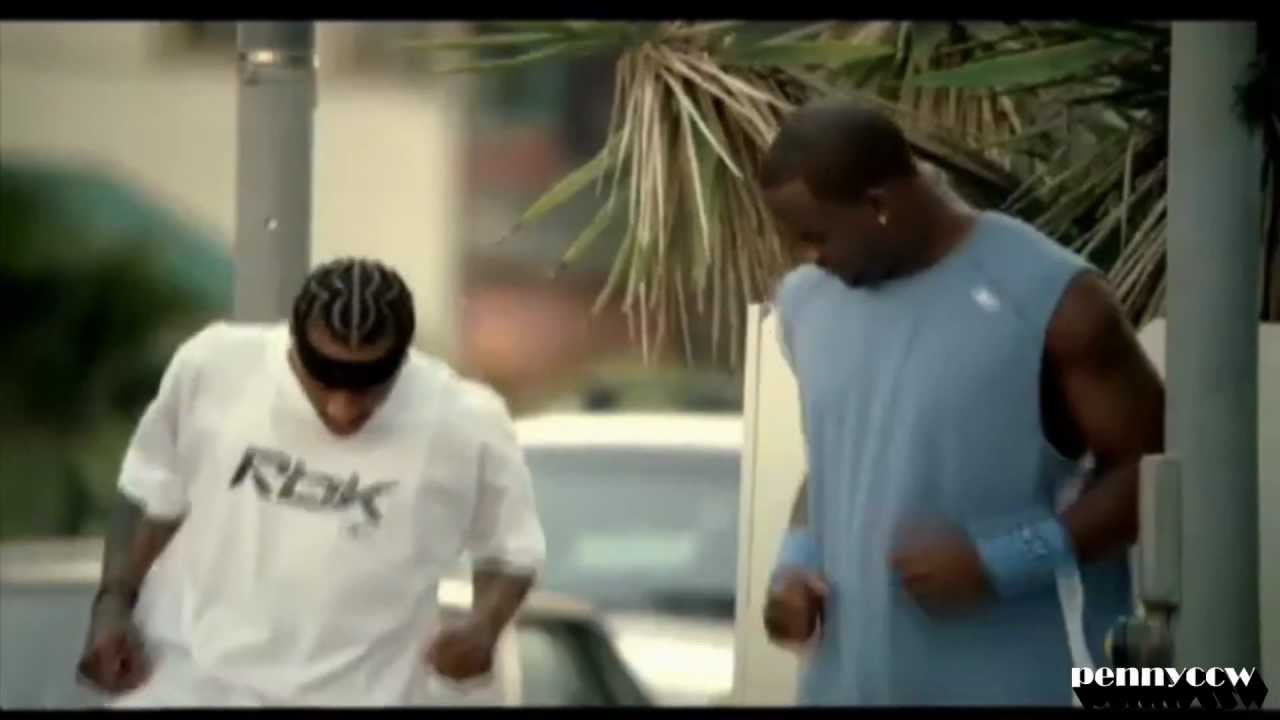
This was also the Rbk era, when Reebok leaned into hip-hop and youth culture through figures such as 50 Cent and Jay-Z. Reebok’s own filing reported that music-endorsed Rbk footwear more than doubled from 2003 levels.
The campaign fitted the early-2000s mood, although “authenticity” became hard to own once every brand started trying to say it.
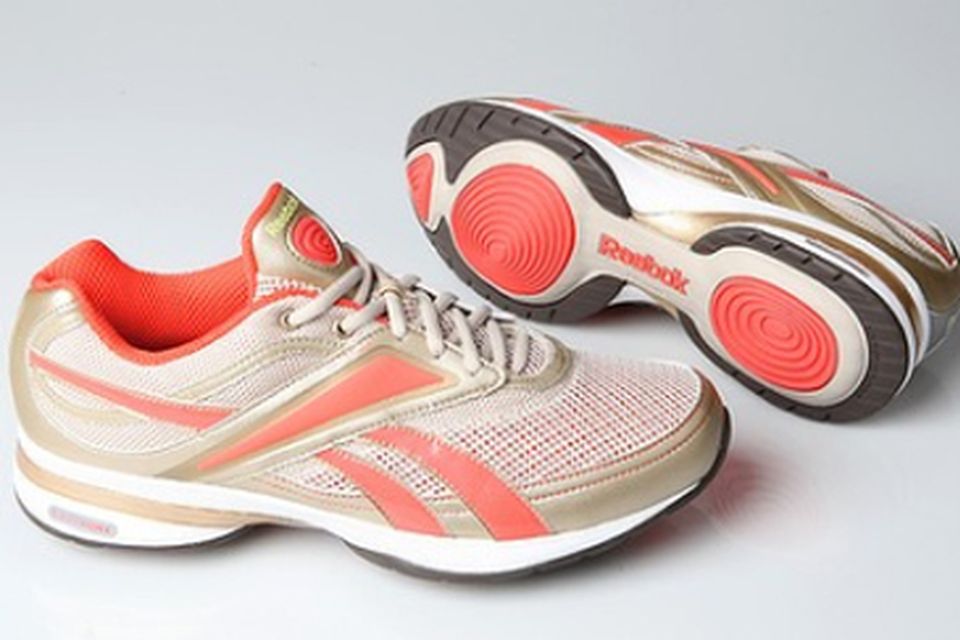
Run Easy
Rather than presenting running as punishment, it made it feel enjoyable, social and accessible. It was one of Reebok’s clearest anti-Nike moves.
The idea was smart, but the long-term impact is less clear. The lesson is that counter-positioning works best when it becomes more than a jab at the market leader.
EasyTone and RunTone
Around 2009, Reebok launched EasyTone and RunTone, promoting shoes that claimed to help tone muscles through walking and everyday movement.
Commercially, the idea was powerful. Trade reporting projected more than five million pairs in the US and around $500 million in retail sales.
Then came the problem. In 2011, the US Federal Trade Commission announced a $25 million settlement over allegedly unsupported toning claims.
The lesson: a strong benefit-led claim can sell, but if the evidence cannot support it, the campaign can become a long-term reputational problem.
CrossFit and The Sport of Fitness
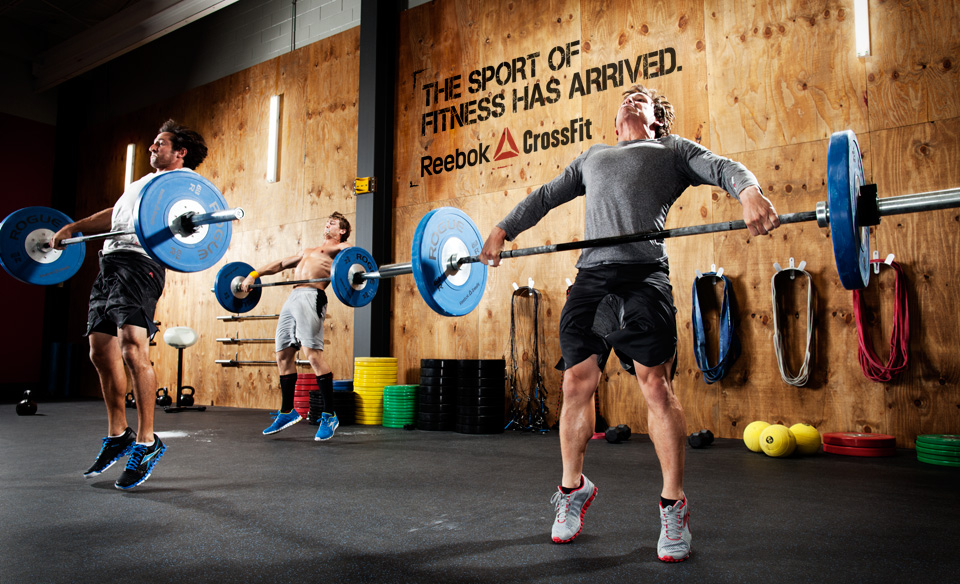
Reebok’s CrossFit partnership, announced around 2010, became one of its most important modern moves.
It gave Reebok title sponsorship of the CrossFit Games and placed the brand at the centre of functional fitness. Like aerobics in the 1980s, CrossFit was a fast-growing fitness culture that bigger competitors had not yet fully owned.
However, partnerships bring dependency. The relationship later became strained, including a licensing dispute, and Reebok moved away from CrossFit after the Greg Glassman controversy in 2020.
Be More Human
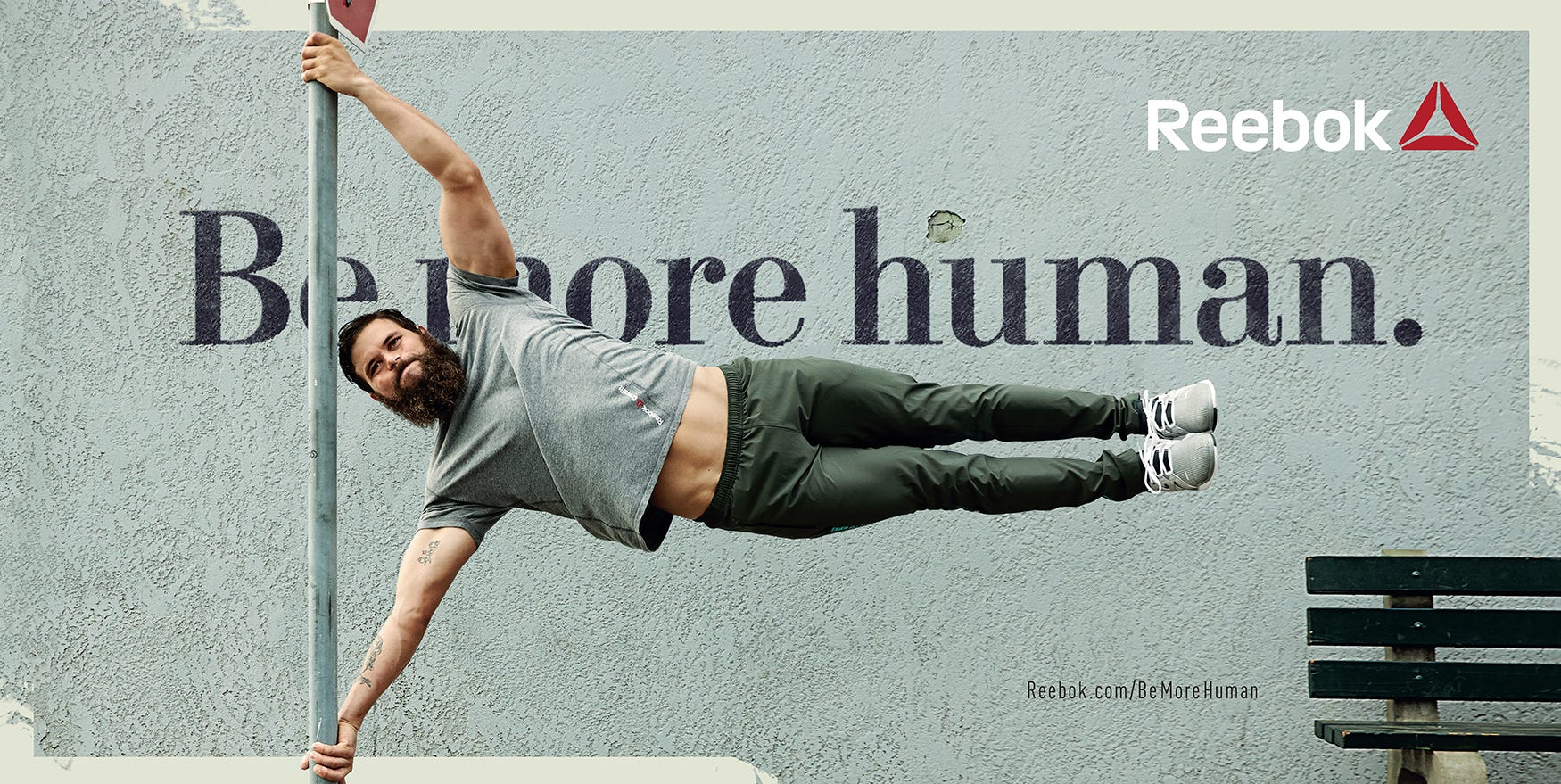
In 2015, Reebok launched “Be More Human” with Venables Bell & Partners.
The campaign positioned fitness as more than physical improvement. It was about becoming tougher, more connected and more fully human.
It fitted the rise of group fitness and functional training, with a strong focus on women and training communities. Retail Dive, citing Adidas, reported Reebok sales were up 8% worldwide in the first half of 2015.
The platform later extended into “#PerfectNever” with Ronda Rousey and Gigi Hadid.
This worked because it gave fitness emotional depth. As Kotler would recognise, brands compete through meaning, not just products.
Sport the Unexpected
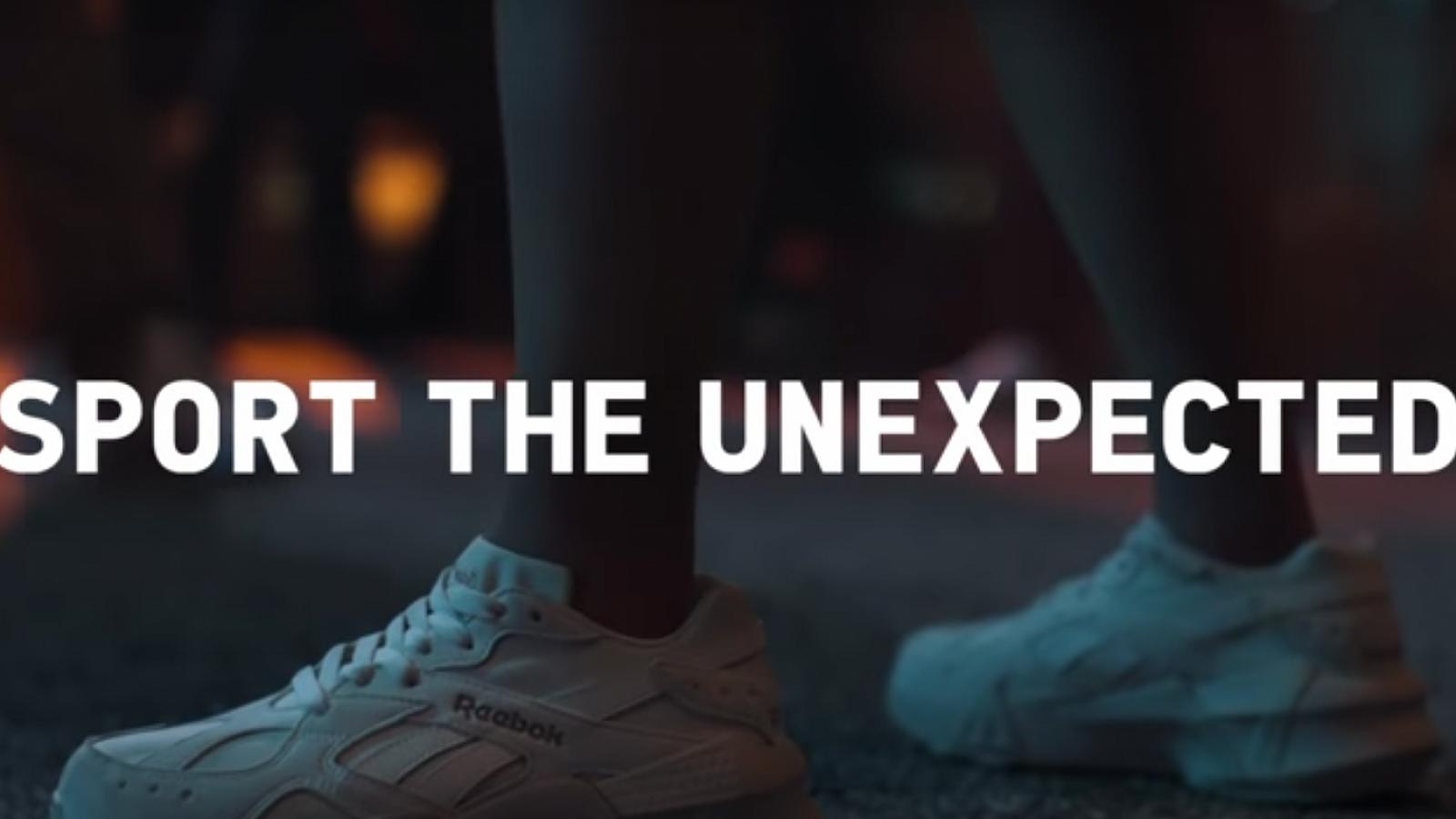
In 2019, Reebok launched “Sport the Unexpected”.
Created by Venables Bell & Partners, it leaned into Reebok’s outsider status rather than pretending to dominate the category. The campaign used irreverence, 1990s nostalgia, archive products such as Aztrek and Club C, and celebrity-led creative.
It was smart because it accepted reality. Reebok could not simply outspend Nike, so it had to be stranger, sharper and more self-aware.
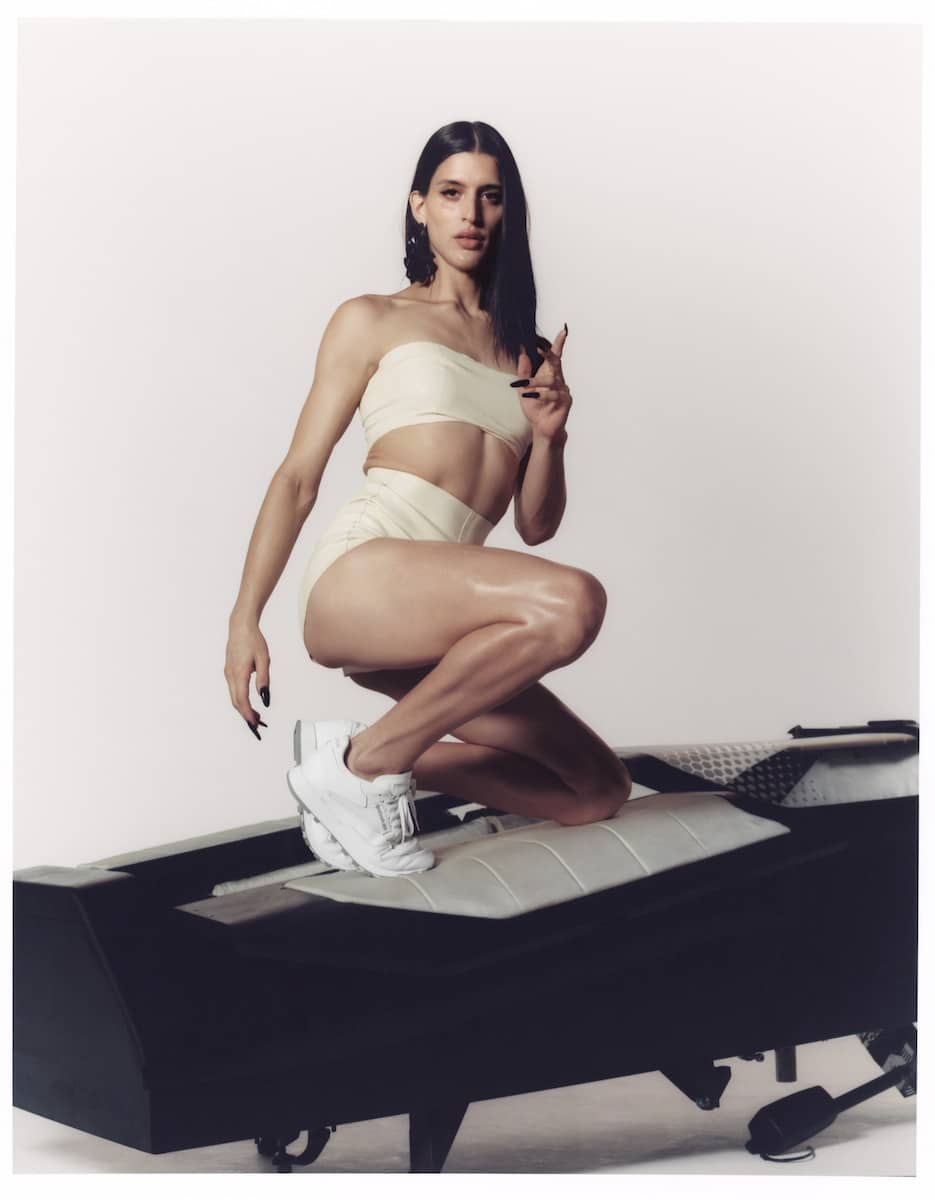
Life Is Not a Spectator Sport
In 2022, Reebok revived “Life Is Not a Spectator Sport”.
Led in-house by Jide Osifeso, the campaign used the Classic Leather as a hero product and reconnected Reebok with participation, culture and movement.
For a brand with such a fragmented history, returning to a genuine historical asset made sense. Heritage works best when it is used as authority, not nostalgia for nostalgia’s sake.
Sport Is Everything
In 2024, Reebok launched “Sport is Everything” under Authentic Brands Group ownership.
Featuring athletes and cultural figures including Angel Reese, Justin Fields and Shakur Stevenson, the campaign aimed to signal a return to sport while keeping Reebok connected to culture and self-expression.
It is too recent to judge properly, but strategically it shows Reebok trying to rebuild sporting credibility. The risk, as ever, is broadness. Reebok rarely lacks ideas. Its bigger challenge has always been consistency.