

From Star Wars to a Marketing Empire: How Lucasfilm and Disney Built One of the Most Powerful Brands in History
From Darth Vader to Disney+ – decoding the spikes, strategy, and staying power behind Star Wars’ global dominance
There are brands, and then there is Star Wars.
Not just a film franchise. Not just a series of characters. But a cultural operating system that has quietly (and sometimes very loudly) shaped how modern entertainment marketing works.
If you were building a textbook case study for Marketing Made Clear, you’d struggle to find a cleaner example of long-term brand building, ecosystem thinking, and cultural relevance than Star Wars. It’s not just survived since 1977 – it’s adapted, expanded, stumbled occasionally, and then come back swinging with the kind of resilience Charles Darwin would probably nod approvingly at.
And yes, those Google Trends spikes you’ve identified? They tell a story that most marketers would kill to replicate.
The Marketing Made Clear Podcast
Check out the Marketing Made Clear Podcast on all good streaming platforms including Spotify:
The Google Trends Story: Spikes That Mirror Strategy
What you’re seeing isn’t random noise. It’s a masterclass in event-driven marketing.
Let’s decode those spikes:
- 2005 – Release of Star Wars: Episode III – Revenge of the Sith
The end of the prequel trilogy. Peak nostalgia, peak anticipation, peak attention. - 2015 – Release of Star Wars: The Force Awakens
Arguably the most important spike. This marks the revival under Disney after acquiring Lucasfilm in 2012. A new generation meets an old galaxy. - 2017 & 2019 – The Last Jedi and The Rise of Skywalker
Continued interest, though slightly diminished – a reminder that not all sequels hit equally. - Smaller spikes (2004, 2016, 2020, 2025)
These are fascinating. They represent something deeper:- Streaming releases
- Spin-offs like The Mandalorian
- Cultural moments (memes, anniversaries, new announcements)
This is the key lesson:
Star Wars doesn’t rely on one product cycle – it engineers continuous relevance.
World-Building as a Marketing Strategy
Most brands build products. Star Wars built a universe.
And that’s not just poetic – it’s strategic.
When George Lucas created Star Wars, he wasn’t just telling a story. He was creating:
- A mythology
- A visual language
- A character ecosystem
- A timeline spanning generations
Compare that to most brands, who are still trying to get consistency across their Instagram grid.
The brilliance lies in this:
The product is not the film. The product is the universe.
Which means:
- Every character becomes a brand asset
- Every storyline becomes content fuel
- Every era becomes a new entry point for audiences
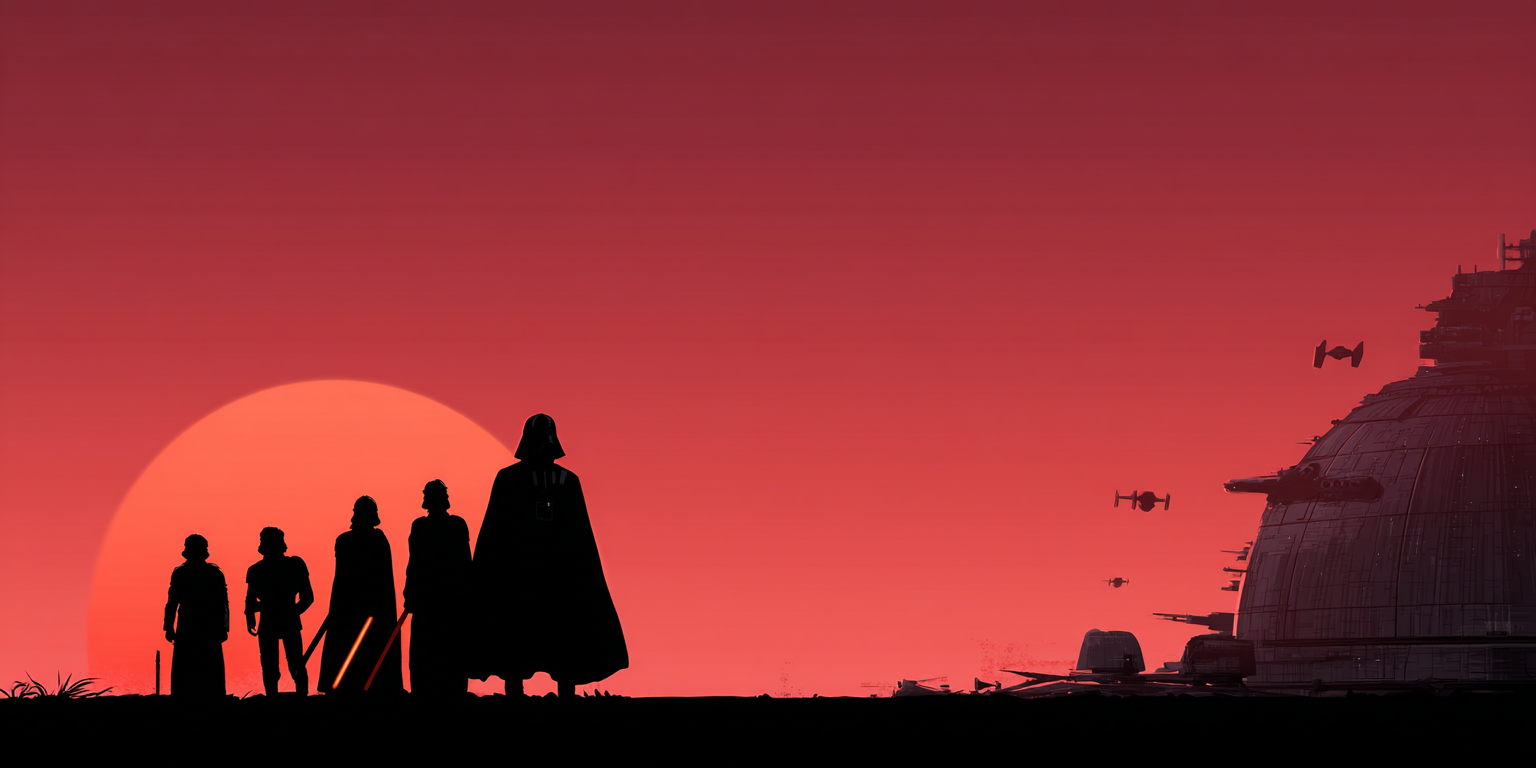
That’s why Yoda can sell toys to children and inspire leadership quotes on LinkedIn in the same week.
Merchandising: The Revenue Engine Most Brands Miss
Here’s where it gets quietly outrageous.
Before Star Wars, merchandising was an afterthought in film. After Star Wars, it became the business model.
George Lucas famously retained merchandising rights – a decision that turned out to be one of the most lucrative moves in entertainment history.
We’re talking about:
- Toys
- Clothing
- Video games
- Books
- Theme parks
- Lego collaborations (LEGO being a particularly strong partner)
Most brands think in campaigns.
Star Wars thinks in ecosystems.
And the genius is this:
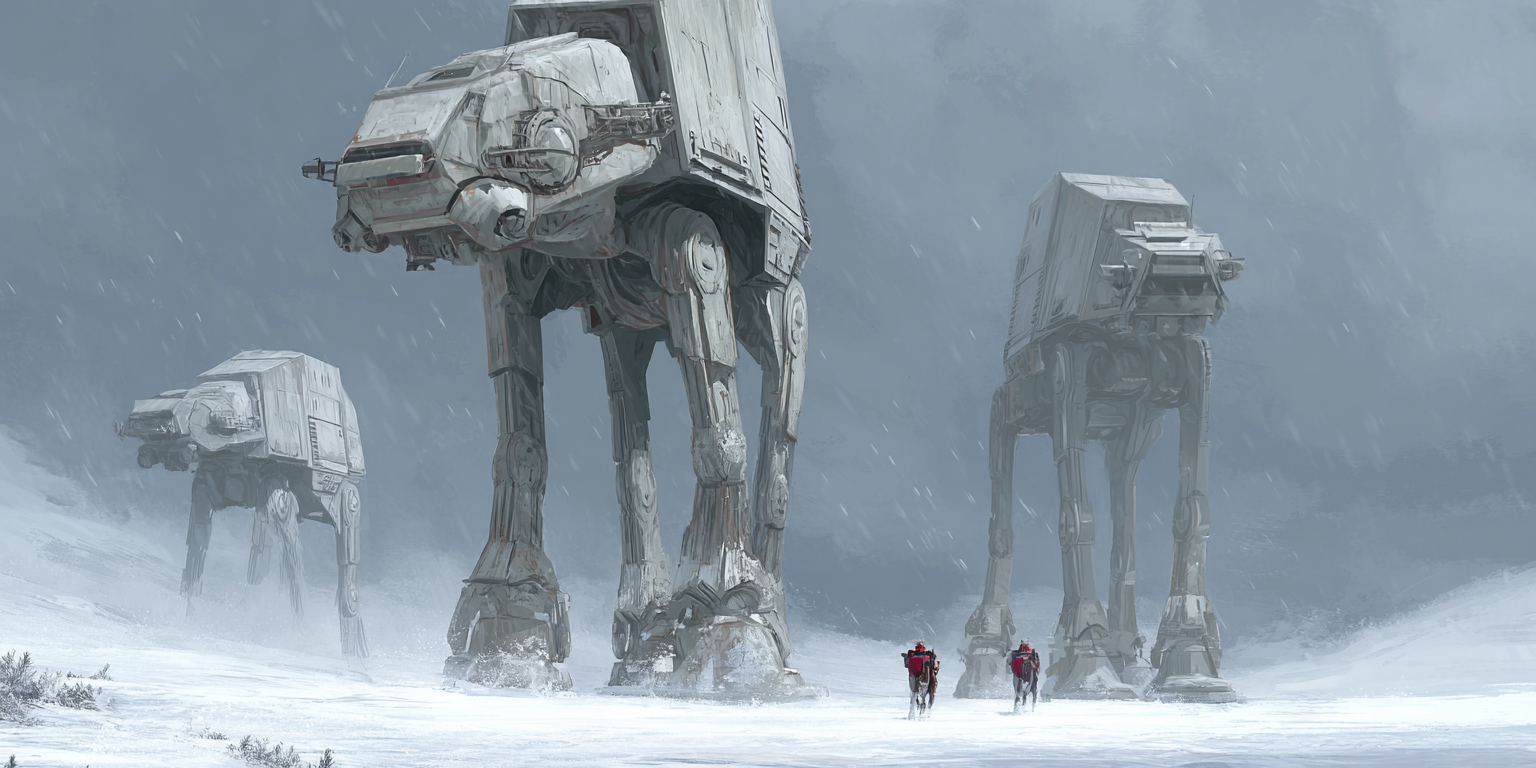
Merchandise isn’t an add-on – it’s a core touchpoint in the brand experience.
Nostalgia: The Most Powerful Emotional Lever
If marketing had a cheat code, nostalgia would be it.
Star Wars doesn’t just use nostalgia – it industrialises it.
When The Force Awakens launched in 2015, it didn’t just introduce new characters. It deliberately echoed the original trilogy:
- Familiar story beats
- Legacy characters like Han Solo
- Visual callbacks
This wasn’t lazy storytelling. It was strategic emotional anchoring.
The result?
- Older audiences felt seen
- New audiences felt included
- The brand bridged generations seamlessly
For marketers, the takeaway is simple:
Nostalgia works best when it invites people back in, not when it traps them in the past.
Platform Expansion: From Cinema to Streaming Dominance
The shift from cinema to streaming could have fragmented the brand.
Instead, Star Wars used it as an expansion opportunity.
Enter The Mandalorian on Disney+.
This wasn’t just a spin-off. It was a strategic move to:
- Drive subscriptions
- Maintain year-round engagement
- Introduce new characters (hello, Baby Yoda, or technically Grogu*)
And crucially:
It created smaller, more frequent spikes in attention.
This is modern marketing in action:
- Less “big bang”
- More “always-on relevance”
Community: The Force Behind the Force
You don’t build a brand like Star Wars without a community that borders on religious devotion.
Fans don’t just consume Star Wars. They:
- Debate it
- Defend it
- Criticise it (loudly)
- Create content around it
From cosplay to Reddit threads to YouTube breakdowns, the community does a huge portion of the marketing for free.
Of course, it’s not always smooth. The backlash around The Last Jedi showed how passionate (and divided) that community can be.
But here’s the uncomfortable truth:
Indifference kills brands. Passion – even negative passion – keeps them alive.
The Occasional Stumble (Because No Brand Is Perfect)
It would be dishonest (and very un-Marketing Made Clear) to pretend it’s been flawless.
- Some films have divided audiences
- Over-saturation has been a concern
- Not every spin-off has landed
But here’s the important bit:
The brand absorbs the shock and keeps moving.
That’s the benefit of having:
- A deep universe
- Multiple entry points
- A diversified content strategy
Most brands don’t fail because of one bad campaign.
They fail because they don’t have enough brand depth to recover.
What Marketers Can Learn from Star Wars
If you strip away the lightsabers and space battles, you’re left with a set of principles that apply to almost any industry:
- Build a world, not just a product
- Think long-term – decades, not quarters
- Use cultural moments to create spikes in attention
- Monetise beyond the core product
- Balance nostalgia with innovation
- Invest in community, even when it’s uncomfortable
- Stay adaptable across platforms and formats
Or, to put it more bluntly:
Most brands are trying to win campaigns.
Star Wars built something that wins generations.
TL;DR
- Star Wars is one of the most powerful marketing ecosystems ever created
- Google Trends spikes align closely with major releases and strategic expansions
- Its success comes from world-building, merchandising, nostalgia, and platform adaptability
- Streaming and spin-offs have enabled continuous relevance rather than one-off peaks
- The community plays a huge role in sustaining the brand
- The key lesson: build something that lasts, not just something that launches