

When Cigarette Companies Bought Your Dinner
How Tobacco Giants Quietly Took Over the Food Industry
At first glance, cigarettes and biscuits do not appear to belong in the same corporate portfolio.
One is a product widely linked to lung cancer and premature death. The other is something you might dip in a cup of tea while watching television. Yet during the late twentieth century, some of the world’s largest tobacco companies quietly became some of the world’s largest food companies.
The phenomenon was not accidental. It was strategic, calculated, and arguably one of the most fascinating corporate pivots in modern marketing history.
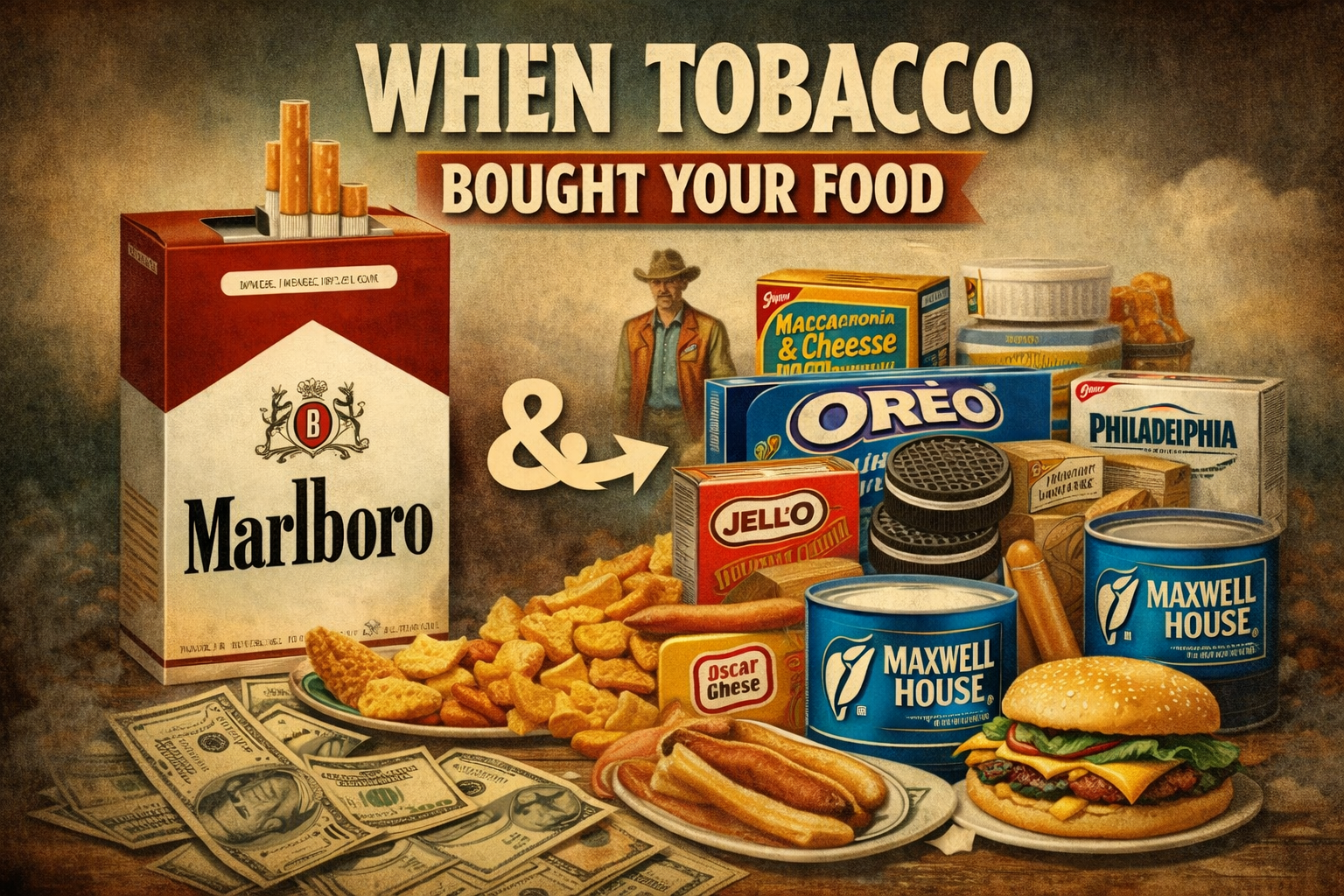
By the 1990s, the same corporations that sold Marlboro cigarettes were also selling Oreos, Kraft cheese, Cadbury chocolate, and Ritz crackers.
Understanding why this happened reveals a great deal about corporate strategy, brand risk, regulation, and the psychology of consumer products.
Note:
This article features content from the Marketing Made Clear podcast. You can listen along to this episode on Spotify:
The Tobacco Industry’s Reputation Problem
The turning point came in 1964, when the U.S. Surgeon General released a landmark report confirming the health risks of smoking. From that moment onwards, tobacco companies faced a long-term reputational and regulatory storm.
Advertising restrictions increased. Public perception worsened. Lawsuits multiplied.
For tobacco executives, the problem was obvious:
-
Cigarettes were profitable
-
Cigarettes were addictive
-
Cigarettes were becoming politically toxic
Diversification became a logical strategy.
If your core product is increasingly controversial, one option is to buy businesses that sell products people actually like.
Preferably ones that can be marketed on television.
The Great Tobacco–Food Shopping Spree
From the 1970s to the 1990s, tobacco companies embarked on an extraordinary buying spree across the food industry.
Philip Morris
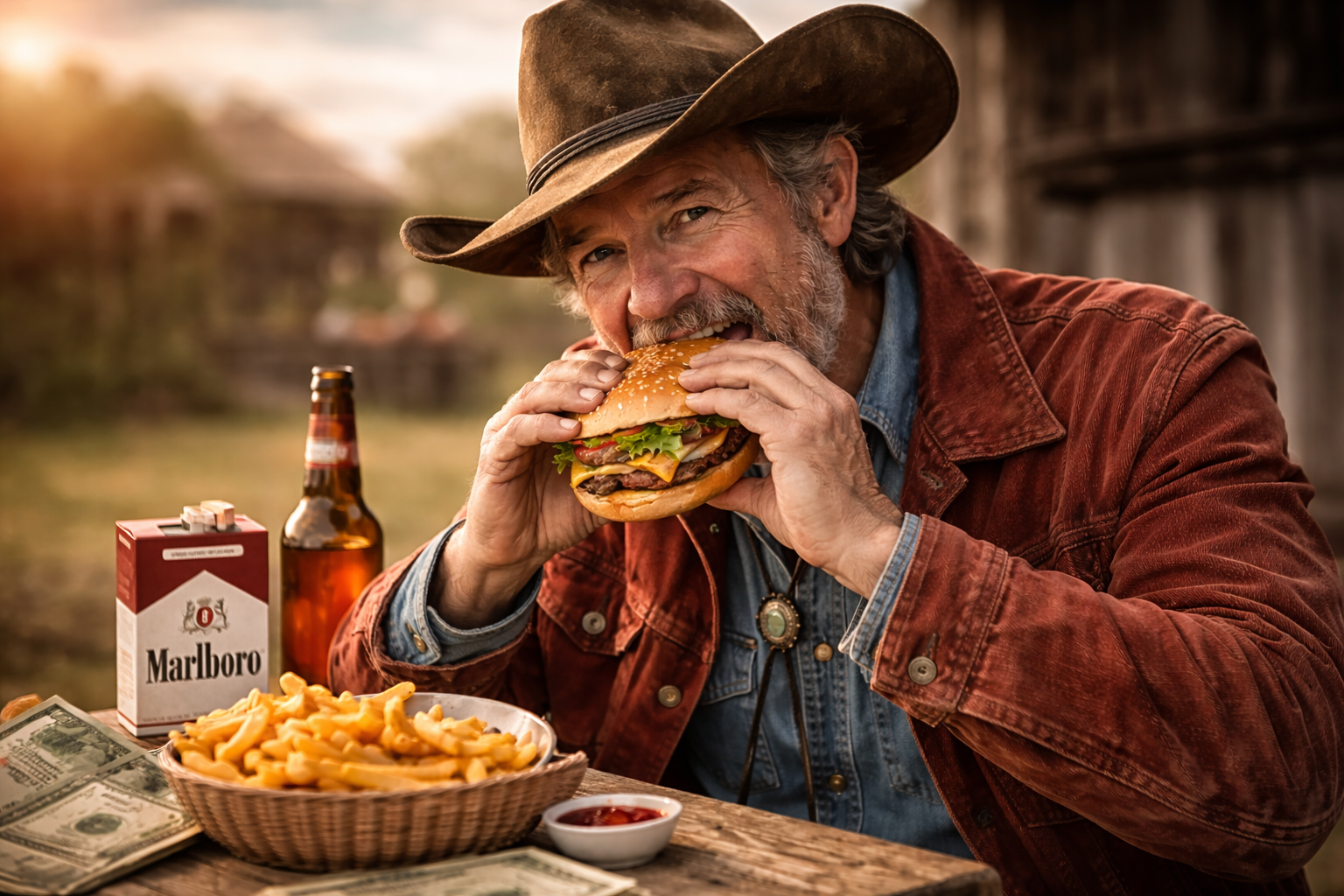
The most famous example is Philip Morris, which gradually assembled one of the largest food empires in the world.
Key acquisitions included:
-
1985 – Purchase of General Foods for $5.6 billion
-
1988 – Purchase of Kraft Foods for $12.9 billion
This created a food conglomerate responsible for products such as:
-
Maxwell House coffee
-
Kraft cheese
-
Philadelphia cream cheese
-
Jell-O
-
Oscar Mayer
Eventually, the business became what we now know as Mondelez International.
RJR Nabisco
Yes, the company behind Oreo and Cadbury was once owned by a cigarette manufacturer.
Another famous case involved RJR Nabisco, formed when R.J. Reynolds Tobacco Company merged with Nabisco in 1985.
Nabisco’s portfolio included household names like:
-
Oreo
-
Ritz
-
Chips Ahoy
-
Wheat Thins
The merger became legendary thanks to the dramatic leveraged buyout battle chronicled in the business book Barbarians at the Gate.
What made the story even more surreal was that a cigarette company had become one of the world’s largest snack manufacturers.
Why Tobacco Companies Wanted Food Brands
At a basic level, diversification was about spreading risk.
But there were deeper strategic reasons.
1. Stable Consumer Demand
Food products provided reliable, recurring demand.
Consumers might quit smoking, but they rarely quit eating biscuits.
Snack foods also delivered strong margins and huge global distribution potential.
For companies used to selling addictive products, the snack aisle was particularly attractive.
2. Marketing Expertise
Tobacco companies were historically some of the most sophisticated marketers in the world.
Before advertising restrictions arrived, cigarette brands dominated television, sports sponsorship, and print media.
The industry had mastered:
-
brand positioning
-
emotional storytelling
-
packaging design
-
lifestyle marketing
Those same capabilities translated surprisingly well into food marketing.
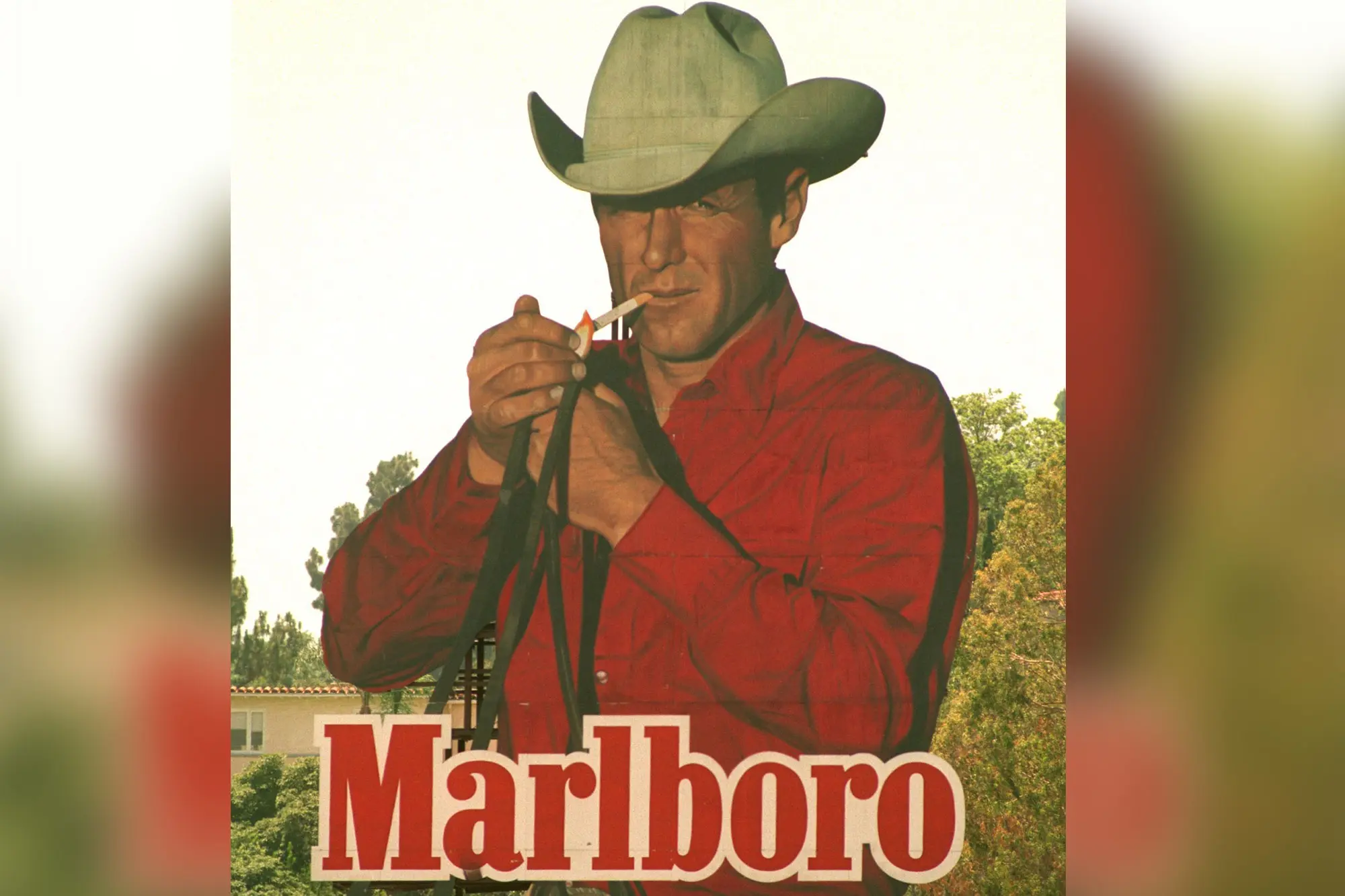
Selling a Marlboro lifestyle and selling a chocolate bar both rely on emotional branding rather than rational product comparison.
3. Consumer Psychology
This is where the story becomes slightly uncomfortable.
Internal research later revealed that tobacco companies were deeply interested in the science of cravings and habit formation.
The food industry has long understood the power of what scientists call the bliss point – the perfect combination of salt, sugar, and fat that maximises palatability.
Researchers such as Howard Moskowitz helped companies identify these optimal flavour combinations.
For tobacco companies already experienced in addictive product design, the overlap with processed food science was obvious.
The result was a powerful combination:
-
addictive nicotine products
-
highly engineered snack foods
Both built around repeat consumption.
The Reputation Shield
Another major advantage of food acquisitions was reputational insulation.
Food brands were beloved.
Cigarette companies were not.
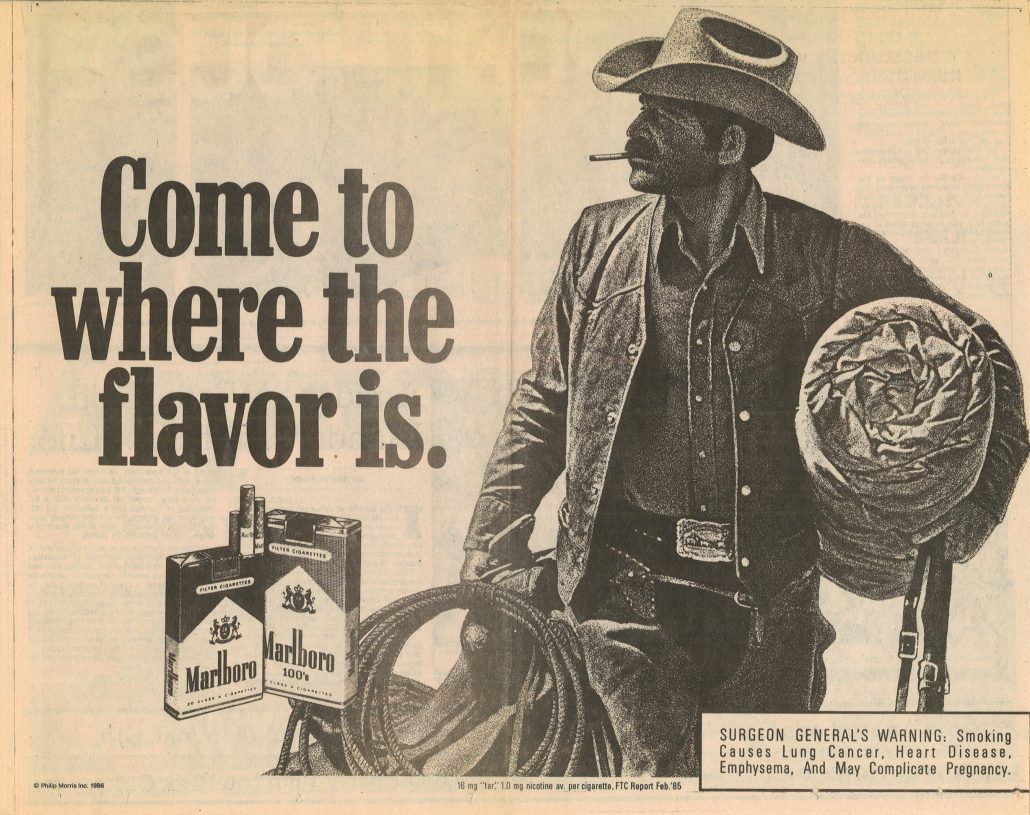
By owning well-known grocery brands, tobacco companies could improve their corporate image and gain political influence.
A company that sells biscuits is harder to regulate than a company that only sells cigarettes.
The corporate strategy worked rather well.
For years, many consumers had no idea that their favourite snacks were owned by tobacco firms.
The Turning Point
Eventually, the strategy began to unravel.
By the late 1990s and early 2000s, tobacco companies faced mounting legal settlements and growing public scrutiny.
One of the most significant events was the Tobacco Master Settlement Agreement in 1998, in which tobacco companies agreed to pay billions of dollars to US states.
At the same time, investors increasingly questioned whether food businesses should be owned by tobacco firms at all.
The reputational risk was starting to flow in the opposite direction.
Instead of food brands protecting tobacco companies, tobacco ownership was beginning to damage the food brands.
The Great Corporate Divorce
The solution was separation.
Throughout the 2000s, tobacco companies gradually spun off their food businesses.
For example:
-
Philip Morris separated its food operations
-
Kraft became an independent company
-
Later restructuring created Mondelez International
Today, tobacco giant Altria (the successor to Philip Morris in the US) no longer owns the food empire it once built.
The marriage between cigarettes and biscuits was over.
What Marketers Can Learn From This
This strange chapter in corporate history offers several marketing lessons.
Diversification is often defensive
Companies do not diversify purely for growth.
Sometimes they diversify because their core business faces existential threats.
Tobacco companies saw regulation coming decades before it fully arrived.
Buying food brands was a hedge against an uncertain future.
Brand ownership is often invisible
Consumers rarely know which conglomerate owns the brands they love.
Corporate structures are complicated by design.
This can allow companies with controversial products to quietly operate in completely different sectors.
Behavioural science travels well
One of the most striking overlaps between tobacco and food is behavioural design.
Both industries rely on:
-
repeat consumption
-
sensory cues
-
emotional marketing
-
habit formation
Modern marketers studying behavioural economics will recognise echoes of this in the work of thinkers like Daniel Kahneman and Richard Thaler.
The difference is that tobacco companies understood these principles long before they became fashionable in marketing textbooks.
A Slightly Uncomfortable Legacy
Today, many public health researchers argue that the legacy of tobacco ownership still shapes the modern food industry.
Ultra-processed food products are often engineered for maximum palatability, encouraging frequent consumption in ways that echo earlier tobacco strategies.
This does not mean biscuits are cigarettes, of course.
But the historical overlap between the two industries remains a fascinating – and occasionally unsettling – chapter in corporate history.
TL;DR
-
From the 1970s to the 1990s, major tobacco companies bought large food manufacturers.
-
Philip Morris acquired General Foods and Kraft, creating a global food empire.
-
R.J. Reynolds merged with Nabisco, producing the famous RJR Nabisco conglomerate.
-
Tobacco companies were attracted to food because it offered stable demand, strong branding opportunities, and insights from behavioural science.
-
By the early 2000s, reputational risks reversed the strategy, leading to the spin-off of food divisions like Mondelez International.
-
The episode remains a fascinating example of corporate diversification, marketing strategy, and the hidden structures behind everyday consumer brands.