

Ultra-Processed Foods and the Marketing War Over “Real Food”
What the NOVA Classification Means for the Food and Pet Food Industries
In 2009, Brazilian nutrition researcher Carlos Augusto Monteiro and colleagues published a paper that quietly reshaped how food is discussed, regulated, and marketed.
The paper – “A New Classification of Foods Based on the Extent and Purpose of Their Processing” – introduced what is now known as the NOVA food classification system.
Rather than judging food purely by its nutritional profile, NOVA categorises food based on how much industrial processing it has undergone and why that processing exists.
This may sound like a technical academic distinction, but the consequences have been profound.
In effect, NOVA created a new cultural and marketing narrative:
For marketers in both human food and pet food, this shift has enormous implications.
The Marketing Made Clear Podcast
Check out the Marketing Made Clear Podcast on all good streaming platforms including Spotify:
What the NOVA System Actually Says
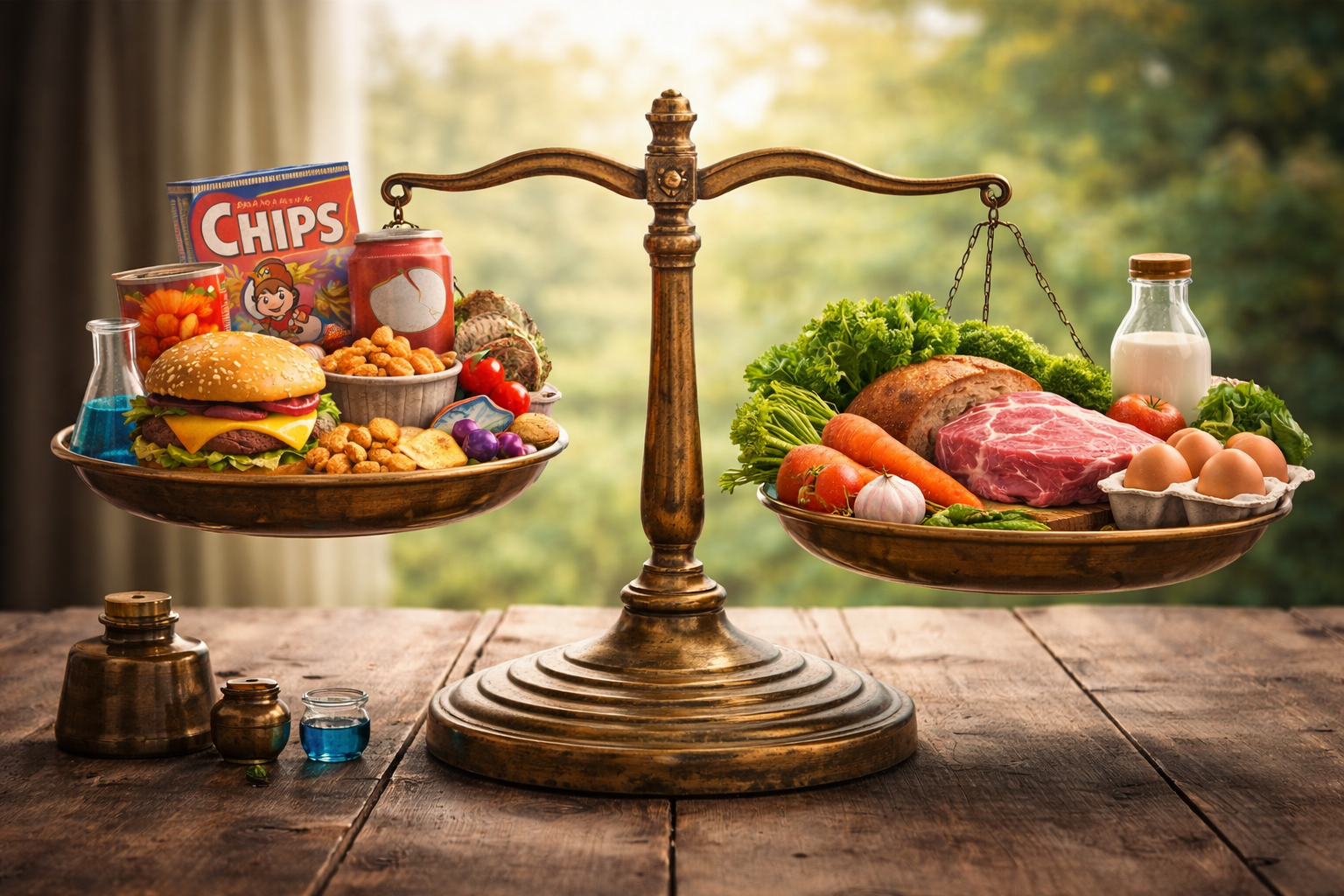
The NOVA classification divides food into four groups based on processing.
Group 1 – Unprocessed or minimally processed foods
-
Fresh meat
-
Fruit and vegetables
-
Milk
-
Eggs
Group 2 – Processed culinary ingredients
-
Sugar
-
Salt
-
Oils
-
Butter
Group 3 – Processed foods
-
Cheese
-
Canned vegetables
-
Bread made from simple ingredients
Group 4 – Ultra-processed foods (UPFs)
These are industrial formulations typically made from refined substances extracted from foods, chemically modified ingredients, and additives used to enhance flavour, texture, and shelf life.
Examples include:
-
soft drinks
-
packaged snacks
-
ready meals
-
sweetened breakfast cereals
Monteiro’s argument is that these foods are not merely processed – they are engineered formulations designed for convenience, long shelf life, and profitability.
And once you frame food this way, marketing suddenly becomes part of the problem.
Why NOVA Is a Marketing Earthquake
The brilliance of the NOVA framework is that it changes the debate.
For decades, food marketing revolved around nutritional metrics:
-
low fat
-
high protein
-
reduced sugar
-
fortified with vitamins
But NOVA introduces a more uncomfortable question:
Is the product fundamentally an industrial formulation?
That question undermines a large portion of the modern food industry.
A product can now be:
-
low calorie
-
high protein
-
fortified with vitamins
…and still be labelled ultra-processed.
From a branding perspective, that is a nightmare.
The Rise of the “Clean Label” Movement
One of the most visible consequences of the NOVA debate is the rise of clean label marketing.
Brands increasingly emphasise:
-
simple ingredients
-
recognisable foods
-
“kitchen cupboard ingredients”
-
short ingredient lists
The idea is simple:
If consumers distrust industrial processing, make your product look less industrial.
This explains the explosion of claims such as:
-
“no artificial additives”
-
“only five ingredients”
-
“nothing you can’t pronounce”
These are not just nutritional signals.
They are trust signals.
The Cultural Narrative: Real Food vs Industrial Food
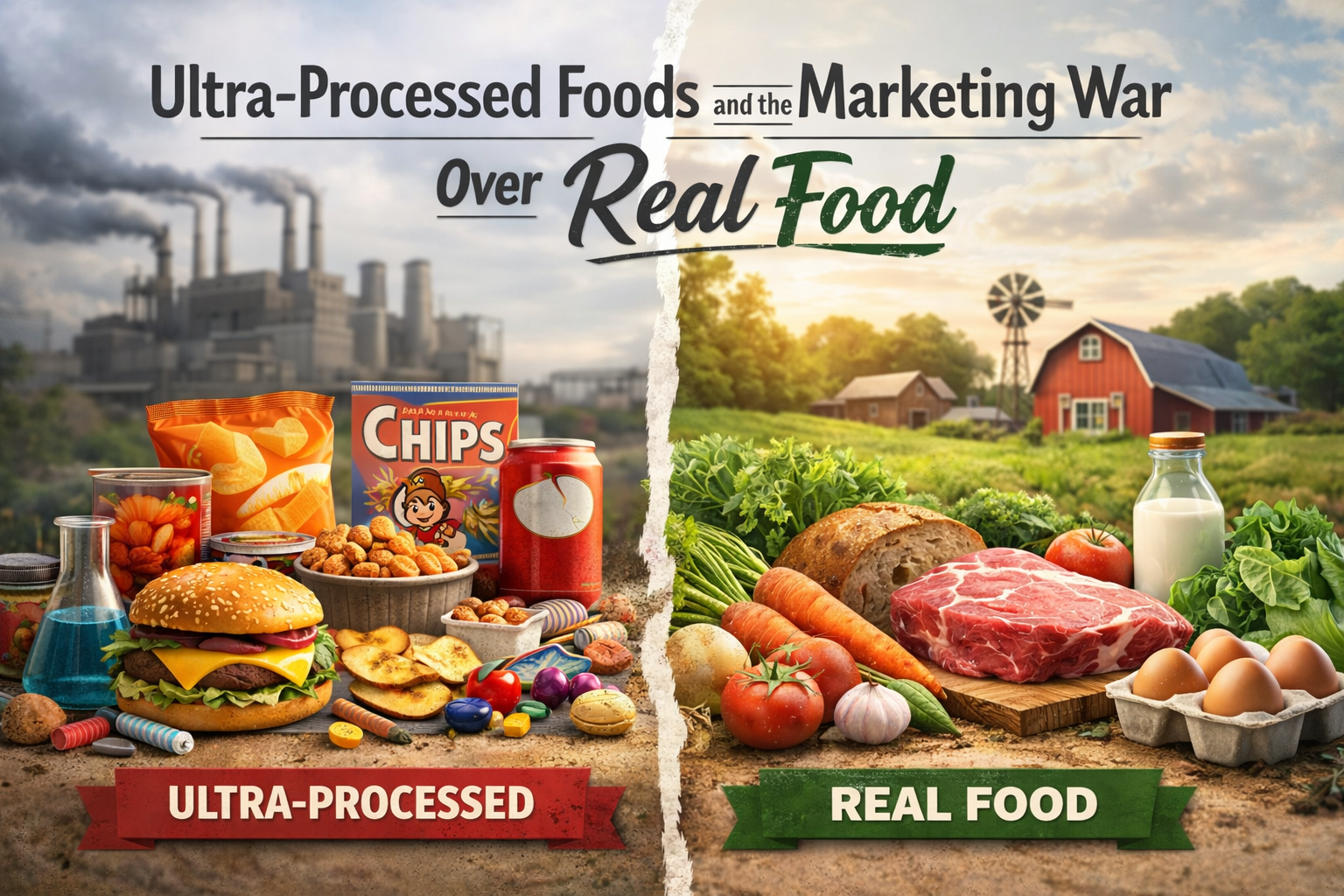
NOVA also plays into a powerful cultural story.
Consumers increasingly romanticise:
-
farm food
-
traditional cooking
-
natural ingredients
-
artisanal production
Meanwhile, ultra-processed food becomes associated with:
-
multinational corporations
-
factories
-
chemical additives
-
artificial flavouring
This narrative is marketing gold for challenger brands.
Many food startups now position themselves as anti-industrial.
Examples include:
-
meal kit companies
-
fresh meal delivery services
-
minimally processed snack brands
They are not just selling food.
They are selling an alternative food philosophy.
Why Big Food Companies Are Nervous
The NOVA system places many mainstream supermarket products into the ultra-processed category.
In developed countries, these foods account for a large share of daily calorie intake.
Critics argue that NOVA paints with too broad a brush.
Some ultra-processed foods can still have good nutritional profiles, while many processed foods provide safe, affordable nutrition.
But the reputational problem remains.
Once the public associates a category with industrial manipulation, brands must work much harder to maintain trust.
The Pet Food Industry: A Parallel Debate
Interestingly, the same conversation is now emerging in pet food marketing.
Traditional pet foods – particularly kibble – rely on industrial manufacturing processes such as extrusion.
These foods are:
-
shelf stable
-
highly formulated
-
manufactured from multiple ingredients
In other words, they resemble the ultra-processed category in human food.
This has opened the door for a wave of challenger brands promoting:
-
raw diets
-
fresh food
-
freeze-dried meat
-
gently cooked meals
Their marketing language mirrors the anti-UPF movement in human nutrition.
Common messaging includes:
-
“species-appropriate diets”
-
“real meat”
-
“no fillers”
-
“no artificial preservatives”
The implication is clear:
Pet food has its own ultra-processed debate.
The Processing Transparency Arms Race
Another marketing consequence of the NOVA debate is a growing demand for manufacturing transparency.
Consumers increasingly want to know:
-
where ingredients come from
-
how food is produced
-
what processing techniques are used
This has led to brands highlighting:
-
farm sourcing
-
simple cooking methods
-
factory transparency
Interestingly, factories themselves are now becoming part of the marketing story.
A generation ago, food factories were hidden.
Now brands proudly show them off.

Regulation Could Be the Next Battlefield
NOVA has already influenced public health policy discussions.
Researchers and policymakers have proposed measures such as:
-
front-of-pack warning labels
-
marketing restrictions for ultra-processed foods
-
taxation policies
-
limits on marketing to children
Some academics have even suggested treating ultra-processed foods with regulatory strategies similar to tobacco.
If this trend continues, the implications for food marketing could be enormous.
The Real Marketing Lesson
The most interesting thing about the NOVA classification is that it was never designed as a marketing framework.
Yet it has become one.
By reframing food as a product of industrial systems rather than nutrition, the research inadvertently gave brands a powerful new positioning strategy.
Food brands can now choose which side of the narrative they want to occupy.
Industrial convenience
or
real food authenticity
And in marketing, narratives matter.
Because once consumers start asking whether their food is engineered rather than cooked, the entire category suddenly looks different.
TL;DR
The NOVA food classification system categorises foods based on how and why they are processed, rather than their nutritional content. This framework has reshaped food marketing by creating a powerful narrative around ultra-processed foods vs real foods. The result has been the rise of clean label branding, ingredient transparency, and authenticity marketing across both the human and pet food industries. At the same time, it has created reputational challenges for large food manufacturers whose products fall into the ultra-processed category. In many ways, the biggest impact of NOVA has not been scientific – it has been narrative power in marketing.