

When Corporate Spin Backfires: From Pepsi’s Protest Fiasco to Dieselgate
When Brands Try to Shape Reality – And Fail
Corporations have long used persuasion, positioning and crisis PR to bend perception in their favour. Whether through glossy advertising, “values-driven” messaging or emergency comms, brands often try to steer public opinion rather than simply serve it. Sometimes that’s harmless image-polishing. Other times, it edges into full-blown propaganda – selective truths and emotional narratives used to manipulate stakeholders.
And just like political propaganda, corporate propaganda has a habit of blowing up when the gap between brand narrative and real-world behaviour becomes impossible to hide.
In these five case studies we examine what happens when brand myth-making collides with reality: Pepsi’s attempt to commercialise activism, Nestlé’s lethal infant formula marketing play, Volkswagen’s emissions lies, decades of tobacco denialism, and BP’s “Beyond Petroleum” narrative dissolving in an ocean of crude. Together, they reveal a clear truth for marketers: when perception management ignores ethics, audience intelligence, or demonstrable reality, the fall-out is public, painful, and enduring.
The Marketing Made Clear Podcast
Check out the Marketing Made Clear Podcast on all good streaming platforms including Spotify:
Pepsi’s “Protest” Ad (2017) – Co-opting Activism and Uniting Audiences Against You
The climax: she offers a police officer a can of Pepsi, magically resolving tensions. The brand’s aim was obvious – tap into the mood of social activism and align Pepsi with unity and progressive causes, borrowing aesthetic cues from Black Lives Matter and youth protest culture.
Pepsi + Kendall Jenner – What Could Go Wrong?
The ad ignited global backlash within hours.
Audiences across the political spectrum condemned it as tone-deaf and trivialising real issues of racial injustice and police violence. Activists mocked the idea that cola could solve systemic inequality. One widely-shared tweet summed up the sentiment:
“If only Dad had known about the power of #Pepsi.”
Facing ridicule, Pepsi withdrew the ad within 24 hours and issued a public apology, admitting it “missed the mark.”
Why the Kendall Jenner Ad Backfired on Pepsi
The ad attempted to appropriate serious social movements without legitimacy, understanding or lived context. It reduced protest culture to a fashion accessory, and audiences responded accordingly. Credibility collapsed not because the intention was malicious, but because it was superficial and opportunistic. Pepsi accidentally produced a masterclass in “cause-washing.”
Lessons for marketers:
-
Social issues are not set dressing
-
Earn the right to speak – don’t hijack movements for brand gain
-
Performative allyship is worse than silence
-
Real change beats symbolic commercials
Nestlé Infant Formula Marketing (1970s-80s) – Propaganda with a Human Cost
In the 1970s, Nestlé aggressively marketed infant formula in low-income countries, presenting formula as modern, scientific, and superior to breastfeeding. Tactics included deploying “milk nurses” in hospitals to promote bottle-feeding to new mothers.
Nestlé Infant Formula – What went wrong?
Many mothers, unable to afford adequate formula or lacking access to clean water, diluted baby formula – resulting in malnutrition, infections and widespread infant deaths. Estimates suggest this marketing push contributed to hundreds of thousands of infant deaths per year at its peak. The backlash triggered a global boycott beginning in 1977 and led to the 1981 World Health Organization code regulating formula marketing.
Why the Nestlé Infant Formula campaigns backfired?
Nestlé’s campaign prioritised profit over public health, using positioning and pseudo-medical messaging to override evidence. When reality surfaced, the moral and reputational damage was severe and long-lasting. Boycotts persist decades later.
Lessons for marketers:
-
If your claims conflict with public health, you haven’t got a brand problem – you have an ethical crisis
-
Short-term market capture cannot justify long-term harm
-
Ethical claims must be demonstrably ethical
-
Once trust is lost in life-and-death categories, recovery is generational, not campaign-based
Volkswagen “Clean Diesel” (2008-2015) – When Greenwashing Meets Compliance
Volkswagen spent years claiming its diesel vehicles delivered dramatically lower emissions through so-called “Clean Diesel” technology. The brand used emotive environmental advertising and scientific-sounding claims to position diesel as a greener alternative.
Volkswagen “Clean Diesel” – What went wrong?
In 2015, regulators uncovered that VW had fitted 11 million vehicles with software to cheat emissions tests. In real-world driving, emissions were up to 40x the legal limit, turning “clean diesel” into an engineering deception. The scandal – quickly dubbed Dieselgate – forced the CEO to resign and cost VW approximately $30 billion in fines, buybacks and legal settlements.
How Dieselgate backfired on Volkswagen
Volkswagen’s propaganda wasn’t simply misleading marketing – it was engineered deception. Greenwashing plus technical fraud created a compound reputational collapse and triggered global regulatory reform. Diesel sales slumped across Europe and beyond, reshaping automotive strategy overnight.
Lessons for marketers:
-
Sustainability claims must withstand forensic scrutiny
-
Environmental messaging is fragile currency – misuse it and trust evaporates
-
Product reality determines brand reality, not the other way round
-
Advertising cannot patch over governance failures
Big Tobacco’s Denial Campaign (1950s-1990s) – The Ultimate Propaganda Collapse
For decades, tobacco companies funded pseudo-scientific groups and ran adverts muddying the link between smoking and disease. Memorable examples include “More doctors smoke Camels…” claims, designed to legitimise cigarettes through faux medical authority.
How Big Tobacco went up in smoke
Internal documents later revealed executives knew the true health dangers and addictiveness of nicotine but chose to deny them publicly. Court-ordered disclosures and mounting lawsuits culminated in the 1998 Master Settlement Agreement, requiring tobacco companies to pay over $200 billion and fund anti-smoking campaigns. Advertising restrictions tightened globally and tobacco firms became corporate villains rather than lifestyle icons.
Why the Big Tobacco propaganda backfired
The strategy relied on obfuscation and false authority. When the truth surfaced, it didn’t simply weaken brand trust; it destroyed industry credibility. The very misinformation infrastructure the industry built became evidence against it.
Lessons for marketers:
-
When science is real, spin cannot defeat it
-
Misleading health claims aren’t marketing – they are liabilities in disguise
-
Internal truth will always find its way to the surface
-
Propaganda may delay the truth, but at extraordinary cost
Dishonourable Mentions: Other Propaganda Flops
Before we get to number one, let’s take a look at some dishonourable mentions.
Dolce & Gabbana’s China Ad Debacle (2018)
In 2018, Dolce & Gabbana launched a series of promotional videos in China depicting a Chinese woman struggling to eat Italian food with chopsticks – a portrayal many viewers saw as patronising and racially stereotyped. The intended message was playful cultural fusion; the received message was cultural mockery.
Backlash was immediate.
Chinese consumers boycotted the brand, major e-commerce platforms removed D&G products, and a planned Shanghai fashion show was cancelled at the last minute. Attempts by the founders to apologise came too late, and leaked defensive remarks allegedly made in private messages exacerbated the crisis. D&G’s failure lay in misreading cultural nuance in a critical growth market and responding defensively rather than empathetically.
The fallout was swift: years of brand-building evaporated as Chinese luxury shoppers, among the most influential in the world, rejected the label. This case stands as a stark reminder that cultural sensitivity isn’t optional – and that a single tone-deaf campaign can close doors in entire regions.

Starbucks “Race Together” (2015)
In 2015, Starbucks attempted to insert itself into conversations about race by encouraging baristas to write “Race Together” on coffee cups and initiate dialogue with customers.
The intention was to spark meaningful social discussion and position the company as a progressive cultural voice. The reception was anything but warm. Critics labelled the initiative performative, naive, and corporate vanity masquerading as social consciousness.
Social media mocked the idea that rushed coffee orders were the right context for deep racial dialogue, and employees reported feeling ill-prepared and uncomfortable.
While well-intentioned, “Race Together” revealed the dangers of activist messaging without practical execution, authentic community partnership, or internal readiness. It shows how brands entering sensitive societal debates must match ambition with humility, expertise, and lived engagement – not slogans on cups and hope for the best.
New Coke (1985)
The brand believed taste tests and competitive pressure justified replacing the original formula entirely.
Public outrage erupted as loyal drinkers accused Coca-Cola of abandoning tradition and ignoring emotional brand equity. Protests, complaint campaigns, and stockpiling of the original formula followed. Within 79 days, Coca-Cola reversed course and reintroduced “Coca-Cola Classic.”
Although some argue the U-turn inadvertently strengthened the brand by reaffirming consumer nostalgia, the episode remains one of marketing’s most famous self-inflicted wounds.
The core failure: assuming functional preference data outweighed cultural and emotional loyalty. New Coke demonstrates that when marketers treat heritage brands as interchangeable commodities, customers quickly remind them otherwise.
BP “Beyond Petroleum” (2010) – Green Branding Sinks in an Oil Slick
In the 2000s, BP rebranded itself as a forward-looking, environmentally responsible energy leader with the slogan “Beyond Petroleum” and a sunburst logo. It was designed to pivot BP away from its oil-major identity into a sustainability-minded innovator.
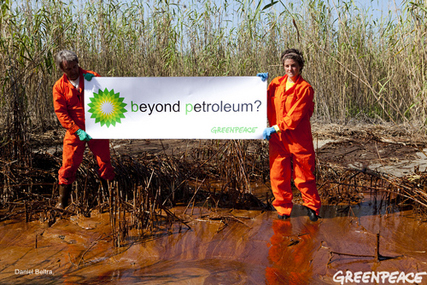
What went wrong with BP “Beyond Petroleum”?
In April 2010, the Deepwater Horizon rig explosion killed 11 workers and spilled millions of barrels of oil into the Gulf of Mexico.
BP’s CEO Tony Hayward then delivered some of the most infamous crisis-PR missteps in memory, referring to the spill as “tiny” and saying he “wanted his life back.”
The remarks inflamed public anger.
BP spent $50 million on apology ads, but credibility was already destroyed. Hayward was replaced, and BP ultimately paid over $60 billion in settlements and clean-up costs.
Why BP “Beyond Petroleum” backfired – if you hadn’t worked it out already
BP’s green narrative collapsed against catastrophic operational failure. The brand discovered that sustainability messaging must be supported by operational excellence; without it, advertising becomes evidence of hypocrisy.
Lessons for marketers:
-
A sustainability story is a performance promise, not a slogan
-
Crises can expose brand purpose as theatre if reality doesn’t match rhetoric
-
Apologies don’t work if behaviour doesn’t align
-
Stakeholder trust is slower to build than to spill

Conclusion: The Golden Rule – Reality Beats Narrative
Corporate propaganda fails when brand stories lose contact with lived reality. Whether trivialising activism, obscuring public health risks or overselling sustainability, these examples share the same flaw: belief that messaging can overpower truth.
For marketers, the implications are straightforward:
-
Trust compounds – so does mistrust
-
Ethics are strategy, not decoration
-
Sustainability is evidence-led, not sentiment-led
-
Stakeholders are not audiences to be managed; they are informed evaluators with agency
-
A brand is what it does, not what it posts
Put simply: you cannot advertise your way out of behaviour.
When your values live in campaigns but not in operations, the backlash writes itself.
Brands win long-term when they earn trust, not when they script it.
TL;DR
Big brands from Pepsi to VW have shown that propaganda collapses when it collides with reality. Cause-washing, greenwashing and medical denialism don’t just fail – they scar reputations and balance sheets. For marketers, the takeaway is clear: build narratives on truth, back claims with evidence, and ensure behaviour matches brand rhetoric. Credibility is cumulative, and in modern markets, transparency is not optional – it’s the operating environment.