8 Controversies Surrounding Christmas
A Balanced Discussion
Christmas is a time of joy, togetherness, and tradition, but there are also a few controversies that spark debate every year. Christmas controversies touch on cultural, environmental, and societal aspects of the holiday, making it a complex season with layers of meaning and impact. In this article, we’ll explore eight key controversies surrounding Christmas, presenting the facts and examining the debates they ignite.
The Marketing Made Clear Podcast
This article features content from the Marketing Made Clear podcast. You can listen along to this episode on Spotify:
1. The “War on Christmas”
The “War on Christmas” debate centres around the perception that there is a concerted effort to secularise the holiday. Examples often cited include the preference for saying “Happy Holidays” over “Merry Christmas” and the use of non-religious decorations in public spaces.
The Debate
- Proponents: Argue that removing explicitly Christian references dilutes the holiday’s original meaning.
- Opponents: Point out that Christmas has incorporated secular and pagan elements for centuries, making it a broader cultural celebration.
My Perspective
Christmas’s evolution shows that it’s been shaped by various cultures and traditions over time. While the debate may persist, the holiday’s multifaceted nature suggests it can be inclusive without losing its spirit.
In the Christmas Marketing Made Clear Episode (Episode 9) published in December 2024, we went into a lot of detail about the Pagan, Roman, Nordic and other cultural influences that made Christmas the festival that we know (and love) today.
In a way – from the opponent perspective, I see Christmas almost as a victim of its own success. And Christianity as a victim of it’s own successful adoption of other cultures.
2. Over-Commercialisation
Christmas is often criticised for being overly focused on consumerism, with an emphasis on shopping and profits overshadowing its spiritual and communal roots.
Key Issues
- Financial Strain: The pressure to spend can create financial stress for individuals and families.
- “Christmas Creep”: Retailers pushing holiday promotions as early as October frustrates those who feel the holiday should remain a December event.
My Perspective
For many businesses, the holiday season can be make-or-break, and the competition for consumer attention is fierce. While commercialisation is undeniable, many companies also contribute to charitable causes, balancing profit with giving back.
In terms of the economy – we need thriving businesses to be able to provide jobs, so we do need companies to be successful.

3. Cultural Appropriation of Pagan Traditions
Christmas incorporates elements from pagan winter solstice celebrations, such as Yule logs, evergreen trees, and the timing near the solstice.
The Debate
- Christians: Some feel uneasy about the holiday’s pagan roots, preferring to focus solely on its religious aspects.
- Pagans: Criticise Christianity for adopting and repurposing their traditions.
My Perspective
The blending of traditions has allowed these ancient customs to survive in modern celebrations. Rather than diminishing their significance, this cultural fusion highlights the universal themes of light, renewal, and community during the darkest time of the year.
In a way “it is what it is” – Christianity adopted pagan traditions – we can observe this kind of merging of cultures all over the world. From some perspectives this is bad, and has seen certain cultures (particularly pagan) lose their identity, and practices have become lost along the way. From another perspective, this has preserved some practices that would have otherwise have been lost. Largely thanks to the Romans, Christianity became the dominant religion in Europe, but this was achieved by amalgamating traditions from other, more local cultures… I doubt that Christianity would have been so widely adopted if the conquering Romans had decided to take a zero-tolerance approach to the practice of pagan traditions.
4. The Environmental Impact
From excessive energy usage for lights to waste generated by plastic decorations and wrapping paper, Christmas has a significant environmental footprint.
Key Concerns
- Energy Consumption: Extravagant light displays increase electricity usage, though LED technology has mitigated this somewhat.
- Waste: Non-recyclable wrapping paper and discarded decorations contribute to landfill waste.
My Potential Solutions
- Consumer Choices: Opting for reusable decorations and sustainable wrapping materials.
- Corporate Responsibility: Encouraging brands to minimise their environmental impact and adopt sustainable practices.
I do think this is a valid point – and I share this concern! But realistically, I don’t think everyone should just stop using decorations – so I think it’s important for consumers to put pressure (via your spend) on companies to make more sustainable choices.

5. Exclusion of Non-Christmas Observers
In predominantly Christian regions, the pervasive celebration of Christmas can feel exclusionary to those who don’t observe the holiday.
Key Issues
- Schools and Workplaces: Overemphasis on Christmas-themed activities may sideline those who celebrate Hanukkah, Kwanzaa, or other holidays.
- Cultural Sensitivity: The challenge lies in balancing tradition with inclusivity.
My Perspective
I understand this perspective, but it also seems to contradict the earlier argument that Christmas is losing its religious significance. In many ways, the dilution of its religious roots has arguably made the holiday more inclusive. Of course, this is a simplification, but it’s clear that Christmas has shifted – or is continuing to shift – away from its strictly religious foundation.
Many schools are moving away from nativity-based plays at Christmas, which reflects an effort to be more inclusive. However, it’s also important to acknowledge that certain countries or regions have predominant religions, and respecting those cultural or religious traditions is equally important.
As a non-Christian, I personally have no issue with having participated in nativity plays at school, nor do I mind my children taking part. I don’t view it as spreading a negative message.
Ultimately, Christmas is what you make of it. On a personal level, there are so many aspects of the holiday that anyone can enjoy, regardless of religious belief, whether it’s togetherness, family, or even nods to ancient traditions like Saturnalia and the rebirth of the sun.
6. The Santa Debate
Some parents object to the Santa Claus tradition, arguing it promotes materialism or involves lying to children.
The Debate
- Critics: Believe the Santa myth prioritises consumerism and may erode trust when children learn the truth.
- Supporters: Argue that Santa adds magic and wonder to childhood, fostering joy and imagination.
My Perspective
While the debate continues, many parents embrace Santa as a harmless and enchanting part of the holiday season. I really don’t get this argument… Children have such wonderful imaginations, I think it’s important that we help fuel this and I don’t see anything wrong with the Santa Claus tradition, or the tooth fairy while we are at it!
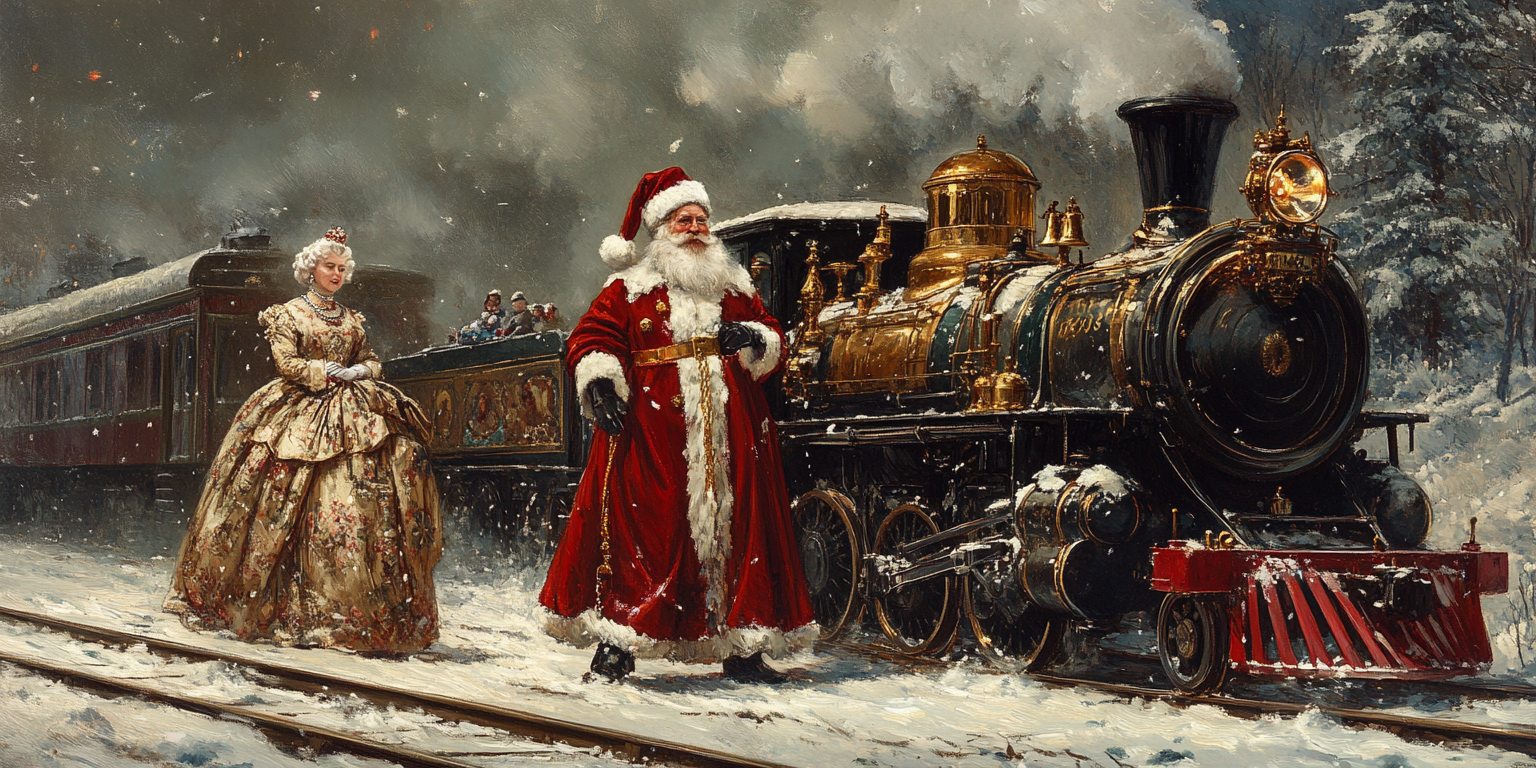
7. Offensive Christmas Traditions
Certain traditions have faced backlash for perpetuating racism, sexism, or unhealthy behaviours.
Examples
- Black Pete (Zwarte Piet): Dutch Christmas celebrations featuring Black Pete have been criticised for racial insensitivity.
- “Baby, It’s Cold Outside”: This 1944 song has drawn criticism for its outdated gender dynamics and themes of coercion.
- Santa’s Depictions: Advertisements and media portraying Santa as smoking or drinking have faced scrutiny for promoting unhealthy habits.
My Perspective
To summarise: issues like racism, sexism, and vices need to be addressed, they don’t have a place in modern Christmas celebrations.
Racism and Sexism?
There’s no place for it in any context, including holiday traditions.
But then “Baby It’s Cold Outside”? I’ll admit, I hadn’t given much thought to the lyrics before, always assuming it was just a nice seasonal song. But reading through them, the storyline is problematic. It essentially involves a man trying to persuade a woman to stay at his home instead of returning to her family. He compliments her looks; “you have beautiful eyes” and tries to entice her with drinks.
It takes a darker turn as the woman directly states, “Ugh, you’re very pushy, you know?” to which the man replies, “I’d like to think of it as opportunistic.” That’s not a great look. She continues to voice her concerns about her family worrying, and it starts to feel less like a romantic back-and-forth and more like a negotiation with a captor.
So yes, while this song, written by Frank Loesser in 1944, reflects the norms of its time, it doesn’t age well in today’s context.
Lastly, regarding vices like Santa being depicted drinking or smoking in advertisements, modern advertising standards have thankfully moved away from promoting such images, ensuring they align with healthier and more family-friendly values.
8. Charity vs. Consumption
Christmas is marketed as a season of giving, yet critics argue that the focus on charitable acts often feels overshadowed by consumerism.
My Perspective
First question: What sells best?
Charitable adverts are often ignored by consumer as we have this form of “ad blindness” built in to ignore these kind of advert. Think of it like an emotional coping mechanism!
That being said, while consumerism dominates the season, many brands use their platforms to contribute meaningfully to charitable causes, creating a balance between giving and selling. Some examples include:
- John Lewis: Partners with charities like Action for Children, donating proceeds from Christmas campaigns.
- Marks & Spencer: In 2022, donated £1 million to Shelter to combat homelessness.
- Boots: Runs the “Gifts for Giving” initiative to help families in need.
- Aldi: Partners with Neighbourly to donate unsold food and supports Children in Need through campaigns.
- Starbucks: Donates a percentage of holiday drink sales to charitable organisations like UK Youth.
So I’m going to have to go ahead and kind of disagree with you on that one (dude)!
Conclusion: A Holiday of Debate and Diversity
Christmas is a holiday rich in tradition and meaning, but it’s not without its controversies. From debates about its religious roots to environmental concerns and cultural sensitivity, these discussions reflect the evolving nature of a global celebration.
Ultimately, Christmas is what we make of it. By being mindful of its complexities and embracing its universal themes of love, generosity, and community, we can create a holiday season that is meaningful and inclusive for all.