

Why Dog Owners Feed Their Dogs Better Than Themselves
What Consumer Behaviour Reveals About Pet Food Marketing
There is a strange contradiction at the heart of modern consumer behaviour.
We know ultra-processed food is not ideal for us. We know we should probably eat better. And yet, most of us still reach for convenience, habit, or whatever happens to be within arm’s reach at 7pm on a Tuesday.
But when it comes to our dogs, something changes.
Suddenly, the standards go up.
The ingredients matter more. The sourcing matters more. The processing matters more. And in many cases, dog owners become more cautious about what they feed their pets than what they feed themselves.
It sounds slightly absurd when you say it out loud – but it is also entirely predictable from a behavioural perspective.
The Marketing Made Clear Podcast
Check out the Marketing Made Clear Podcast on all good streaming platforms including Spotify:
The Insight: Dogs Eat Better Than We Do
In my recent research into dog food consumer behaviour, one finding stood out.
There was a clear correlation between how consumers feel about nutrition for themselves and how they feel about nutrition for their dogs. But more interestingly, there was a noticeable tendency for consumers to be more cautious about feeding highly processed food to their dogs than to themselves.
This is not just a quirk. It is a behavioural pattern.
And it tells us something important about how people make decisions.
The Extended Self – Why This Happens
To understand this properly, we need to step into consumer psychology.
One of the most useful concepts here is the idea of the extended self. The theory suggests that people extend their identity beyond themselves to include possessions, relationships, and, crucially, pets.
For dog owners, this is particularly strong.
Dogs are not seen as products or assets. They are:
-
family members
-
companions
-
emotional anchors
So when a consumer chooses food for their dog, they are not making a detached purchasing decision. They are making a decision that reflects:
-
who they are
-
what they believe
-
what kind of owner they want to be
In other words, feeding your dog is not just functional. It is expressive.
The Guilt Gap
Here’s where it gets interesting.
When we make poor decisions for ourselves, we can rationalise them:
-
“I’ll eat better tomorrow”
-
“It’s been a long day”
-
“It’s not that bad”
But when it comes to our dogs, that rationalisation becomes much harder.
Dogs rely entirely on us. They don’t choose their food. They don’t understand trade-offs. They don’t get a say.
That creates what we might call a guilt gap.
The perceived responsibility is higher, and the tolerance for compromise is lower.
So while we might accept convenience for ourselves, we are less willing to accept it on behalf of something we care about.
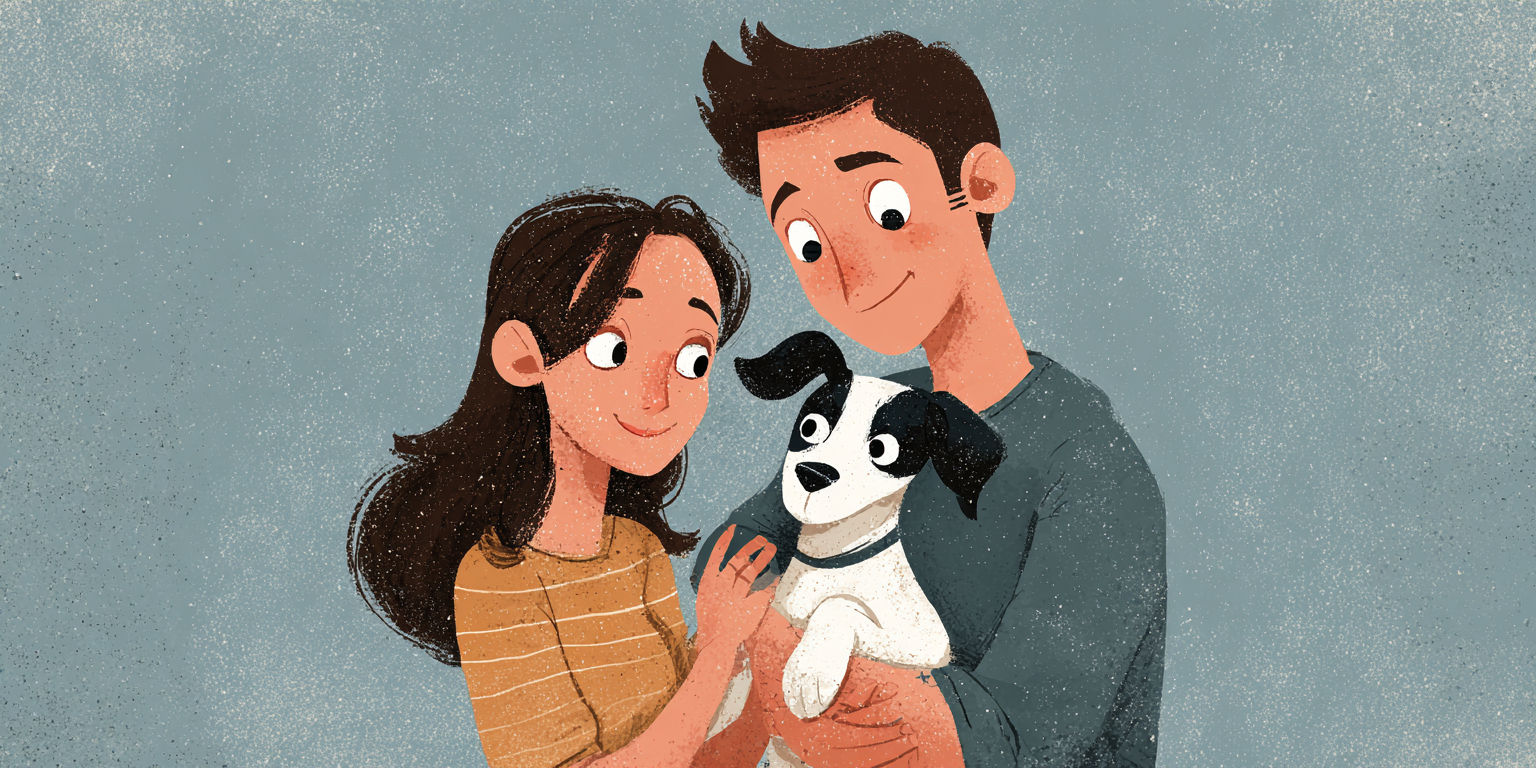
Rational vs Emotional Decision-Making
From a marketing perspective, this is a textbook example of how emotional and rational drivers interact.
On paper, dog food is a functional purchase. It sits alongside other grocery items. It is bought regularly. It can easily become habitual.
But emotionally, it is anything but routine.
Consumers are balancing:
Rational factors:
-
price
-
convenience
-
availability
Emotional factors:
-
care
-
responsibility
-
identity
-
fear of making the wrong choice
And in many cases, the emotional factors win.
This is why dog food marketing rarely focuses purely on price or convenience. Instead, it leans heavily into:
-
health outcomes
-
ingredient quality
-
ethical sourcing
-
wellbeing
Because that is what aligns with the owner’s emotional state.
Why This Matters for Marketers
This behavioural gap is not just interesting – it is incredibly useful.
It explains why premiumisation works so well in the pet food category.
Consumers will often:
-
trade up for their pets
-
justify higher spend
-
overlook price sensitivity
…in ways they would not for themselves.
It also explains why messaging that challenges a consumer’s current behaviour can be so powerful – and so risky.
If you tell someone they are feeding their dog poorly, you are not just criticising a product choice. You are questioning their identity as a responsible owner.
That can trigger:
-
defensiveness
-
rejection of the message
-
or, in some cases, complete behaviour change
There is very little middle ground.
The Role of Marketing Messaging
The most effective brands in this space understand this balance.
They don’t just sell dog food. They sell:
-
reassurance
-
confidence
-
alignment with values
They help consumers feel like they are making the right decision.
This is why many brands focus on:
-
transparency
-
education
-
storytelling
Rather than simply listing product features.
Because the real product is not just the food – it is the feeling of doing the right thing.
A Broader Behavioural Lesson
Although this research is focused on dog food, the insight extends far beyond the category.
Consumers often behave differently when making decisions for others than they do for themselves.
We see this in:
-
parents buying for children
-
people choosing gifts
-
even managers making decisions for teams
In each case, the decision becomes:
-
more emotional
-
more considered
-
more identity-driven
The pet food market just happens to be one of the clearest examples of this dynamic.
Conclusion
The idea that dog owners may feed their dogs better than themselves might sound like a throwaway observation.
In reality, it reveals something much deeper about consumer behaviour.
People are not always rational. They are not always consistent. But they are often predictable once you understand the psychology behind their decisions.
When it comes to pets, those decisions are shaped by identity, responsibility and emotion in ways that go far beyond the product itself.
And for marketers, that is where the real opportunity lies.
TL;DR
Dog owners often apply higher standards to their dog’s diet than their own because pets are treated as part of the “extended self”. This creates stronger emotional drivers, lower tolerance for compromise, and a greater willingness to trade up. For marketers, this explains why trust, reassurance and value alignment are more powerful than price-led messaging in the pet food category.